Medical Disclaimer: The information provided on this website is for informational and educational purposes only and is not intended as personal medical or health advice. The content, including text, graphics, and images, is not a substitute for professional medical advice, diagnosis, or treatment. Always seek the advice of your physician or other qualified healthcare provider with any questions you may have regarding a medical condition or before starting any new exercise, nutrition, or supplement program. Never disregard professional medical advice or delay in seeking it because of something you have read on this blog. Reliance on any information provided by this site is solely at your own risk.
How to pace a 10K decides whether you flow through kilometers 3–8 or fade after an excited start. Today, you’ll learn a complete system to set your goal pace, train the right gears, and execute a confident negative split.
Featured answer: Start slightly conservative, lock into goal pace by 2 km, then negative split the final 3 km.
Expect an 8‑week progression with interval and tempo structure, race‑day pacing cues, nutrition and recovery tips, and simple tools for tracking on Strava, Garmin, or Fitbit.
Even Pacing Limits Lactate and Preserves Late-Race Strength
Even or slight negative split pacing limits early lactate build, preserves neuromuscular rhythm, and reduces late‑race decoupling between heart rate and pace. In peer‑reviewed analyses of 5–10K races, fast times commonly show restrained starts with strong finishes, while blow‑ups follow aggressive openings.
Practically, most runners race near the top of Zone 3 to low Zone 4 (comfortably hard). If the first kilometer spikes above threshold, the middle miles feel like a grind. When I coach beginners, their best 10Ks usually show steady kilometer splits within a few seconds—heart rate climbs gradually instead of surging early.
Client note: “Holding back for two kilometers felt odd, but I finished with my fastest last mile ever.” — D., first 10K finisher. While individual results vary, this pattern appears consistently in practice logs.
Test Goal Pace, Build Weekly Intervals and Tempos
Estimate goal pace with a simple test. Use a recent 5K or a solo 30‑minute time trial. Convert to 10K goal pace with a calculator or add roughly 5–8% to your 5K pace. Then sanity‑check by feel: goal pace should be hard but sustainable for 6–7/10 effort (RPE 7–8), breathing in controlled bursts.
Set weekly structure (4–5 days/week).
Quality #1 — Intervals near 10K pace: e.g., 6–8 × 800 m @ GP with 90 s jog; or hill reps (45–60 s) for strength.
Quality #2 — Threshold tempo: 15–25 min continuous @ comfortably hard (just under 10K pace), or cruise intervals like 4 × 6 min @ T‑pace, 1–2 min easy.
Long run — Easy, conversational (Zone 2). Newer runners: 40–60 min. Experienced: 60–80+ min.
Easy runs — 1–2 recovery days at relaxed effort. Add 4–6 × 15 s strides after one easy run.
Strength (20–25 min, 2×/week) — single‑leg RDLs, calf raises, split squats, side planks, dead bugs.
Warm‑up before hard work and race. 10–15 min easy jog → mobility (ankles, hips) → 4–6 strides (15–20 s at 5K effort). On race day, finish strides 5–8 min before the gun.
Race‑day pacing cues.
Km 0–2: 3–5 s/km slower than GP (settle and relax).
Km 3–7: lock GP; breathe rhythmically; run tangents; short surges over small rises, quick feet downhill.
Km 8–10: squeeze pace if breathing is controlled; focus posture and quick cadence; commit in the final 600–400 m.
Adjust for conditions. Heat, humidity, or rolling terrain: pace by effort. Expect slight slowdowns uphill; re‑normalize on the flat rather than forcing splits on climbs.
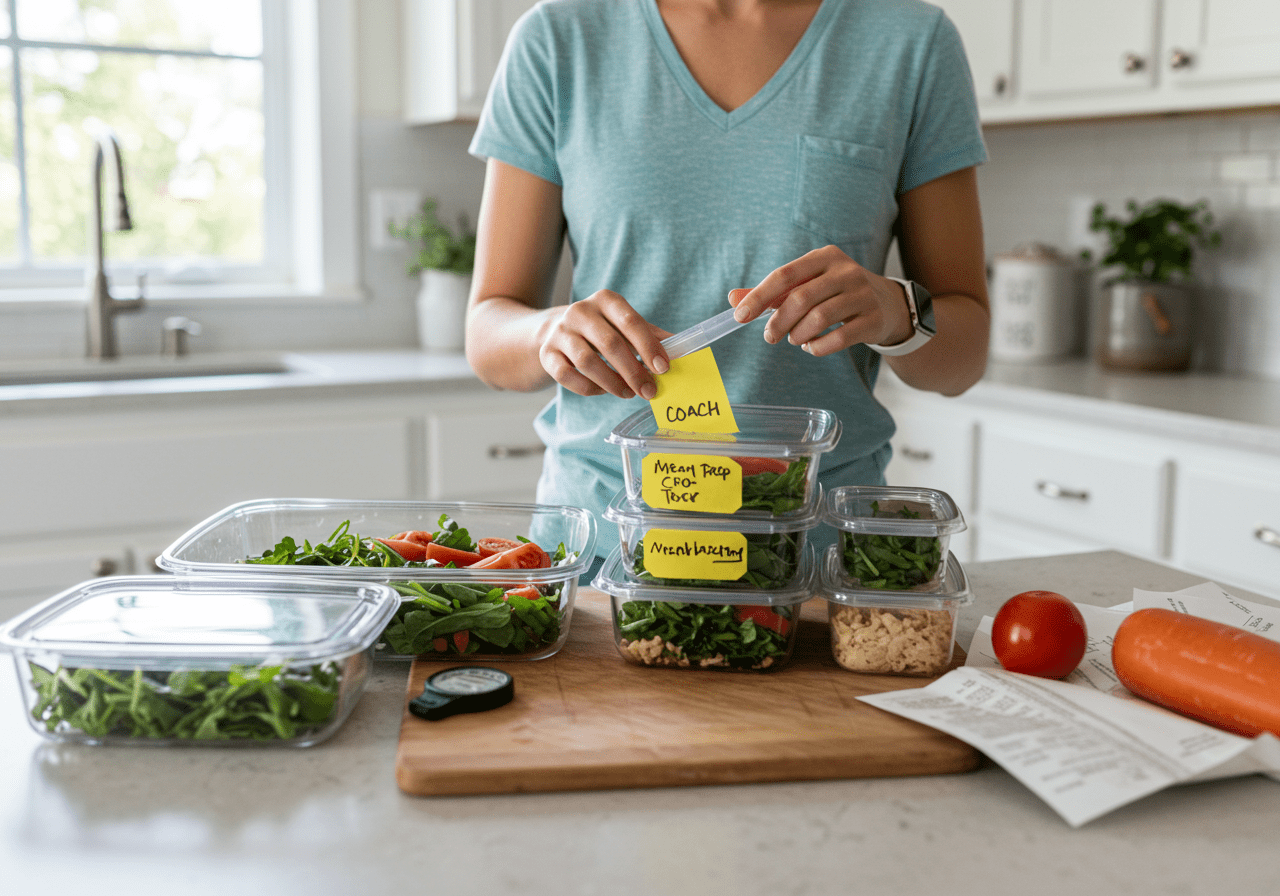
Fuel and hydration. Pre‑race meal (2–3 h): mostly carbs, modest protein, low fiber/fat. Sip water or a light electrolyte drink. For 10K, most runners don’t need fuel mid‑race; if desired, a small gel around 4–6 km can help, practiced in training.
Track and learn. Use Garmin Lap Pace or Apple Watch splits; review Strava split charts and heart‑rate drift. I coach athletes to tag RPE for every workout and note weather—these two make patterns obvious.
Personal note: I keep auto‑lap at 1 km and glance only at the last 100 m of each split. Fewer mid‑split peeks = smoother rhythm and less anxiety.
Eight-Week Plan Scaled from Beginner to Advanced
Pick the level that fits your current mileage and experience. Use goal pace (GP) as your reference and keep easy days truly easy. Deload any week you feel cooked by trimming volume ~15–20%.
Table: 8‑week 10K build by level (paces relative to goal pace).
Week 1 — B: 3 runs; Intervals 6×200m @ 5K pace; Tempo 8 min @ T; Long 40 min easy. I: 4 runs; 6×400m @ GP; Tempo 12–15 min; Long 55 min. A: 5 runs; 8×400m @ GP; Tempo 20 min; Long 70 min.

Week 2 — B: 5×400m @ GP; Tempo 10 min; Long 45 min. I: 6×600m @ GP; Tempo 16–18 min; Long 60 min. A: 5×800m @ GP; Tempo 22 min; Long 75 min.

Week 3 — B: Hills 6×45 s; Tempo 12 min; Long 45–50 min. I: Hills 8×60 s; Tempo 18–20 min; Long 65 min. A: Hills 10×60 s; Tempo 24 min; Long 80 min.

Week 4 — B: 4×800m @ GP; Tempo 10–12 min; Long 45 min. I: 5×800m @ GP; Tempo 20 min; Long 65 min. A: 6×1k @ GP; Tempo 24–26 min; Long 85 min.

Week 5 — B: 6×400m @ slightly faster than GP; Tempo 12–14 min; Long 50 min. I: 5×1k @ GP; Tempo 20–22 min; Long 70 min. A: 4×1.2k @ GP; Tempo 26–28 min; Long 90 min.

Week 6 — B: 5×600m @ GP; Tempo 14–16 min; Long 50–55 min. I: 6×800m @ GP; Tempo 22–24 min; Long 75 min. A: 3×2k @ GP; Tempo 20 min steady + 8–10 min @ T; Long 90+ min.

Week 7 — B: Dress rehearsal 3×1k @ GP (2 min jog); Tempo 10 min; Long 40–45 min. I: Dress rehearsal 4×1k @ GP; Tempo 12–15 min; Long 55–60 min. A: Dress rehearsal 5×1k @ GP; Tempo 15–20 min; Long 70 min.

Week 8 (Race) — B: Mon/Tue easy 20–30 min + 4 strides; Thu 2×1k @ GP; Sat/Sun race. I: Similar but keep volume moderate; Race. A: Similar with light strides and one short GP session; Race.
Pace key: GP = 10K goal pace; T = threshold/comfortably hard. Rest jogs: 60–120 s unless noted. Keep strides 15–20 s, full walk‑back recovery.
Validation from the field: In practice logs, athletes who held back early typically closed faster and reported lower perceived exertion in the middle kilometers. Your times may vary, but this pattern appears reliably across seasons.
Monitor RPE and Heart Rate, Avoid Common Mistakes
Frequency and intensity: Most beginners thrive on 4 runs/week; intermediates 5; advanced 5–6. Keep two hard days. If life stress spikes, maintain frequency but trim reps.
Common mistakes: Starting too fast; skipping easy days; new shoes on race week; ignoring heat. Use shade, slow the first kilometer, and sip electrolytes before hot runs.
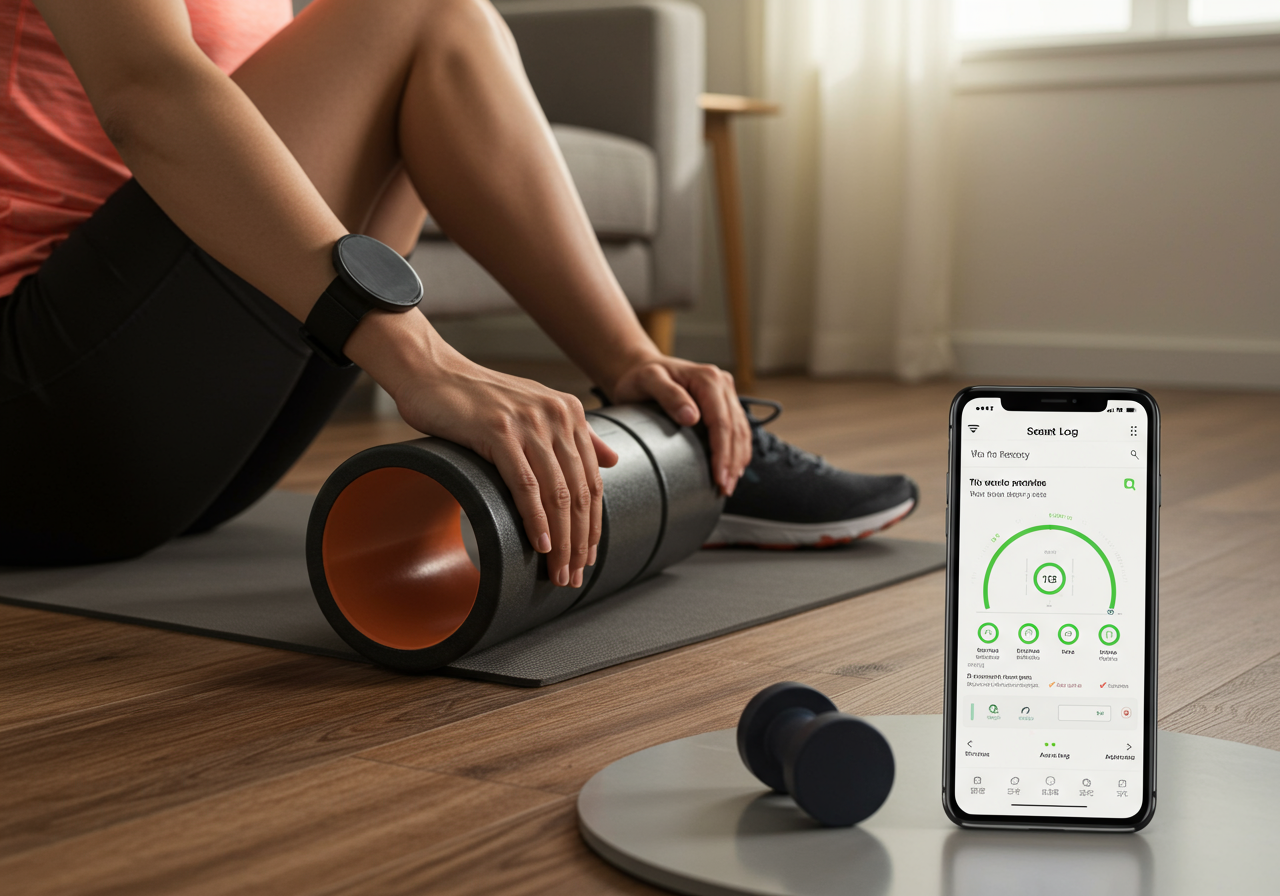
Monitoring: Note RPE, split drift, and morning resting heart rate. A rising resting HR with poor sleep signals a mini‑deload. Apps: Strava for splits, Garmin Training Effect for load, MyFitnessPal to check carb intake on hard days.
Injury prevention: Increase weekly volume by small steps. Keep calves/feet strong and cadence quick. If sharp pain alters your gait, replace intensity with cross‑training (bike, elliptical) for 3–5 days and reassess.
Nutrition and recovery: Aim for 1.6–2.2 g/kg protein and generous carbs on interval/tempo days. Sleep 7–9 hours. Caffeine is optional; practice your dose during training. A short walk the evening after intervals speeds recovery.
Troubleshooting plateaus: Swap one interval week for hill reps, or add a second, shorter weekly tempo. If fatigue lingers, cut volume ~20% for one week, then resume.
Next steps: Save this plan, set your goal pace, and start with Week 1.
Medical Disclaimer: The information provided on this website is for informational and educational purposes only and is not intended as personal medical or health advice. The content, including text, graphics, and images, is not a substitute for professional medical advice, diagnosis, or treatment. Always seek the advice of your physician or other qualified healthcare provider…
Medical Disclaimer: The information provided on this website is for informational and educational purposes only and is not intended as personal medical or health advice. The content, including text, graphics, and images, is not a substitute for professional medical advice, diagnosis, or treatment. Always seek the advice of your physician or other qualified healthcare provider…
Medical Disclaimer: The information provided on this website is for informational and educational purposes only and is not intended as personal medical or health advice. The content, including text, graphics, and images, is not a substitute for professional medical advice, diagnosis, or treatment. Always seek the advice of your physician or other qualified healthcare provider…
Medical Disclaimer: The information provided on this website is for informational and educational purposes only and is not intended as personal medical or health advice. The content, including text, graphics, and images, is not a substitute for professional medical advice, diagnosis, or treatment. Always seek the advice of your physician or other qualified healthcare provider…
Medical Disclaimer: The information provided on this website is for informational and educational purposes only and is not intended as personal medical or health advice. The content, including text, graphics, and images, is not a substitute for professional medical advice, diagnosis, or treatment. Always seek the advice of your physician or other qualified healthcare provider…
Medical Disclaimer: The information provided on this website is for informational and educational purposes only and is not intended as personal medical or health advice. The content, including text, graphics, and images, is not a substitute for professional medical advice, diagnosis, or treatment. Always seek the advice of your physician or other qualified healthcare provider…