Medical Disclaimer: The information provided on this website is for informational and educational purposes only and is not intended as personal medical or health advice. The content, including text, graphics, and images, is not a substitute for professional medical advice, diagnosis, or treatment. Always seek the advice of your physician or other qualified healthcare provider with any questions you may have regarding a medical condition or before starting any new exercise, nutrition, or supplement program. Never disregard professional medical advice or delay in seeking it because of something you have read on this blog. Reliance on any information provided by this site is solely at your own risk.
Sleep and Hydration Fuel Endurance Performance Daily
Sleep and hydration drive endurance performance by stabilizing heart rate, fueling muscles, and improving pacing. This guide shows you how to align them with your training.
Best practice: sleep 7–9 hours nightly and drink 0.4–0.7 L per training hour with 300–600 mg sodium, adjusted to your sweat rate.
Research Links Sleep Quality to Pacing Consistency
When you sleep well, your nervous system recalibrates, glycogen replenishes, and hormones that aid repair rise. Poor sleep can raise perceived effort, disrupt pacing, and reduce time-to-exhaustion. Hydration supports plasma volume and heat loss; when fluids drop, heart rate drifts upward and pace fades even at the same effort.
Peer‑reviewed research generally shows that adequate sleep improves endurance reliability, and that dehydration impairs thermoregulation and performance. In the real world, I see the same pattern with new runners: nights under six hours often correlate with higher resting heart rate, lower HRV, and slower easy runs the next day.
My example: last fall I ran a threshold session (3×10 minutes at HR Zone 3) after 8+ hours of sleep and a simple sodium plan. Heart rate drift was minimal and I finished strong. The same workout a week earlier after short sleep felt grindy; I cut the last rep because form slipped. The difference wasn’t the shoes—it was recovery and fluids.
Track Baselines and Build Consistent Sleep Routines
Follow these steps to build a system you can trust on long runs, rides, and races.
1) Establish baselines (7–14 days)
Track bedtime, wake time, and total sleep using Oura, Whoop, Apple Watch, or a simple log. Note how you feel at wake-up (1–5) and your resting heart rate.
Weigh yourself most mornings after using the bathroom. Log urine color (pale straw is ideal) and estimated daily fluid intake.
Record training in Strava or Garmin Connect with RPE. Add a note if you felt hot, crampy, lightheaded, or unusually thirsty.
2) Build a sleep routine
Choose a consistent 8–9 hour sleep window. Protect it like a training session.
Wind-down: 30–45 minutes of low light, screens dimmed, and a simple stretch or reading habit.
Room setup: cool temperature and dark environment. A small fan plus blackout curtains help in summer.
Caffeine: finish your last dose at least 8 hours before bedtime. Alcohol can fragment deep sleep—keep it light or skip on key training nights.
3) Set daily hydration targets
Baseline intake: sip through the day so urine stays pale. Most athletes land near a reasonable per‑kg range, but your best guide is urine color and thirst.
Electrolytes: include sodium on training days, especially in heat or if you’re a salty sweater (visible salt rings, stinging eyes). You can use a sports drink or add an electrolyte tab.
4) Do a sweat rate test
Pick a 60‑minute steady session (Zone 2), similar to your usual climate.
Weigh nude before and after. Track any fluids consumed.
Fluid loss per hour ≈ (pre weight − post weight) + fluids consumed.
Use that number to set an hourly drink range for similar conditions. Retest in heat/cold since sweat rate shifts with weather.
5) Train‑day hydration plan
Before: aim for a sensible pre‑run top‑off 3–4 hours out; if urine is dark close to start, sip a small glass 10–20 minutes before.
During: target roughly 0.4–0.7 L per hour with sodium. Heavier or saltier sweaters may need more electrolytes. Start at the low end in cool weather.
After: replace most of what you lost over the next few hours. Include carbs and protein in your first meal.
6) Fuel and recovery
Daily protein around 1.6–2.2 g/kg supports repair. On long or hard days, increase carbs to refill glycogen.
Post‑session: eat within 60 minutes. A simple bowl with rice, lean protein, veggies, and olive oil works.
Short nap (20–30 minutes) helps if night sleep was short, but keep naps early to avoid delaying bedtime.
7) Log and adjust
In Strava/Garmin notes, record sleep hours, perceived readiness, fluid during the session, and temperature.
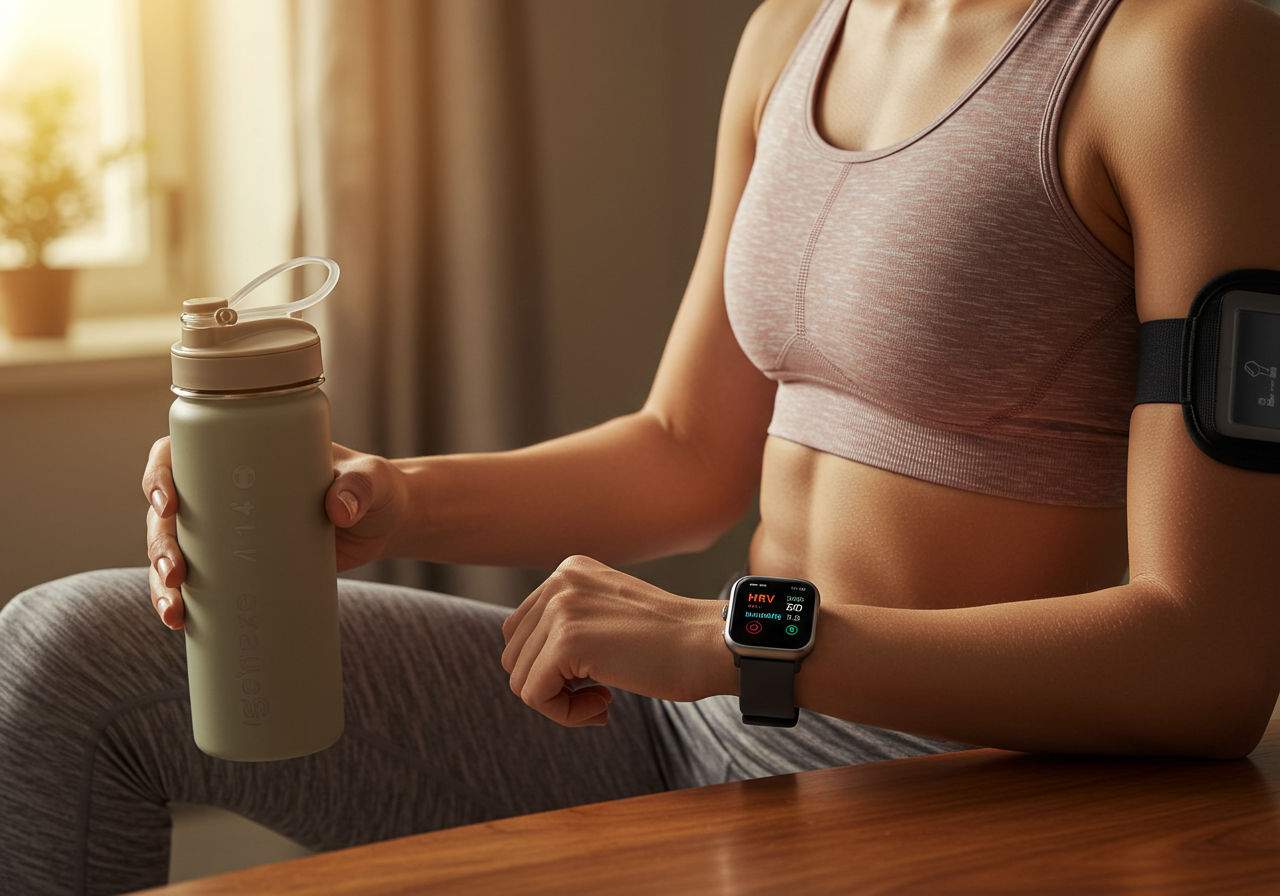
If you use HRV (Whoop, Oura, Garmin), treat it as a trend. One off day is noise; a 3–4 day dip means ease back or shorten intervals.
Real‑world cue: on hot days, I pre‑load with a light electrolyte drink during my warm‑up jog and start slower. My late‑run pace is steadier and I finish with fewer cramps.
Eight-Week Plan Scales Training with Recovery Metrics
Use this 8‑week outline to scale training while dialing sleep and hydration. Keep most work in Zone 2, sprinkle tempo/intervals as noted, and adjust to your recovery signals.
Table: 8‑week endurance progression integrating sleep and hydration
Weeks 1–2 (Beginner): 3 runs (2×30–40 min Z2, 1×45–60 min Z2); Sleep: 7+ h; Hydration: set baseline, run sweat test once.

Weeks 1–2 (Intermediate): 4 sessions (2×45–60 min Z2, 1×40 min with 2×6 min Z3, 1×70–80 min Z2); Sleep: 7.5–8.5 h.

Weeks 1–2 (Advanced): 5 sessions (2×60 min Z2, 1×40 min with 3×8 min Z3, 1×90 min Z2, 1 easy spin/cross); Sleep: 8 h avg.

Week 3: Add 5–10% volume; During: 0.4–0.6 L/h cool weather, 0.6–0.8 L/h warm, sodium included.

Week 4 (Deload): Cut volume by ~30%; Keep sleep strict; Review logs and adjust targets.

Week 5: Rebuild; Intermediate/Advanced add 4–6×3 min Z4 with full recovery; Practice race fueling.

Week 6: Longest long run so far (Beginner 70–80 min; Intermediate 90–110; Advanced 110–130); Start cool and sip early.

Week 7: Hold volume; Emphasize bedtime consistency; If HRV drops 3 days, scale intensity.

Week 8: Sharpen: short tempo (2×10–12 min Z3) + reduced long run; Race rehearsal hydration and breakfast.
Notes
Walk‑run is fine for beginners. Stay relaxed and nasal‑breathing friendly in Z2.
Cyclists: match time and zones; swap running long day with steady ride.
If heat rises, reduce pace and increase fluids/electrolytes. Focus on finishing strong, not split times.
Monitor Heart Rate and Adjust for Overtraining
Weekly frequency: 3–5 endurance sessions for most people. Keep 70–85% of time in Zone 2. Add one tempo or interval day only when sleep has been steady for a week.
Monitoring: track a 7‑day average for sleep, morning weight, and HRV/readiness. Rising resting heart rate or persistent fatigue means back off for 2–3 days.
Troubleshooting plateaus: add a deload week, bump carbs around hard sessions, or split long workouts into two cooler parts if heat is brutal.
Overtraining flags: mood dips, poor sleep, stubborn soreness, performance drop for 3–5 days. Respond by cutting intensity and prioritizing earlier bedtime.
Dehydration vs. hyponatremia: drinking only water in long events can dilute sodium. Include electrolytes on efforts over ~60–90 minutes, especially in heat.
GI distress: start fluids and gels early at low doses; increase gradually so your gut adapts. Warm‑weather drinks can taste sweeter—dilute slightly if needed.
Cramps: usually multifactorial (fatigue, pacing, electrolytes). Pace conservatively, keep sodium consistent, and strengthen calves and hamstrings.
Client notes
Mia, 38, moved bedtime earlier by 30 minutes and added a simple sodium plan on long runs. After four weeks, her easy pace felt lighter and she reported a smoother 10K, trimming roughly a minute without pushing harder. Jay, a newer cyclist, struggled in heat; pre‑loading a small electrolyte drink and starting cooler steadied his heart rate in similar rides.
Validation tests
Every 4–6 weeks, repeat a steady 30–40 minute Zone 2 loop in similar weather. Look for lower average heart rate or improved pace at the same RPE.
If you track HRV, compare the trend line across training blocks. A stable or improving trend alongside better long‑run consistency is a green light.
Next steps: save this plan, set your sleep window tonight, schedule a sweat test this week, and log everything in Strava or Garmin. If you want my template tracker (sleep + hydration + training).
Medical Disclaimer: The information provided on this website is for informational and educational purposes only and is not intended as personal medical or health advice. The content, including text, graphics, and images, is not a substitute for professional medical advice, diagnosis, or treatment. Always seek the advice of your physician or other qualified healthcare provider…
Medical Disclaimer: The information provided on this website is for informational and educational purposes only and is not intended as personal medical or health advice. The content, including text, graphics, and images, is not a substitute for professional medical advice, diagnosis, or treatment. Always seek the advice of your physician or other qualified healthcare provider…
Medical Disclaimer: The information provided on this website is for informational and educational purposes only and is not intended as personal medical or health advice. The content, including text, graphics, and images, is not a substitute for professional medical advice, diagnosis, or treatment. Always seek the advice of your physician or other qualified healthcare provider…
Medical Disclaimer: The information provided on this website is for informational and educational purposes only and is not intended as personal medical or health advice. The content, including text, graphics, and images, is not a substitute for professional medical advice, diagnosis, or treatment. Always seek the advice of your physician or other qualified healthcare provider…
Medical Disclaimer: The information provided on this website is for informational and educational purposes only and is not intended as personal medical or health advice. The content, including text, graphics, and images, is not a substitute for professional medical advice, diagnosis, or treatment. Always seek the advice of your physician or other qualified healthcare provider…
Medical Disclaimer: The information provided on this website is for informational and educational purposes only and is not intended as personal medical or health advice. The content, including text, graphics, and images, is not a substitute for professional medical advice, diagnosis, or treatment. Always seek the advice of your physician or other qualified healthcare provider…