Medical Disclaimer: The information provided on this website is for informational and educational purposes only and is not intended as personal medical or health advice. The content, including text, graphics, and images, is not a substitute for professional medical advice, diagnosis, or treatment. Always seek the advice of your physician or other qualified healthcare provider with any questions you may have regarding a medical condition or before starting any new exercise, nutrition, or supplement program. Never disregard professional medical advice or delay in seeking it because of something you have read on this blog. Reliance on any information provided by this site is solely at your own risk.
Simple Walk-Run Protocol to Rebuild Running Safely
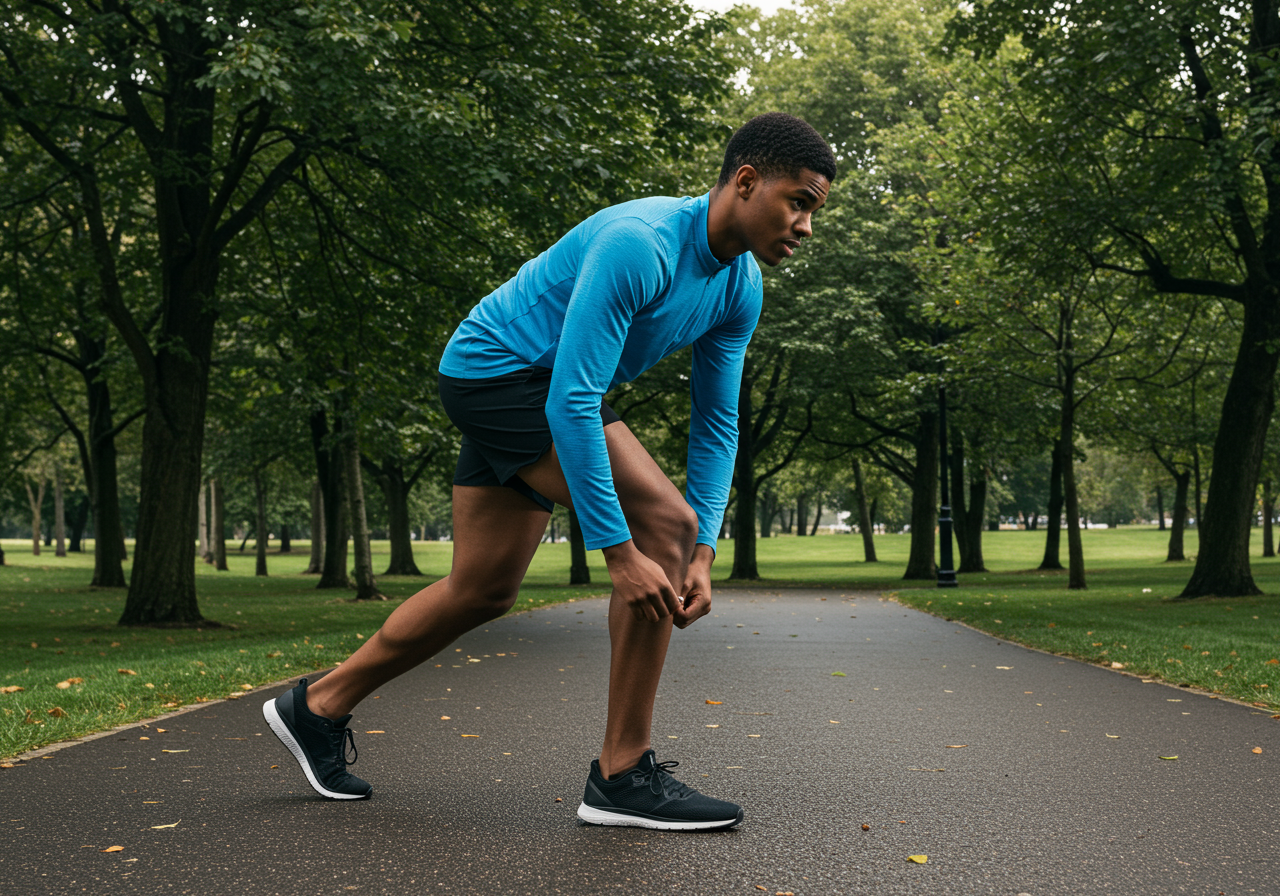
Post-Injury Return-to-Run Protocol made simple: here’s how I rebuild running safely after an injury without losing fitness.
Direct answer: Start with pain-free walk‑run intervals, progress minutes each week only if pain stays 0–2/10 and resolves within 24 hours.
In the next minutes, you’ll learn a complete, staged system: readiness checks, walk‑run structure, strength and mobility support, progress rules, and how to measure success using heart rate, RPE, and pain logs.
Why Load Control and Pain Monitoring Prevent Re-Injury
Returning too fast risks re-injury; going too slow erodes fitness. A smart rebuild balances tissue capacity with cardiovascular demand. Bone, tendon, and fascia adapt to graded load through remodeling; too much strain without recovery disrupts that process.
In practice and across sports medicine guidance, successful returns prioritize: load control (minutes and pace), symptom response (pain 0–2/10 that settles within a day), and cross-training to keep aerobic capacity. Collagen responds to strength work, especially for calf–Achilles, while low-impact cardio maintains VO2 without pounding.
Client results vary. In my coaching log, most recreational runners regain 20–40 minutes continuous running within 6–12 weeks when they respect pain rules, monitor heart rate, and maintain consistent calf/hip strength. When these pillars are ignored, plateaus and flare-ups are common.
Readiness Checks, Warm-Ups, and Walk-Run Structure Explained
Here’s the system I use with new and returning runners. Have a clinician clear serious injuries (stress fracture, significant tendon tear, post-op).
Readiness check (2–7 days baseline): Daily walk 20–30 min without symptom spike; pain at rest 0–1/10; single-leg hop 10 reps pain ≤2/10; single-leg calf raises 20+ smooth each side; easy stairs okay.
Pain rules: During and after runs, pain stays 0–2/10, no limp, and symptoms settle to baseline within 24 hours. If not, cut the next session by ~30–50% or repeat the previous step.
Warm-up (8–10 min): Brisk walk 5 min, dynamic drills (20–30 m each): ankle rocks, leg swings, marching A-steps, short skips. Finish with 3 x 10–15 second easy strides if symptom-free.
Walk‑run structure (starter session): 1:1 run/walk x 10–12 cycles (20–24 min). Run segments at conversational effort (RPE 3–4, Zone 2). Cadence: shorten stride and aim for +5–10% above your comfortable walking-to-jog transition cadence if form feels heavy.
Form cues: Quiet feet, tall torso, slight forward lean from ankles, elbows back, land under center of mass. Keep hills and cambered roads for later phases.
Frequency: Start 3 sessions/week on nonconsecutive days. Fill off-days with cycling, elliptical, or pool running 20–40 min Zone 2 to protect aerobic base.
Strength (2 days/week, 25–35 min):
Calf raise (knee straight) 3 x 10–15 @ RPE 7–8
Soleus raise (knee bent) 3 x 12–20 @ RPE 7–8
Step-down or split squat 3 x 8–12
Hip hinge (Romanian deadlift or kettlebell deadlift) 3 x 6–10
Glute bridge or hip thrust 3 x 10–12
Optional footwork: short-foot holds and towel scrunches 2 x 30–45 s
Mobility: After sessions, 5–8 minutes total. Prioritize calf/ankle dorsiflexion, gentle hip flexor, and hamstring gliders. Keep stretches mild; no aggressive pain.
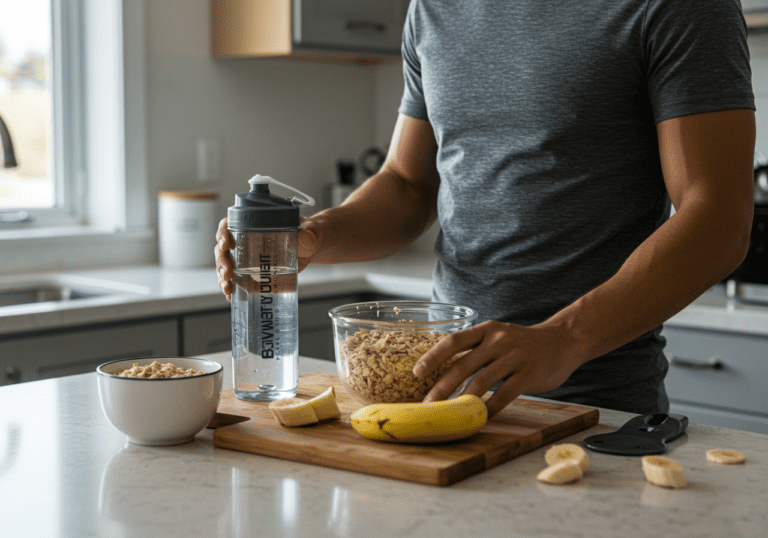
Recovery: Protein 1.6–2.2 g/kg/day, carbs around training, 7–9 hours sleep, and hydration to pale-yellow urine. Some runners find 10–15 g gelatin or collagen plus vitamin C 30–60 minutes before strength helpful for tendons; discuss with a professional.
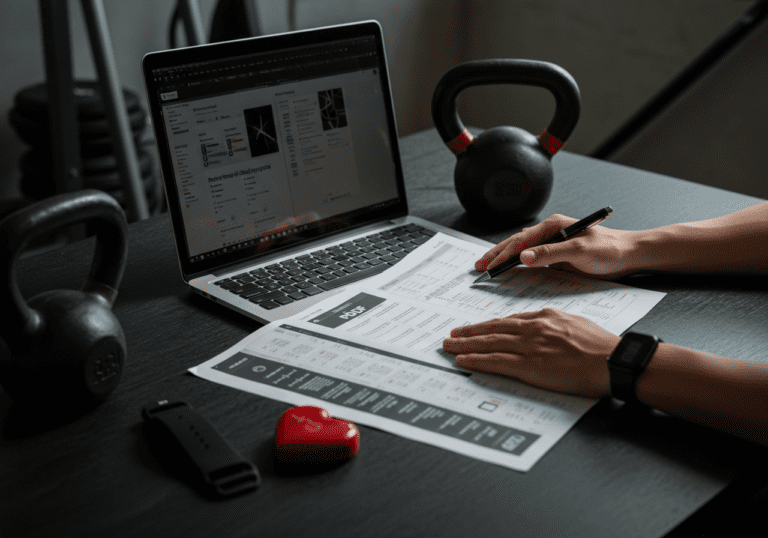
Tracking: Log pain (0–10), RPE, minutes run, and morning readiness. I use Garmin for HR/Zones, Strava for sessions, and MyFitnessPal for nutrition. A simple note like “2/10 tightness, cleared by next morning” guides progression.
Example starter workout (from my notes): 5 min brisk walk; 1 min run / 1 min walk x 10 at HR Zone 2 (60–70% max), cadence ~165–175 on run bouts; finish with 5 min easy walk and light calf stretch. Total ~25 minutes.
Testimonial (summarized): Jess, a teacher with a mild tibial stress reaction, used this template. She reported pain ≤2/10 throughout, and reached 30 minutes continuous by week 8. Individual timelines vary.
12-Week Progression from Intervals to Continuous Running
Advance only when pain rules are met for two consecutive sessions. If symptoms linger >24 hours, back up one step or reduce volume 30–50%.
12-week return path, minutes and cues (pain ≤2/10, conversation pace):
Caption: Sample progression from walk-run to steady running and gentle workouts.

Week 1: 1:1 x 10–12 (20–24 min). 3 sessions. Zone 2. Flat routes.

Week 2: 2:1 x 8–10 (24–30 min). 3 sessions. Keep cadence snappy.

Week 3: 3:1 x 6–8 (24–32 min). 3 sessions. Add 4 x 10s relaxed strides if pain-free.

Week 4: 4:1 x 5–6 (25–30 min). 3 sessions. One cross-train day 30–40 min.

Week 5: Continuous 20–25 min (2–3 runs). Optional: 4 x 20s strides post-run.

Week 6: Continuous 25–30 min (2–3 runs). Longest run +10–15% if pain-free.

Week 7: Continuous 30–35 min (3 runs). Add gentle hill walk finishes (no hard climbs).

Week 8: 2 runs 30–35 min + 1 session 6 x 30s brisk (RPE 5) w/ 90s easy.

Week 9: 35–40 min steady + 6 x 20–30s strides; 1 cross-train 40 min.

Week 10: 40–45 min steady; optional: 10 min tempo-lite (RPE 4–5) inside run.

Week 11: 45 min steady; strides 6–8 x 20s; one hill session 6 x 20s gentle grade.

Week 12: 45–50 min steady; optional: 20–25 min continuous tempo-lite or parkrun easy.

Strength each week: 2 sessions as listed; deload volume 30% every 4th week if needed.
Beginner: Stay in Zone 2, repeating weeks as needed. Intermediate: Add one short tempo-lite segment by weeks 8–10. Advanced: Reintroduce workouts carefully—one stimulus per week (e.g., strides or hill sprints), not both.
Progress checks: single-leg calf raises to 25–30 per side without discomfort; hop test symmetrical feel; long run extended by 5–15% only when post-run status is clear by next morning.
Frequency Guidelines, Common Mistakes, and Red Flags
Frequency and intensity: Most do well with 3 runs/week at conversational pace for 4–6 weeks. Layer one small quality dose (strides or short hills) after steady consistency.
Common mistakes: Jumping pace before minutes, adding hills too soon, and skipping calf/soleus strength. Shoes with huge bounce can tempt overspeed—start in familiar trainers.
Monitoring: Use RPE plus HR. Watch morning readiness (resting HR or HRV) and ankle/calf soreness. A 2–3 day cluster of elevated fatigue signals a volume trim.
Troubleshooting plateaus: Hold volume steady for 1–2 weeks, increase strength emphasis (especially soleus), swap one run for pool running, and add an extra rest day.
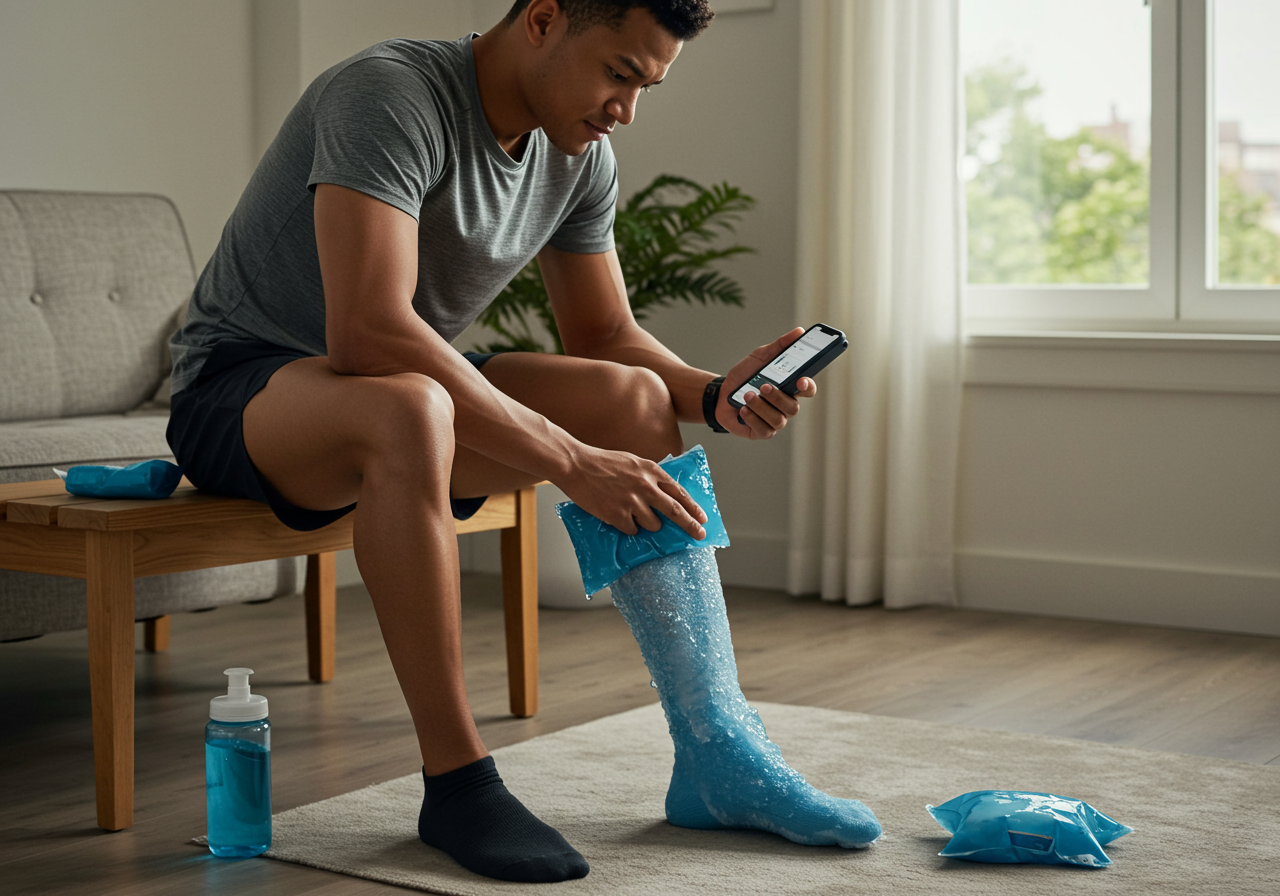
Overtraining/red flags: Night pain, swelling, limping, or pain >3/10—pause running and consult a clinician. Sharp bone pain needs medical screening.
Nutrition and recovery: Distribute protein across meals, include carbs pre/post run, and prioritize sleep. Light mobility before bed can calm stiffness.
Results in practice: Many clients reach 30–45 minutes continuous by weeks 8–12 when they log diligently and respect pain rules. Some need more time, and that’s normal.
Next steps: When you can run 45–50 minutes steady, shift to goal-specific cycles (5K, trail, or fitness runs). Keep strength twice weekly to bulletproof tissue.
Client note: Marco returned from Achilles tendinopathy using this template. He logged pain 0–2/10 by week 3, regained 40-minute steady runs by week 10, and kept two strength days to stay symptom-free. Individual responses vary.
Medical Disclaimer: The information provided on this website is for informational and educational purposes only and is not intended as personal medical or health advice. The content, including text, graphics, and images, is not a substitute for professional medical advice, diagnosis, or treatment. Always seek the advice of your physician or other qualified healthcare provider…
Medical Disclaimer: The information provided on this website is for informational and educational purposes only and is not intended as personal medical or health advice. The content, including text, graphics, and images, is not a substitute for professional medical advice, diagnosis, or treatment. Always seek the advice of your physician or other qualified healthcare provider…
Medical Disclaimer: The information provided on this website is for informational and educational purposes only and is not intended as personal medical or health advice. The content, including text, graphics, and images, is not a substitute for professional medical advice, diagnosis, or treatment. Always seek the advice of your physician or other qualified healthcare provider…
Medical Disclaimer: The information provided on this website is for informational and educational purposes only and is not intended as personal medical or health advice. The content, including text, graphics, and images, is not a substitute for professional medical advice, diagnosis, or treatment. Always seek the advice of your physician or other qualified healthcare provider…
Medical Disclaimer: The information provided on this website is for informational and educational purposes only and is not intended as personal medical or health advice. The content, including text, graphics, and images, is not a substitute for professional medical advice, diagnosis, or treatment. Always seek the advice of your physician or other qualified healthcare provider…
Medical Disclaimer: The information provided on this website is for informational and educational purposes only and is not intended as personal medical or health advice. The content, including text, graphics, and images, is not a substitute for professional medical advice, diagnosis, or treatment. Always seek the advice of your physician or other qualified healthcare provider…