Medical Disclaimer: The information provided on this website is for informational and educational purposes only and is not intended as personal medical or health advice. The content, including text, graphics, and images, is not a substitute for professional medical advice, diagnosis, or treatment. Always seek the advice of your physician or other qualified healthcare provider with any questions you may have regarding a medical condition or before starting any new exercise, nutrition, or supplement program. Never disregard professional medical advice or delay in seeking it because of something you have read on this blog. Reliance on any information provided by this site is solely at your own risk.
Quick warm-ups, less stiffness, and consistent training
A massage gun can quickly upgrade your warm-ups, reduce post-workout stiffness, and help you stay consistent. Today you’ll learn how to blend it into strength, cardio, mobility, and daily recovery—safely and effectively.
Direct answer — Use a massage gun on relaxed muscles for 1–2 minutes per area, avoid bones, and keep pressure comfortable.
Blood flow boost and nervous system relaxation
Percussive therapy (massage gun work) increases local blood flow and can decrease perceived muscle stiffness. In practice and in peer-reviewed research, brief sessions before training may improve range of motion without harming strength, and short post-session passes can ease soreness for some people.
Equally important is the nervous system effect: slow breathing while using low-to-moderate intensity tends to nudge the body toward relaxation, which supports recovery and consistent training. Within a complete program—cardio, strength, and mobility—this tool helps you move sooner with less tightness so you can train more regularly.
Safety comes first. Avoid use over open wounds, acute injuries, varicose veins, bony prominences, and areas with reduced sensation. If you have a pacemaker, clotting disorder, are pregnant, or have any medical condition, get clinician clearance. When in doubt, skip the tool and choose gentle movement and mobility instead.
Six-step warm-up and recovery protocol explained
Below is the practical system I teach new lifters and runners. It integrates percussive therapy into your day without turning recovery into a second job.
Readiness check (30–60 seconds): Scan for red flags: sharp pain, swelling, numbness, or recent injury. If present, skip the gun and use gentle mobility or walk.
Warm-up flow (6–10 minutes): • 3–5 minutes easy cardio (walk, bike). Breathe through the nose. • Dynamic mobility: 5–8 reps each of leg swings, arm circles, hip hinges. • Primer pass with the massage gun: 30–45 seconds per target muscle you’ll train (e.g., quads, glutes, calves for lower body; pecs, lats, delts for upper). Angle the head at ~45°, use slow sweeps, light-to-moderate pressure.
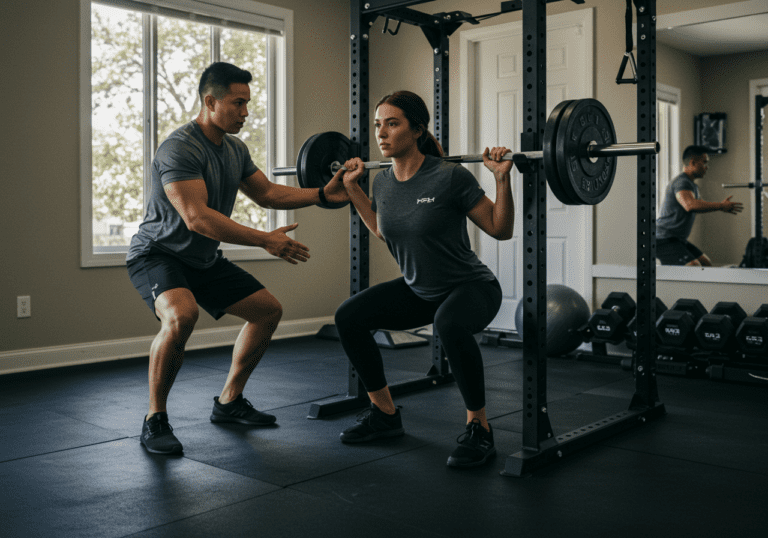
Main strength work (20–35 minutes): Focus on 3–5 big moves. For example: • Lower: goblet squat 3×8–12 (RPE 6–7), Romanian deadlift 3×8–10, calf raise 2×12–15. • Upper: push-up or incline press 3×6–10, one-arm row 3×8–12, face pull or band pull-apart 2×15. Rest 60–90 seconds, maintain smooth reps. The massage gun stays on the sideline except for a 10–15 second quick pass between sets if a muscle feels tight—optional, not required.
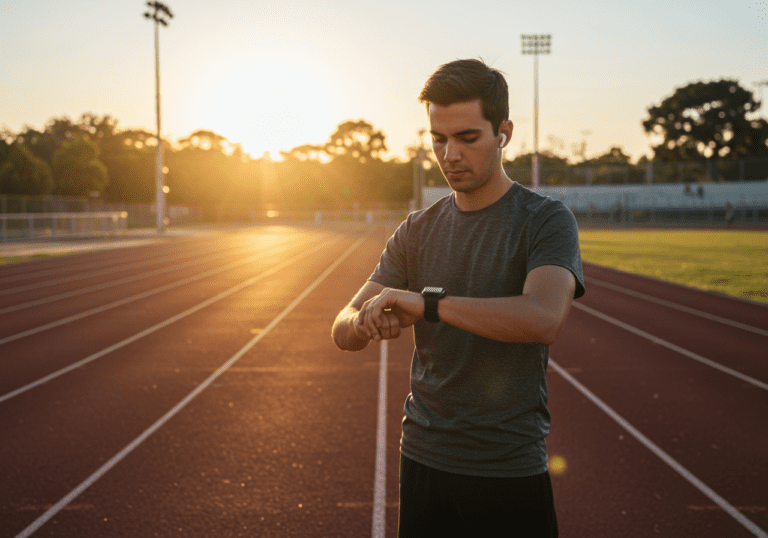
Cardio block (2–4 days/week): • 2 x Zone 2 sessions (20–45 minutes, conversational pace). • Optional intervals: 6–10 rounds of 45 seconds hard / 75 seconds easy (keep form crisp). Pre-cardio: 30 seconds per calf/quad/glute if you feel stiff. Post-cardio: 1 minute per area you used most.
Cooldown + post-session flush (5–10 minutes): • Easy walking 2 minutes, then nasal breathing for 1–2 minutes. • Massage gun: 1–2 minutes per worked area. Keep pressure comfortable, avoid bones, move slowly. • Finish with 2–3 gentle stretches (20–30 seconds) for the most-used muscles.
Off-day recovery (10–15 minutes): Walk 10 minutes, then massage gun 60–90 seconds per stiff area, followed by mobility (e.g., 90/90 hips, thoracic rotations). This is where most soreness relief shows up.
Technique cues for the massage gun: • Pressure: light-to-moderate; if the skin blanches or you brace to tolerate it, lighten up. • Speed: slow sweeps (~1–2 inches per second); let the head glide. • Timing: total dose 5–10 minutes per session. Park on tender spots for 10–20 seconds, but don’t chase pain. • Areas to skip: spine, joints, front of neck, bony points (kneecap, shin), and any area with bruising or numbness.
Tracking: Note RPE, minutes in heart-rate zones (Garmin/Polar/Fitbit), soreness (0–10), and sleep (7–9 hours goal). Apps I use: Garmin for HR/Zones, Strava for runs/rides, and a simple notes app for sets/reps and gun usage.
From my training log (example day): 35 minutes Zone 2 run at 136–142 bpm (Garmin), then goblet squats 3×10 @ 24 kg and one-arm rows 3×10 @ 24 kg. Massage gun: 45 seconds quads/glutes pre-run, 90 seconds calves post-run. Soreness next day: 2/10 vs my usual 4/10 when I skip the flush.
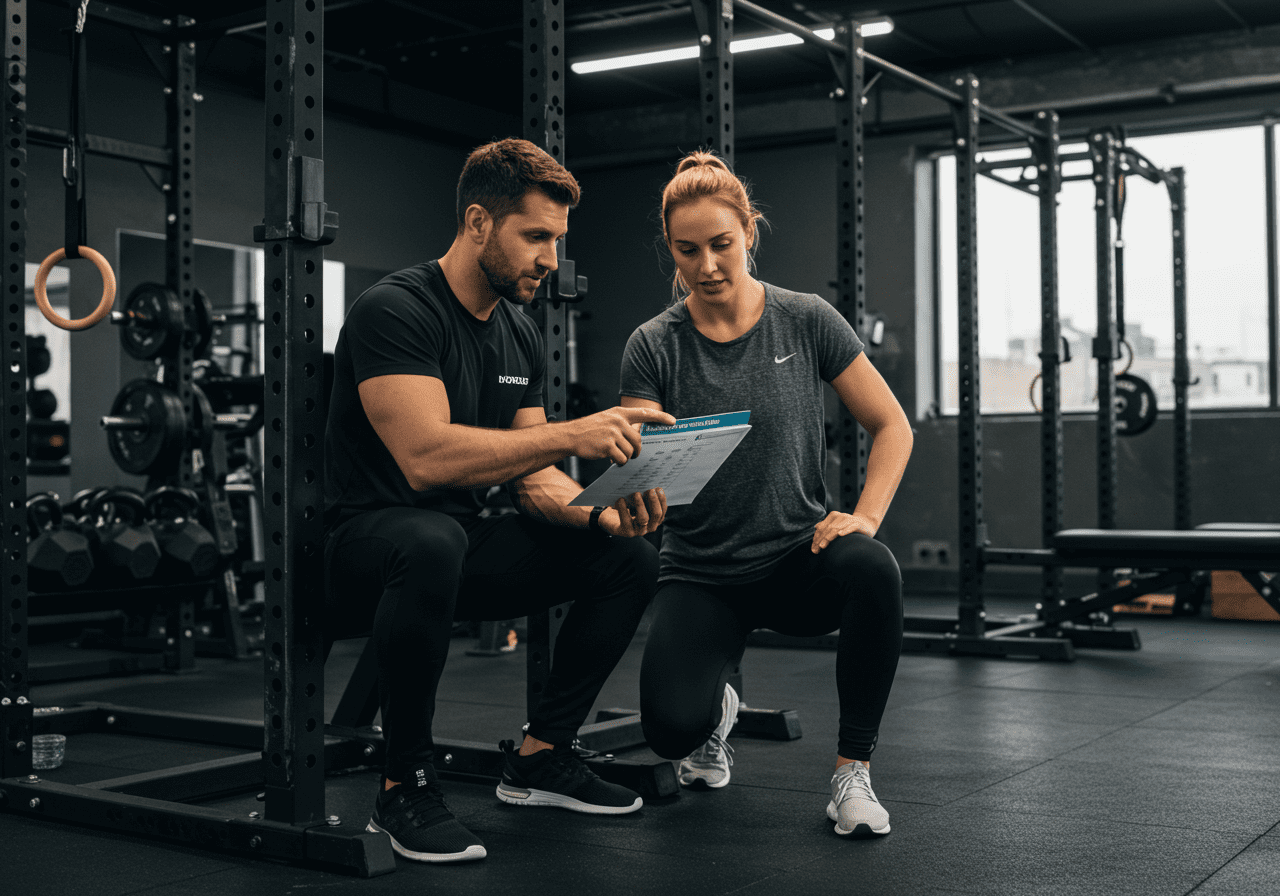
Client note: Maya (42, desk job) added a 5-minute primer and 6-minute flush around her two strength days. After 3 weeks, she reported less next-day thigh tightness and reached overhead more comfortably—subjective but consistent with what I see in new trainees.
Twelve-week plan from beginner to advanced
Use this at-a-glance progression to scale training and massage gun time. Increase slowly, keeping sessions high-quality.
12-week progression overview (frequency, intensity, and massage gun dosage)
Weeks 1–4 (Beginner): 2 strength days; 2 cardio days (20–30 min Zone 2); daily 5–10 min mobility; primer 30–45s/muscle; flush 60–90s/area.

Weeks 5–8 (Intermediate): 3 strength days; 2–3 cardio days (1 interval day); mobility 10–12 min; primer 45–60s/muscle; flush 90–120s/area.

Weeks 9–12 (Advanced): 3–4 strength days; 3 cardio days (1 longer Zone 2, 1 interval); mobility 12–15 min; primer 45–60s/muscle; flush 90–120s/area; 1 deload week as needed.
How to progress:
Strength: add 2.5–5% load or 1 rep per set when last reps feel solid (RPE ≤7). If form slips, hold or reduce.
Cardio: extend Zone 2 by 5 minutes or add one interval every 1–2 weeks, not both.
Massage gun: cap total use at ~10 minutes/session; don’t replace movement with longer gun sessions.
Deload: every 4–8 weeks, cut sets by ~30–40% and keep the gun for short flushes.
Milestones to watch: easier first warm-up set, fewer stiffness spikes midweek, steady sleep, and stable morning energy. If these trend downward, back off volume for 5–7 days.
Frequency guidelines and common pressure mistakes
Frequency: Most beginners do well with 4–6 training touchpoints per week (strength + cardio + mobility), with the massage gun used 3–6 times for short, focused sessions.
Intensity: Keep most strength work at RPE 6–8, intervals crisp but not maximal, and Zone 2 conversational. The gun should feel soothing, not like deep tissue punishment.
Common mistakes: pressing too hard, lingering on painful spots, replacing warm-ups with gun work, and using it over joints/bones. If your next-day soreness increases or bruising appears, you did too much.
Troubleshooting: • Plateaus: reduce total weekly sets by 20–30% for one week; keep mobility and short flushes. Resume with slightly lower volume. • Overtraining signs: disrupted sleep, elevated resting HR, irritability—cut intervals, prioritize Zone 2 walks, and shorten gun sessions to 3–5 minutes total. • Motivation dips: schedule 20-minute “minimum viable” sessions; pair a 3-minute primer pass with a single main lift and a brisk walk. • Local aches: if a spot is hot/swollen, avoid the gun and see a clinician; choose isometrics and gentle range work instead.
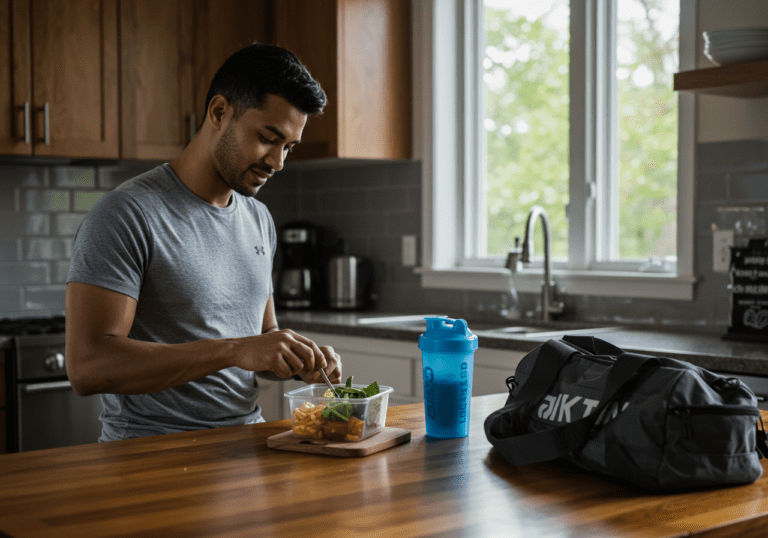
Nutrition & recovery: Aim for 1.6–2.2 g/kg protein, regular carbs around training, and hydrate with a pinch of electrolytes on hot days. Most lifters do well with 7–9 hours of sleep; a 10-minute wind-down breathwork session pairs nicely with a brief post-flush. Track energy and soreness alongside calories in MyFitnessPal if body composition is a goal.
Monitoring: Use Strava or your watch app for HR zones and pace, and a simple 1–10 wellness check each morning. If the score drops 2+ points for three days, lighten the week.
Results you can expect: In my practice, beginners often report easier warm-ups within 1–2 weeks and modest soreness reductions with brief post-session flushes. Mobility tends to improve when the gun is paired with movement (e.g., hip work after glute/quad passes). Individual response varies—stay attentive and adjust.
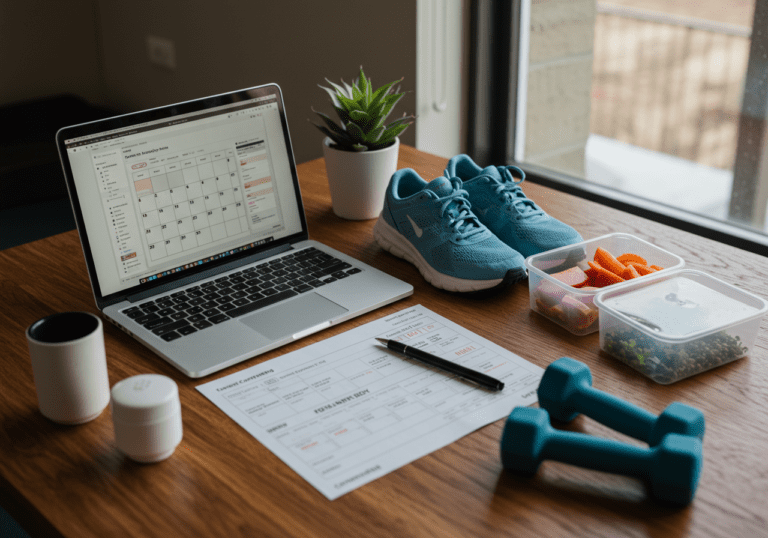
Next steps: Save this plan, set 2–3 recurring alerts for sessions, and start logging. If you want my templates and timers.
Medical Disclaimer: The information provided on this website is for informational and educational purposes only and is not intended as personal medical or health advice. The content, including text, graphics, and images, is not a substitute for professional medical advice, diagnosis, or treatment. Always seek the advice of your physician or other qualified healthcare provider…
Medical Disclaimer: The information provided on this website is for informational and educational purposes only and is not intended as personal medical or health advice. The content, including text, graphics, and images, is not a substitute for professional medical advice, diagnosis, or treatment. Always seek the advice of your physician or other qualified healthcare provider…
Medical Disclaimer: The information provided on this website is for informational and educational purposes only and is not intended as personal medical or health advice. The content, including text, graphics, and images, is not a substitute for professional medical advice, diagnosis, or treatment. Always seek the advice of your physician or other qualified healthcare provider…
Medical Disclaimer: The information provided on this website is for informational and educational purposes only and is not intended as personal medical or health advice. The content, including text, graphics, and images, is not a substitute for professional medical advice, diagnosis, or treatment. Always seek the advice of your physician or other qualified healthcare provider…
Medical Disclaimer: The information provided on this website is for informational and educational purposes only and is not intended as personal medical or health advice. The content, including text, graphics, and images, is not a substitute for professional medical advice, diagnosis, or treatment. Always seek the advice of your physician or other qualified healthcare provider…
Medical Disclaimer: The information provided on this website is for informational and educational purposes only and is not intended as personal medical or health advice. The content, including text, graphics, and images, is not a substitute for professional medical advice, diagnosis, or treatment. Always seek the advice of your physician or other qualified healthcare provider…