Medical Disclaimer: The information provided on this website is for informational and educational purposes only and is not intended as personal medical or health advice. The content, including text, graphics, and images, is not a substitute for professional medical advice, diagnosis, or treatment. Always seek the advice of your physician or other qualified healthcare provider with any questions you may have regarding a medical condition or before starting any new exercise, nutrition, or supplement program. Never disregard professional medical advice or delay in seeking it because of something you have read on this blog. Reliance on any information provided by this site is solely at your own risk.
Sync Tools, Track Progress, Build Training Systems
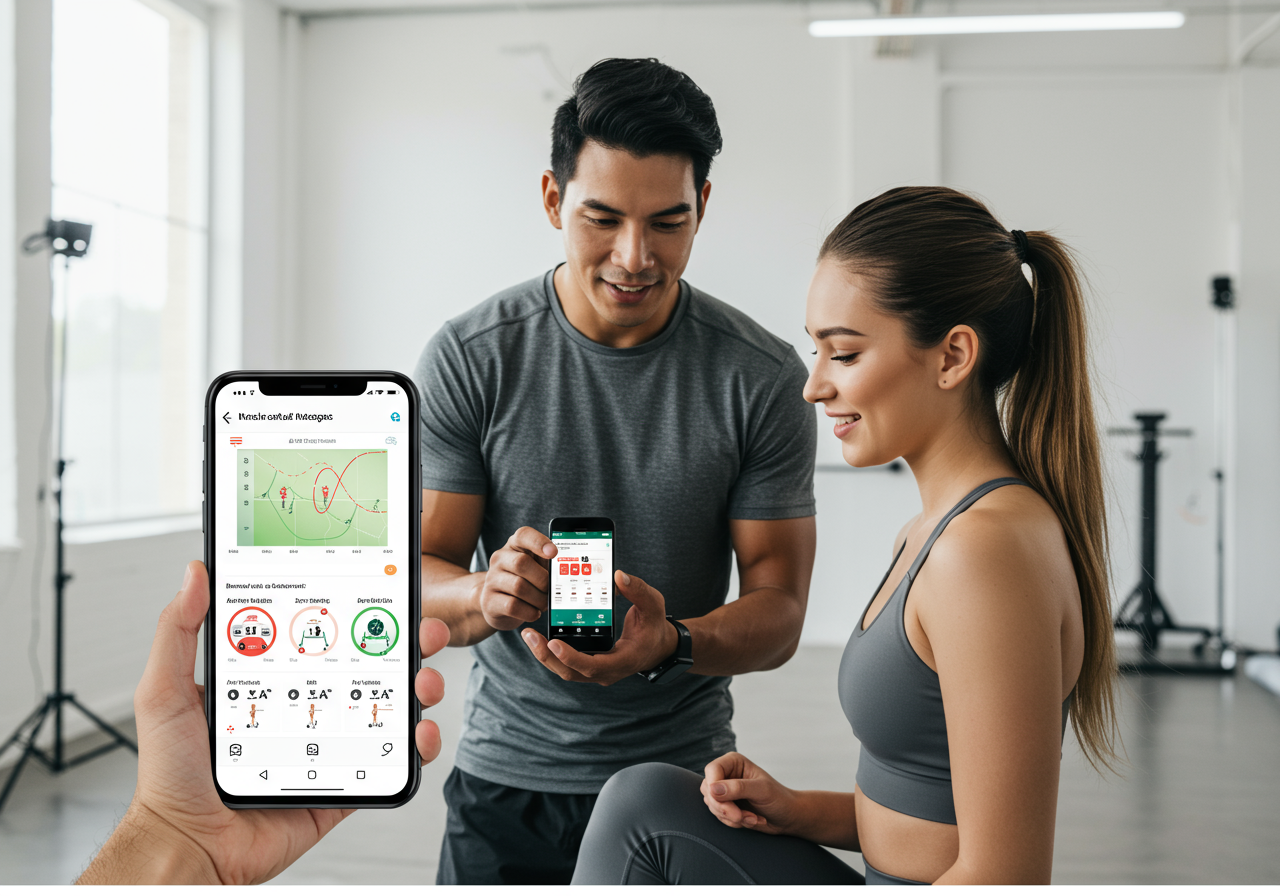
Online training platforms can speed up your results when you pair the right coaching tools with a clear, progressive plan. Pick tools that sync wearables, show coach credentials, provide periodized plans, and display simple progress dashboards.
In this guide, I’ll show you how I build a complete training system that integrates app selection, coaching, workouts, nutrition, and recovery—plus how to track progress and troubleshoot common roadblocks.
Data-Driven Decisions Improve Adherence and Performance
Training works when stimulus and recovery meet your current capacity. Cardio in the right heart rate zones builds aerobic base; progressive strength raises resilience; mobility preserves range so technique stays clean. Apps and coaching tools can remove guesswork—if they turn your data into clear decisions.
In practice, consistent logging improves adherence. A peer‑reviewed study suggests that people who track training and sleep maintain plans longer. My clients who use TrainingPeaks or Garmin Connect rarely miss sessions because the next workout is visible, timely, and measured. When platforms align with a sensible plan—periodization, deloads, and individual constraints—beginners improve reliably, intermediates overcome plateaus, and advanced lifters refine weak links.
I’ve tested platforms including Garmin Coach, TrainingPeaks, TrainerRoad, Zwift, and Strava. Pros: device sync, structured plans, accountability. Cons: noisy metrics, generic templates, and sometimes aggressive progression. The solution is a framework that audits any tool against your real needs.
Select Wearables, Platforms, and Verified Coaching
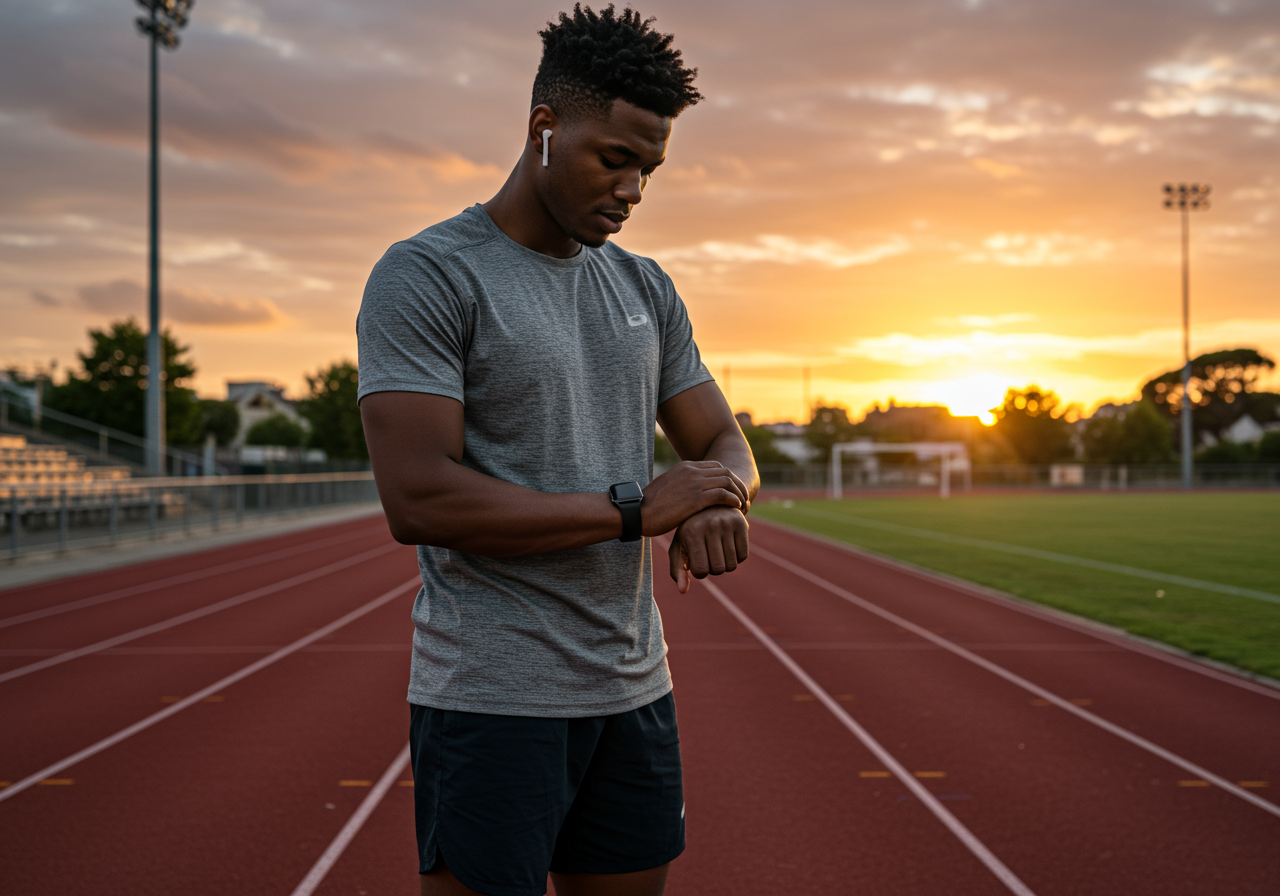
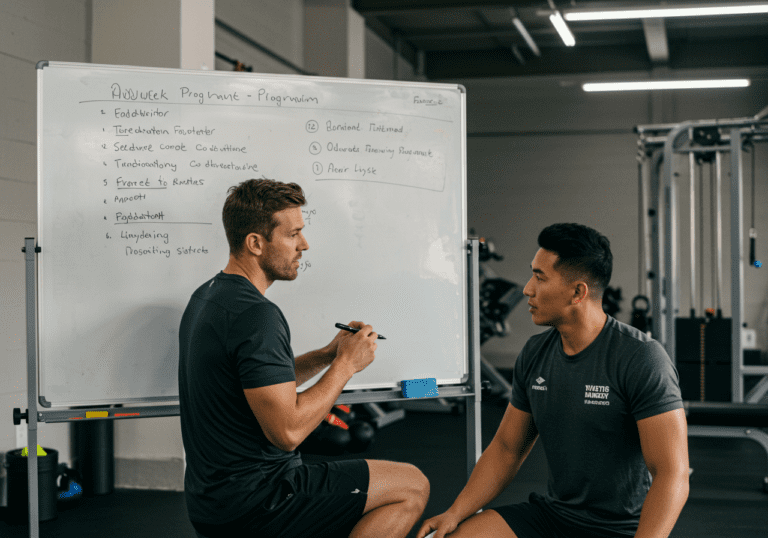
1) Choose your tech stack – Wearable: Garmin/Polar/Apple Watch; HR chest strap for accuracy. – Training hub: TrainingPeaks, Garmin Connect, Strava; cyclists may prefer TrainerRoad or Zwift for structured intervals. – Nutrition: MyFitnessPal or Cronometer; sleep/strain: Oura or WHOOP (optional). – Coaching: in‑app coach, local trainer, or hybrid. Verify credentials, experience with your goal, and communication cadence.
Platform evaluation checklist – Plan quality: periodized templates with deloads. – Personalization: adapts based on RPE/HRV/compliance. – Data integration: imports HR, GPS, power, and lifts. – Coach transparency: clear certifications and philosophy. – Usability: simple calendar, exportable logs, offline access. – Community/support: questions answered quickly; form checks if offered. – Privacy and cost: clear data policy; fair monthly price; free trial.
2) Establish baselines (week 0) – Cardio: 1‑mile brisk walk test or a 3‑minute step test; record HR at finish and 1‑min recovery. – Strength: choose a squat, hinge, push, pull, and carry. Estimate a 5‑rep load at RPE 7. – Mobility: 90/90 hip, ankle dorsiflexion wall test, and shoulder flexion. Note any pain or compensation. – Body metrics: morning bodyweight average across 7 days; optional waist measurement.
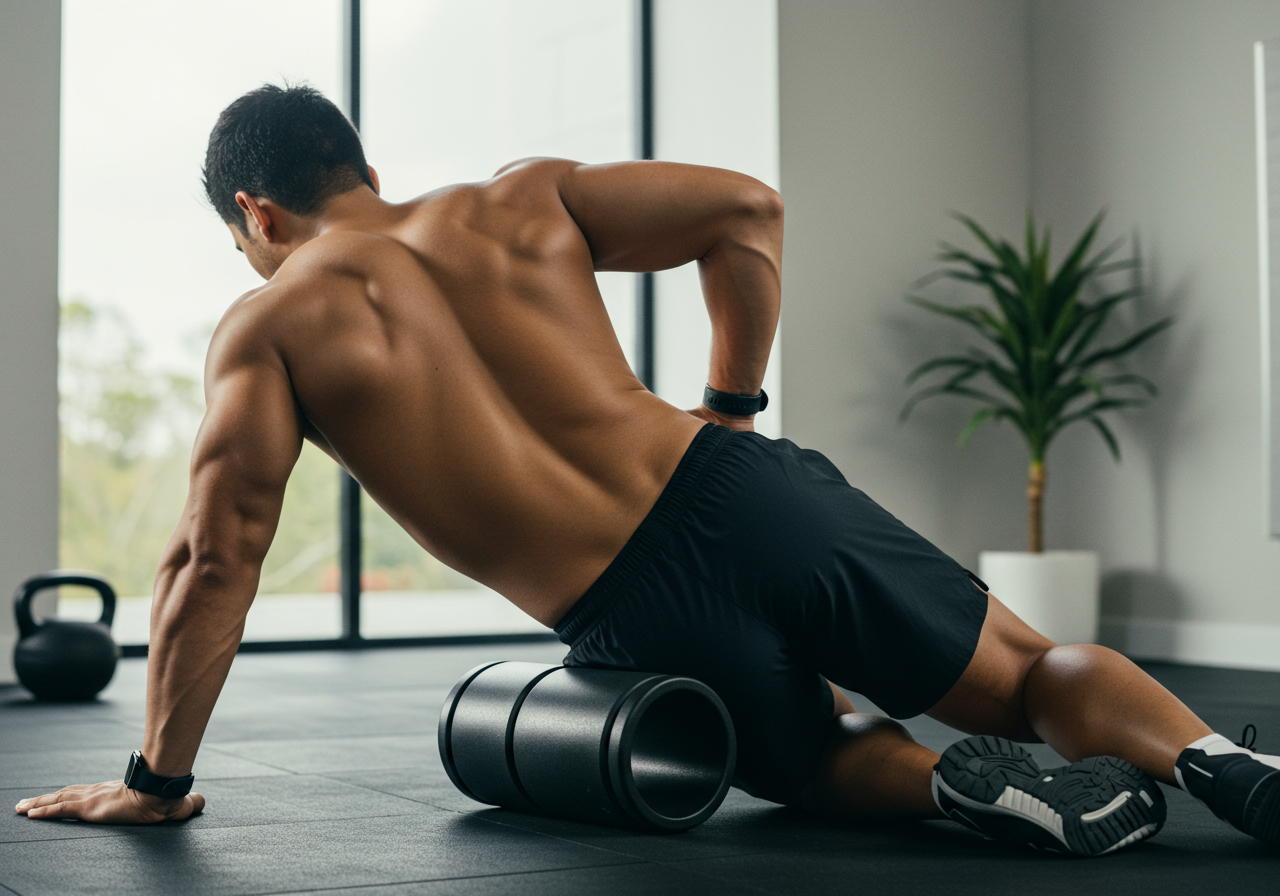
3) Build your weekly template – Cardio: 2 sessions Zone 2 (easy conversational), 1 session interval (e.g., 6 x 1 min hard, 2 min easy). – Strength: 2 full‑body days (squat/hinge/push/pull/core) at RPE 6–8. – Mobility: 10–15 minutes after sessions, focusing on joints that limit technique. – Recovery: 7–9 hours sleep; protein 1.6–2.2 g/kg/day; hydration goal: pale yellow urine.
4) Use app features wisely – Enable HR zone alerts and auto‑lap; set strength timers for rest periods. – Log RPE and a one‑line workout note (“felt flat” vs “snappy”). – Review weekly dashboards; look for trends, not single spikes. – If coached, message questions early—don’t wait until a plateau stalls you.
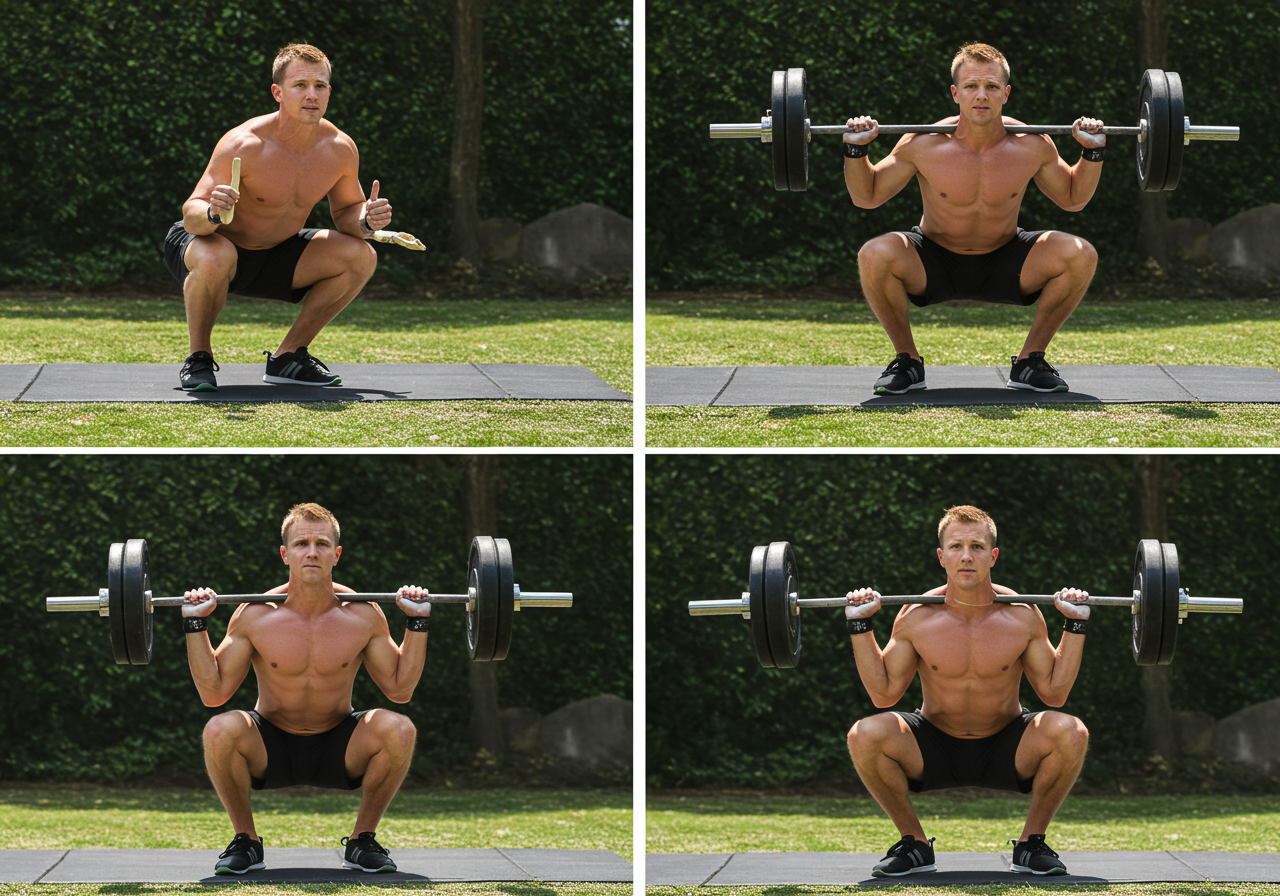
5) Real example from my log – 40‑minute Zone 2 run: avg HR 136 bpm, RPE 6, felt smooth. – Strength Day A: goblet squat 3×8 @ RPE 7, Romanian deadlift 3×8 @ RPE 7, push‑ups 3xAMRAP short of failure, one‑arm row 3×10, dead bug 3×10/side. – After 6 weeks, my easy pace improved ~10–20 s/mile at the same HR; this is typical in practice when consistency and recovery are solid.
6) Nutrition and recovery guardrails – New lifters cutting weight: small deficit (~300 kcal/day) while keeping protein high. – Sleep routine: fixed wake time, cool dark room, screens off 60 minutes before bed. – Optional supplements: creatine monohydrate 3–5 g/day; caffeine pre‑workout if tolerated. Always consult a professional if unsure.
Scale Volume and Intensity by Training Age
Choose a level based on training age and recovery. Progress by small steps, guided by RPE, heart rate, and movement quality.
Progression map—choose the level that matches your training age.
Beginner (0–6 months): Weeks 1–4: 2x/wk strength (3x8 @ RPE 6–7), 2x/wk Zone 2 (25–35 min), 1x short intervals (6x30s hard/90s easy). Weeks 5–8: Add a third strength set and extend Zone 2 to 35–45 min; intervals 6x45s/90s. Weeks 9–12: 2x/wk strength + 1x technique day (lighter, pause reps), Zone 2 40–50 min, intervals 8x45s/75s. Deload every 4th week (reduce volume by ~30%).

Intermediate (6–24 months): Weeks 1–4: Strength upper/lower split (4x6–8 @ RPE 7–8), Zone 2 2x40–60 min, 1x threshold intervals (3x6 min @ comfortably hard). Weeks 5–8: Add accessory supersets; intervals 4x5–6 min; single long Zone 2 up to 75 min. Weeks 9–12: Introduce microcycle focus (power or volume); include 1x VO2 block (5x3 min hard). Deload week 8 or 12.

Advanced (24+ months): Weeks 1–4: Periodized blocks with primary lift focus (e.g., squat 5x3 @ RPE 7–8), secondary lifts 3x5–8, Zone 2 2x50–70 min, 1x race‑pace or quality session. Weeks 5–8: Increase specificity—add tempos/cluster sets; run/cycle intervals polarized (very easy or hard). Weeks 9–12: Taper toward key test/race; reduce volume 30–50%, maintain intensity. Monitor HRV and subjective readiness daily.
How to adjust – If you miss >20% of sessions, repeat the current block. – If RPE spikes without load increase for 2 workouts, cut next session volume by 20% and review sleep/calories. – If technique degrades, stay at the same load and add pauses or tempo.
Frequency and intensity – Start with 4–5 total sessions/week (2 strength, 2 cardio, 1 mobility). – Keep most cardio easy (Zone 2). Reserve 1 hard session/week. Strength lives mostly at RPE 6–8.
Common mistakes – App‑hopping weekly; stick with one platform for at least 8–12 weeks. – Chasing readiness scores over simple trends (pace at a given HR, bar speed cues, or RPE). – Skipping deloads; schedule them the same way you schedule PR days.
Troubleshooting – Plateau: swap one accessory movement, add a set to your main lift, or extend easy aerobic volume by 10–15%. – Overreaching signs: elevated morning HR, poor sleep, cranky joints—reduce volume for 5–7 days, emphasize Zone 2, keep protein high. – Motivation dip: join a Zwift group ride or Strava challenge; ask your coach for a short test week to create a goal. – Niggles: use pain‑free ranges, tempo work, and isometrics; consult a clinician for persistent pain.
Result checks (every 4 weeks) – Cardio: repeat your 1‑mile brisk test or a 20‑minute submax effort and compare pace at the same HR. – Strength: repeat 5‑rep RPE 7 loads; aim for +2.5–5% if recovery holds. – Mobility: retest the most limited joint and note changes in depth or comfort. – Dashboard: TrainingPeaks/Strava weekly volume, compliance %, and average RPE. Improve consistency before chasing intensity.
Client snapshots “Maya, 42” used Garmin + TrainingPeaks; after 10 weeks she reported lower RPE at her usual pace and added 10 lb to her goblet squat while sleeping better. “Jon, 29” moved from random WODs to this template; his intervals felt sharper within three weeks. These outcomes are common in practice when adherence and recovery are strong.
Next stepsPick one platform, run the baseline week, and commit to the 12‑week progression above. Want my checklist and sample templates?.
Lessons I learned Early on I trusted fancy readiness scores and ignored my notes. Now I prioritize simple trends (pace at HR, RPE, and movement quality). The fewer dials I watch, the better I train.
Medical Disclaimer: The information provided on this website is for informational and educational purposes only and is not intended as personal medical or health advice. The content, including text, graphics, and images, is not a substitute for professional medical advice, diagnosis, or treatment. Always seek the advice of your physician or other qualified healthcare provider…
Medical Disclaimer: The information provided on this website is for informational and educational purposes only and is not intended as personal medical or health advice. The content, including text, graphics, and images, is not a substitute for professional medical advice, diagnosis, or treatment. Always seek the advice of your physician or other qualified healthcare provider…
Medical Disclaimer: The information provided on this website is for informational and educational purposes only and is not intended as personal medical or health advice. The content, including text, graphics, and images, is not a substitute for professional medical advice, diagnosis, or treatment. Always seek the advice of your physician or other qualified healthcare provider…
Medical Disclaimer: The information provided on this website is for informational and educational purposes only and is not intended as personal medical or health advice. The content, including text, graphics, and images, is not a substitute for professional medical advice, diagnosis, or treatment. Always seek the advice of your physician or other qualified healthcare provider…
Medical Disclaimer: The information provided on this website is for informational and educational purposes only and is not intended as personal medical or health advice. The content, including text, graphics, and images, is not a substitute for professional medical advice, diagnosis, or treatment. Always seek the advice of your physician or other qualified healthcare provider…
Medical Disclaimer: The information provided on this website is for informational and educational purposes only and is not intended as personal medical or health advice. The content, including text, graphics, and images, is not a substitute for professional medical advice, diagnosis, or treatment. Always seek the advice of your physician or other qualified healthcare provider…