Medical Disclaimer: The information provided on this website is for informational and educational purposes only and is not intended as personal medical or health advice. The content, including text, graphics, and images, is not a substitute for professional medical advice, diagnosis, or treatment. Always seek the advice of your physician or other qualified healthcare provider with any questions you may have regarding a medical condition or before starting any new exercise, nutrition, or supplement program. Never disregard professional medical advice or delay in seeking it because of something you have read on this blog. Reliance on any information provided by this site is solely at your own risk.
Transform cadence and stride into actionable training plans
How to read running metrics can transform your form, pacing, and injury risk. Today we’ll turn cadence, stride length, and ground contact time into a clear training plan.
Efficient running shows quick, relaxed cadence, stride landing under hips, and balanced ground contact times, measured first on easy runs before adding pace.
Peer-reviewed evidence links cadence to reduced joint loading
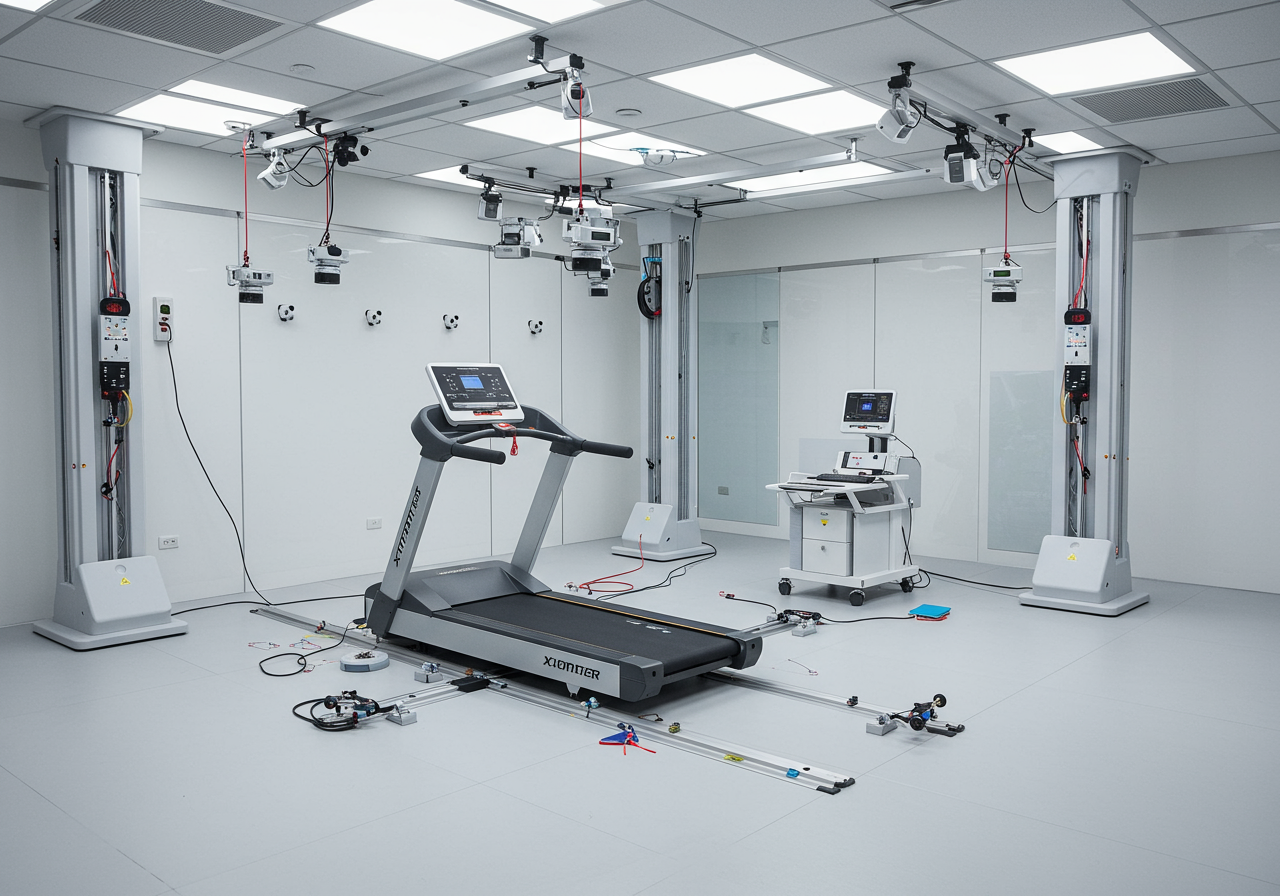
Cadence influences impact and braking. A modestly quicker step rate often lowers overstriding and vertical bounce. In peer‑reviewed work, small cadence increases can reduce joint loading without raising effort much, particularly at easy paces.
Stride length interacts with cadence. Overstriding can spike braking forces; a stride that lands near the center of mass usually feels smoother and preserves momentum. Ground contact time reflects stiffness and elastic return. On average, trained runners show shorter contact times at a given speed, but individual limb asymmetry matters—big left/right gaps can hint at strength or mobility deficits.
In client practice, nudging cadence while teaching posture and push (rather than reach) often improves perceived smoothness within weeks. Two recent beginners I coached reported fewer shin aches and steadier pacing after focusing on these cues and short hill strides. Your mileage may vary, but form-focused sessions tend to build durability.
Baseline testing with metronome drills and zone-two pace
Tools I use: Garmin or Polar for cadence/stride/contact time, Stryd or Run Dynamics Pod for extra detail, Strava or Garmin Connect for trend graphs, and a free metronome app. Optional: music playlists with target beats per minute (BPM).
Warm-up (8–10 min) — Easy jog, ankle circles, leg swings, and 2×20 seconds brisk strides. Keep heart rate in Zone 1–2.
Collect a baseline (20–30 min Z2) — Record cadence (spm), stride length, and ground contact time (ms). Ignore small swings from terrain or shoes; look for your average.
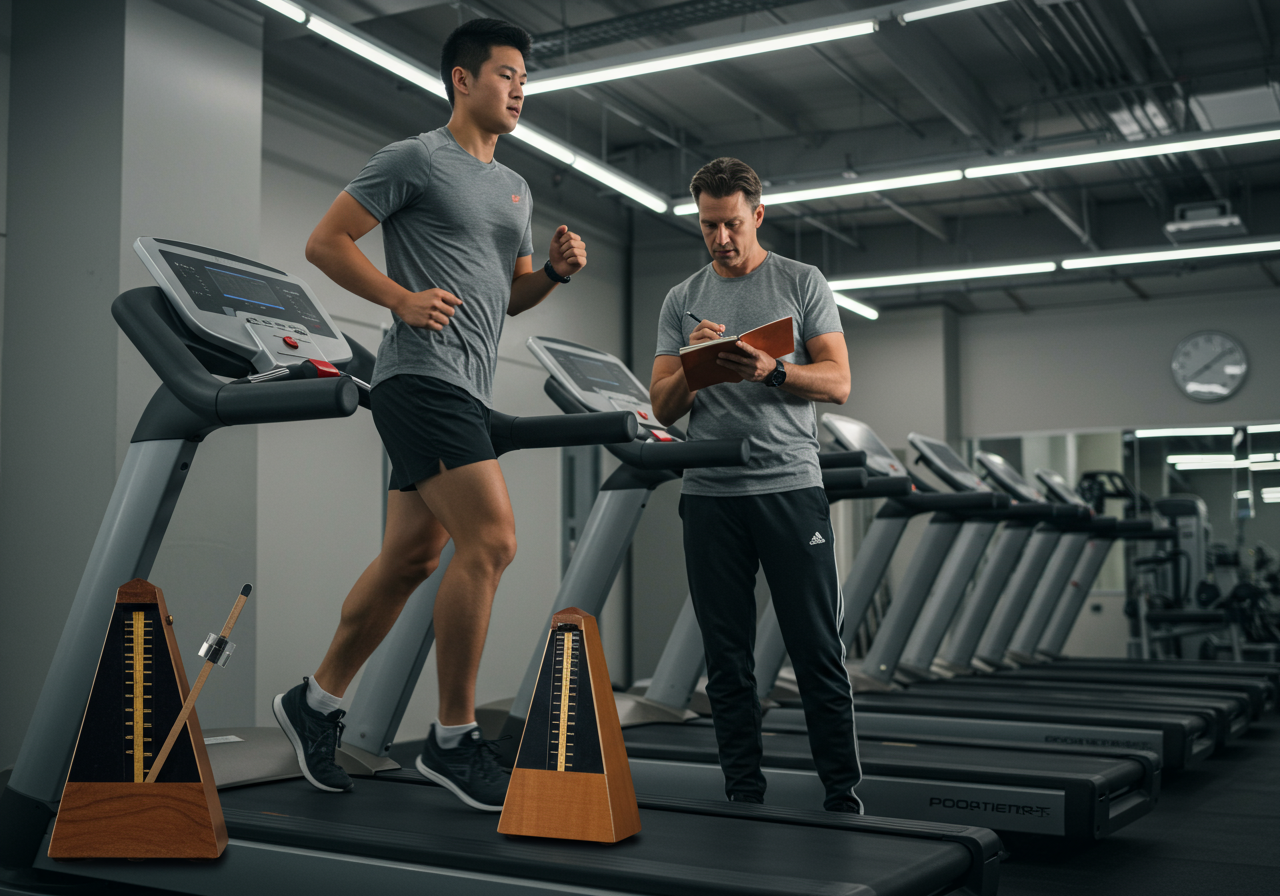
Set a cadence target — If you overstride or bounce, increase by 2–5% using a metronome for 3–5 minutes at a time. Keep effort easy. If you’re already compact and smooth, keep your natural range.
Refine stride length — Think “tall posture, quick feet, push behind.” Let the leg cycle under the hips. Avoid reaching forward with the foot. Slight forward lean from the ankles helps.
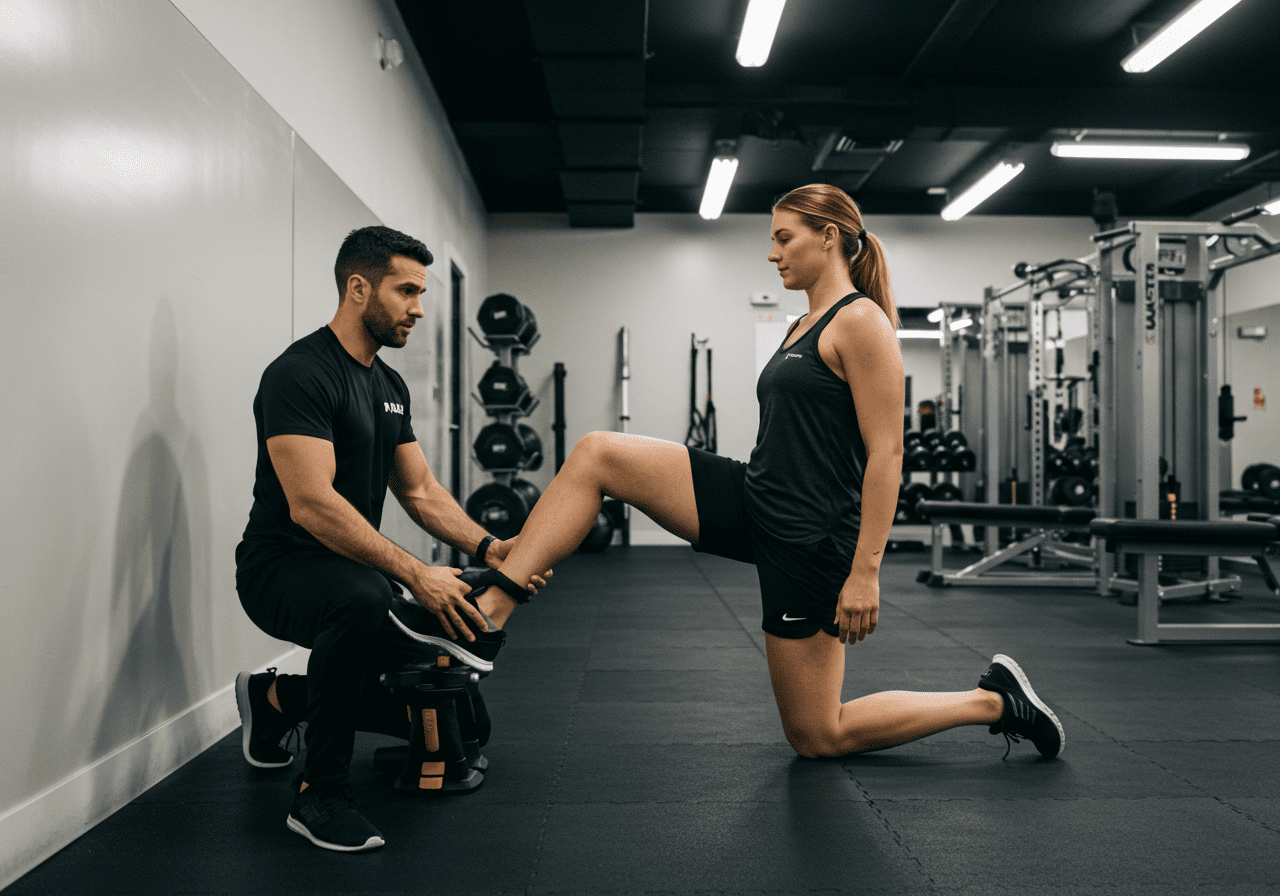
Ground contact time focus — Aim for light, quiet steps. Short hill strides (4–8 seconds) teach stiffness and drive. If left/right contact time differs widely, add single‑leg work and easy hill walks.
Skill drills (1–2×/week)
Strides: 4–6×20 seconds fast‑relaxed, full walk‑back. Focus on quick feet, tall hips.
Uphill sprints: 4–6×8 seconds on gentle hill. Powerful push, no strain.
Drills: A‑skips, ankling, butt kicks, and short barefoot strides on safe grass (optional).
Strength & mobility (2×/week, 15–25 min)
Calf raises (straight and bent knee), single‑leg RDLs, split squats, hip bridges.
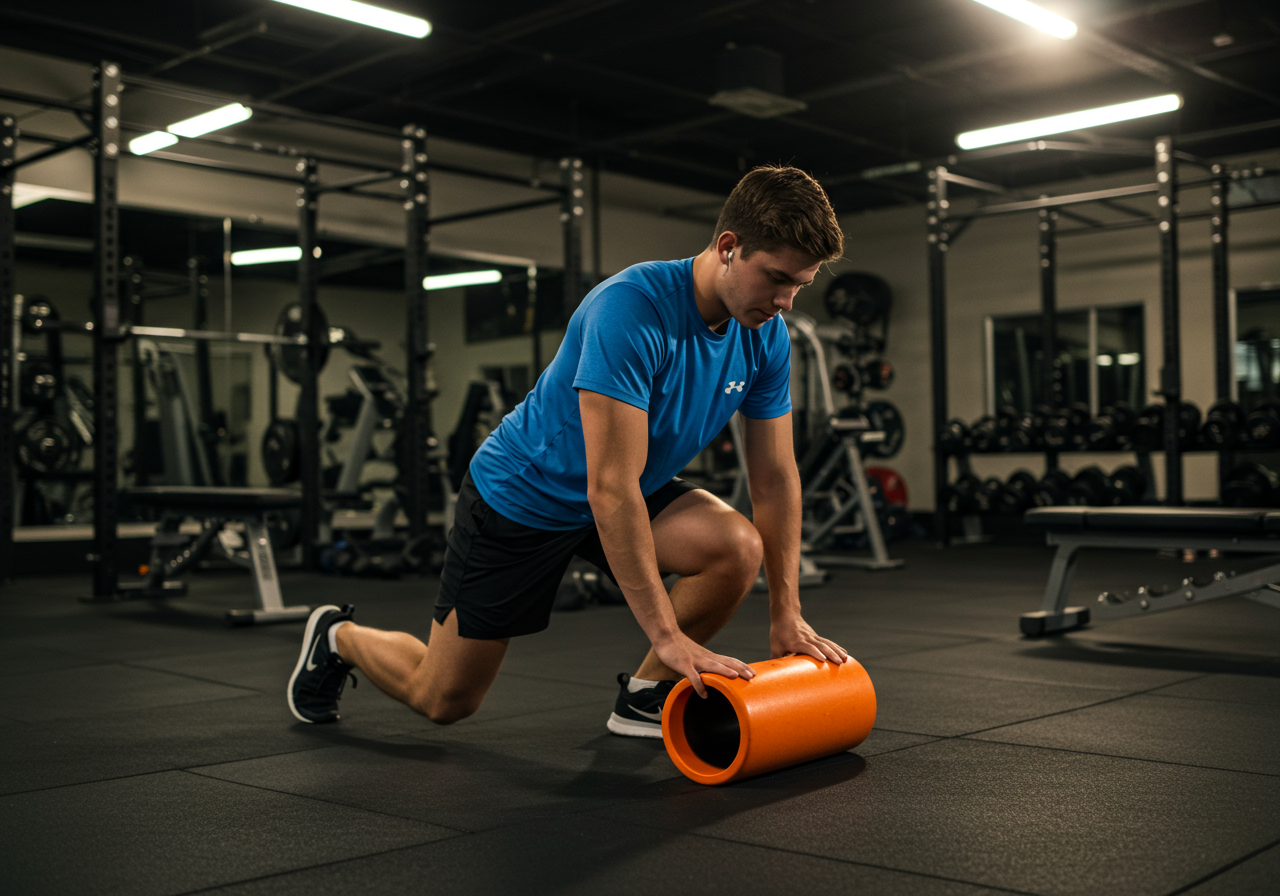
Ankle dorsiflexion rocks, hip flexor stretch, thoracic rotations.
Two sample sessions
Technique Easy Run (40–50 min): Z2, insert 3×5 min metronome segments (+2–4% cadence). Log RPE and notes in Strava.
Form Intervals: 10 min easy, 6×2 min steady with cadence cue, 2 min easy between, cool down 10 min.
Nutrition & recovery — Daily protein ~1.6–2.0 g/kg, carbs matched to mileage (3–6 g/kg on moderate days), 7–9 hours sleep. I log meals in MyFitnessPal and note energy on morning runs.
Review weekly — Compare pace at the same HR, cadence trends, and how your legs feel the next day. Adjust one variable at a time.
Client note (testimonial): “The metronome felt weird for two runs, then my footstrike got quiet and smooth,” — Alyssa, new 5K runner. Another client, Marco, noticed fewer knee niggles after adding short hill strides and calf raises.
Eight-week progression from beginner to advanced running form
Use this simple progression to layer skills safely. Keep most running easy (Z2). Add speed only when technique feels natural and recovery is steady.
Caption: 8‑week level‑based progression using cadence, stride cues, and ground contact focus.
Weeks 1–2 (Beginner): 3 runs/week, 20–35 min easy Z2. Insert 2×3–5 min metronome at +2%. 4×20 s strides. Strength 2×15–20 reps (calf, hips).

Weeks 3–4 (Beginner→Intermediate): 3–4 runs/week. One Form Intervals: 6×2 min steady w/ cadence cue. Uphill sprints 4–6×8 s. Mobility 10 min post‑run.

Weeks 5–6 (Intermediate): 4 runs/week. Long run +15–20%. One tempo sampler: 3×6 min comfortably hard at natural cadence. Track ground contact balance; add single‑leg work if >3–4% split.

Weeks 7–8 (Advanced): 4–5 runs/week. One quality session: 5×4 min at 10K effort with relaxed quick steps. Hill sprints 6–8×8 s. Maintain stride cues in final 10 min of long run.

Level targets: Cadence nudges only if overstriding/vertical bounce. Stride: foot under hips, soft landing. GCT: aim steady and symmetrical; adjust with strength/hills.
Validation in practice: In similar 8‑week blocks, beginners commonly report easier pacing and quieter footfalls by week 3–4, with less next‑day soreness. When cadence is pushed too high too soon, fatigue rises without speed gains—back off and rebuild.
Frequency guidelines and common mistakes to avoid injury
Frequency — Start at 3 runs/week. Add a 4th when you recover well for two weeks straight.
Intensity balance — Keep ~80% easy. Use technique cues at easy paces first, then bring them to steady and tempo work.
Common mistakes — Forcing a universal 180 spm; overstriding while chasing longer steps; adding speed and cues simultaneously; skipping strength for calves/hips.
Monitoring — Watch pace at the same HR, cadence consistency, ground contact symmetry, and RPE. A small improvement in pace at equal HR is a green flag.
Plateaus — Deload 4–7 days (reduce volume 30–40%), swap in drills/strides only, and re‑test baseline on fresh legs.
Overtraining signs — Elevated resting HR, poor sleep, cranky mood, heavy legs for >3 days. Cut volume, prioritize sleep and carbs, and resume gradually.
Injury troubleshooting — Shin or knee gripes? Reduce volume, keep cues gentle, and add single‑leg strength. If pain persists, consult a pro before resuming intensity.
Fuel & hydration — Pre‑run snack 30–90 min (carb‑forward). Daily protein 1.6–2.2 g/kg. Hot days: consider 300–600 mg sodium per hour on longer sessions.
Light supplements (optional) — Caffeine 1–3 mg/kg 30–45 min pre‑quality session; tart cherry in evening for recovery. If sensitive, skip.
Apps — Use Garmin/Polar/Apple for metrics, Strava for trends and notes, MyFitnessPal for fueling patterns. Set auto‑laps to 1 km or 1 mile for clean comparisons.
Next step: Track one metric change at a time for two weeks. If form and pacing improve without extra fatigue, keep it. If not, revert and try a smaller tweak.
Medical Disclaimer: The information provided on this website is for informational and educational purposes only and is not intended as personal medical or health advice. The content, including text, graphics, and images, is not a substitute for professional medical advice, diagnosis, or treatment. Always seek the advice of your physician or other qualified healthcare provider…
Medical Disclaimer: The information provided on this website is for informational and educational purposes only and is not intended as personal medical or health advice. The content, including text, graphics, and images, is not a substitute for professional medical advice, diagnosis, or treatment. Always seek the advice of your physician or other qualified healthcare provider…
Medical Disclaimer: The information provided on this website is for informational and educational purposes only and is not intended as personal medical or health advice. The content, including text, graphics, and images, is not a substitute for professional medical advice, diagnosis, or treatment. Always seek the advice of your physician or other qualified healthcare provider…
Medical Disclaimer: The information provided on this website is for informational and educational purposes only and is not intended as personal medical or health advice. The content, including text, graphics, and images, is not a substitute for professional medical advice, diagnosis, or treatment. Always seek the advice of your physician or other qualified healthcare provider…
Medical Disclaimer: The information provided on this website is for informational and educational purposes only and is not intended as personal medical or health advice. The content, including text, graphics, and images, is not a substitute for professional medical advice, diagnosis, or treatment. Always seek the advice of your physician or other qualified healthcare provider…
Medical Disclaimer: The information provided on this website is for informational and educational purposes only and is not intended as personal medical or health advice. The content, including text, graphics, and images, is not a substitute for professional medical advice, diagnosis, or treatment. Always seek the advice of your physician or other qualified healthcare provider…