Medical Disclaimer: The information provided on this website is for informational and educational purposes only and is not intended as personal medical or health advice. The content, including text, graphics, and images, is not a substitute for professional medical advice, diagnosis, or treatment. Always seek the advice of your physician or other qualified healthcare provider with any questions you may have regarding a medical condition or before starting any new exercise, nutrition, or supplement program. Never disregard professional medical advice or delay in seeking it because of something you have read on this blog. Reliance on any information provided by this site is solely at your own risk.
Sleep Drives Hormones, Recovery, and Lifting Performance
Sleep and strength are inseparable. Better nights drive bigger lifts, steadier progress, and fewer aches. Better sleep increases strength gains by boosting hormone balance, neural recovery, and training output.
In this guide, you’ll learn a practical system that ties sleep habits to your strength plan—cardio, mobility, nutrition, and auto-regulation—plus beginner through advanced progressions and simple ways to verify results.
Growth Hormone, Testosterone, and Motor Learning Benefits
During quality sleep, your body elevates growth hormone, supports testosterone, and manages cortisol. These signals help repair muscle, rest the nervous system, and refill energy stores. When sleep is short or fragmented, lifters often report heavier perceived effort, slower bar speed, and stubborn plateaus. Peer‑reviewed studies generally echo these patterns.
Sleep also sharpens motor learning. Complex lifts feel smoother when your brain consolidates technique overnight. In practice, sessions after a solid night often allow cleaner reps at the same weight compared with groggier days.
Client note: “I stopped chasing 5 a.m. PRs on four hours of sleep. With an 11 p.m.–7 a.m. routine, my squat stopped stalling and my knees quieted down.” — Jess, 39
Quick comparison: extending sleep by 30–60 minutes nightly usually beats weekend catch‑up. Naps help, but they rarely replace a consistent sleep window. The win comes from stringing together ordinary, reliable nights.
Eight-Hour Windows, Morning Light, and Training Timing
Use this Sleep‑Strength Protocol to align recovery with training.
Set a sleep window: Aim for 8+ hours in bed, same times daily (±30 minutes). Anchor wake time first; let bedtime follow.
Morning light: 10–20 minutes of outdoor light within an hour of waking to set your body clock.
Caffeine timing: Last coffee 8–10 hours before bed. Hydrate steadily; taper fluids in the last 90 minutes to limit awakenings.
Training timing: Place heavy lifts 6–11 hours after waking, if possible. If a poor night occurs, cut load 5–10% or reduce sets (auto‑regulation rules below).
Evening wind‑down (60 minutes): Dim lights. Warm shower. 5 slow breaths (4‑7‑8 pattern). Light mobility for hips/upper back. No high‑stakes screens.
Nutrition: Protein 1.6–2.2 g/kg/day; small surplus (≈200–300 kcal) when chasing strength. Post‑workout carbs help refill glycogen—include fruit/grains. If hungry before bed, consider a light protein + carb snack (e.g., Greek yogurt with honey).
Supplements (optional): Creatine monohydrate 3–5 g/day supports strength. Magnesium glycinate 200–400 mg at night may aid relaxation for some; avoid new supplements before important training. Use melatonin sparingly and consult a professional if needed.
Cardio that supports lifting: 2 easy Zone 2 sessions/week (20–35 minutes, conversational pace). After poor sleep, stay easy—skip sprints.
Mobility: 10 minutes daily—ankles, hips, T‑spine, plus gentle breath work. It calms the nervous system and readies positions for lifts.
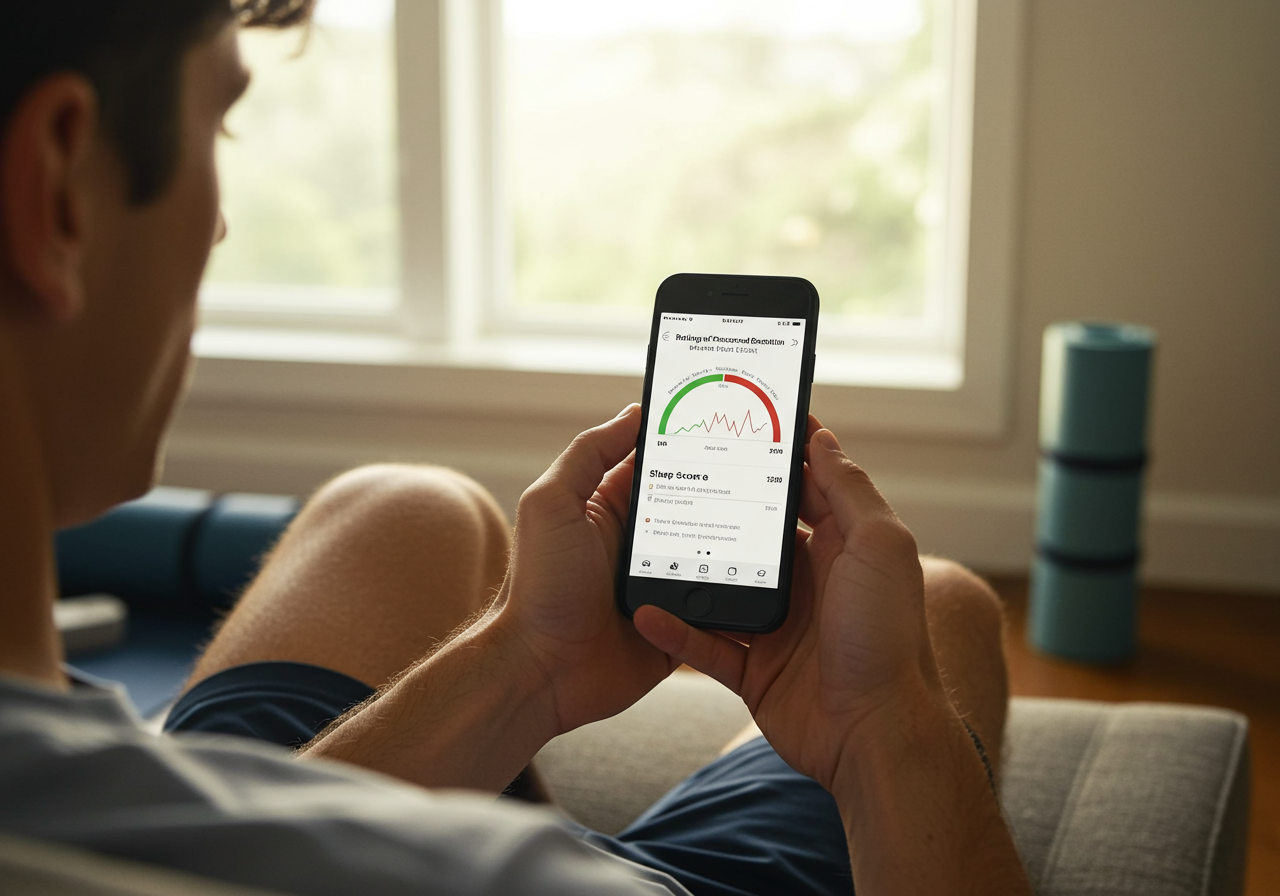
Auto‑regulation by sleep/HRV: Track with Oura, WHOOP, Fitbit, or Garmin. If sleep <6.5 h or HRV well below baseline, choose either fewer sets or lighter loads. If sleep was great and motivation is high, keep planned work; add one back‑off set if technique is sharp.
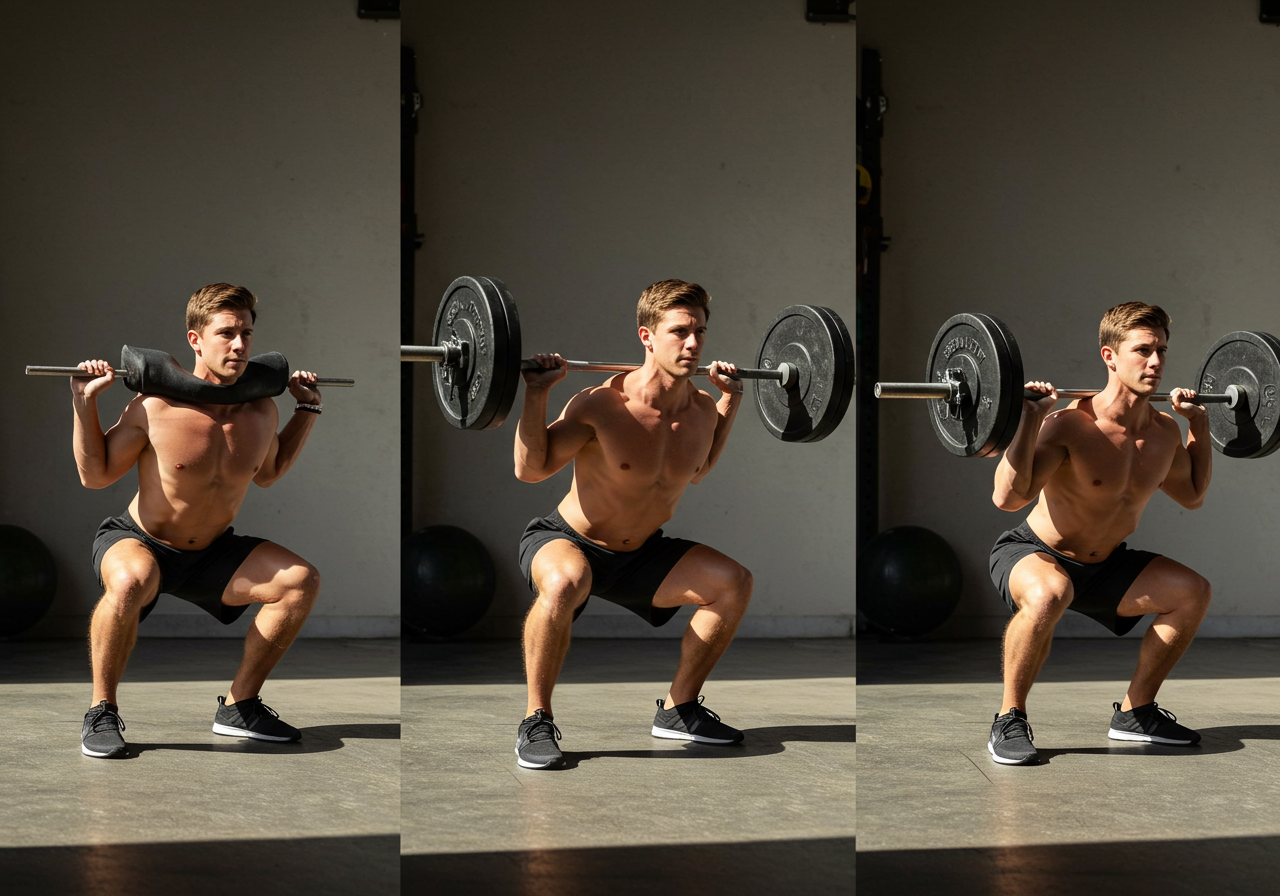
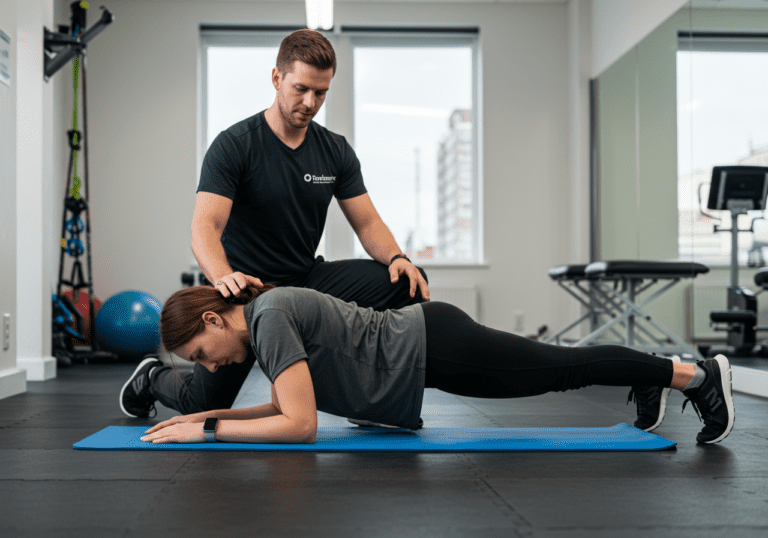
Example day (lower‑body focus): Warm‑up—5–8 minutes Zone 1–2 and dynamic mobility. Back squat 4×6 @ RPE 7, Romanian deadlift 3×8 @ RPE 7, split squat 3×10, plank 3×45s. Finish with 10–15 minutes Zone 2 cycle or brisk walk. If last night’s sleep was poor, drop one set from squats and RDLs, then extend the walk by 5 minutes.
Three to Five Sessions with Sleep-Based Load Adjustments
Use sleep‑aware levels so recovery drives the pace.
Beginner: 3 strength days/week, 2 Zone 2 cardio days. Start at RPE 6–7 and master technique. Intermediate: 4 strength days/week with a dedicated pull or press day; progressive overload. Advanced: 4–5 strength days with planned deloads and tighter sleep targets around heavy sessions.
Progress plan at a glance (sleep targets, strength loading, and cardio):
Weeks 1–2: 8.5 h in bed; main lifts 3×8 @ RPE 6–7; 2× Zone 2 for 20–30 min; nightly 10 min mobility.

Weeks 3–4: 8.5 h in bed; main lifts 4×6 @ RPE 7; add 1–2 accessories; Zone 2 for 30–35 min; breath work 5 min/night.

Week 5:    9 h on heavy days; main lifts 5×5 @ RPE 7–8; accessories moderate; Zone 2 for 25–30 min.

Week 6:    Deload if sleep efficiency is low or HRV dips; 2×8 @ RPE 6; easy cardio 15–20 min; extra mobility and walks.

Weeks 7–8: 9 h on heavy days; main lifts 4×3 @ RPE 8–9; 1 day of short intervals (6×60 s hard, full recovery); mobility 15 min.

Advanced option: Add a 5th day for technique or accessories only when sleep averages >7.5 h and soreness is minimal.
Rules of thumb: If you string together 3+ nights of great sleep, nudge load up modestly next session. After a rough night, keep technique crisp and reduce volume; consistency beats hero sets. Use a deload any week your sleep or joints protest.
Track RPE and HRV, Troubleshoot with Extra Sleep
Frequency and intensity: Most lifters thrive on 3–4 strength sessions weekly. Keep 1–2 reps in reserve on most sets. Reserve grinders for key test days after solid sleep.
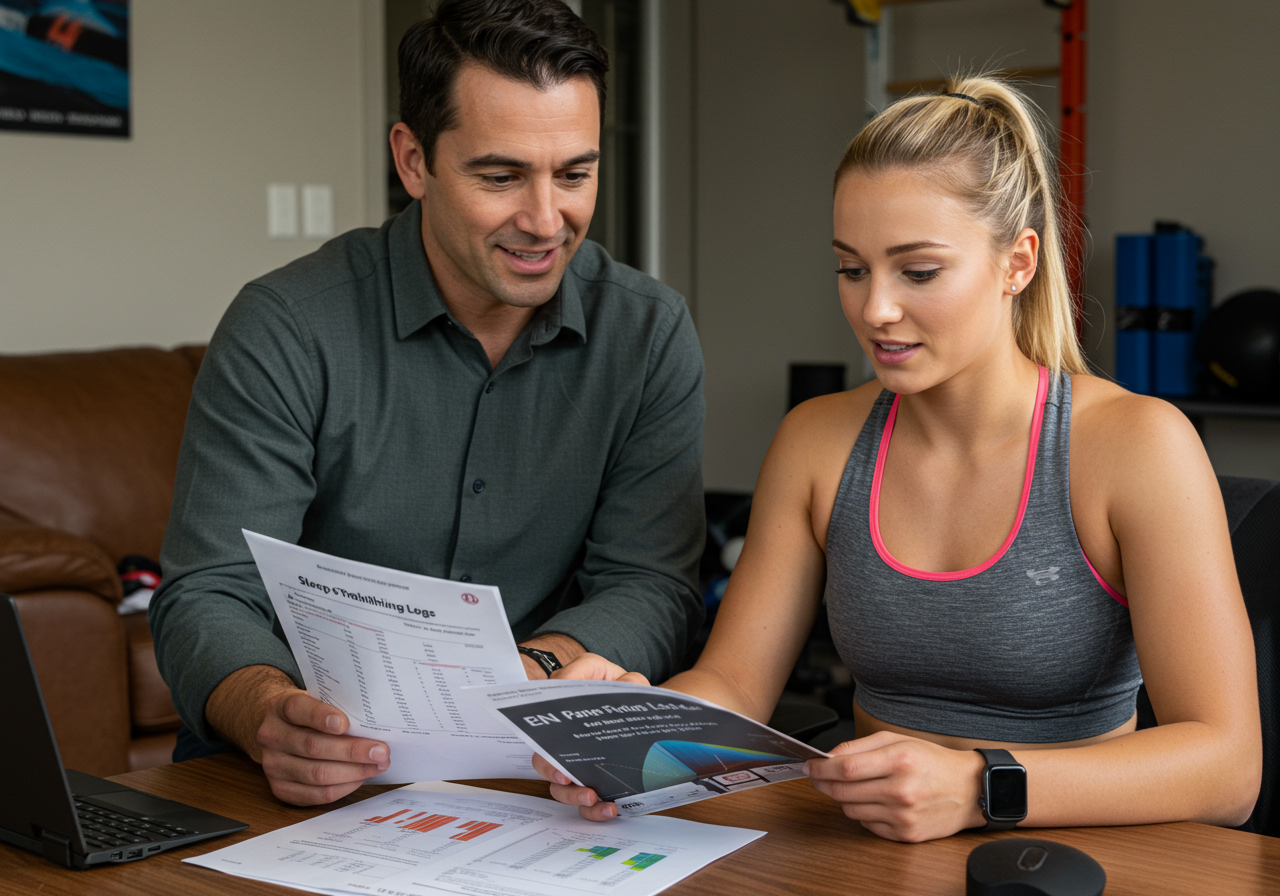
Monitoring: Track RPE, session time, and sleep/HRV in Garmin, Oura, WHOOP, or a simple spreadsheet. I like pairing Strava for cardio logs with a notes column for sleep quality and motivation.
Nutrition and recovery: Hit protein 1.6–2.2 g/kg/day. Hydrate. Place most carbs around training. For body recomposition, aim for a small deficit on rest days; for strength emphasis, a small surplus on lift days. Creatine supports performance; magnesium can assist relaxation for some. Check for interactions with your clinician.
Troubleshooting:
Plateaus: First expand your sleep opportunity by 30 minutes and deload volume for 4–7 days before chasing new intensity.
Overreaching signs: Elevated morning heart rate, low mood, poor sleep. Switch to technique work and easy cardio until metrics normalize.
Motivation dips: Shorten sessions to 30 minutes focusing on two main lifts. Get sunlight and a walk early. Momentum beats perfection.
Niggles and aches: Use tempo work and partial ranges while swelling calms. Keep Zone 2 cardio to maintain conditioning without spiking stress.
Validation in real‑world coaching: Lifters who protect consistent, adequate sleep usually see steadier load progress, cleaner bar paths, and fewer missed reps. On weeks with erratic nights, managing volume and tempo often preserves momentum.
Next steps: Download a simple log, set your sleep anchor time tonight, and pick your first week’s RPE targets.
Medical Disclaimer: The information provided on this website is for informational and educational purposes only and is not intended as personal medical or health advice. The content, including text, graphics, and images, is not a substitute for professional medical advice, diagnosis, or treatment. Always seek the advice of your physician or other qualified healthcare provider…
Medical Disclaimer: The information provided on this website is for informational and educational purposes only and is not intended as personal medical or health advice. The content, including text, graphics, and images, is not a substitute for professional medical advice, diagnosis, or treatment. Always seek the advice of your physician or other qualified healthcare provider…
Medical Disclaimer: The information provided on this website is for informational and educational purposes only and is not intended as personal medical or health advice. The content, including text, graphics, and images, is not a substitute for professional medical advice, diagnosis, or treatment. Always seek the advice of your physician or other qualified healthcare provider…
Medical Disclaimer: The information provided on this website is for informational and educational purposes only and is not intended as personal medical or health advice. The content, including text, graphics, and images, is not a substitute for professional medical advice, diagnosis, or treatment. Always seek the advice of your physician or other qualified healthcare provider…
Medical Disclaimer: The information provided on this website is for informational and educational purposes only and is not intended as personal medical or health advice. The content, including text, graphics, and images, is not a substitute for professional medical advice, diagnosis, or treatment. Always seek the advice of your physician or other qualified healthcare provider…
Medical Disclaimer: The information provided on this website is for informational and educational purposes only and is not intended as personal medical or health advice. The content, including text, graphics, and images, is not a substitute for professional medical advice, diagnosis, or treatment. Always seek the advice of your physician or other qualified healthcare provider…