Medical Disclaimer: The information provided on this website is for informational and educational purposes only and is not intended as personal medical or health advice. The content, including text, graphics, and images, is not a substitute for professional medical advice, diagnosis, or treatment. Always seek the advice of your physician or other qualified healthcare provider with any questions you may have regarding a medical condition or before starting any new exercise, nutrition, or supplement program. Never disregard professional medical advice or delay in seeking it because of something you have read on this blog. Reliance on any information provided by this site is solely at your own risk.
Fast Feedback Loop Drives Long-Term Training Retention
Client feedback, used deliberately, is the fastest lever to keep people training longer and happier. This guide shows you how to collect, act on, and showcase changes that increase retention.
Direct answer: Collect weekly feedback, act within 72 hours, and show the change to improve retention reliably.
You’ll learn a simple loop that blends surveys, training tweaks, and progress tracking. I’ll share real session structures, adjustment rules, and the exact messages I send when a client flags a concern.
Autonomy and Timely Adjustments Reduce Drop-Offs Significantly
Retention rises when athletes feel heard and see their input shape the plan. This supports autonomy, competence, and relatedness—drivers of adherence identified in sports psychology. On the physiology side, small feedback‑guided tweaks help balance stress and recovery, preventing the overreaching that often pushes people to quit.
In my practice, weekly micro‑surveys and quick adjustments consistently reduce mid‑block drop‑offs. I’ve seen fewer skipped sessions after we highlighted sleep strain trends and swapped threshold runs for Zone 2 until readiness rebounded. While outcomes vary, practice‑based reports and peer‑reviewed adherence literature point in the same direction: timely responses keep athletes engaged.
Example from last month: A client reported unusual soreness (DOMS 7/10) after a full‑body day. Their Garmin readiness and morning RPE also spiked. We trimmed volume by ~20%, added an easy 25‑minute Zone 2 ride, and moved the heavy day by 24 hours. They returned strong without losing momentum.
Weekly Surveys, RPE Tracking, and 72-Hour Responses
Use this feedback loop to guide training, nutrition, and recovery—and to show clients their input matters.
Set the baseline (week 0) — Collect goals, schedule limits, injury history, and current fitness. Include a 3‑minute test: 10 bodyweight squats, 20‑second dead hang, and a 6‑minute easy jog/walk noting pace and perceived effort.
Deploy a weekly micro‑survey (2–3 minutes) — Tools: Google Forms, Typeform, Trainerize, or TrueCoach. Ask: (1) Sleep quality (1–5), (2) Stress (1–5), (3) Soreness (0–10), (4) Session enjoyment (1–5), (5) One thing to change next week.
Track daily session RPE and quick notes — Use a 1–10 RPE and a 10–20 word note in Strava, Garmin, or Notes. Example: “Front squat 3×6 @ RPE 7; tight right hip.”
Respond within 72 hours — Send a brief message: “I heard X, so I’ll adjust Y. We’ll review Z next check‑in.” Close the loop publicly in the app so progress feels visible.
Adjust the plan with simple rules — If soreness ≥7/10 or sleep ≤2/5, reduce volume 15–25% and shift intensity toward Zone 2 cardio, RPE 6–7 strength. If enjoyment ≤2/5, swap one exercise for a preferred variation (e.g., sled pushes instead of HIIT sprints).
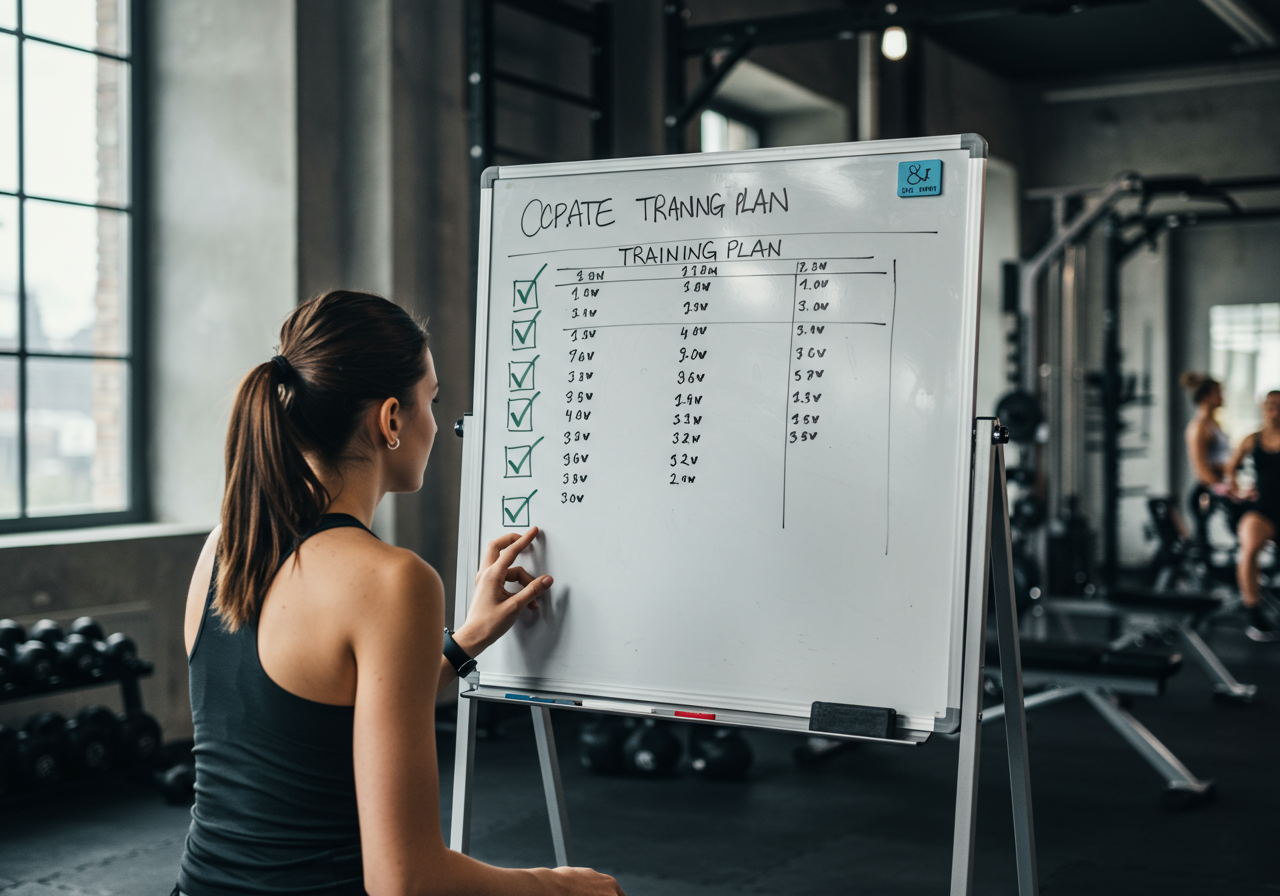
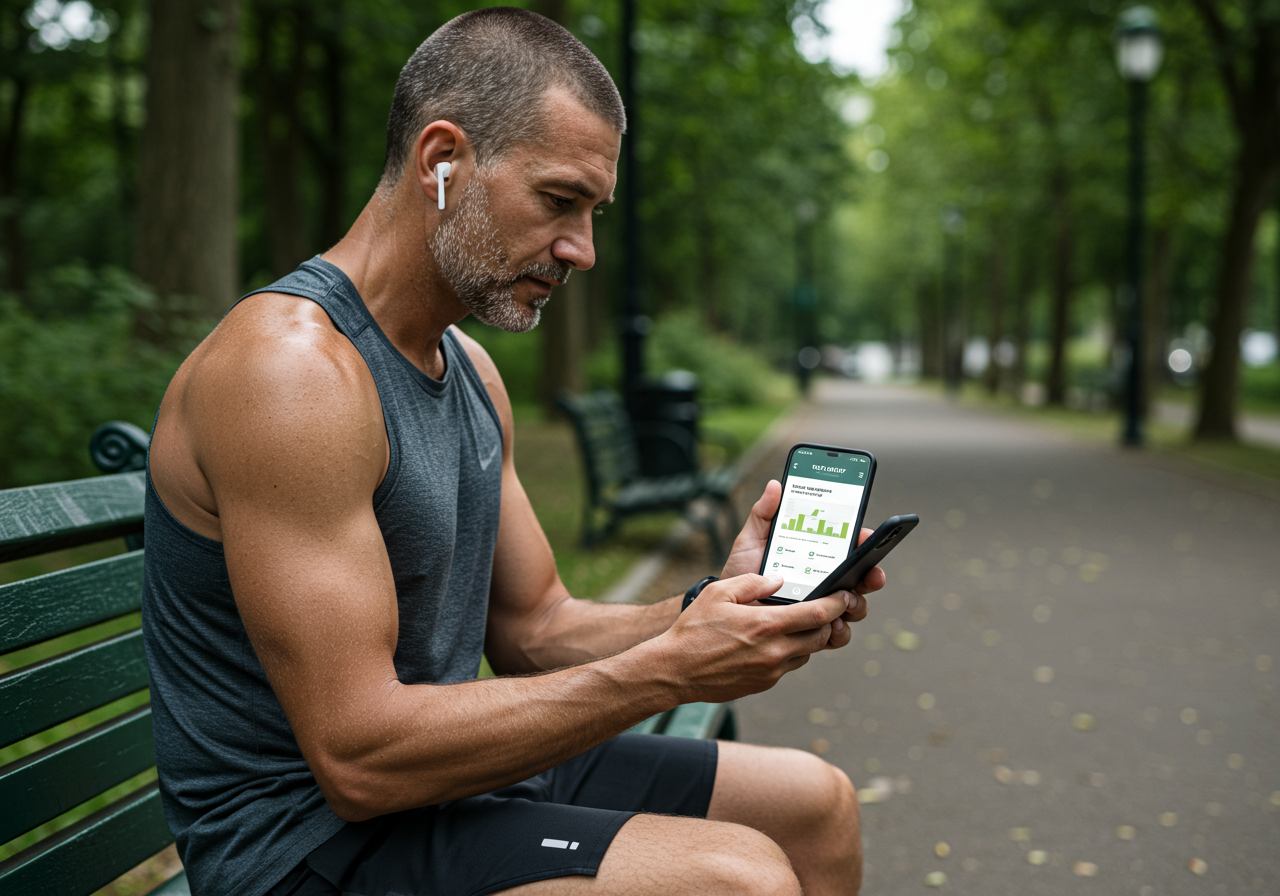
Show outcomes — Display trends: streaks, total minutes, and PRs. A Notion or Google Sheet dashboard with week‑over‑week minutes, sets, and average RPE works great.
Monthly 15‑minute check‑in — Review what’s working, adjust goals, and agree on the next 4‑week focus.
Example session template (45–60 minutes):
Warm‑up — 5 minutes of easy movement and mobility.
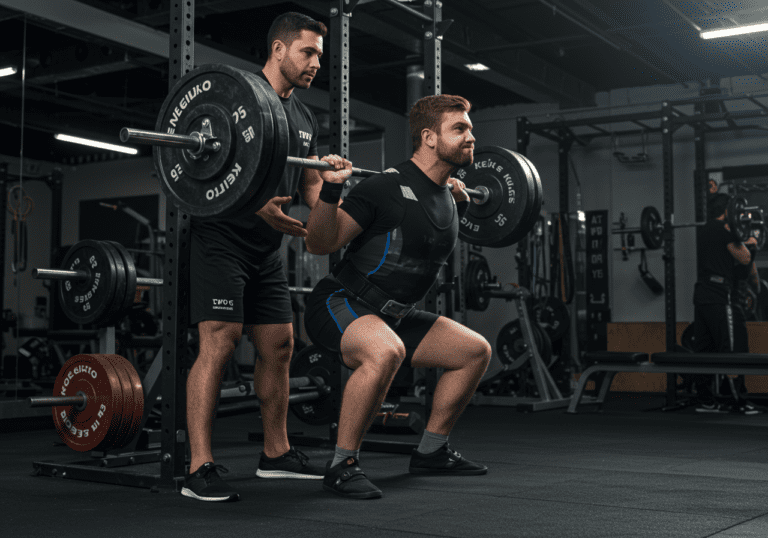
Strength — 2–4 sessions/week; keep most work at RPE 6–8 with 1–3 reps in reserve.
Cardio — 2–4 sessions/week; prioritize Zone 2 base, layer intervals only when readiness is solid.
Mobility — 5–15 minutes at the end of sessions, targeting areas flagged in feedback.
Common mistakes:
Overreacting to a single survey — Look for 2–3 consistent signals before major changes.
Ignoring wins — Celebrate adherence streaks and small PRs; positive feedback loops matter.
Too many questions — Keep weekly surveys ≤5 items; add depth only if the client asks.
Monitoring checklist (quick): RPE logged per session; weekly sleep/stress/soreness; total minutes lifting and Zone 2; any pain notes >3/10; simple trend view every two weeks.
Safety and injury notes: Pain that persists beyond 72 hours, night pain, or swelling warrants modification and possibly medical referral. When in doubt, reduce load/volume 15–25%, maintain movement quality, and revisit technique.
Recovery priorities: Protein 1.6–2.2 g/kg/day, colorful plants each meal, fluids to clear urine pale yellow, and 7–9 hours of sleep. Consider a deload week every 4–8 weeks if surveys show mounting fatigue.
Next steps: Start with the week‑0 baseline, turn on the weekly micro‑survey, and commit to the 72‑hour response rule. If you want a templates pack and a dashboard walkthrough.
Medical Disclaimer: The information provided on this website is for informational and educational purposes only and is not intended as personal medical or health advice. The content, including text, graphics, and images, is not a substitute for professional medical advice, diagnosis, or treatment. Always seek the advice of your physician or other qualified healthcare provider…
Medical Disclaimer: The information provided on this website is for informational and educational purposes only and is not intended as personal medical or health advice. The content, including text, graphics, and images, is not a substitute for professional medical advice, diagnosis, or treatment. Always seek the advice of your physician or other qualified healthcare provider…
Medical Disclaimer: The information provided on this website is for informational and educational purposes only and is not intended as personal medical or health advice. The content, including text, graphics, and images, is not a substitute for professional medical advice, diagnosis, or treatment. Always seek the advice of your physician or other qualified healthcare provider…
Medical Disclaimer: The information provided on this website is for informational and educational purposes only and is not intended as personal medical or health advice. The content, including text, graphics, and images, is not a substitute for professional medical advice, diagnosis, or treatment. Always seek the advice of your physician or other qualified healthcare provider…
Medical Disclaimer: The information provided on this website is for informational and educational purposes only and is not intended as personal medical or health advice. The content, including text, graphics, and images, is not a substitute for professional medical advice, diagnosis, or treatment. Always seek the advice of your physician or other qualified healthcare provider…
Medical Disclaimer: The information provided on this website is for informational and educational purposes only and is not intended as personal medical or health advice. The content, including text, graphics, and images, is not a substitute for professional medical advice, diagnosis, or treatment. Always seek the advice of your physician or other qualified healthcare provider…