Medical Disclaimer: The information provided on this website is for informational and educational purposes only and is not intended as personal medical or health advice. The content, including text, graphics, and images, is not a substitute for professional medical advice, diagnosis, or treatment. Always seek the advice of your physician or other qualified healthcare provider with any questions you may have regarding a medical condition or before starting any new exercise, nutrition, or supplement program. Never disregard professional medical advice or delay in seeking it because of something you have read on this blog. Reliance on any information provided by this site is solely at your own risk.
How many sets and reps is the question I get daily from new lifters. You’ll learn a simple volume system that scales from beginner to advanced and fits strength, muscle, and endurance goals.
General answer: beginners do 2–3 sets of 8–12 reps, intermediates 3–5 sets, advanced 2–6 sets based on goal and recovery.
Volume Drives Adaptation: Finding Your Right Dose
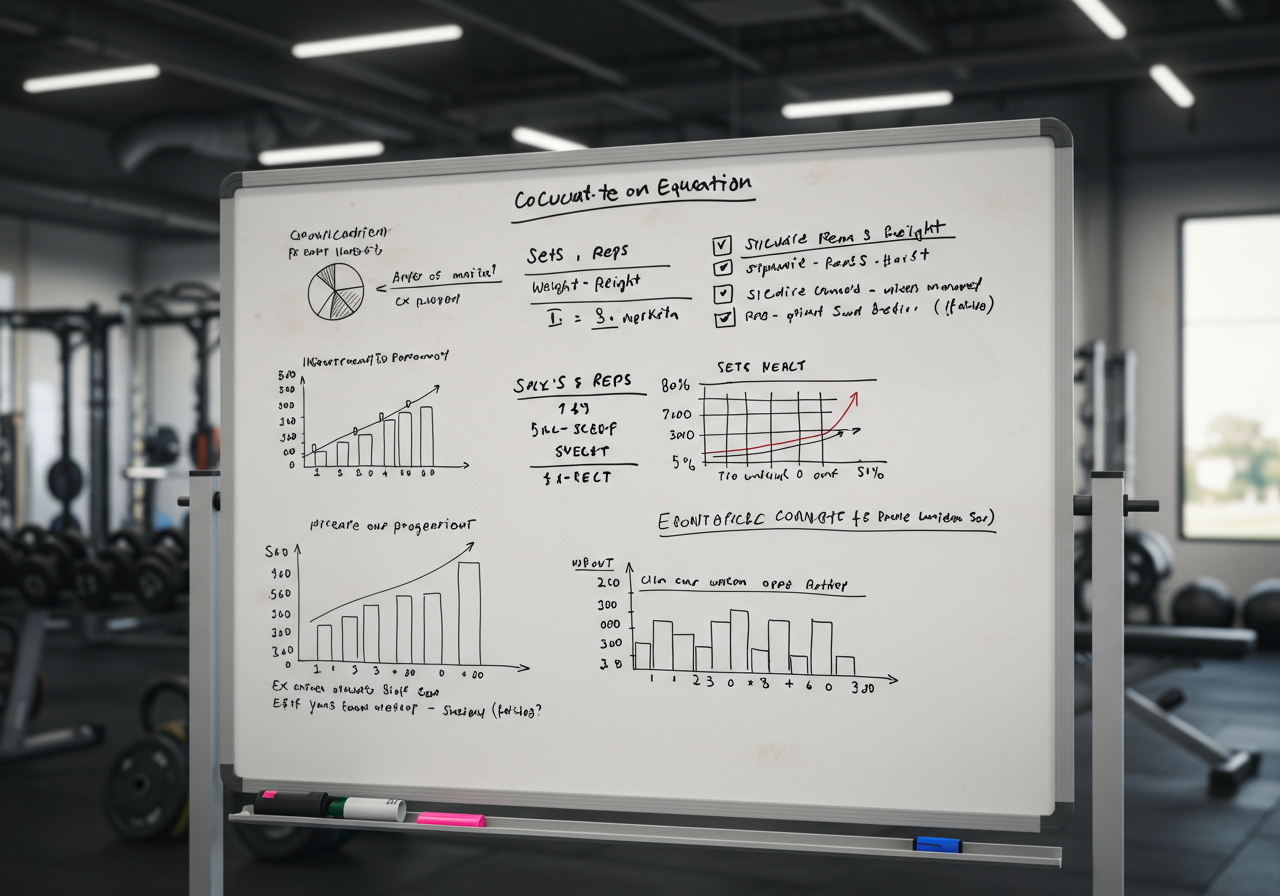
Results track the work you perform: sets × reps × load (plus rest timing and proximity to failure). That total—your training volume—drives adaptation. More isn’t always better; the right dose stimulates progress while protecting joints and energy.
In practice studies and major sports health guidelines, beginners grow well on moderate volume and submaximal effort. As you advance, you’ll need more high-quality sets near technical failure. I’ve seen this repeatedly: novices improve on 8–12 weekly sets per muscle, intermediates on 12–18, and advanced lifters often need carefully cycled 14–22. A desk-worker client shared after six weeks, “Fewer but focused sets finally made my legs feel worked without wrecking my knees.”
Cardio and mobility matter too. Aerobic work supports recovery, heart health, and work capacity so you can handle productive lifting volume. Short daily mobility keeps range of motion, which lets you use better technique and tolerate more training safely.
Define Goals, Choose Movements, Execute with Intent
Follow these steps to set your volume and execute each session.
Define your primary goal for the next 8–12 weeks: strength (lift more), hypertrophy (build muscle), or muscular endurance (reps and fatigue resistance).
Pick 4–6 big movements per week: squat pattern, hip hinge, horizontal push, vertical push, horizontal pull, vertical pull. Add 2–4 accessories (unilateral legs, core, arms).
Choose your level and set targets with the cheat sheet below.
Warm-up — 5–8 minutes: easy cardio, dynamic mobility, and 2 ramp-up sets per main lift.
Main work — lift with intent. Stay 1–3 reps from failure for most sets (RPE 7–9). Rest as prescribed.
Accessories — lighter loads, controlled tempo, focus on the burn without pain.
Cardio — 2–3 sessions weekly: mostly Zone 2 (conversational pace), plus optional short intervals on one day.
Cool down — 3–5 minutes breathing and gentle stretching (hips, thoracic spine, lats, calves).
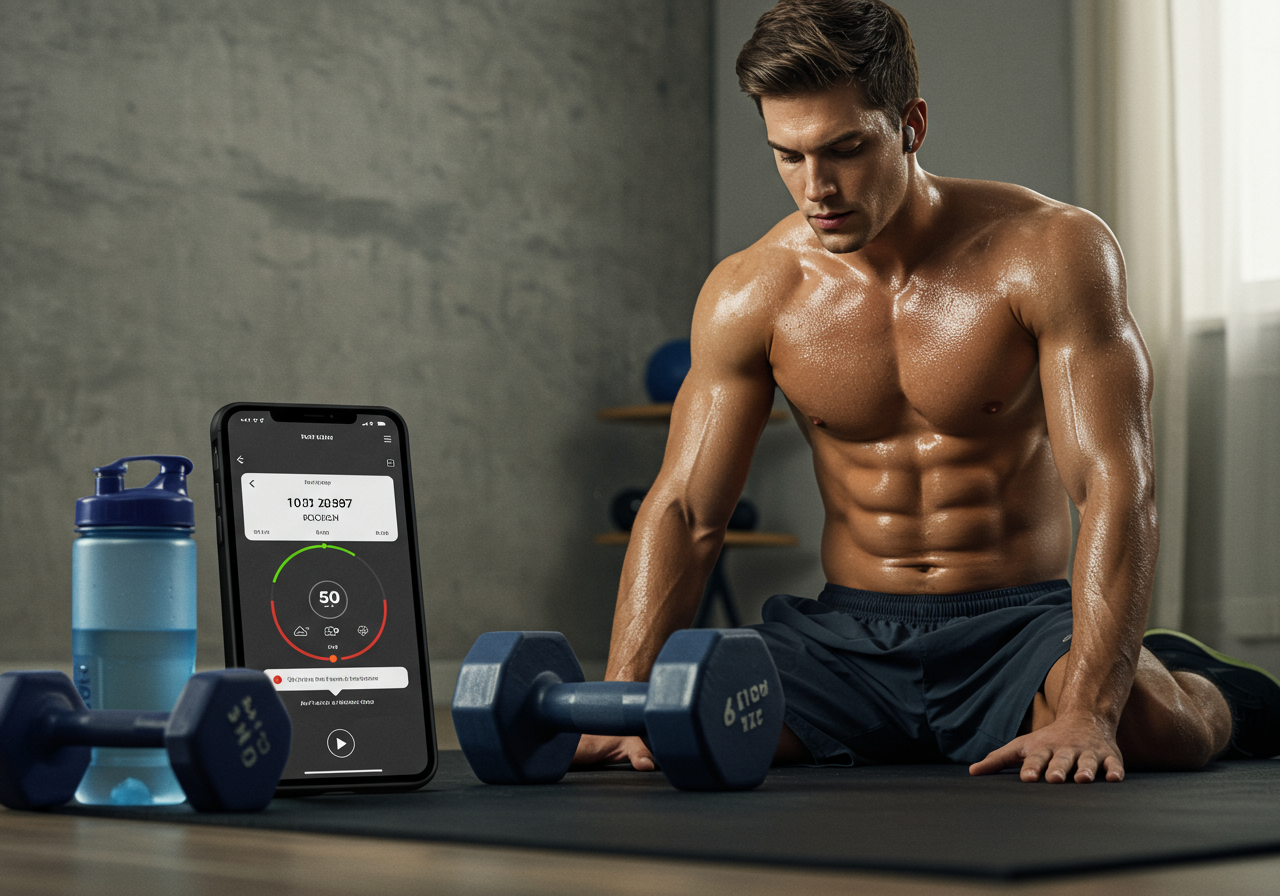
Track — log sets, reps, load, and RPE. I like Garmin/Strava for cardio, and Strong or a simple spreadsheet for lifting. Nutrition logging in MyFitnessPal helps align recovery with training.
Cheat sheet — sets, reps, rest, and weekly targets
Use this to pick starting volume; adjust weekly based on recovery and performance.

Beginner Strength: 2–3 sets of 4–6 reps, RPE 6–7, 2–3 min rest; 6–10 weekly sets per muscle

Beginner Hypertrophy: 2–3 sets of 8–12 reps, RPE 6–8, 60–90s rest; 8–12 weekly sets per muscle

Beginner Endurance: 2–3 sets of 12–20 reps, RPE 5–6, 45–75s rest; 4–8 weekly sets per muscle

Intermediate Strength: 3–5 sets of 3–6 reps, RPE 7–8, 2–4 min; 10–14 weekly sets per muscle

Intermediate Hypertrophy: 3–4 sets of 6–12 reps, RPE 7–9, 60–120s; 12–18 weekly sets per muscle

Intermediate Endurance: 3–4 sets of 12–20 reps, RPE 6–7, 45–90s; 6–10 weekly sets per muscle

Advanced Strength: 3–6 sets of 1–5 reps, RPE 8–9, 3–5 min; 12–20 weekly sets per muscle

Advanced Hypertrophy: 4–6 sets of 5–10 reps, RPE 7–9, 60–150s; 14–22 weekly sets per muscle

Advanced Endurance: 4–6 sets of 15–25 reps, RPE 6–8, 45–90s; 8–14 weekly sets per muscle
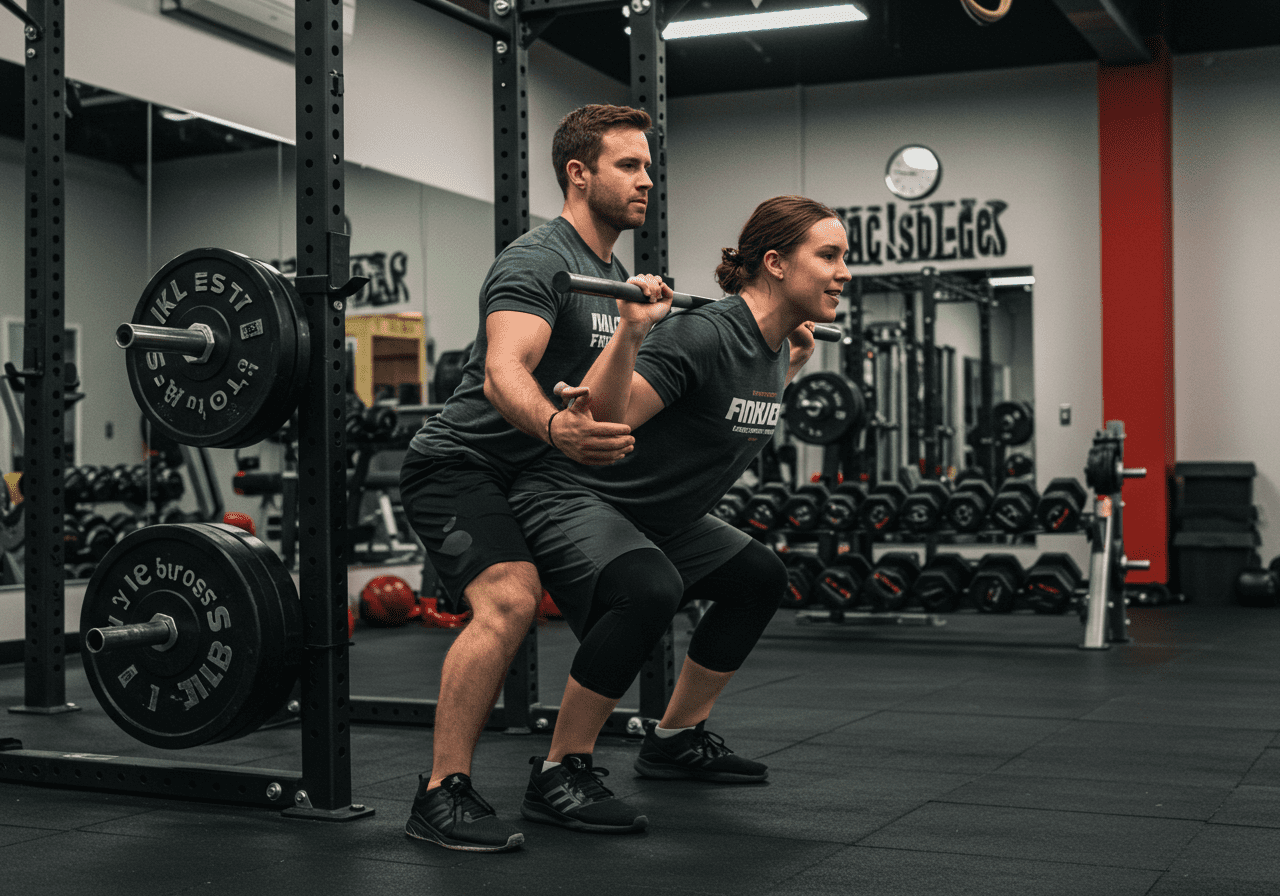
Technique cues quick list: brace your trunk before every rep, keep feet “screwed” into the floor on squats, pack shoulders on presses and pulls, move with control on the way down, and drive powerfully on the way up.
Recovery basics: aim for 7–9 hours sleep, protein at 1.6–2.2 g/kg bodyweight, carbs around training, and hydration (clear urine most of the day). Supplements are optional: creatine monohydrate is well-supported for strength and lean mass; caffeine may help performance if tolerated.
Scale Training Variables from Beginner to Advanced
Use these tracks to scale training. Increase one variable at a time: load, reps, or sets.
Beginner — 4 weeks, 3 full-body days (45–60 min)
Weeks 1–2: 2–3 sets of 8–12 reps on main lifts at RPE 6–7. Add 1–2 accessories for 2 sets of 10–15. Cardio 2×/week Zone 2 for 20–30 minutes.
Week 3: Keep reps, add ~2.5–5% load or one extra rep per set if last week felt easy (RPE ≤7). Maintain rest times.
Week 4: Add one set to 1–2 key lifts if joints feel good, otherwise hold and refine technique. Optional light deload: reduce sets by 30% if you feel beat up.
Intermediate — 6 weeks, Upper/Lower or Push/Pull/Legs (50–70 min)
Weeks 1–2: Main lift top set at RPE 8, then 2–3 back-off sets at RPE 7. Weekly sets per muscle 12–14. One interval cardio session (e.g., 6×1 minute Zone 4 with 2 minutes easy) plus one Zone 2.
Weeks 3–4: Add a set to lagging muscles or increase load 2.5% on main lifts. Keep accessories near RPE 8 for 8–12 reps.
Week 5: Consolidate—hold sets, progress load or reps only if bar speed stays solid. Mobility focus on hips/shoulders 10 minutes daily.
Week 6: Deload—halve sets and keep reps; train at RPE 6–7. Maintain easy Zone 2 cardio only.
Advanced — 8 weeks, undulating focus (60–90 min)
Mon Heavy (strength): 3–5 sets of 2–5 reps @ RPE 8–9. Wed Volume (hypertrophy): 4–5 sets of 6–10 @ RPE 7–8. Fri Power/Speed: 3–4 sets of 2–3 fast reps @ RPE 6–7, plus accessories.
Weeks 1–3: Build volume to the top of your weekly targets. One Zone 2 and one short interval cardio session.
Weeks 5–7: Rebuild; small overload each week. Optional advanced methods: paused reps, myo-reps, or rest-pause on last set for hypertrophy—only if recovery is excellent.
Week 8: Evaluate with submax tests (e.g., AMRAP at a fixed load, or a clean triple at RPE 8). Adjust next cycle based on bar speed, joint feel, and enthusiasm.
Real-world check-ins: In client logs, we look for a pattern like +1–2 reps at the same load week to week, or smoother bar speed at a prior RPE. On cardio, a lower heart rate at the same pace over 3–4 weeks suggests improved conditioning. If neither improves for two weeks, we reduce sets by ~20% for a mini-deload.
Manage Frequency, Intensity, and Avoid Common Mistakes
Frequency: Beginners do 3 lifting sessions/week; intermediates 3–5; advanced 4–6 with planned deloads. Cardio 2–3 short sessions helps recovery.
Intensity & effort: Keep most work 1–3 reps from failure. Use RPE or reps-in-reserve. Heavy singles are optional for experienced lifters and should stay smooth, not grinders.
Common mistakes: Jumping volume too fast, chasing PRs every week, skipping warm-ups, and neglecting sleep or calories. If joints ache for 3+ sessions, trim sets, slow eccentrics, and extend rest.
Troubleshooting:
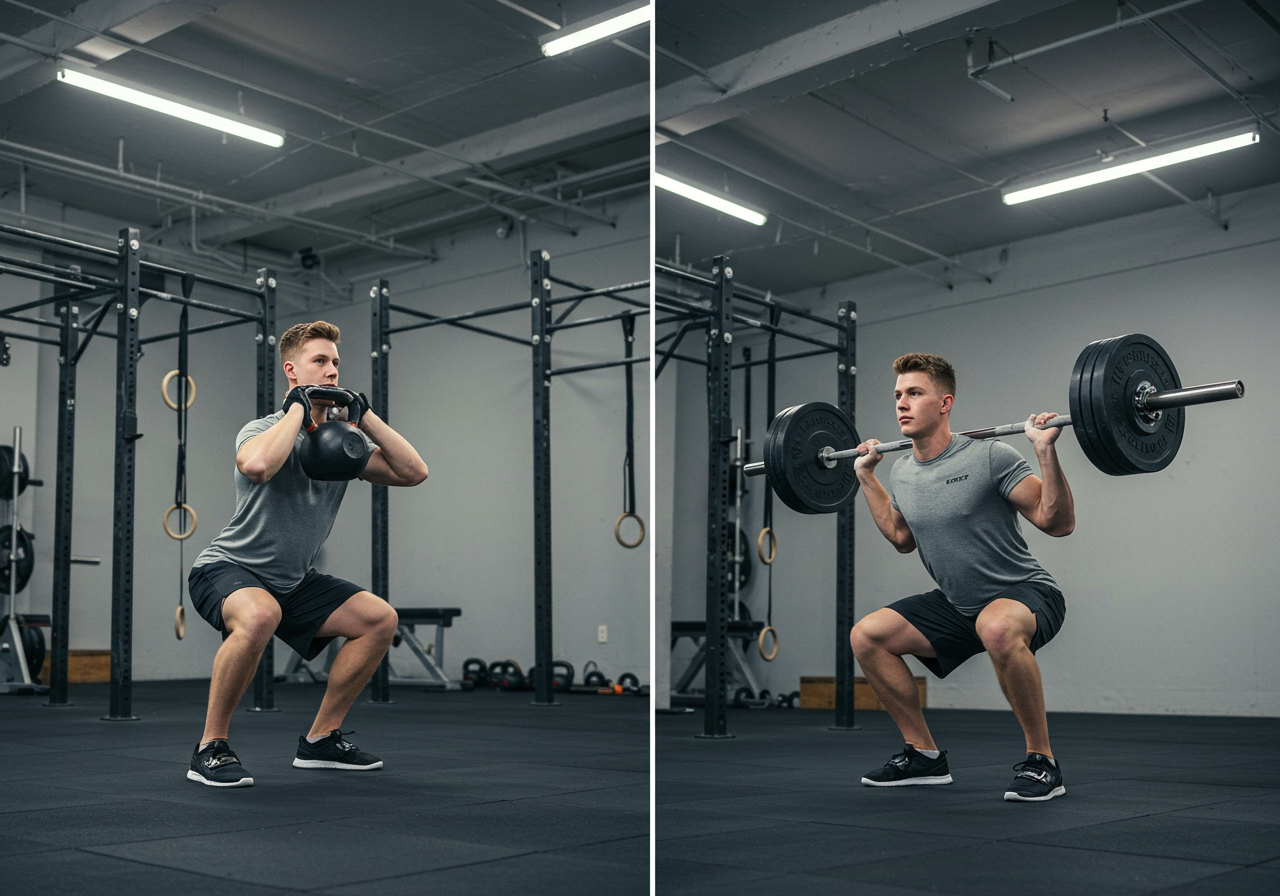
Plateau: drop total weekly sets by 20–30% for 1 week, then rebuild; or swap one main lift variation (e.g., front squat for back squat).
Overtraining signs: poor sleep, irritability, decreasing bar speed. Cut volume, keep technique crisp, and focus on Zone 2 cardio and walking.
Motivation dips: switch to a favorite variation, shorten sessions to 40 minutes, or train with a partner. Small wins rekindle momentum.
Niggles: use a pain-free range, reduce load, and add isometric holds. If pain persists, consult a qualified clinician.
Nutrition & recovery: Protein 1.6–2.2 g/kg, carbs higher around training, fats moderate. Hydrate, and aim for 7–9 hours of sleep. Creatine 3–5 g/day is a safe default for most healthy adults. Track weight trends weekly, not daily; performance and how you feel matter more than scale blips.
Next steps: Save the cheat sheet, set your weekly schedule, and log every session for four weeks. If you want my templates and a progress tracker.
Medical Disclaimer: The information provided on this website is for informational and educational purposes only and is not intended as personal medical or health advice. The content, including text, graphics, and images, is not a substitute for professional medical advice, diagnosis, or treatment. Always seek the advice of your physician or other qualified healthcare provider…
Medical Disclaimer: The information provided on this website is for informational and educational purposes only and is not intended as personal medical or health advice. The content, including text, graphics, and images, is not a substitute for professional medical advice, diagnosis, or treatment. Always seek the advice of your physician or other qualified healthcare provider…
Medical Disclaimer: The information provided on this website is for informational and educational purposes only and is not intended as personal medical or health advice. The content, including text, graphics, and images, is not a substitute for professional medical advice, diagnosis, or treatment. Always seek the advice of your physician or other qualified healthcare provider…
Medical Disclaimer: The information provided on this website is for informational and educational purposes only and is not intended as personal medical or health advice. The content, including text, graphics, and images, is not a substitute for professional medical advice, diagnosis, or treatment. Always seek the advice of your physician or other qualified healthcare provider…
Medical Disclaimer: The information provided on this website is for informational and educational purposes only and is not intended as personal medical or health advice. The content, including text, graphics, and images, is not a substitute for professional medical advice, diagnosis, or treatment. Always seek the advice of your physician or other qualified healthcare provider…
Medical Disclaimer: The information provided on this website is for informational and educational purposes only and is not intended as personal medical or health advice. The content, including text, graphics, and images, is not a substitute for professional medical advice, diagnosis, or treatment. Always seek the advice of your physician or other qualified healthcare provider…