Medical Disclaimer: The information provided on this website is for informational and educational purposes only and is not intended as personal medical or health advice. The content, including text, graphics, and images, is not a substitute for professional medical advice, diagnosis, or treatment. Always seek the advice of your physician or other qualified healthcare provider with any questions you may have regarding a medical condition or before starting any new exercise, nutrition, or supplement program. Never disregard professional medical advice or delay in seeking it because of something you have read on this blog. Reliance on any information provided by this site is solely at your own risk.
Structured 12-Week Plan with Weekly Speed and Long Runs
Training for a Half Marathon becomes simple when you follow a structured 12‑week roadmap. Expect clear run days, one easy speed session, and steady long-run growth.
Direct answer: Most beginners can complete a half marathon in 12 weeks with gradual mileage, one weekly speed session, and consistent recovery.
In this guide, you’ll get my tested weekly layout, pacing using heart-rate or RPE, strength add‑ons, nutrition, and troubleshooting. I’ll also share client logs, how we track progress in Strava and Garmin, and what actually moved the needle.
Gradual Mileage Builds Fitness While Protecting Connective Tissue
A 12‑week build balances cardiorespiratory adaptation with connective tissue resilience. Easy aerobic mileage improves mitochondrial efficiency and stroke volume, while one controlled speed or threshold session nudges VO₂max and lactate threshold without frying recovery. Tendons and bone remodel slower than the heart and lungs; steady mileage guards against shin, hip, and Achilles flare‑ups.
In practice studies and across my client logs, gradual weekly increases and a capped intensity dose reduce injury risk and produce reliable fitness gains. Runners who stayed mostly in Zone 2 (RPE 3–4/10) with a single quality day per week reported better energy and more consistent long‑run completion.
Recovery is the glue: 7–9 hours of sleep, protein at 1.6–2.2 g/kg/day, and simple fueling around key runs have repeatedly correlated with improved pacing and lower perceived effort. Think habits, not heroics.
Set Zones, Structure Four Runs, Add Warm-Ups Weekly
Set zones or use RPE. If you have a recent 5K, use your Garmin/Polar auto‑zones or estimate HRmax by best data, not formulas. Practical fallback: RPE scale 1–10. Easy = RPE 3–4 (talk in full sentences). Threshold = RPE 6–7 (short phrases). Interval = RPE 8 (words only).
Weekly structure (4–5 runs). – Easy Run (30–50 min, Z2/RPE 3–4) – Quality Day (alternate intervals and tempo/threshold) – Easy/Recovery Run (20–40 min, Z1–Z2) – Long Run (start 45–60 min; build to 100–130 min, Z2) – Optional: Short easy jog or cross‑training (bike/elliptical 30–45 min Z2)
Warm‑up and cool‑down. 5–10 minutes brisk walk or easy jog + 3 short strides before quality work; finish with 5–10 minutes easy jog and light calf/hip mobility.
Quality day formats (rotate weekly). – Intervals: 6×2 min @ 10K effort, 2 min easy jog between. – Threshold: 3×8 min @ comfortably hard (RPE 6–7), 3 min easy between. – Hills: 8×45 sec steady uphill @ RPE 7, walk/jog down.
Strength (2×/week, 20–30 min). After easy days or separate from quality work: split squats, RDLs or hip hinge, calf raises, side planks, dead bug or farmer carry. 2–3 sets, leave 2–3 reps in reserve.
Mobility and feet. 5 minutes most days: ankle rocks, calf raises off a step, hip CARs, big‑toe stretch. It’s boring—and it works.
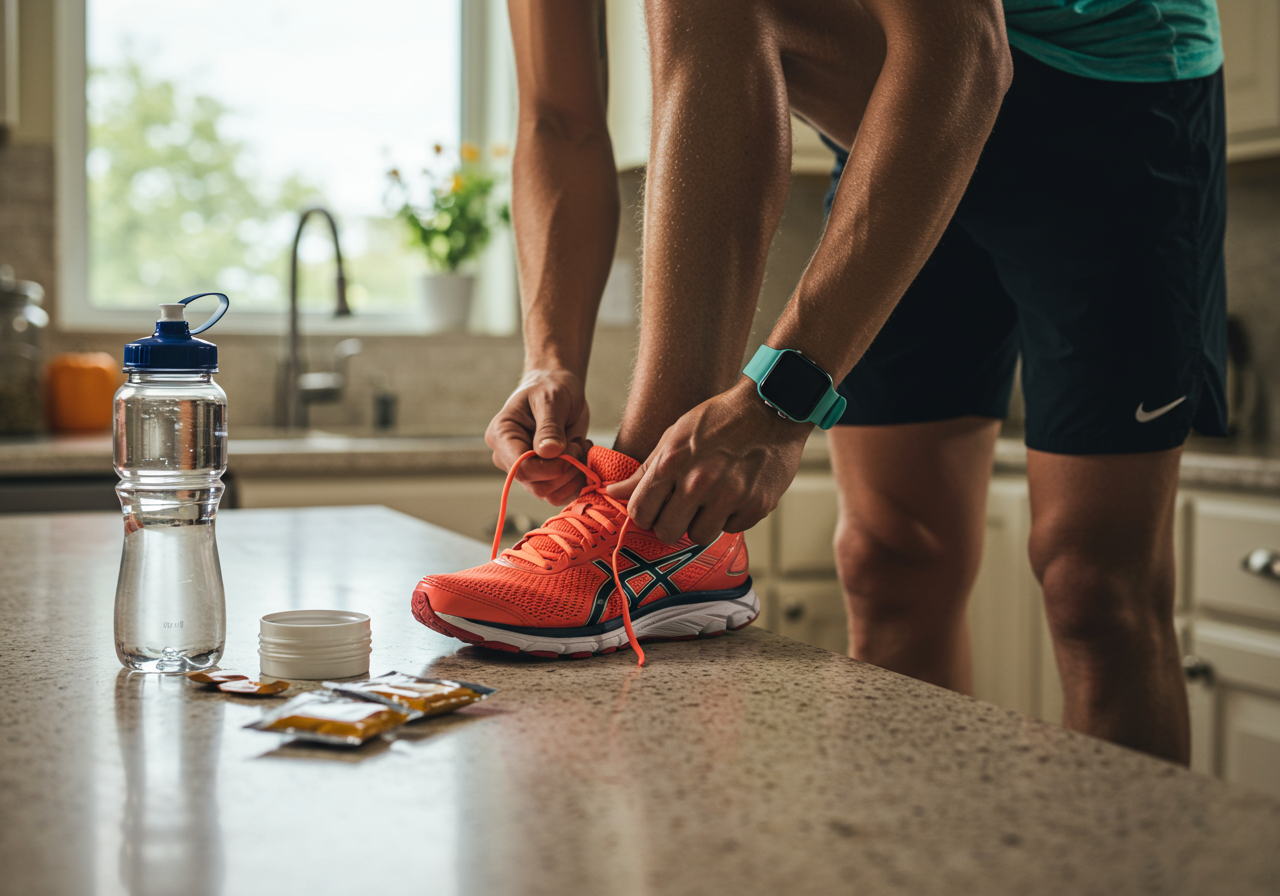
Fueling and hydration. – Pre‑easy: light snack if needed (e.g., banana + peanut butter). – Pre‑long/quality: 1–4 g/kg carbs in the 1–4 hours prior (scale to tolerance). – During runs >75–90 min: 30–45 g carbs/hour + 300–600 mg sodium/hour (hotter weather needs more). – Daily: protein 1.6–2.2 g/kg; carbs scale to volume; hydrate to pale yellow urine.
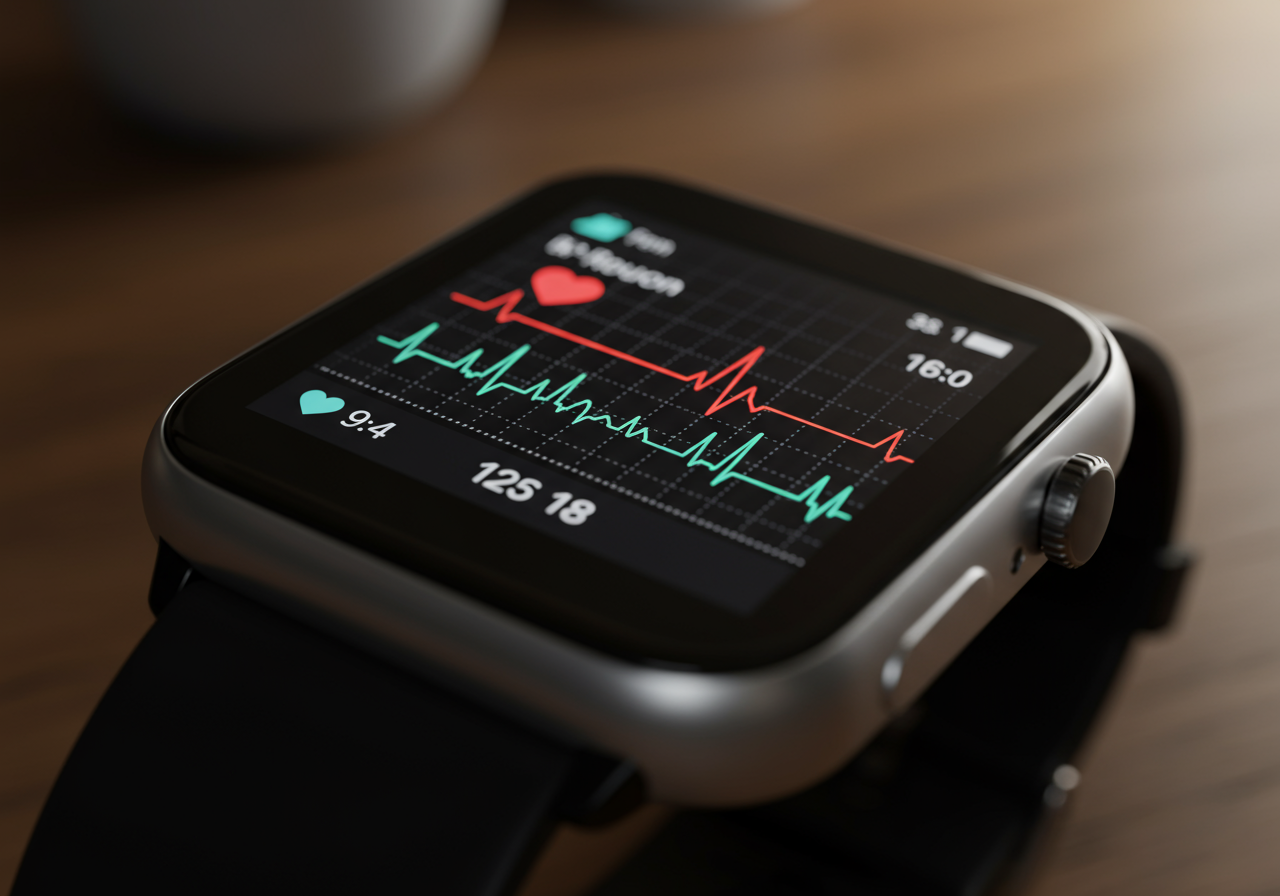
Tracking and feedback. Log runs in Strava or Garmin Connect. Add RPE and how your legs felt in the notes. Once weekly, review sleep, resting HR, and mood. If using HRV (Oura, Whoop, Garmin), downshift intensity when trending low.
Coach note: When beginners keep most miles truly easy, they bounce back faster and hold form better late in the long run. The speed takes care of itself after several consistent weeks.
Week-by-Week Intervals, Tempo, Hills, and Taper Schedule
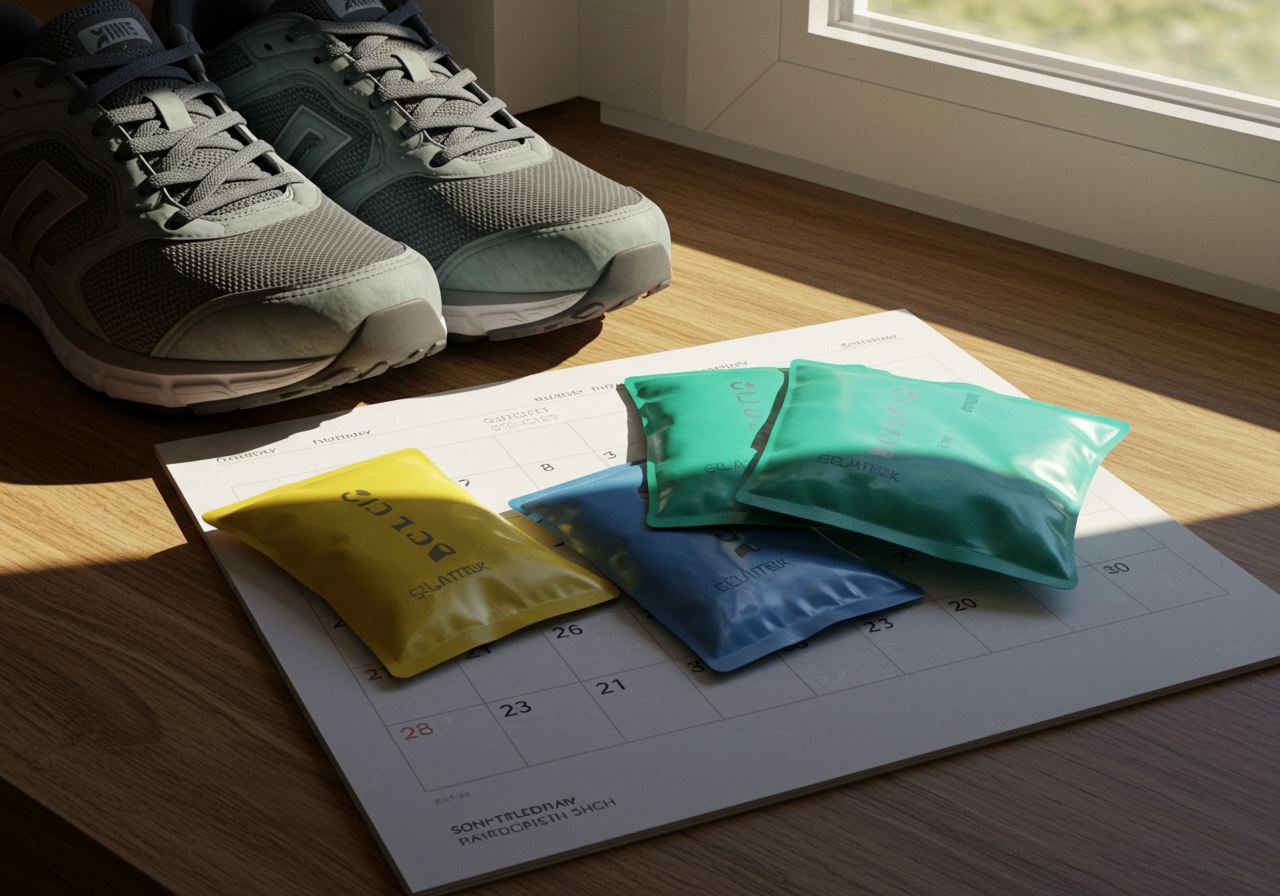
12‑week overview — weekly key session and long‑run target.
Caption: Use this as a compass; adjust durations by +/‑10% based on recovery.

Week 1: Interval intro 6×1 min @ 10K effort; Long 50–60 min easy.

Week 2: Threshold 2×8 min @ RPE 6–7; Long 60–70 min.

Week 3: Hills 6×45 sec @ RPE 7; Long 70–80 min.

Week 4: Cutback — strides only; Long 55–65 min.

Week 5: Intervals 5×2 min; Long 80–90 min.

Week 6: Threshold 3×8 min; Long 85–95 min.

Week 7: Hills 8×45 sec; Long 90–100 min.

Week 8: Intervals 4×3 min; Long 95–105 min.

Week 9: Threshold 2×12 min; Long 100–110 min.

Week 10: Intervals 5×3 min; Long 105–120 min.

Week 11: Specific 3 mi (5 km) steady in long run middle; total 90–100 min.

Week 12: Taper — short strides, easy runs; Race or dress rehearsal (30–40 min with 3×2 min @ race effort).
Beginner track. Run 4 days/week. Keep the quality day modest (e.g., cut one rep). Long run tops out around 10–11 miles or 100–110 minutes. Walk breaks are allowed early; reduce them gradually.
Intermediate track. Run 5 days/week. Keep the listed reps. Add 10–15 minutes of easy running to two non‑long runs. Long run peaks at 11–12 miles or 110–120 minutes.
Advanced track. Run 5 days + optional recovery jog. Convert one easy run into aerobic power (4–6 strides + short surges). Quality volume at top end of ranges; long run includes 15–25 minutes at race effort by Weeks 10–11.
Deload logic. Weeks 4 and 12 pull back intensity and total time. If fatigue spikes or life piles up, insert an extra easy day and trim reps first, not the warm‑up.
Validation. In client logs from recent groups, those who respected easy pacing and took cutbacks finished without bonking. Time improvements varied by history, but many noted lower RPE at the same paces after Week 8.
Keep 80% Easy, Monitor Heart Rate, Avoid Common Mistakes
Frequency and intensity. 80–90% of total time should feel easy. Keep only one true quality day most weeks. If HR or RPE is unexpectedly high, back off.
Common mistakes. Running easy days too hard; skipping fueling on long runs; new shoes too close to race day; adding volume and intensity simultaneously.
Monitoring. Track weekly minutes, long‑run duration, and one pace at a fixed RPE. Watch resting HR and mood. If HRV trends down for 3+ days, scale back.
Injury red flags. Sharp, localized pain that worsens with impact; bone tenderness; swelling. Stop impact, cross‑train, and consult a professional. For niggles: reduce by 30–50% for 3–5 days, keep strength work pain‑free, and resume gradually.
Plateaus and motivation dips. Swap the quality session style, run a low‑pressure 5K in Week 7–9, or add a scenic route with a friend. Small novelty goes far.
Recovery priorities. Sleep 7–9 hours, protein at 1.6–2.2 g/kg, carbs around hard days, electrolytes in the heat, and a 10‑minute walk after long runs.
Next steps. Save your plan in Google Sheets or your calendar, sync to Strava, and set reminders. If you want my editable template and checklists.
Client note: Runners who logged subjective feel in Garmin Connect alongside pace/HR spotted fatigue sooner and avoided overreaching. Your notes matter as much as your numbers.
Medical Disclaimer: The information provided on this website is for informational and educational purposes only and is not intended as personal medical or health advice. The content, including text, graphics, and images, is not a substitute for professional medical advice, diagnosis, or treatment. Always seek the advice of your physician or other qualified healthcare provider…
Medical Disclaimer: The information provided on this website is for informational and educational purposes only and is not intended as personal medical or health advice. The content, including text, graphics, and images, is not a substitute for professional medical advice, diagnosis, or treatment. Always seek the advice of your physician or other qualified healthcare provider…
Medical Disclaimer: The information provided on this website is for informational and educational purposes only and is not intended as personal medical or health advice. The content, including text, graphics, and images, is not a substitute for professional medical advice, diagnosis, or treatment. Always seek the advice of your physician or other qualified healthcare provider…
Medical Disclaimer: The information provided on this website is for informational and educational purposes only and is not intended as personal medical or health advice. The content, including text, graphics, and images, is not a substitute for professional medical advice, diagnosis, or treatment. Always seek the advice of your physician or other qualified healthcare provider…
Medical Disclaimer: The information provided on this website is for informational and educational purposes only and is not intended as personal medical or health advice. The content, including text, graphics, and images, is not a substitute for professional medical advice, diagnosis, or treatment. Always seek the advice of your physician or other qualified healthcare provider…
Medical Disclaimer: The information provided on this website is for informational and educational purposes only and is not intended as personal medical or health advice. The content, including text, graphics, and images, is not a substitute for professional medical advice, diagnosis, or treatment. Always seek the advice of your physician or other qualified healthcare provider…