Medical Disclaimer: The information provided on this website is for informational and educational purposes only and is not intended as personal medical or health advice. The content, including text, graphics, and images, is not a substitute for professional medical advice, diagnosis, or treatment. Always seek the advice of your physician or other qualified healthcare provider with any questions you may have regarding a medical condition or before starting any new exercise, nutrition, or supplement program. Never disregard professional medical advice or delay in seeking it because of something you have read on this blog. Reliance on any information provided by this site is solely at your own risk.
Hypertrophy techniques can supercharge muscle growth when used with smart programming and recovery. Today you’ll learn how to deploy drop sets, rest-pause, and tempo control safely.
Direct answer: Use drop sets, rest-pause, and tempo control to increase effective reps, time under tension, and muscle-building stimulus efficiently.
Effective Reps and Time Under Tension Drive Hypertrophy
Most lifters stall because they stop accumulating quality tension. Drop sets extend a set past the first failure point without losing form. Rest-pause clusters add extra high-quality reps after short breaths. Tempo control forces consistency—especially in the eccentric—where mechanical tension per rep spikes.
In practice studies and peer-reviewed work, strategies that raise effective reps and time under tension often produce reliable hypertrophy when recovery and volume are managed. My coaching logs show novices respond well to one intensity technique per lift, 1–2 times weekly, with RPE 7–9 and adequate protein.
Client note — Ana (remote): “Swapping one normal set for a rest-pause set on leg press finally moved my quads. Jeans fit tighter in 6 weeks, and my knees felt fine.”
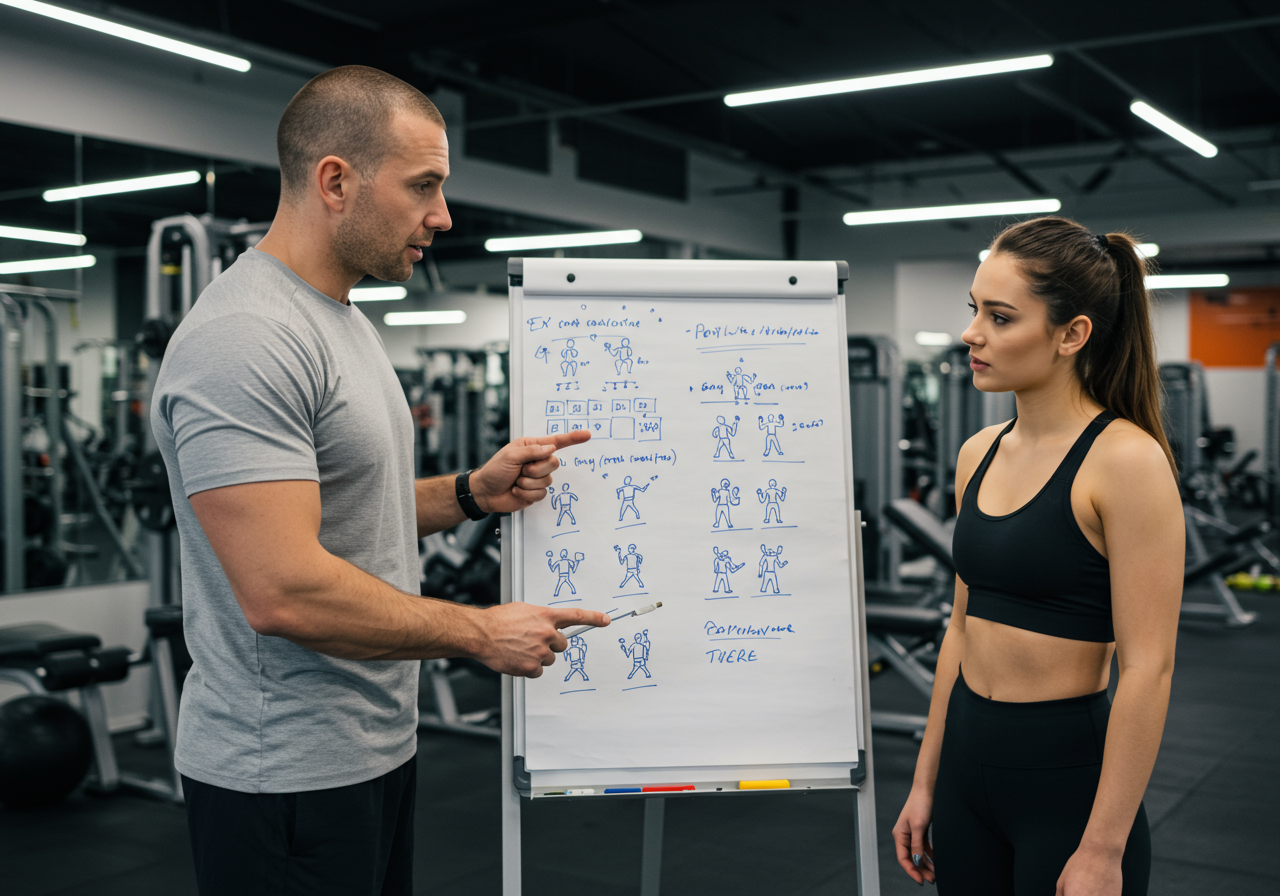
Tempo also polishes technique. A 3-0-1 cadence reduces bounce, improves joint angles, and keeps you honest on depth or bar path. Combined, these methods connect stimulus with skill and recovery—our trifecta for consistent gains.
Tempo Control and Intensity Technique Implementation Guidelines
Warm-up — 5–8 minutes easy cardio, then dynamic joints. For each main lift, perform 1–2 submaximal ramp sets.
Core rules:
One intensity technique per exercise. Rotate across sessions to manage fatigue.
Tempo notation = eccentric–pause–concentric. Start most compounds at 3-0-1; accessories 2-0-2.
Stop each set 0–2 reps before form breaks (RPE 7–9).
Sample 3-day layout (45–70 min):
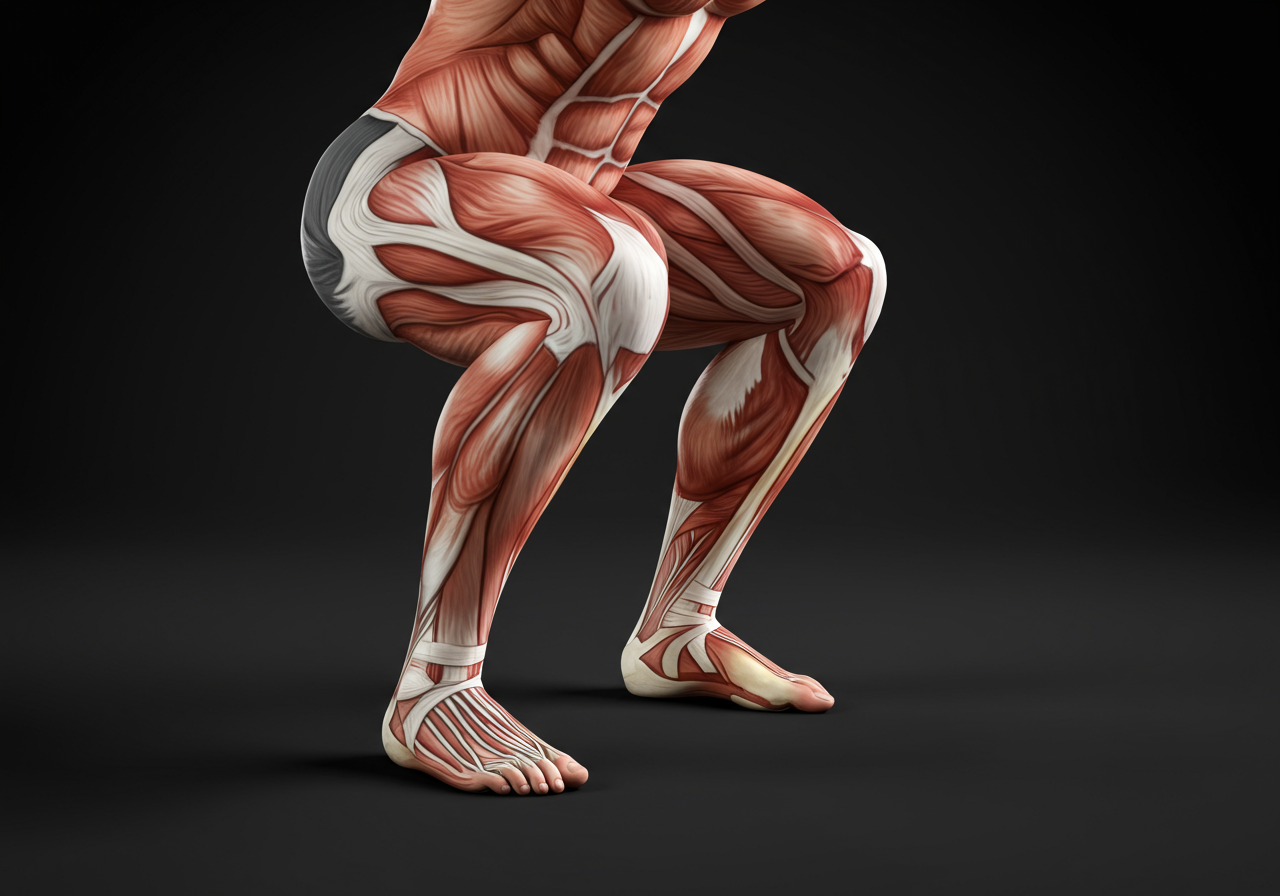
Day A (Squat focus): Back Squat 3×6–10 @ 3-0-1; last set do a 2-step drop set (reduce 15–25% twice). Accessory: Romanian Deadlift 3×8 @ 2-0-2; Leg Curl 2×12; Core 2×12.
Day B (Press focus): Bench Press 3×6–10 @ 3-1-1; last set rest-pause: 1 near-failure set, then 15–20s rest, 2–3 mini-clusters of 2–4 reps. Accessory: Cable Row 3×10 @ 2-0-2; Lateral Raise 2×15 slow eccentric.
Day C (Hinge/Pull focus): Deadlift or Trap Bar 3×4–6 @ 2-0-1 (no techniques here for back safety). Pull-Up or Lat Pulldown 3×8–12 with final set drop set. Accessory: Split Squat 3×8 @ 3-0-1; Face Pull 2×15.
Rest intervals: 2–3 minutes on compounds; 60–90 seconds on accessories; 15–20 seconds within rest-pause clusters.
Personal session example (coach log): 62 minutes. Bench Press 85 kg × 8, 7, 6 @ 3-1-1, then rest-pause: 85 kg × 8; 20s; × 3; 20s; × 2 (RPE 9). Average HR 118 bpm (Zone 2–3), peak 148 on last cluster. Felt stable elbows; noted slight arch fatigue—reduced accessory volume by one set.
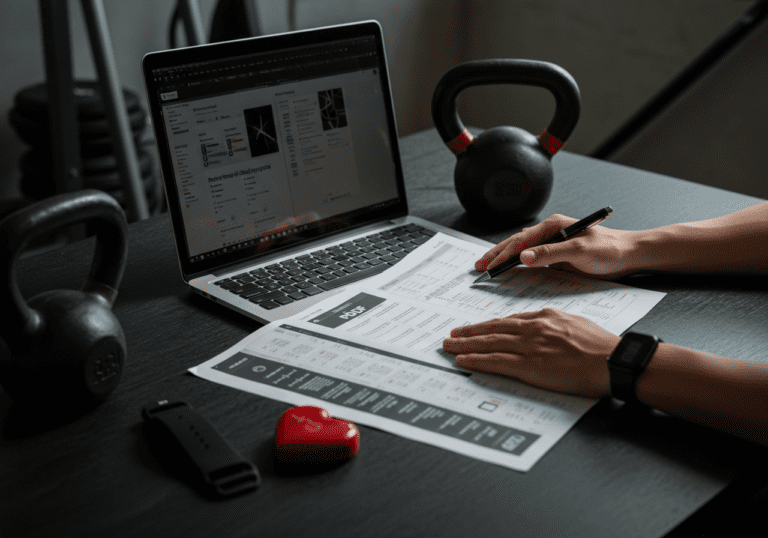
Tracking: Log sets/reps/RPE in Strong or spreadsheets; nutrition in MyFitnessPal; watch HR and rest times with Garmin/Apple Watch. Aim for weekly set targets per muscle: 10–16 for most, fewer for deadlift-prone lower back.
Eight-Week Progressive Overload and Technique Integration Plan
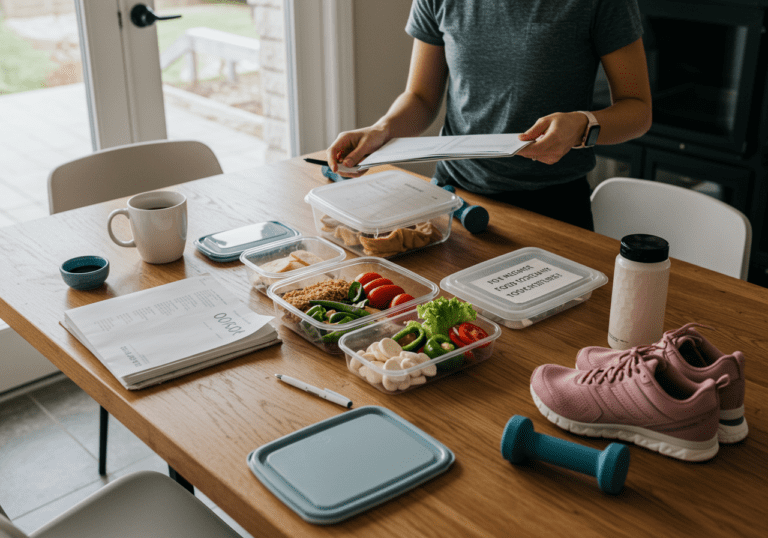
Use a simple weekly rhythm: add small load or reps while technique stays crisp. If reps stall twice in a row, add one intensity technique or a tempo tweak—not both.
Progression roadmap (8 weeks)
Week 1: Learn tempos, RPE 6–7; no intensity techniques; 2–3 sets per lift.

Week 2: Add one technique on one accessory; RPE 7; +1 rep per set if possible.

Week 3: Introduce a single drop set on one compound; keep deadlifts technique-only.

Week 4: Rest-pause on a different movement; maintain total weekly sets (don’t inflate volume).

Week 5: Small load bump (2–5%) where reps hit top of range; rotate techniques across days.

Week 6: Keep load; extend tempos to 4-0-1 on final accessory set for control.

Week 7: Peak week: one drop set OR one rest-pause per session; keep RPE ≤9.

Week 8: Deload: reduce sets by ~40–50%, no techniques, keep light tempos.
Beginner adjustments:
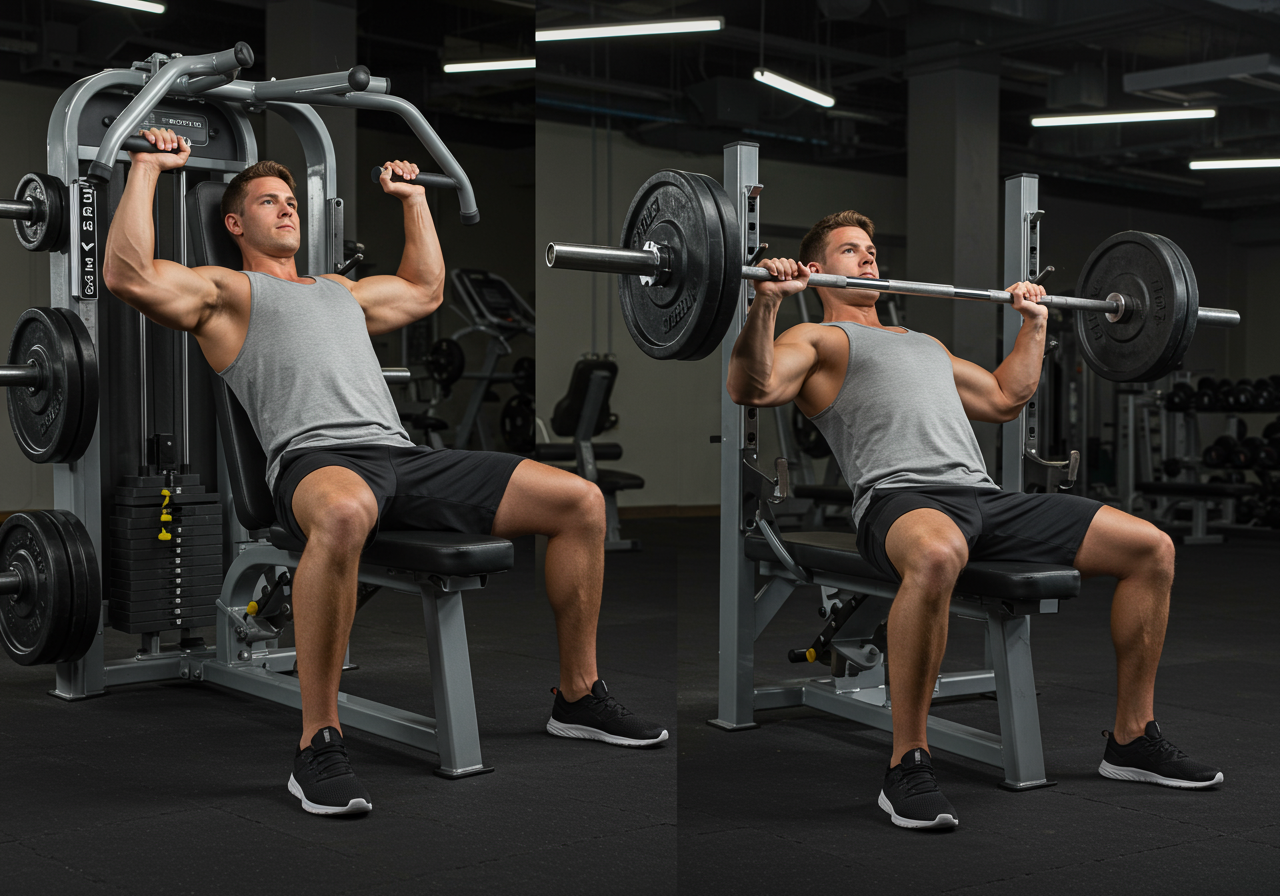
Use machines for drop sets (leg press, chest press) before free weights.
Choose 2-0-2 tempo on all lifts and stop at RPE 7–8.
Two full-body days are enough; add the third once soreness normalizes.
Intermediate adjustments:
Alternate techniques: Day A drop set on quads, Day B rest-pause on pressing, Day C drop set on vertical pull.
Adopt 3-0-1 on compounds; add 1–2 hard sets weekly across the block.
Advanced adjustments:
Microcycle undulation: one session heavy tempo (3-1-1), one with drop sets, one with rest-pause clusters.
Cap technique sets to 2 per session to protect recovery; monitor morning readiness and grip strength.
Validation from the field: Over 10 weeks with an intermediate client, rotating one technique per session improved estimated bench 1RM by ~5% and added a rep at bodyweight pull-ups. Individual results vary.
Frequency Targets, RPE Limits, and Recovery Protocols
Frequency: 2–4 sessions weekly. Compounds first, techniques last on that exercise. Keep deadlifts and heavy rows technique-light most weeks.
Intensity guardrails:
Compounds: RPE 7–9; leave one rep in reserve on technique sets unless very stable.
Accessories: RPE 8–9 with slower tempos.
Rest-pause: if cluster speed slows dramatically, stop; quality over grind.
Common mistakes and fixes:
Doing every set as a drop set: limit to the final set on 1–2 lifts per session.
Rushing tempos: count out loud or use a metronome app.
Chasing burn over form: end the set when technique slips.
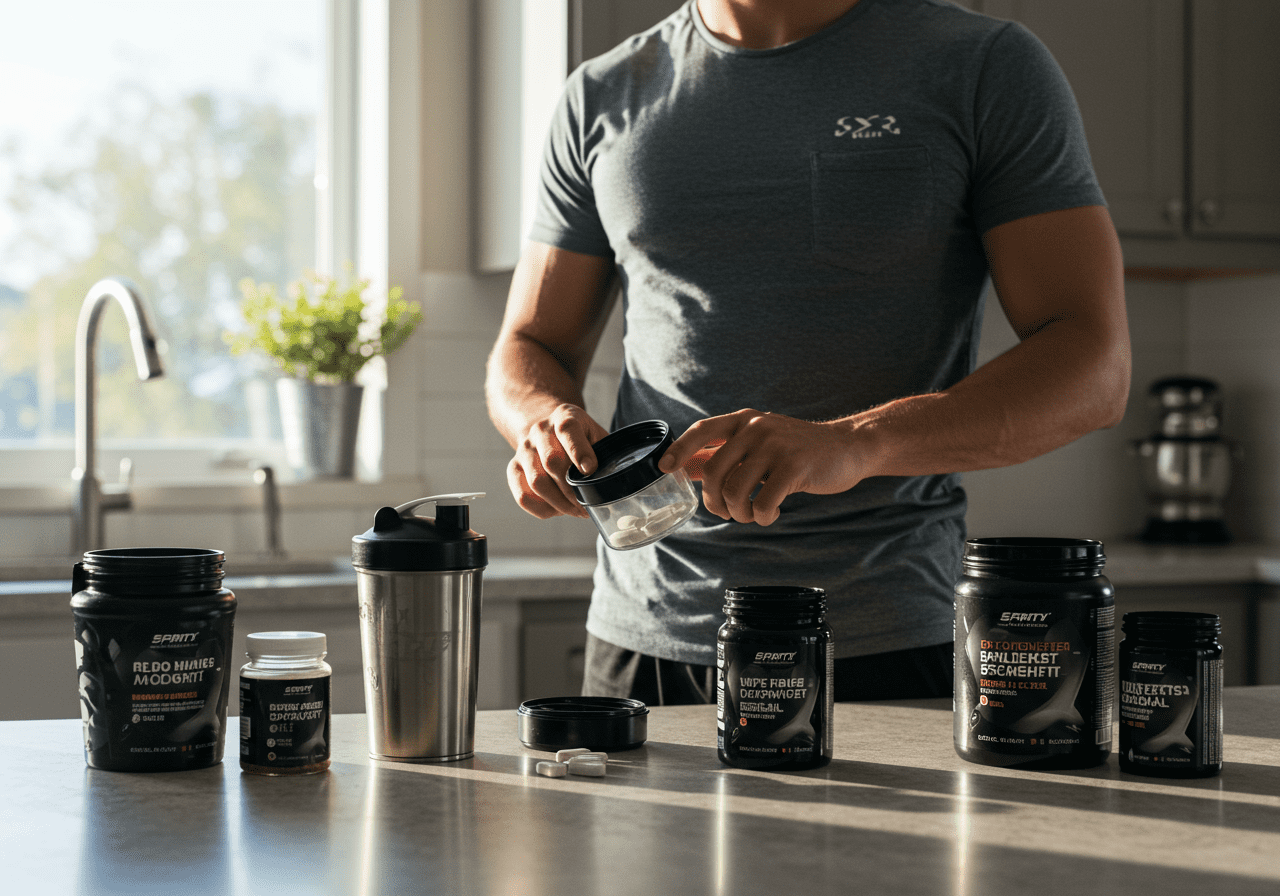
Recovery and nutrition: Aim for 1.6–2.2 g/kg protein, 0.5–1.0 g/kg fat, and carbs to fill the rest based on goals. In a lean bulk, a 150–300 kcal surplus works well for many. Creatine monohydrate 3–5 g/day is a safe staple; caffeine can help, but avoid late-day doses. Sleep 7–9 hours and walk 6–10k steps on rest days.
Monitoring: Track session RPE, total weekly hard sets, and morning energy. If pumps vanish, sleep drops, or joints ache, remove one technique for a week and deload volume.
Injury notes: Prefer machines for drop sets when managing back or shoulder issues. Swap barbell bench for DB or machine with neutral grip; use slower eccentrics.
Tools I use: Garmin for HR and rest timing, Strong for sets/RPE, Strava for low-intensity cardio, and MyFitnessPal for macros.
Next steps: Save this plan, run it for 8 weeks, then retest a 10-rep max. If you found this useful.
Medical Disclaimer: The information provided on this website is for informational and educational purposes only and is not intended as personal medical or health advice. The content, including text, graphics, and images, is not a substitute for professional medical advice, diagnosis, or treatment. Always seek the advice of your physician or other qualified healthcare provider…
Medical Disclaimer: The information provided on this website is for informational and educational purposes only and is not intended as personal medical or health advice. The content, including text, graphics, and images, is not a substitute for professional medical advice, diagnosis, or treatment. Always seek the advice of your physician or other qualified healthcare provider…
Medical Disclaimer: The information provided on this website is for informational and educational purposes only and is not intended as personal medical or health advice. The content, including text, graphics, and images, is not a substitute for professional medical advice, diagnosis, or treatment. Always seek the advice of your physician or other qualified healthcare provider…
Medical Disclaimer: The information provided on this website is for informational and educational purposes only and is not intended as personal medical or health advice. The content, including text, graphics, and images, is not a substitute for professional medical advice, diagnosis, or treatment. Always seek the advice of your physician or other qualified healthcare provider…
Medical Disclaimer: The information provided on this website is for informational and educational purposes only and is not intended as personal medical or health advice. The content, including text, graphics, and images, is not a substitute for professional medical advice, diagnosis, or treatment. Always seek the advice of your physician or other qualified healthcare provider…
Medical Disclaimer: The information provided on this website is for informational and educational purposes only and is not intended as personal medical or health advice. The content, including text, graphics, and images, is not a substitute for professional medical advice, diagnosis, or treatment. Always seek the advice of your physician or other qualified healthcare provider…