Medical Disclaimer: The information provided on this website is for informational and educational purposes only and is not intended as personal medical or health advice. The content, including text, graphics, and images, is not a substitute for professional medical advice, diagnosis, or treatment. Always seek the advice of your physician or other qualified healthcare provider with any questions you may have regarding a medical condition or before starting any new exercise, nutrition, or supplement program. Never disregard professional medical advice or delay in seeking it because of something you have read on this blog. Reliance on any information provided by this site is solely at your own risk.
Contrast therapy blends brief cold and heat bouts to speed recovery between workouts. You’ll learn when to end cold or heat, how to progress safely, and how to track results.
Direct answer: Do 3–5 cycles of 1–3 minutes cold and 2–5 minutes heat; finish cold after strength, finish heat after mobility or before sleep.
Vascular shifts reduce soreness and improve training readiness
Cold constricts vessels and can dampen acute soreness and swelling; heat dilates vessels and eases muscle stiffness. Alternating them shifts blood flow, may modulate inflammation, and can calm the nervous system after hard training. The result many notice first is less perceived soreness and easier movement.
In controlled studies, contrast work often helps subjective recovery and limb swelling, while performance gains are inconsistent. I use it for comfort and readiness, not as a magic strength builder. With clients, I’ve seen steadier training adherence when they feel less beat up, which compounds progress over weeks.
My own data: during a 6‑week half‑marathon block (Garmin + Strava), evening contrast on hard days coincided with steadier sleep and fewer skipped runs. That’s correlation, not proof, but it’s been practically useful. Two clients—Ana (recreational runner) and Chris (jiu‑jitsu)—reported easier next‑day warm‑ups and less morning stiffness. We still prioritized protein, sleep, and smart programming first.
Timer-based protocol with cold and heat sources
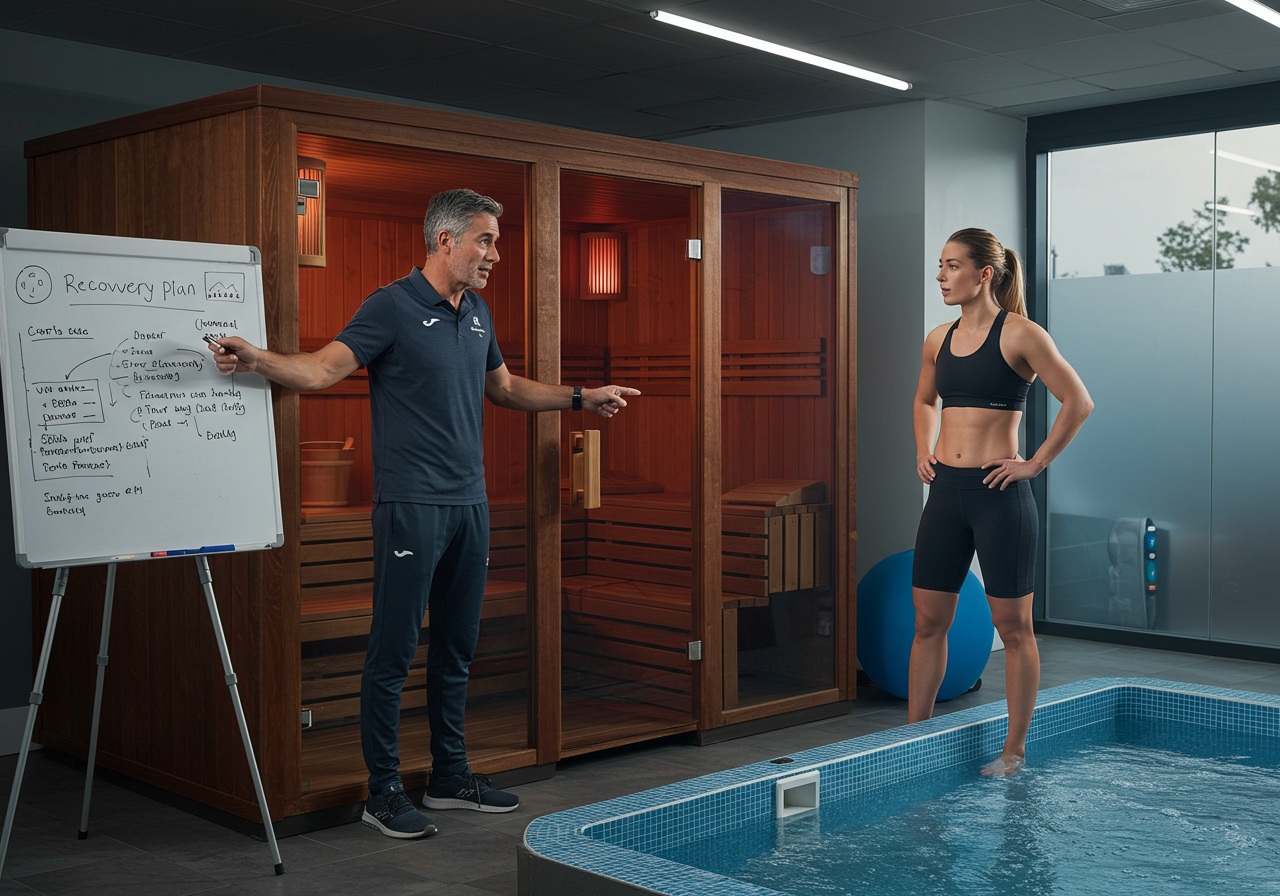
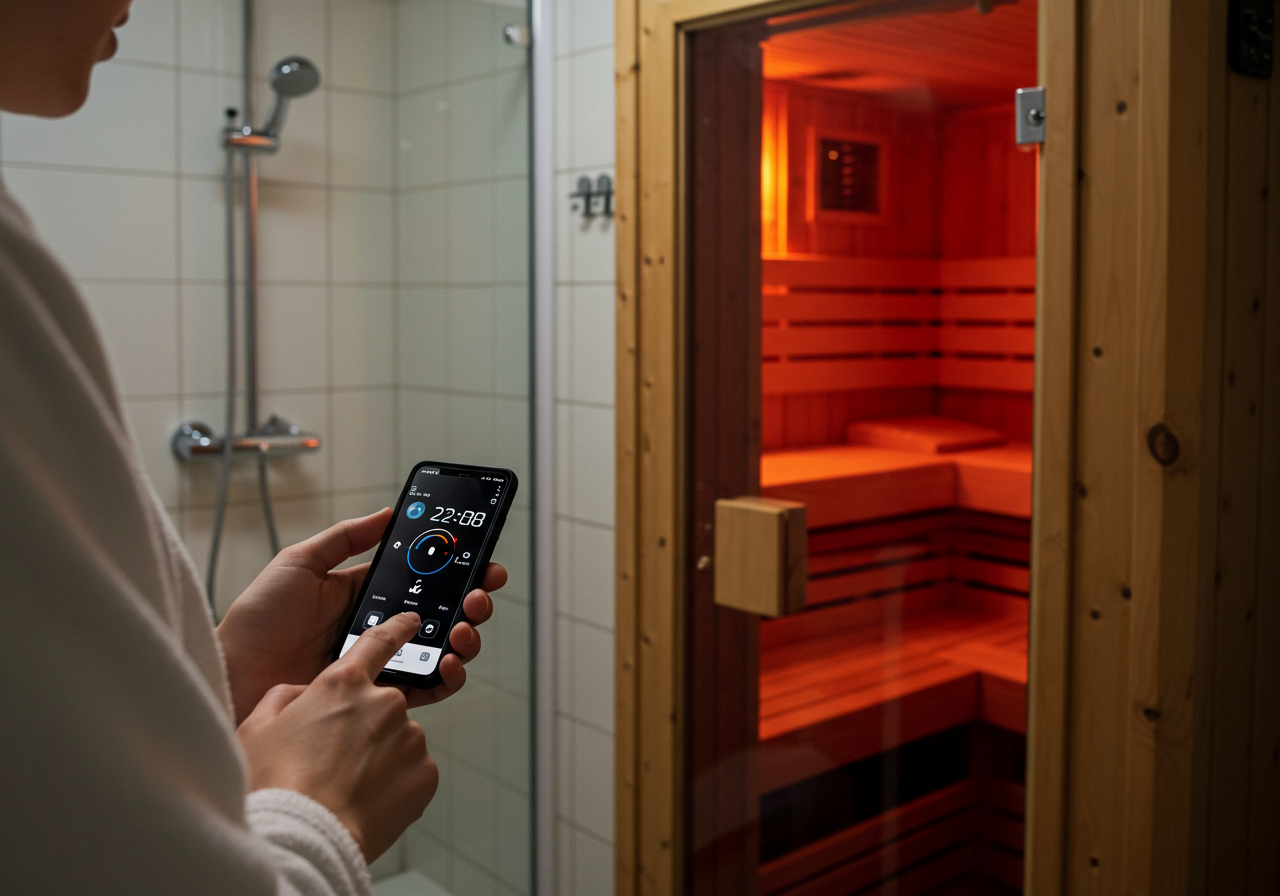
Set-up: You need a cold source (cool shower 10–15°C, ice bath if available, or outdoor cold dip) and a heat source (sauna 70–90°C, hot shower, or hot tub). A kitchen timer or app helps. Keep water and a towel nearby.
Screening: If you have cardiovascular disease, uncontrolled hypertension, neuropathy, pregnancy, Raynaud’s, or cold/heat intolerance, get medical clearance. Never do extreme cold alone. Avoid alcohol.
Breathing: During cold, breathe slowly through the nose (4–6 breaths/min if comfortable). During heat, keep easy nasal or relaxed mouth breathing; exit if dizzy.
Routine (general fitness):
Cold: 1–3 minutes. Aim for uncomfortably cold but safe; stop before numbness or intense shivering.
Heat: 2–5 minutes. Warm but not overwhelming; exit if lightheaded.
Repeat: 3–5 cycles. Towel off lightly between transitions for safety.
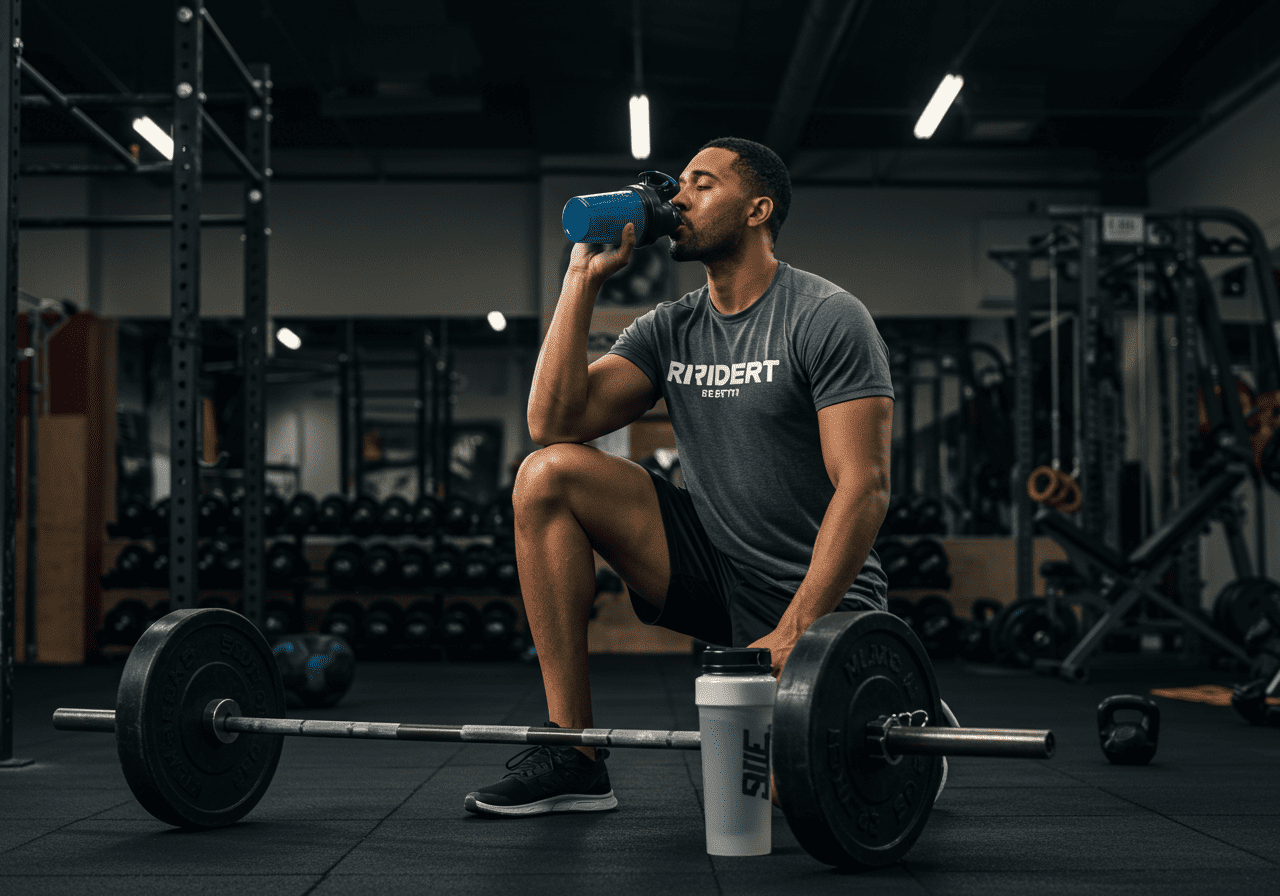
Finish: End cold after strength/HIIT; end heat after mobility or before bed.
Fuel and rewarm: After finishing, dry off, dress warm, sip fluids, and eat 20–40 g protein with carbohydrates within an hour. Add sodium if you sweat heavily.
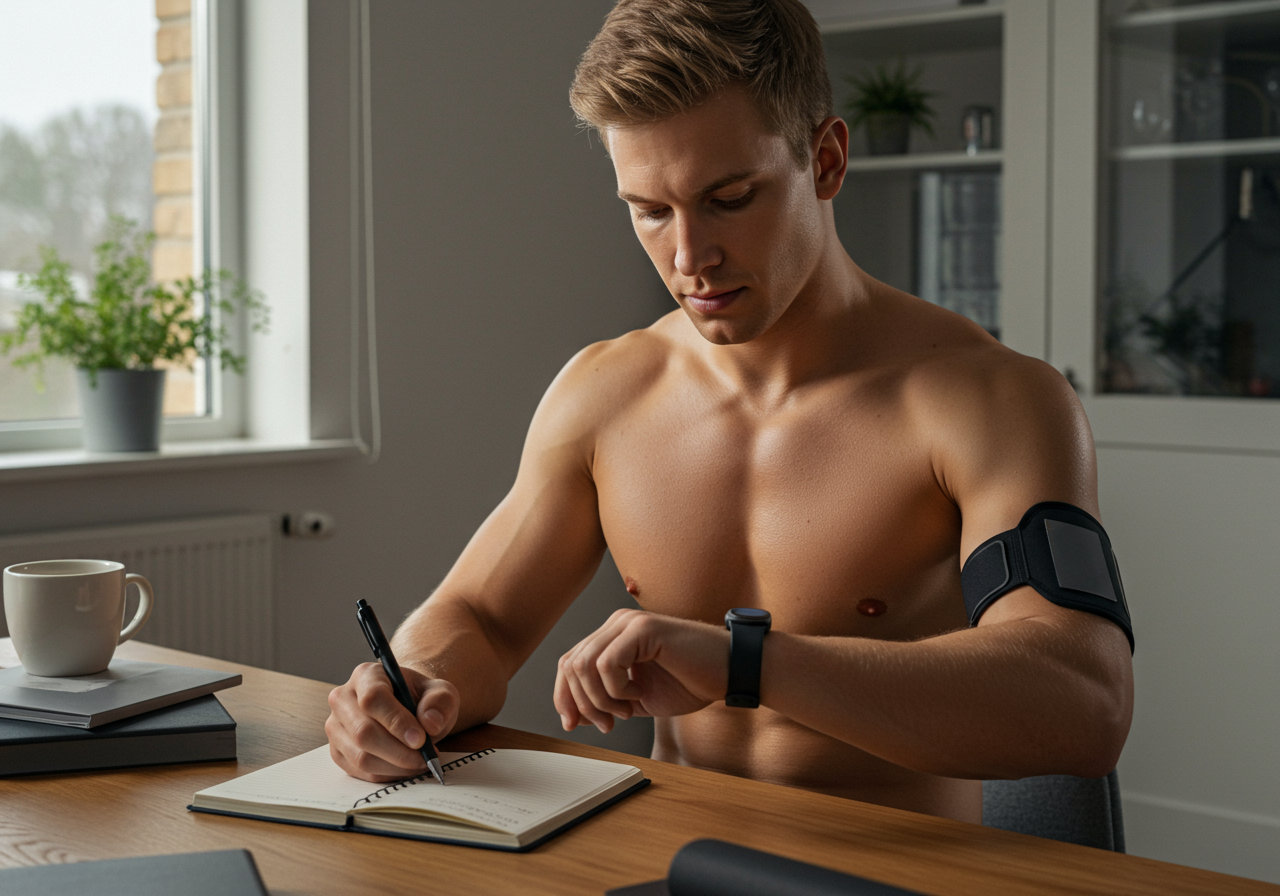
Tracking: Log sessions alongside training in Strava, Garmin, or Apple Health. Note next‑day soreness (0–10), sleep quality, and session RPE. A simple notes app works.
Quick reference (durations, cycles, and finishing choice)
Goal: Reduce soreness after lifting; Cold: 1–3 min; Heat: 2–4 min; Cycles: 3–4; End with: Cold

Goal: Loosen up after mobility/yoga; Cold: 1–2 min; Heat: 3–5 min; Cycles: 3–5; End with: Heat

Goal: Calm nerves before sleep; Cold: 0–1 min (optional); Heat: 5–8 min gentle; Cycles: 2–3; End with: Heat

Goal: Between back‑to‑back practices; Cold: 1–2 min; Heat: 2–3 min; Cycles: 2–3; End with: Cold
Coach tip: If you only have a shower, alternate cold and hot within the same shower and step out between bouts to avoid slipping.
Scale from 2 cycles to phase-specific finishes
Beginner (Weeks 1–2): 2–3 sessions/week. 2–3 cycles of 1 min cold + 2–3 min heat. Stay conservative and learn breathing. Finish based on your next session.
Novice (Weeks 3–4): 3 sessions/week. 3–4 cycles of 1–2 min cold + 3–4 min heat. Use a timer. Note soreness and sleep each morning.
Intermediate (Weeks 5–8): 3–4 sessions/week aligned with hardest training days. 3–5 cycles of 2–3 min cold + 3–5 min heat. Add one extra heat minute on mobility days.
Advanced / Specific goals (Beyond 8 weeks): Adjust finish modality to your phase. Strength or sprint blocks: usually finish cold on heavy days. Skill/mobility emphasis or evening sessions: finish heat. Deload weeks: reduce cycles by 30–50%.
Integration with training examples:
Endurance base day: 45–60 min Zone 2 run (HR ~60–70% max). Evening: 3 cycles 1 min cold / 3 min heat, finish heat for sleep.
Heavy lower‑body lift: Back squat 4×5 @ RPE 7–8, accessory hamstrings. Post‑lift: 3–4 cycles 2 min cold / 3 min heat, finish cold.
HIIT ride: 6×2 min @ Zone 5, 3 min easy between. Later: 3 cycles 2 min cold / 2 min heat, finish cold.
My recent week (example): Tue—45‑min Zone 2 ride (avg HR 135 bpm), then squats 4×5 @ ~75% 1RM. Evening contrast: 3 cycles (2′ cold, 3′ heat), finished cold. Thu—Mobility + easy jog, contrast finished heat before bed. I felt looser for Friday intervals.
When to skip: If you need maximum hypertrophy signaling immediately post‑lift, delay cold a few hours or choose heat only. If you’re already chilled after outdoor training, rewarm first before adding cold.
Avoid extremes, track metrics, support with nutrition
Frequency: 2–4 sessions/week is plenty for most. Intensity: Aim for challenging but controllable discomfort—never pain, numbness, or dizziness. Duration beats extremes; consistency beats heroic dips.
Common mistakes and fixes:
Going too cold too soon: Start with cool showers before ice baths.
Overusing after lifts: If size is a priority, delay cold several hours post‑strength.
Skipping hydration: Add fluids and electrolytes after heat.
No logging: Track soreness, sleep, and session RPE to see patterns.
Nutrition and recovery: Anchor protein at 1.6–2.2 g/kg/day, carbs around training, and 7–9 hours of sleep. Magnesium and tart cherry can help some people; responses vary.
Monitoring: Look for steadier morning readiness—resting HR stable, HRV not trending down, fewer skipped sessions. If your sleep worsens or you dread sessions, reduce cycle count or finish heat.
Results check‑in: After 3–4 weeks, compare soreness logs, sleep notes, and session RPE. In my practice, athletes often report easier warm‑ups and steadier weekly volume; performance changes vary by sport.
Safety: Stop if you feel faint, chest pain, or numbness. Have supervision for cold plunges. Warm gradually after sessions. If you have medical conditions, get clearance first.
Next steps: Pair this with a balanced program—cardio (Zone 2 + intervals), strength (2–3 days/week), and mobility.
Medical Disclaimer: The information provided on this website is for informational and educational purposes only and is not intended as personal medical or health advice. The content, including text, graphics, and images, is not a substitute for professional medical advice, diagnosis, or treatment. Always seek the advice of your physician or other qualified healthcare provider…
This content is for general informational purposes only. Downloadable program PDFs are often used to present structured plans with clear steps and tracking elements. A well-organized format can make it easier to follow and complete. A practical approach is to define a clear goal, organize steps logically, include tracking elements, and provide simple follow-up actions….
Medical Disclaimer: The information provided on this website is for informational and educational purposes only and is not intended as personal medical or health advice. The content, including text, graphics, and images, is not a substitute for professional medical advice, diagnosis, or treatment. Always seek the advice of your physician or other qualified healthcare provider…
Medical Disclaimer: The information provided on this website is for informational and educational purposes only and is not intended as personal medical or health advice. The content, including text, graphics, and images, is not a substitute for professional medical advice, diagnosis, or treatment. Always seek the advice of your physician or other qualified healthcare provider…
Medical Disclaimer: The information provided on this website is for informational and educational purposes only and is not intended as personal medical or health advice. The content, including text, graphics, and images, is not a substitute for professional medical advice, diagnosis, or treatment. Always seek the advice of your physician or other qualified healthcare provider…
Medical Disclaimer: The information provided on this website is for informational and educational purposes only and is not intended as personal medical or health advice. The content, including text, graphics, and images, is not a substitute for professional medical advice, diagnosis, or treatment. Always seek the advice of your physician or other qualified healthcare provider…