Medical Disclaimer: The information provided on this website is for informational and educational purposes only and is not intended as personal medical or health advice. The content, including text, graphics, and images, is not a substitute for professional medical advice, diagnosis, or treatment. Always seek the advice of your physician or other qualified healthcare provider with any questions you may have regarding a medical condition or before starting any new exercise, nutrition, or supplement program. Never disregard professional medical advice or delay in seeking it because of something you have read on this blog. Reliance on any information provided by this site is solely at your own risk.
Macros for body composition are the simplest way I know to align food with training and get visible results. In this guide, I show you how to set, track, and adjust macros while running a balanced program for strength, cardio, and mobility.
Direct answer: Adjust protein, carbs, and fats weekly using weight trend, waist changes, training performance, and recovery quality.
Fuel Workouts Right to Build Lean Mass
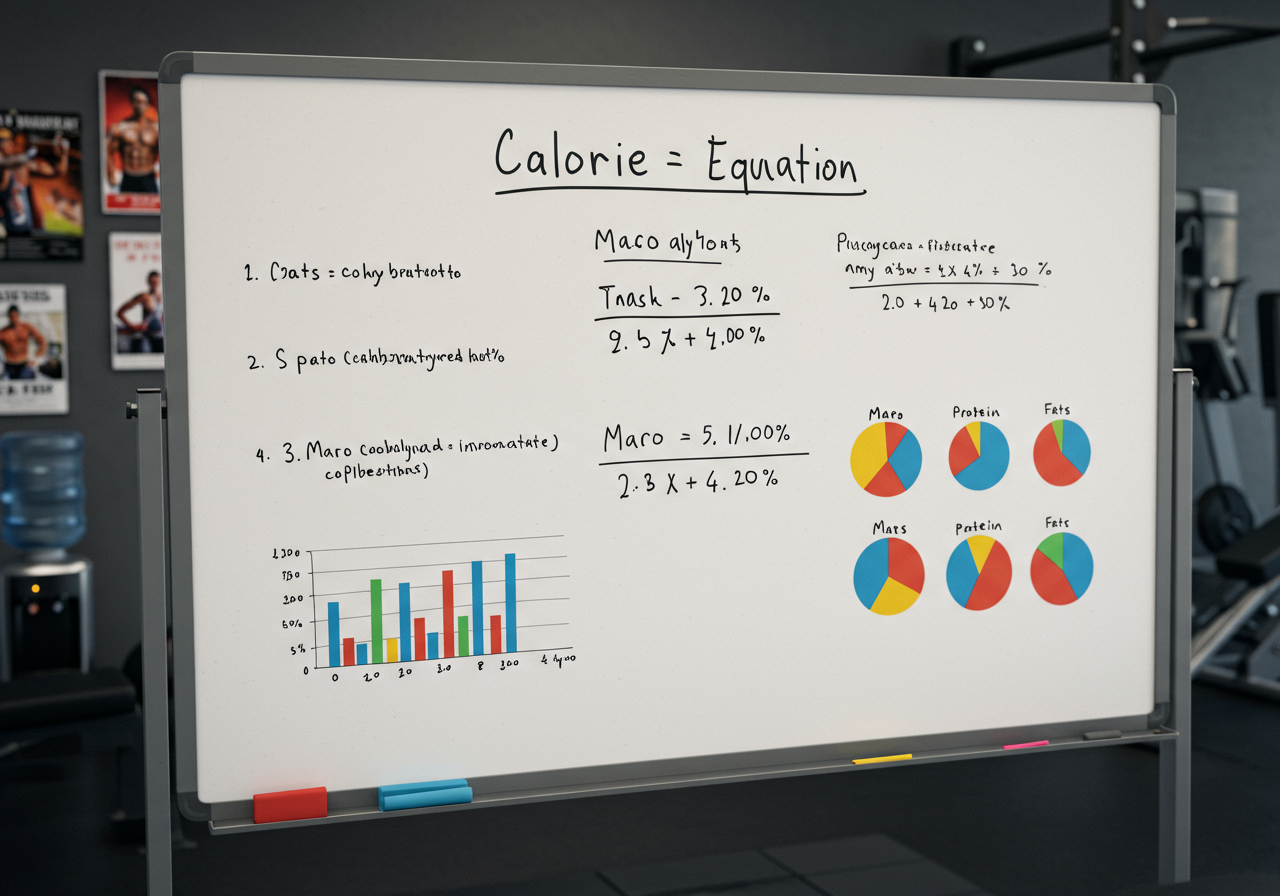
Training transforms your body when fuel matches the workload. Protein supports muscle repair and satiety. Carbohydrates refill glycogen to power lifts and intervals. Dietary fat supports hormones and absorption of fat‑soluble vitamins. The right macro mix lets you push harder, recover cleaner, and keep consistency.
In gym practice and peer‑reviewed reports, moderate protein with adequate carbs often preserves strength during fat loss, while steady surpluses plus progressive overload build lean mass. My clients who pair macro tracking with structured sessions tend to sustain progress longer than those guessing portions.
Client snapshot (self-reported): Jess, a 34‑year‑old beginner lifter, averaged a 300–400 kcal deficit with 1.8 g/kg protein. Over eight weeks she lost 6 cm at the waist while maintaining her 5‑rep squat at 60 kg; we bumped carbs on lower‑body days to steady bar speed.
From my own logs: when I underfuel carbs on interval days, heart rate drifts higher at the same pace and RPE climbs. Returning 25–40 g carbs pre‑workout stabilizes power and keeps recovery smooth.
Calculate Calories and Allocate Macros by Day
1) Estimate calories. Use a trusted calculator or average a week of honest logging in MyFitnessPal. Choose a small change: about a 10–15% deficit for fat loss or 5–10% surplus for muscle gain. Beginners usually do best with smaller shifts.
2) Set protein. Aim for roughly 1.6–2.2 g/kg of goal body weight. Keep this steady across the week to protect lean mass and curb hunger.
3) Allocate fats. Start around 0.6–1.0 g/kg. Lower end supports higher carb training days; higher end can improve satiety on rest days. Avoid going extremely low for long stretches.
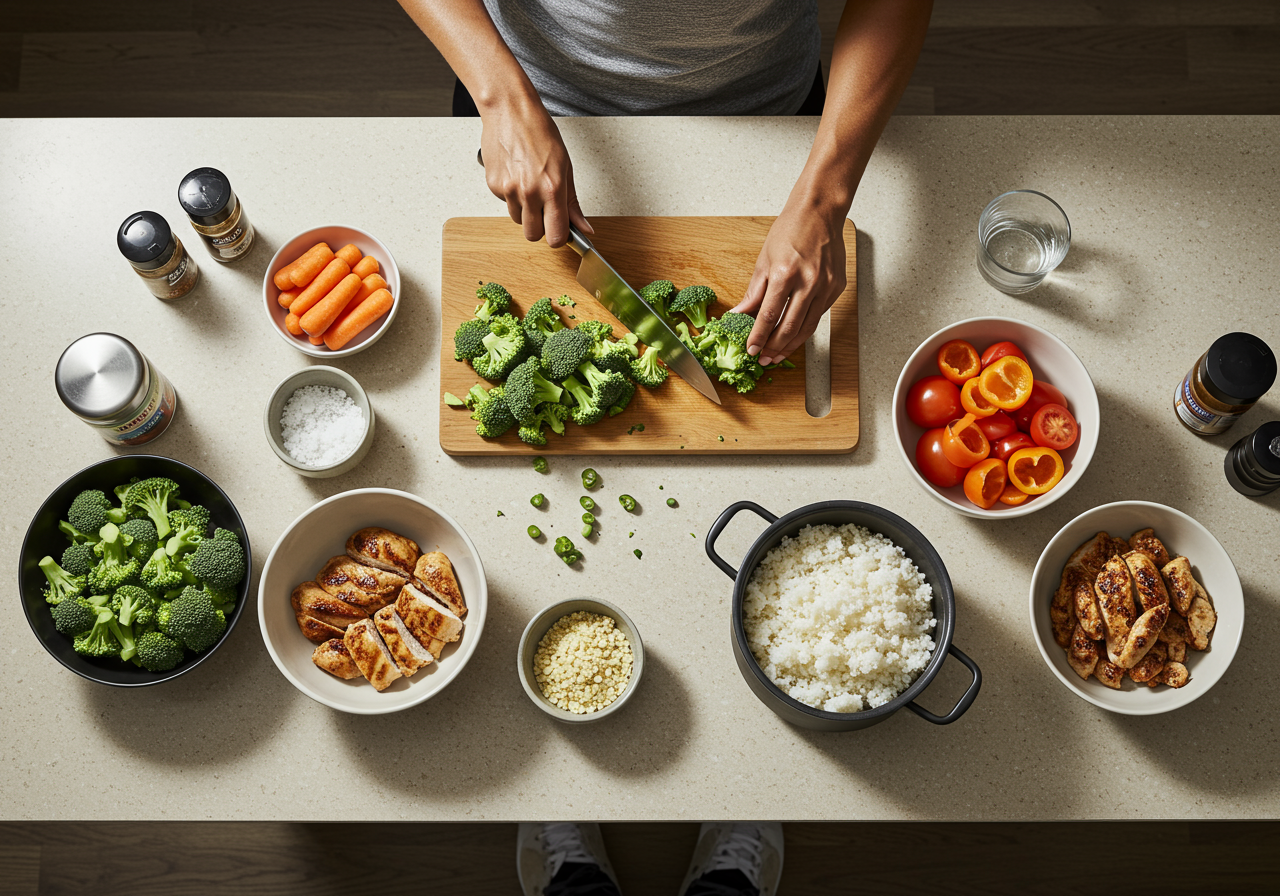
4) Fill carbs with the remaining calories. On lifting and interval days, prioritize carbs around training (60–120 minutes pre‑ and post‑workout). On rest or light cardio days, scale carbs down modestly while keeping protein consistent.
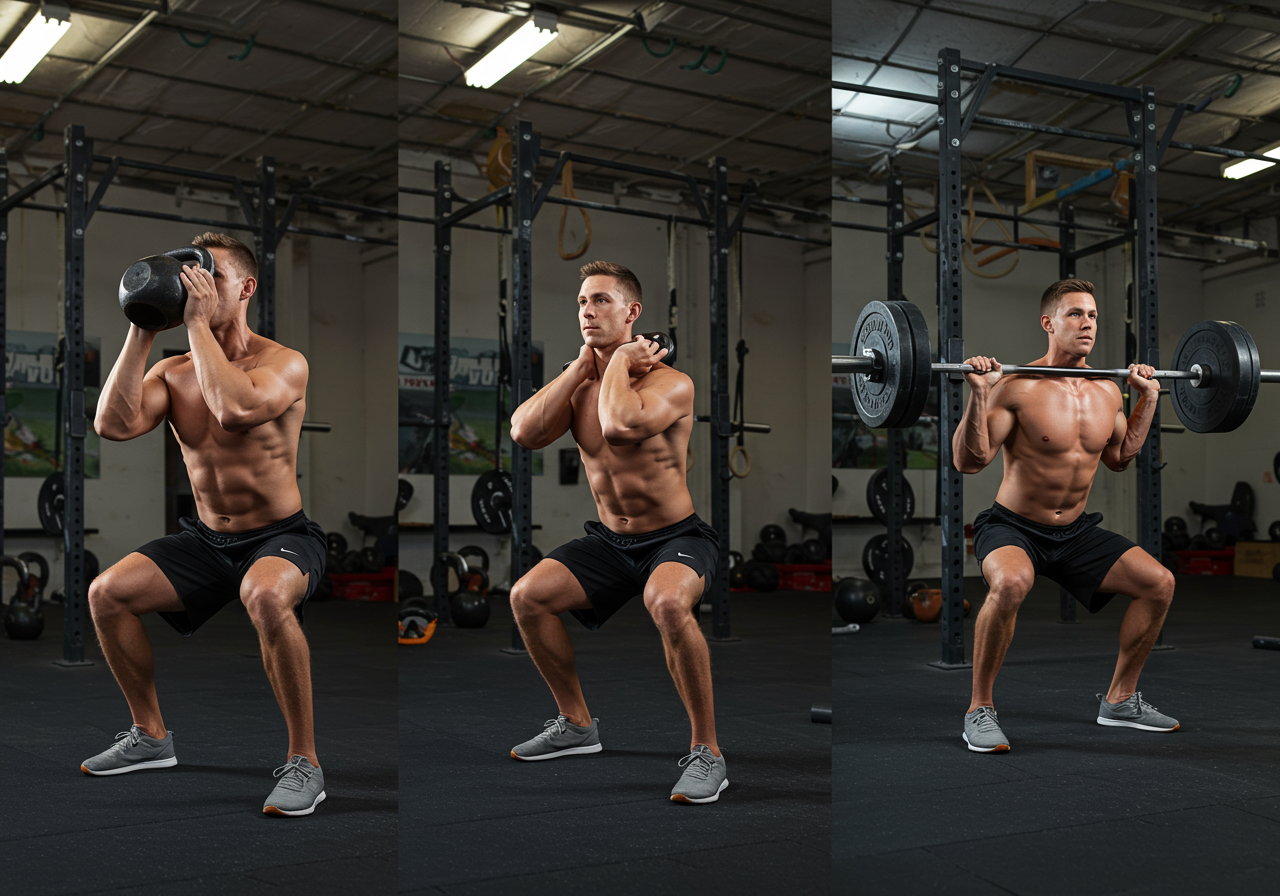
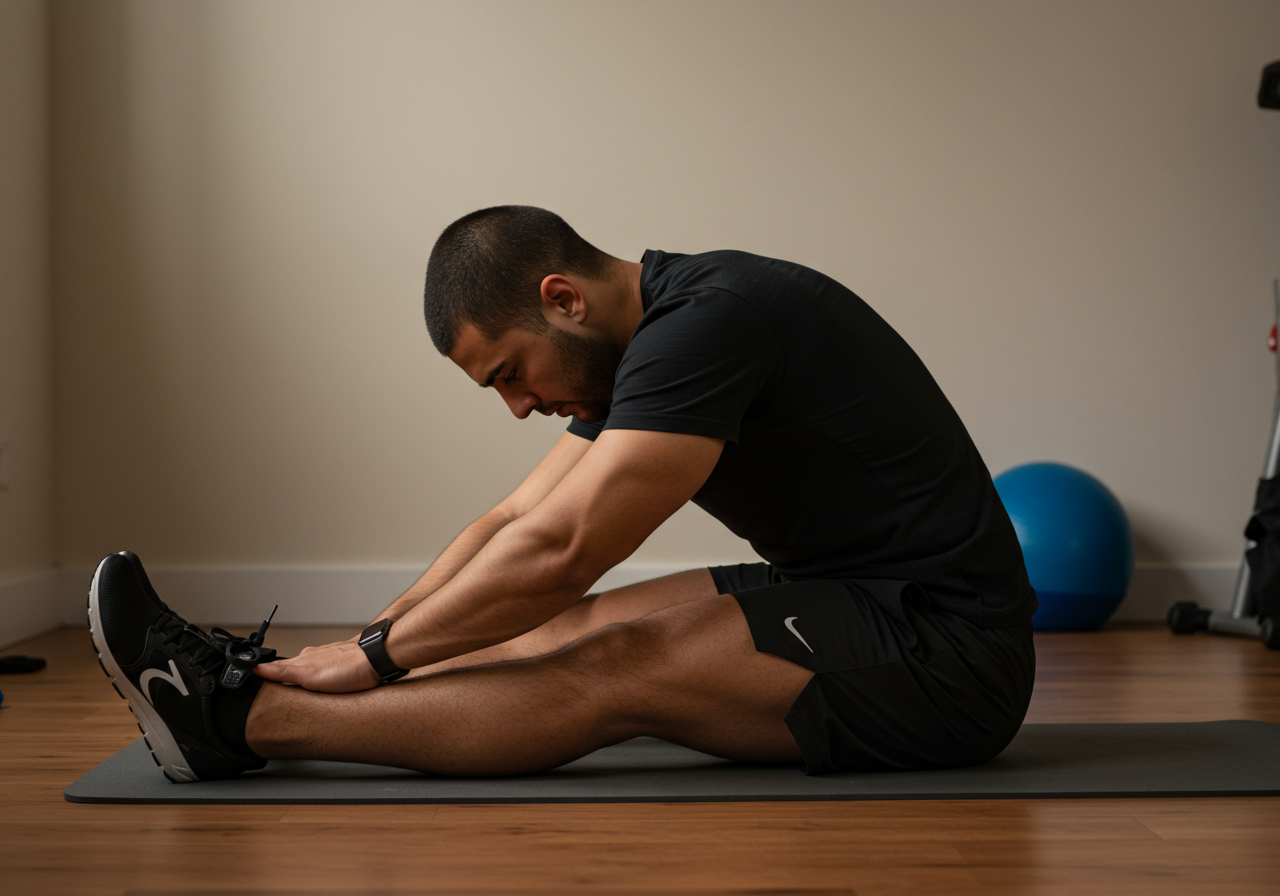
5) Build your training week. Beginners: three full‑body strength sessions (45–60 min) at RPE 6–8; two cardio days—one Zone 2 (30–45 min at 60–70% max HR) and one short interval session (e.g., 4×3 min hard, 3 min easy). Add 10–15 minutes of mobility daily.
6) Pre‑ and post‑training nudges. 25–40 g protein within a few hours of training is sufficient. If lifts feel sluggish, add 25–50 g carbs pre‑session. Hydrate with 500–750 ml water and a pinch of electrolytes for longer or sweaty workouts.
7) Track like a coach. Each morning, weigh after the bathroom and before breakfast; average the week. Measure waist at the navel weekly. Log workouts with RPE and top sets in Strong or Garmin; sync steps and heart rate with Fitbit or Apple Watch.
8) Weekly check‑in. If weight/waist is trending the right way and performance is stable, hold macros. If fat loss stalls for 2+ weeks, trim 100–150 kcal (usually from carbs or fats). If strength is fading, consider adding 20–40 g carbs on the hardest day.
My Monday example (last block): Back squat 3×5 @ RPE 7, bench 3×6 @ RPE 7, Romanian deadlift 3×8 @ RPE 7; finish with 20 min Zone 2 (HR ~135). Pre‑session: 30 g whey + banana; post: rice bowl with lean beef.
Scale Training Volume and Adjust Weekly Macros
Use this map to scale training and tune macros without guesswork. Rate sessions by RPE and watch your 7‑day weight average and waist for trends.
Progression map — weeks, training focus, and macro adjustments
Week 1–2: Learn lifts; full-body 3×/week @ RPE 6–7; Zone 2 ×2 @ 20–30 min. Protein 1.8 g/kg; fats 0.7 g/kg; carbs fill. Log everything.

Week 3–4: Add a set to main lifts; intervals 4×2 min. If recovery good, +10–15% carbs on lift days. Deficit/surplus unchanged.

Week 5–6: Strength focus; top set @ RPE 8, back-off 2×. Zone 2 to 35–45 min. If bar speed lags, add 25–40 g pre‑workout carbs.

Week 7–8: Micro‑cycle push; add 1–2 hard sets total/week. If fat loss stalls ≥14 days, reduce 100–150 kcal (carbs/fats). Keep protein steady.

Week 9: Deload; cut volume ~30–40%, keep protein; lower carbs slightly on rest days. Maintain steps and mobility.

Week 10–11: Intensify or add reps: 3×5 → 4×5 or 3×6. Intervals 5×3 min. If mass gain target, +100–150 kcal (mostly carbs).

Week 12: Test week; single @ RPE 8 on main lifts; short intervals. Hold macros; evaluate 12‑week average weight, waist, PRs, sleep.
Plateaus and tweaks: If waist shrinks but scale stalls, you may be recomping—stay patient. If both stall and performance dips, increase sleep or schedule an extra rest day before cutting calories. If hunger is high, push protein toward the upper range and shift carbs to the meals around training.
Beginner → Intermediate cues: When you hit consistent technique and can auto‑regulate RPE, introduce undulating carbs—slightly higher on lower‑body days. Advanced lifters can periodize: high‑carb blocks during volume phases and moderate‑carb during intensification while protecting protein.
Avoid Common Mistakes and Prioritize Recovery Sleep
Frequency: Most beginners thrive on 3 strength days and 2 cardio days. Intensity: Keep most sets at RPE 6–8; save RPE 9 for occasional top sets. Mobility: 10–15 minutes daily keeps lifts smooth and aches down.
Common mistakes: Slashing calories too fast, under‑eating protein, skipping deloads, and chasing sweat over progression. Another big one: moving steps way up in week 1, then burning out. Build activity gradually.
Recovery: Sleep 7–9 hours, keep a consistent schedule, and aim for 6–8k+ daily steps. Creatine monohydrate (3–5 g/day) is safe for most and supports training; check with your clinician if unsure. Hydrate more on hot or interval days.
Safety: If pain changes your form, stop the set and regress. Substitute movements that respect your joints (e.g., goblet squat instead of back squat). After illness or high stress, hold macros steady and halve training volume for 3–5 days.
Progress checks: Use weekly photo angles, 7‑day weight average, waist, and two performance anchors (e.g., 5‑rep squat and 1‑mile easy pace). If at least two improve, you are on track.
Client note: “Breaking plateaus finally made sense once I matched carbs to my leg days. My energy returned, and the scale started trending again.” — Dan, 41
Next steps: Download a macro tracking template, set calendar reminders for your weekly check‑in, and sync your training app with your food log. I send a free macro‑adjustment checklist to newsletter readers—grab it and start your first 12‑week block.
Medical Disclaimer: The information provided on this website is for informational and educational purposes only and is not intended as personal medical or health advice. The content, including text, graphics, and images, is not a substitute for professional medical advice, diagnosis, or treatment. Always seek the advice of your physician or other qualified healthcare provider…
Medical Disclaimer: The information provided on this website is for informational and educational purposes only and is not intended as personal medical or health advice. The content, including text, graphics, and images, is not a substitute for professional medical advice, diagnosis, or treatment. Always seek the advice of your physician or other qualified healthcare provider…
Medical Disclaimer: The information provided on this website is for informational and educational purposes only and is not intended as personal medical or health advice. The content, including text, graphics, and images, is not a substitute for professional medical advice, diagnosis, or treatment. Always seek the advice of your physician or other qualified healthcare provider…
Medical Disclaimer: The information provided on this website is for informational and educational purposes only and is not intended as personal medical or health advice. The content, including text, graphics, and images, is not a substitute for professional medical advice, diagnosis, or treatment. Always seek the advice of your physician or other qualified healthcare provider…
Medical Disclaimer: The information provided on this website is for informational and educational purposes only and is not intended as personal medical or health advice. The content, including text, graphics, and images, is not a substitute for professional medical advice, diagnosis, or treatment. Always seek the advice of your physician or other qualified healthcare provider…
Medical Disclaimer: The information provided on this website is for informational and educational purposes only and is not intended as personal medical or health advice. The content, including text, graphics, and images, is not a substitute for professional medical advice, diagnosis, or treatment. Always seek the advice of your physician or other qualified healthcare provider…