Medical Disclaimer: The information provided on this website is for informational and educational purposes only and is not intended as personal medical or health advice. The content, including text, graphics, and images, is not a substitute for professional medical advice, diagnosis, or treatment. Always seek the advice of your physician or other qualified healthcare provider with any questions you may have regarding a medical condition or before starting any new exercise, nutrition, or supplement program. Never disregard professional medical advice or delay in seeking it because of something you have read on this blog. Reliance on any information provided by this site is solely at your own risk.
Training Timing and Evening Habits Define Sleep Quality
How to sleep better as an active person starts with aligning training, evening habits, and environment. This guide shows you the exact system that works.
Direct answer: Active people sleep better by standardizing bedtime, training earlier when possible, using a wind‑down, and keeping the bedroom cool, dark, and quiet.
Why Sleep Matters for Active Bodies
Sleep is when your body reinforces the work you did in training. Deeper stages support muscle repair, nervous‑system recalibration, and memory of new movement patterns. In practice studies and coaching, better sleep often coincides with steadier mood, higher training quality, and fewer overuse niggles.
For cardio, sleep supports mitochondrial adaptations and consistent heart‑rate control. For strength, it aligns hormone rhythms and motor learning. For mobility, it reduces resting tone so joints feel less stiff. Miss sleep and you may notice spikier RPE, erratic HRV, and cravings that complicate nutrition.
Key physiology in plain language: your brain clears metabolic byproducts overnight; growth and repair processes ramp; and your stress system turns down so you wake ready to train rather than chase recovery all day.
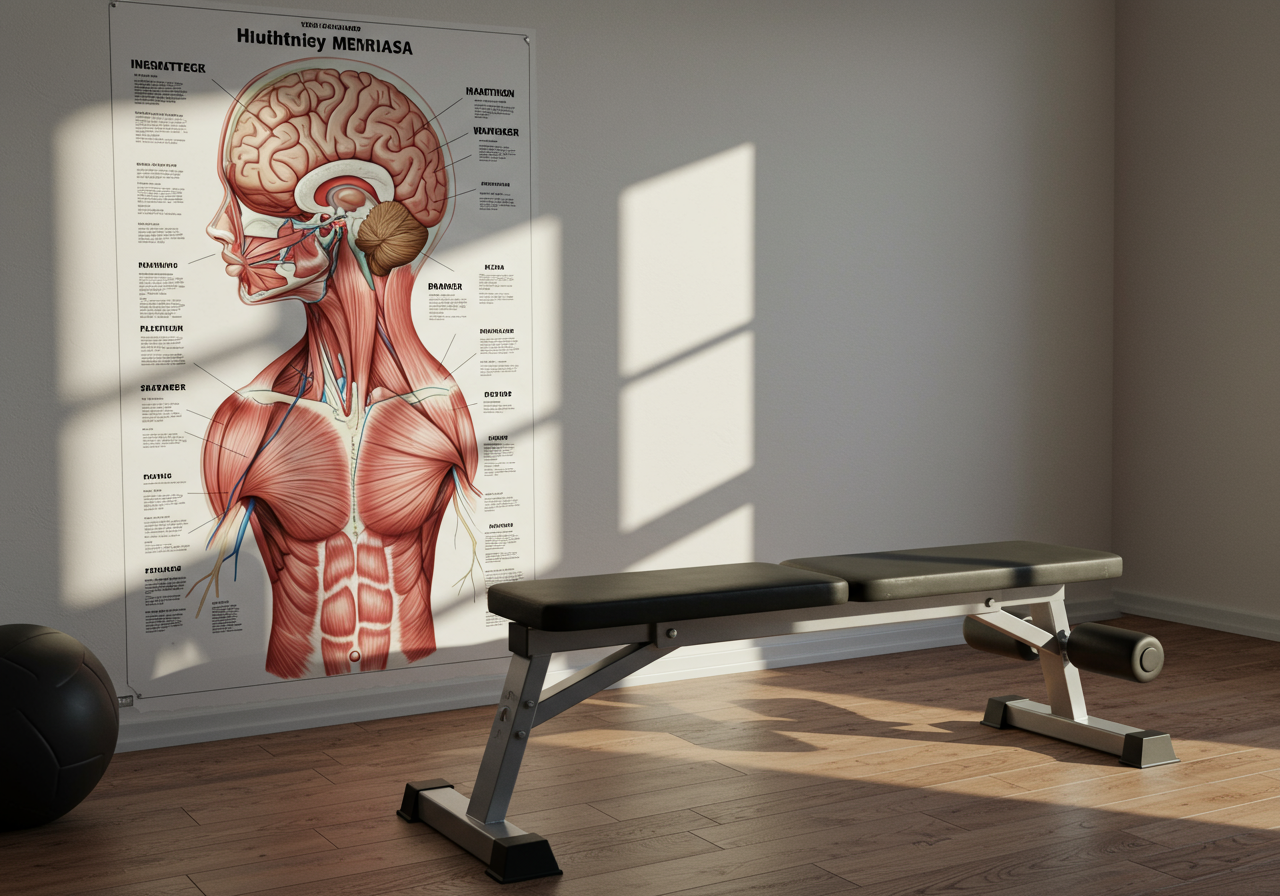
Sleep Drives Muscle Repair and Nervous System Recovery
Use these steps as a checklist. Most take minutes and compound quickly.
Anchor times: Pick a consistent 7–9 hour sleep window. Wake time matters most—protect it, even after a rough night.
Morning light: Get 5–10 minutes of outdoor light within an hour of waking. It helps your internal clock and evening melatonin.
Caffeine cut‑off: Last dose 8–10 hours before bedtime. Swap late caffeine for herbal tea or electrolytes if evening training.
Training timing: Prioritize earlier sessions. If evenings are your only option, finish hard intervals or heavy lifts 3+ hours before bed.
Session modulation at night: Keep late sessions Zone 2 cardio or submax strength at RPE 6–7. Save sprints and max singles for earlier days.
Post‑workout downshift: 10 minutes of nasal breathing and light stretching reduces arousal. Warm shower, then cool room.
Pre‑sleep nutrition: If hungry, use a small protein‑rich snack (20–30 g protein) and optional carbs (15–30 g) to avoid 2 a.m. wake‑ups.
Bedroom setup: Cool (17–19°C / 63–66°F), dark (blackouts), quiet (or white noise). Reserve bed for sleep and intimacy.
Wind‑down routine: 20–30 minutes of low‑stimulation activities—reading paper pages, gentle mobility, gratitude note. Screens off or use warm, dim settings.
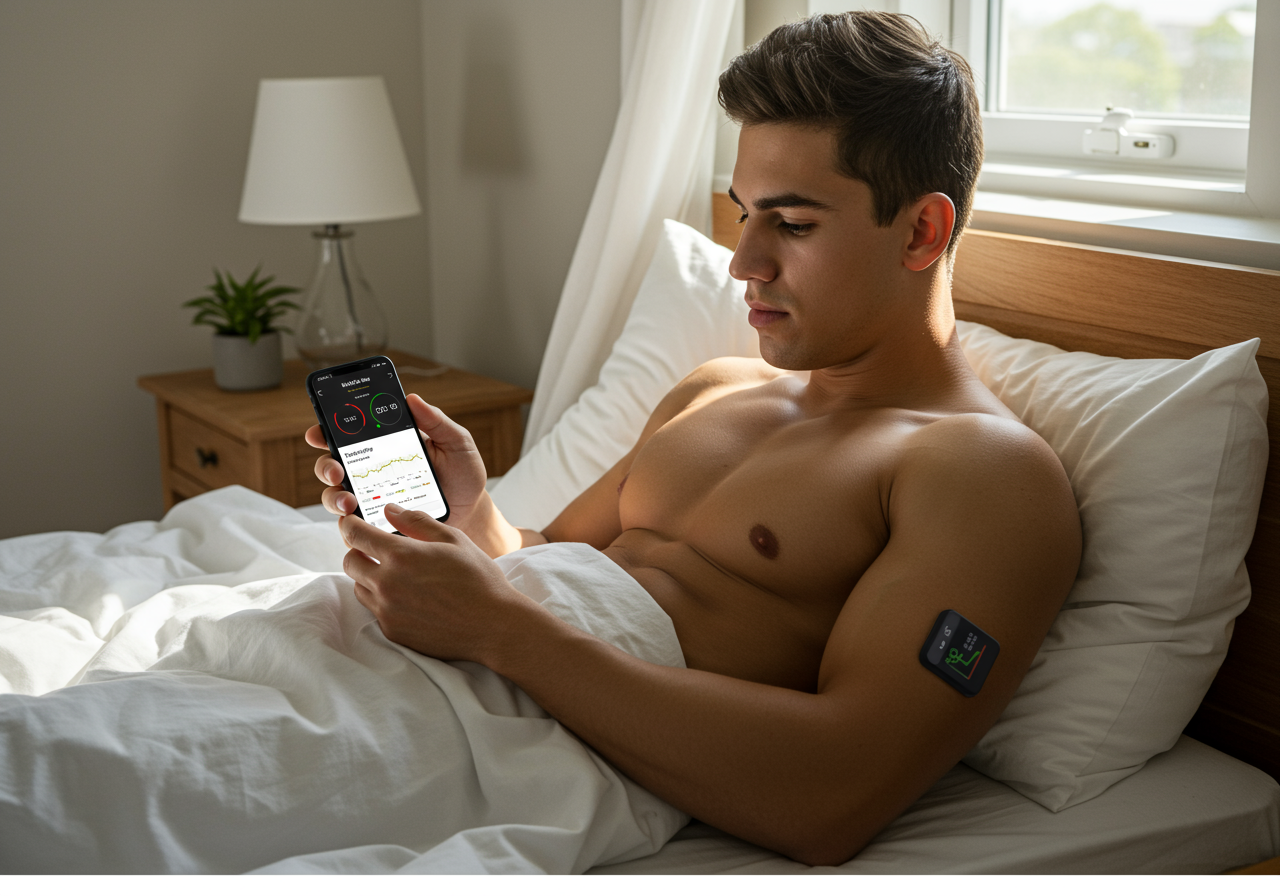
Track and adjust: Use Oura, Whoop, AutoSleep, or Garmin. Watch trends: time to fall asleep, awakenings, and how you feel at workout warm‑up.
Real session examples I use:
Cardio day: 45 min Zone 2 run at 70–75% max HR (Garmin), finish by 6 p.m.; dinner by 7 p.m.; lights out 10 p.m.; HRV steadier next morning.
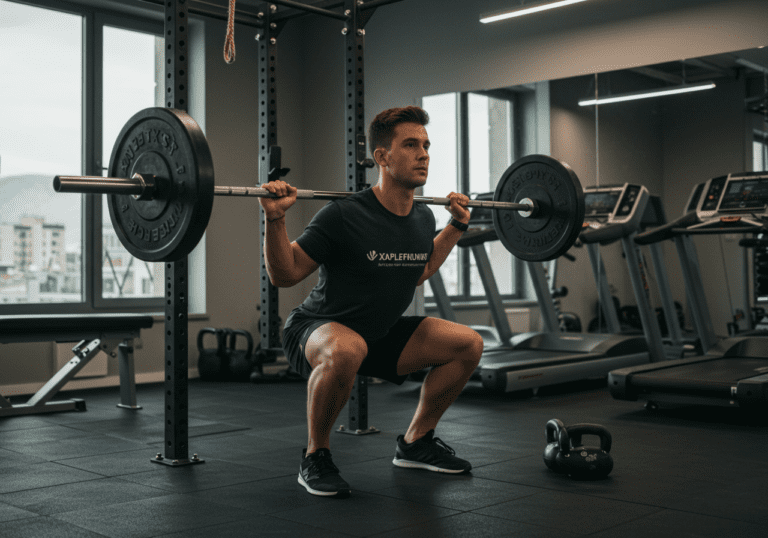
Strength day: 60 min full‑body at RPE 7; last heavy set before 6 p.m.; 5 minutes diaphragmatic breathing; small Greek yogurt with honey pre‑bed.
Client voices:
“Shifting my intervals to lunchtime and adding a 20‑minute wind‑down cut my night awakenings from three to one within two weeks.” — Mia, marathoner
“Keeping late lifts at RPE 6–7 plus a cool bedroom stopped my restless nights before early shifts.” — Jamal, new lifter
Anchor Wake Time and Control Caffeine for Better Rest
Start simple, then layer in details. Use RPE, HRV, and morning mood as feedback.
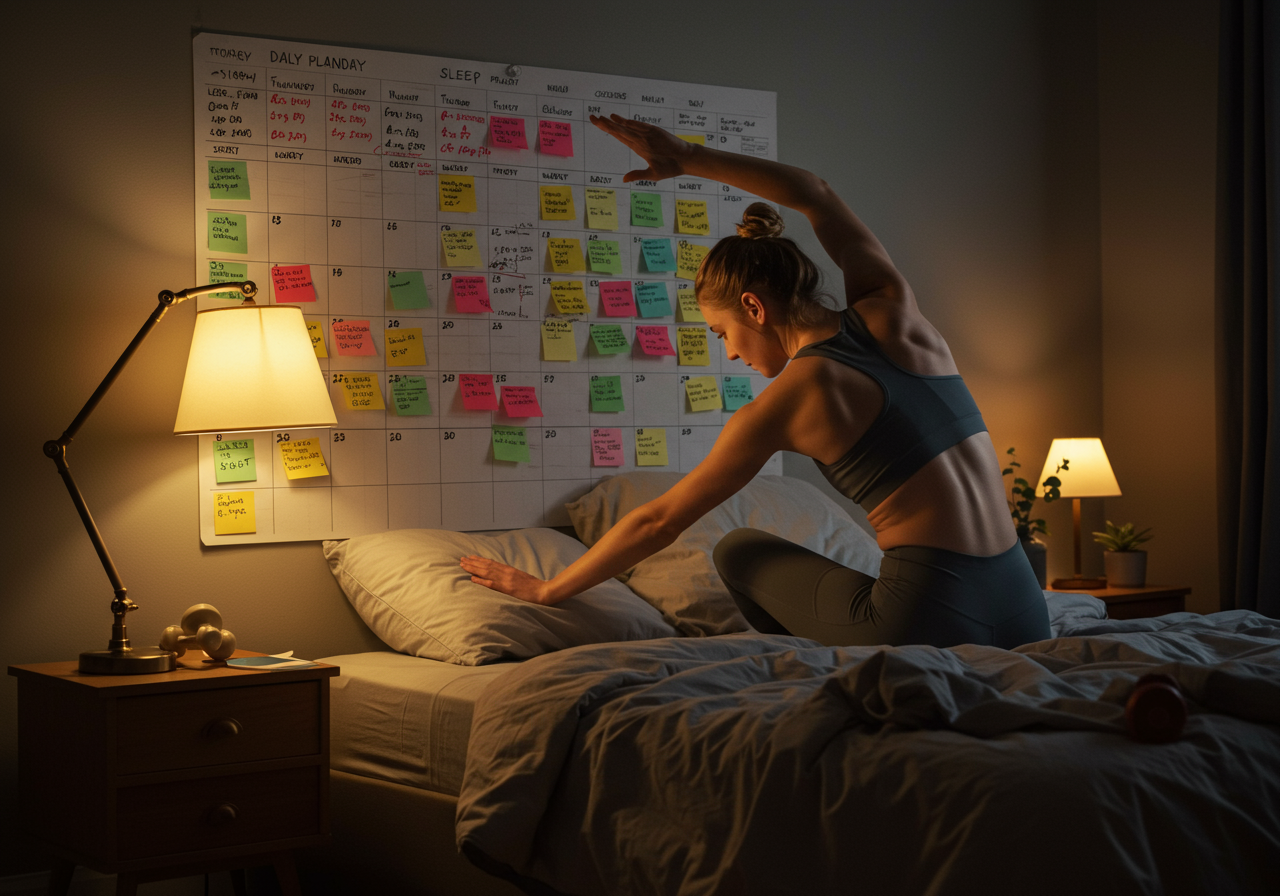
Caption: Four‑week rollout linking training timing, wind‑down, and environment.
Week 1: Fix wake time; morning light; caffeine cut‑off; Zone 2 cardio or RPE 6 lifts if training after 6 p.m.; dark, cool bedroom. Week 2: Add 20–30 minute wind‑down; finish hard work 3+ hours before bed; small protein snack if you wake hungry; track sleep/wake in app. Week 3: Refine training split—hard days earlier (Mon/Thu), easier evenings (Tue), rest or mobility Wed; limit alcohol; compare HRV to RPE and adjust. Week 4: Add 1–2 short naps (10–20 min pre‑3 p.m.) on heavy weeks; experiment with breathwork or progressive relaxation; reassess bedtime by 15 minutes if needed.
Beginner template (3 days/week):
Mon: Full‑body strength 45–60 min @ RPE 6–7 (finish by 6 p.m.); 10 min mobility before bed.
Wed: Zone 2 bike 40 min; light core; lights out same time.
Fri: Strength emphasis lower; easy walk after dinner; wind‑down read 20 min.
Intermediate (4–5 days/week):
Hard sessions early: Tue VO2 or tempo at lunch; Thu heavy compound lifts before 6 p.m.
Evenings: Mon easy run or spin; Sat technique/mobility. Keep late work submaximal.
Advanced (periodized):
Front‑load peak weeks with early‑day intensity; schedule deloads every 4–6 weeks to normalize sleep.
HRV trend compared with training load (Strava/Garmin, HRV4Training).
Small wins I’ve seen: more stable morning heart rate, fewer nighttime awakenings after moving intervals earlier, and steadier bar speed the day after consistent wind‑downs.
Four-Week Protocol From Basic Routine to Advanced Adjustments
Frequency: Keep a consistent sleep window daily. Intensity: Place the highest RPE work when you’re most alert. Volume: Increase gradually; chase quality, not exhaustion.
Nutrition: Aim for 1.6–2.2 g/kg protein, carbs scaled to training. Hydrate earlier; taper fluids 1–2 hours before bed if frequent bathroom trips wake you. Magnesium glycinate or tart cherry can be helpful for some; trial cautiously.
Troubleshooting:
Plateaus: If HRV dips and RPE climbs for 3+ days, deload training by 20–30% and prioritize earlier sessions.
Overtraining flags: Persistent insomnia, elevated resting HR, unusual irritability—pull back and sleep more.
Motivation dips: Set a 10‑minute “minimum habit” wind‑down; often momentum carries you.
Injuries: Pain can disrupt sleep; elevate, ice if prescribed, and use pillows to position joints comfortably.
Monitoring: I cross‑check Oura/AutoSleep with subjective notes in TrainingPeaks and MyFitnessPal. If data and how I feel disagree, I trust the warm‑up.
Next steps: Apply Week 1 today. After two weeks, add the wind‑down. Share your baseline and progress with a coach or accountability buddy.
Medical Disclaimer: The information provided on this website is for informational and educational purposes only and is not intended as personal medical or health advice. The content, including text, graphics, and images, is not a substitute for professional medical advice, diagnosis, or treatment. Always seek the advice of your physician or other qualified healthcare provider…
Medical Disclaimer: The information provided on this website is for informational and educational purposes only and is not intended as personal medical or health advice. The content, including text, graphics, and images, is not a substitute for professional medical advice, diagnosis, or treatment. Always seek the advice of your physician or other qualified healthcare provider…
Medical Disclaimer: The information provided on this website is for informational and educational purposes only and is not intended as personal medical or health advice. The content, including text, graphics, and images, is not a substitute for professional medical advice, diagnosis, or treatment. Always seek the advice of your physician or other qualified healthcare provider…
Medical Disclaimer: The information provided on this website is for informational and educational purposes only and is not intended as personal medical or health advice. The content, including text, graphics, and images, is not a substitute for professional medical advice, diagnosis, or treatment. Always seek the advice of your physician or other qualified healthcare provider…
Medical Disclaimer: The information provided on this website is for informational and educational purposes only and is not intended as personal medical or health advice. The content, including text, graphics, and images, is not a substitute for professional medical advice, diagnosis, or treatment. Always seek the advice of your physician or other qualified healthcare provider…
Medical Disclaimer: The information provided on this website is for informational and educational purposes only and is not intended as personal medical or health advice. The content, including text, graphics, and images, is not a substitute for professional medical advice, diagnosis, or treatment. Always seek the advice of your physician or other qualified healthcare provider…