Medical Disclaimer: The information provided on this website is for informational and educational purposes only and is not intended as personal medical or health advice. The content, including text, graphics, and images, is not a substitute for professional medical advice, diagnosis, or treatment. Always seek the advice of your physician or other qualified healthcare provider with any questions you may have regarding a medical condition or before starting any new exercise, nutrition, or supplement program. Never disregard professional medical advice or delay in seeking it because of something you have read on this blog. Reliance on any information provided by this site is solely at your own risk.
Test 3RM safely, estimate max, build weekly strength
1RM 3RM 5RM numbers can turn random workouts into a reliable plan. You’ll learn how to test safely, convert results, and build weekly strength, cardio, and mobility.
Test submaximally, estimate one-rep max from 3–5 reps, then train most sets at 70–85% with RPE 6–8, adding small weekly volume.
Strength zones reduce guesswork and improve recovery consistency
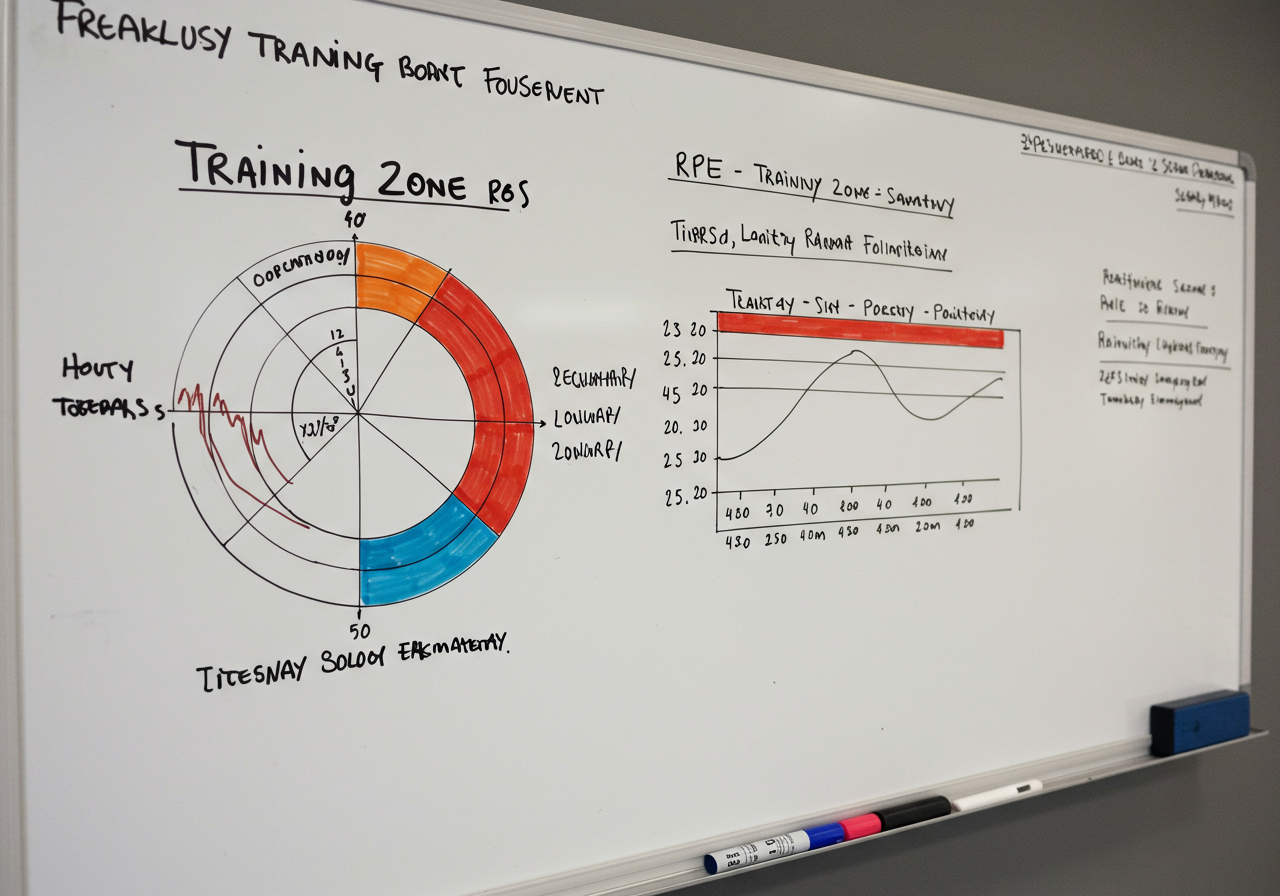
Strength testing organizes intensity. A measured 3RM or 5RM anchors your training zones, so you can push when ready and back off when needed. This reduces guesswork, which helps consistency and safety.
Physiologically, lifting near but not at your limit recruits more motor units and drives adaptation. In practice studies, athletes who track load and perceived effort progress more steadily than those who don’t. My clients who moved from random loading to %1RM plus RPE often reported fewer grinders, better recovery, and steadier numbers.
“Once I trained by %1RM and RPE, my knees stopped hating squats and I finally added weight without fear.” — Ana, busy parent and new lifter
Cardio and mobility round out the system. Low‑intensity endurance improves recovery capacity, while short mobility sessions keep positions clean. Together, these pieces support total body improvement rather than just chasing a single max.
Warm up, test submax reps, set training zones
Warm-up — 8–10 minutes of easy movement (bike or brisk walk), then dynamic mobility (hips, T‑spine, shoulders) and two light sets of your first lift. Aim to raise body temperature and groove technique.
Submax test (squat, press, deadlift): Build to a tough set of 3–5 reps without failure (RPE 9 is plenty). Rest 2–3 minutes between sets, keep form crisp.
Estimate max: Simple guide—3RM ≈ 90–93% of 1RM; 5RM ≈ 85–88% of 1RM. Or use a quick formula like 1RM ≈ weight × (1 + reps/30). These are estimates—use RPE to confirm if loads feel right.
Set strength zones:
Technique volume: 60–72% 1RM, RPE 6–7.
Strength building: 75–85% 1RM, RPE 7–8.
Heavy singles practice: 85–92% 1RM, RPE 8–9, done sparingly.
Set cardio zones: Zone 2 = conversational pace, roughly 60–70% HRmax. Use a watch (Garmin, Fitbit, Apple Watch) or the talk test; keep breath steady.
Personal note: When I pair strength with Zone 2 on separate days, my Garmin shows lower resting heart rate in hard phases, and lifting sessions stay in HR zones 1–2. That helps me recover for the next heavy day. I log loads and RPE in Strong or Hevy, calories and protein in MyFitnessPal, and endurance on Strava.
Eight-week beginner to advanced strength and cardio plan
Use your estimated 1RM to set loads. Keep reps in reserve (RIR) of 2–3 on most sets. If a load doesn’t match the target RPE, adjust 2.5–5% that day.
Eight-week strength + cardio schedule — one line per week, showing loads, accessories, cardio, and mobility. B/I/A = Beginner/Intermediate/Advanced.
Week 1: B 3x8 @60–65%; I 4x8 @65%; A 5x6 @70%; accessories 2x12; Z2 15–20 min x2; mobility 8 min x3

Week 2: B 3x8 @65%; I 4x7 @70%; A 5x5 @75%; accessories 2–3x12; Z2 20–25 min x2; mobility 8–10 min x3

Week 3: B 4x6 @70%; I 4x6 @72–75%; A 5x4 @80%; accessories 3x10; Z2 20–30 min x2; mobility 10 min x3

Week 4: B 4x6 @72%; I 5x5 @77–80%; A 6x3 @82–85%; optional single @85–88% (clean rep); Z2 25–30 min x2; mobility 10 min x3

Week 5: B 3x8 @65–70%; I 4x6 @75%; A 5x4 @82%; accessories 3x10; Z2 25–35 min x2; mobility 10 min x3

Week 6: B 4x6 @72%; I 5x5 @80%; A 6x3 @85%; accessories 3x8–10; Z2 25–35 min x2; mobility 10–12 min x3

Week 7: B 4x5 @75%; I 5x4 @82–85%; A 5x2 @87–90%; optional single @88–92%; Z2 20–30 min x2; mobility 10–12 min x3

Week 8 (retest/deload): Reduce volume 40–50%; test a quality 3–5RM (no failure); update 1RM estimates; Z2 easy 15–20 min; mobility 12 min
Beginner cues: move slow, own positions, and stop a set when technique fades. Intermediate: practice one heavy single weekly that still looks snappy. Advanced: manage fatigue tightly and micro-load (1–2 kg) on barbell lifts.
Train at RPE 6-8, retest every six weeks
Frequency: Most beginners thrive on 2–3 full‑body strength days plus 2 Zone 2 cardio days. Intermediate and advanced lifters can add a third cardio or a short power session.
Intensity guardrails: Most work lives at RPE 6–8. Save RPE 9 for occasional top sets; avoid weekly failure. Retest a 3–5RM every 6–10 weeks after a deload.
Recovery & nutrition: Aim for 1.6–2.2 g/kg protein, mostly whole foods. Calorie intake should match your goal (slight surplus to gain, slight deficit to cut). Sleep 7–9 hours. Creatine monohydrate 3–5 g daily is well‑supported; caffeine 2–3 mg/kg can aid strength—use thoughtfully.
Troubleshooting: – Plateaus: add a back-off set or a small load bump (2.5%) once per week; if bar speed slows for days, reduce volume 20–30% for one week. – Overtraining signs: poor sleep, irritability, nagging aches—pull back intensity and add Zone 2 instead of intervals. – Motivation dips: swap one cardio day for a hike or a group ride; change accessory exercises for novelty. – Tweaks and aches: regress to a variation (e.g., front squat or goblet squat), cut range slightly, emphasize tempo and mobility until symptoms settle.
Progress tracking: Log sets, reps, RPE, and how you slept. Watch weekly tonnage trends and how many quality reps you own. Tools I use: Strong or Hevy for strength, Strava or Garmin Connect for cardio, and MyFitnessPal for nutrition.
Next steps: Download a simple log, set your first 3–5RM estimates, and start Week 1. If you want my template and monthly tune-ups.
Medical Disclaimer: The information provided on this website is for informational and educational purposes only and is not intended as personal medical or health advice. The content, including text, graphics, and images, is not a substitute for professional medical advice, diagnosis, or treatment. Always seek the advice of your physician or other qualified healthcare provider…
Medical Disclaimer: The information provided on this website is for informational and educational purposes only and is not intended as personal medical or health advice. The content, including text, graphics, and images, is not a substitute for professional medical advice, diagnosis, or treatment. Always seek the advice of your physician or other qualified healthcare provider…
Medical Disclaimer: The information provided on this website is for informational and educational purposes only and is not intended as personal medical or health advice. The content, including text, graphics, and images, is not a substitute for professional medical advice, diagnosis, or treatment. Always seek the advice of your physician or other qualified healthcare provider…
Medical Disclaimer: The information provided on this website is for informational and educational purposes only and is not intended as personal medical or health advice. The content, including text, graphics, and images, is not a substitute for professional medical advice, diagnosis, or treatment. Always seek the advice of your physician or other qualified healthcare provider…
Medical Disclaimer: The information provided on this website is for informational and educational purposes only and is not intended as personal medical or health advice. The content, including text, graphics, and images, is not a substitute for professional medical advice, diagnosis, or treatment. Always seek the advice of your physician or other qualified healthcare provider…
This content is for general informational purposes only. Downloadable program PDFs are often used to present structured plans with clear steps and tracking elements. A well-organized format can make it easier to follow and complete. A practical approach is to define a clear goal, organize steps logically, include tracking elements, and provide simple follow-up actions….