Medical Disclaimer: The information provided on this website is for informational and educational purposes only and is not intended as personal medical or health advice. The content, including text, graphics, and images, is not a substitute for professional medical advice, diagnosis, or treatment. Always seek the advice of your physician or other qualified healthcare provider with any questions you may have regarding a medical condition or before starting any new exercise, nutrition, or supplement program. Never disregard professional medical advice or delay in seeking it because of something you have read on this blog. Reliance on any information provided by this site is solely at your own risk.
Blend Eccentric, Isometric, and Concentric for Complete Gains
Concentric eccentric isometric training lets you grow muscle and strength by using every phase of a rep on purpose. This guide shows you how to blend them into one clear system.
Direct answer: Use slow lowers, strong drives, and timed pauses to build muscle.
You’ll learn why each phase matters, how to program them in a week, and how to progress from beginner to advanced without wrecking your joints or motivation.
Evidence Shows Each Phase Builds Unique Strength Adaptations
The muscle lengthening phase (eccentric) creates high mechanical tension and can be safely loaded heavier than the lifting phase. The holding phase (isometric) builds strength at specific joint angles, improves tendon tolerance, and teaches bracing. The lifting phase (concentric) drives power and rate of force development. Together, they cover hypertrophy, strength, and resilience.
Peer‑reviewed work consistently suggests eccentric‑biased sets stimulate robust hypertrophy when recovered well, while isometrics can increase joint‑angle strength and reduce pain in tendinopathies when dosed carefully. Concentric emphasis improves speed and power, especially when done fast with intent. When combined, I’ve seen steadier progress than using any single style alone.
Client snapshot (cautious): over 10 weeks, one beginner (Maya, 38) moved from bodyweight split squats to 2×24 lb kettlebells using 3‑second lowers and 2‑second pauses. She reported easier stairs, less knee discomfort, and her step count rose by 18% (Fitbit), though individual results vary.
“The pauses stopped my knee from wobbling, and the slow lowers made me feel the right muscles. I finally trust my lunge.” — Maya
Tempo Cues and Session Structure for Every Training Phase
Warm‑up — 5–8 minutes easy movement (bike or brisk walk) to heart rate Zone 2, then 2 sets of five controlled reps of your first lift with an empty bar or light bells.
Session structure (40–60 minutes):
Main lift (lower or upper): 3–5 sets. Assign a phase focus (eccentric, isometric, or concentric) for today.
Secondary lift: 2–4 sets with a different phase focus than the main lift.
Assistance: 2–3 movements for weak links, 2–3 sets each.
Finisher: 5–10 minutes light cardio or movement prep for tomorrow.
Tempo cues you’ll actually feel:
Eccentric emphasis: lower 3–5 seconds, no bounce. Example: squat 4‑0‑X‑0 (4s down, no pause, explode up, no top pause).
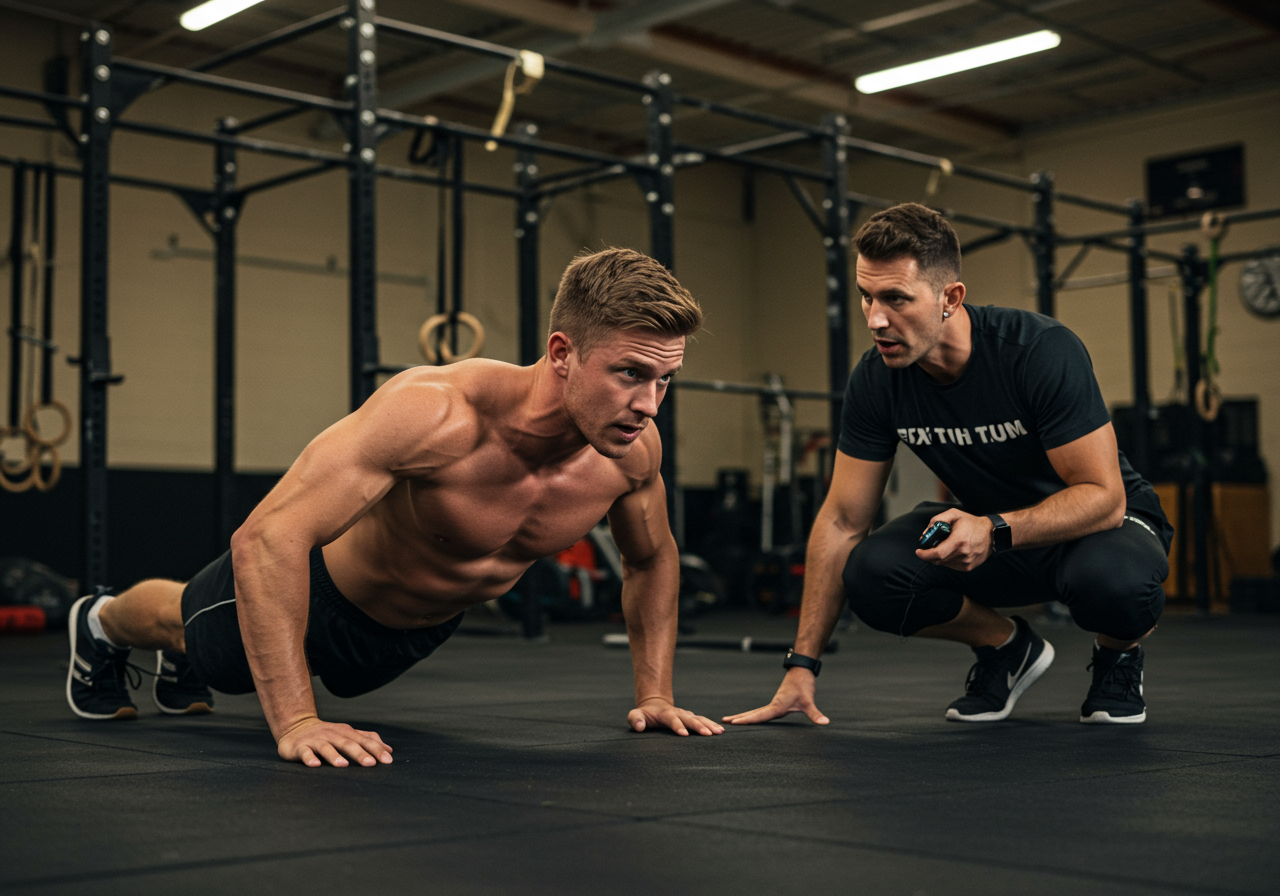
Isometric emphasis: 1–3 second pause at the hardest point. Example: push‑up 2‑2‑X‑1 (2s down, 2s hold, fast up, 1s squeeze at top).
Concentric emphasis: drive up fast while keeping control. Example: RDL 3‑1‑X‑1 (3s down, 1s stretch, fast up, 1s set).
Example full‑body A (50 minutes):
Back squat — 4×6 at RPE 7 using 4‑0‑X‑0 (eccentric focus). Rest 2–3 minutes.
Paused push‑up or bench — 3×8 at RPE 7 with 2‑2‑X‑1 (isometric focus). Rest 90–120 seconds.
Single‑leg RDL — 3×10/side at RPE 7 with 3‑0‑X‑1.
Row variation — 3×10 with a 1‑1‑X‑1 squeeze.
Finisher — 6 minutes easy bike, HR 60–70% max.
Example full‑body B (45 minutes):
Trap‑bar deadlift — 5×3 at RPE 7–8 using 2‑0‑X‑0 (concentric speed focus). Rest 2–3 minutes.
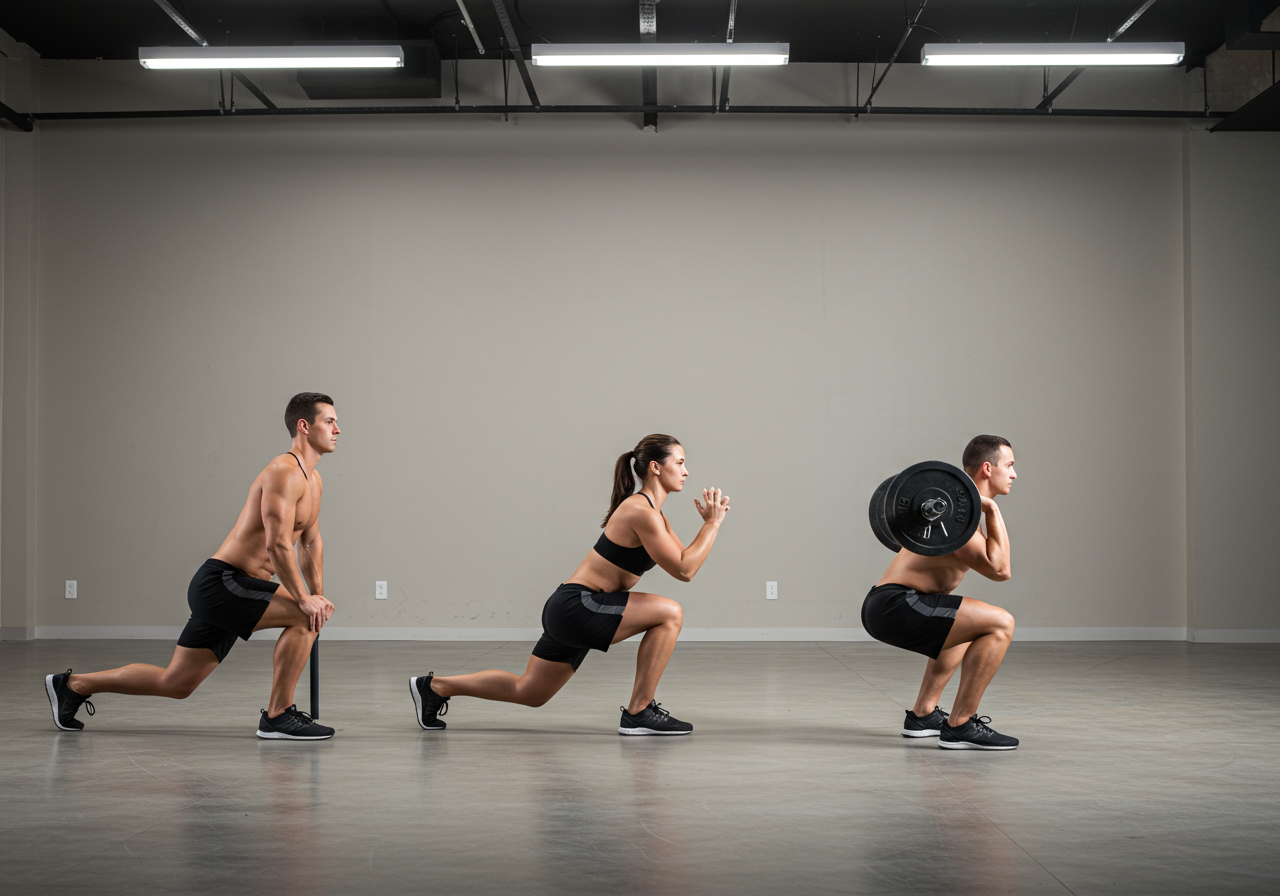
Split squat with 2s bottom hold — 3×8/side at RPE 7 (isometric + balance).
Real‑world note: On my last cycle, I ran three sessions/week for 6 weeks. Average session time: 52 minutes. Garmin HR strap showed average session HR ~62% max. I increased my paused front squat from 185×3 to 205×3 at the same RPE 8. The fast concentric cue fixed my sticking point.
Tracking: Log load, tempo, reps, RPE, and any joint notes. I use Strong or a simple Google Sheet; clients often prefer MyFitnessPal for nutrition and Strava for easy cardio logs.
Eight-Week Progression from Bodyweight to Eccentric Overload
Choose your level. Move up when all main sets land at target RPE with clean reps and no joint irritation for two consecutive weeks.
Beginner (2–3 days/week): bodyweight to light kettlebell/dumbbell. Emphasize skill and slow lowers. Keep RPE 6–7 most sets.
Intermediate (3–4 days/week): barbells or heavier bells. Add longer pauses and some speed work. RPE 6–8 most sets.
Advanced (4 days/week): rotate emphases across days; consider eccentric overload only if you recover well. RPE 7–9 on priority lifts.
Eight‑week progression — volume and tempo shift from control to intensity.
Week 1: 3x8 @ RPE 6, tempo 3-0-X-1; isometric holds 1s; easy cardio 10 min post.

Week 2: 4x8 @ RPE 6–7, tempo 4-0-X-0; isometric holds 2s on assistance.

Week 3: 4x6 @ RPE 7, add 1 back-off set; isometric holds 2–3s on main lift.

Week 4: 5x5 @ RPE 7–8, concentric speed focus on last 2 sets.

Week 5: 4x5 @ RPE 8, tempo mix (3-1-X-1); holds 3s; reduce assistance volume by 20%.

Week 6: 6x3 @ RPE 8, fast concentric; optional eccentric overload on final set (only if technique is perfect).

Week 7: 3x8 @ RPE 6 (deload), tempo 3-0-X-1; light cardio 20 min Zone 2.

Week 8: Test week: 3x3 @ RPE 8–9 or AMRAP @ RPE 9 with good form; keep pauses crisp (1–2s).
Bodyweight‑only option: use tempo to drive difficulty. For example, split squat 5‑second lowers and 3‑second bottom holds, then stand fast. Add a backpack load when sets feel easy at RPE 6.
For athletes: alternate days — Day 1 eccentric/isometric lower + upper assistance; Day 2 concentric speed lower + upper power (e.g., push press); Day 3 mixed hypertrophy. Keep total weekly hard sets per muscle near 10–16 if recovery allows.
Frequency, Intensity, and Recovery Guidelines for Safe Progress
Frequency: Beginners 3 non‑consecutive days; intermediates 3–4; advanced 4 with one lighter day. Pair one eccentric‑focused day, one isometric‑accent day, and one concentric‑speed day.
Intensity: Most work at RPE 6–8. Save RPE 9 for final week or single top set. Eccentric work is taxing; limit slow‑lower sets to 6–10 hard sets/week per lift pattern unless recovery is excellent.
Isometric dosing: Accumulate 20–40 total seconds per exercise (e.g., 4×10s) across ranges. Concentric speed: move the bar fast while staying tight; if speed drops >20%, stop the set.
Recovery & nutrition: Aim for 1.6–2.2 g/kg protein, carbohydrates around training, and 0.3–0.5 g/kg fats. Many clients benefit from 3–5 g creatine monohydrate daily and 2–3g EPA/DHA if diet is low in fatty fish (check with a professional). Sleep 7.5–9 hours. On off days, 20–30 minutes Zone 2 walk or bike helps soreness (track on Strava or Garmin).
Monitoring: Note morning readiness (sleep, soreness), session RPE, and HRV if available. If lifts stall for 2+ weeks, reduce slow‑eccentric volume by 30% and push concentric speed for a cycle. If joints ache, shorten ranges slightly and add isometric holds at pain‑free angles.
Common mistakes: Rushing the lower, holding breath too long (exhale between reps), skipping deloads, and over‑loading eccentrics without skill. Every 4–8 weeks, deload for 5–7 days.
Motivation: Set tiny goals (add 1 rep, 1 kg, or 1 second of holding). Celebrate streaks. I keep a simple graph of weekly hard sets and PRs; visible progress helps consistency.
Next steps: Save this plan, track your sessions, and adjust one variable at a time. If you want my spreadsheet and video demos.
“Two months in, my paused bench went from 95×5 to 115×5, and my shoulders feel better than on my old program.” — Diego
Medical Disclaimer: The information provided on this website is for informational and educational purposes only and is not intended as personal medical or health advice. The content, including text, graphics, and images, is not a substitute for professional medical advice, diagnosis, or treatment. Always seek the advice of your physician or other qualified healthcare provider…
Medical Disclaimer: The information provided on this website is for informational and educational purposes only and is not intended as personal medical or health advice. The content, including text, graphics, and images, is not a substitute for professional medical advice, diagnosis, or treatment. Always seek the advice of your physician or other qualified healthcare provider…
Medical Disclaimer: The information provided on this website is for informational and educational purposes only and is not intended as personal medical or health advice. The content, including text, graphics, and images, is not a substitute for professional medical advice, diagnosis, or treatment. Always seek the advice of your physician or other qualified healthcare provider…
Medical Disclaimer: The information provided on this website is for informational and educational purposes only and is not intended as personal medical or health advice. The content, including text, graphics, and images, is not a substitute for professional medical advice, diagnosis, or treatment. Always seek the advice of your physician or other qualified healthcare provider…
Medical Disclaimer: The information provided on this website is for informational and educational purposes only and is not intended as personal medical or health advice. The content, including text, graphics, and images, is not a substitute for professional medical advice, diagnosis, or treatment. Always seek the advice of your physician or other qualified healthcare provider…
Medical Disclaimer: The information provided on this website is for informational and educational purposes only and is not intended as personal medical or health advice. The content, including text, graphics, and images, is not a substitute for professional medical advice, diagnosis, or treatment. Always seek the advice of your physician or other qualified healthcare provider…