Medical Disclaimer: The information provided on this website is for informational and educational purposes only and is not intended as personal medical or health advice. The content, including text, graphics, and images, is not a substitute for professional medical advice, diagnosis, or treatment. Always seek the advice of your physician or other qualified healthcare provider with any questions you may have regarding a medical condition or before starting any new exercise, nutrition, or supplement program. Never disregard professional medical advice or delay in seeking it because of something you have read on this blog. Reliance on any information provided by this site is solely at your own risk.
Stability and balance drills reduce falls and injuries by teaching your body to react quickly and control joints under stress. In this guide, you’ll learn the exact drills, weekly plan, and tracking methods I use with clients and in my own training.
Direct answer: Do 10–15 minutes of balance drills three times weekly to improve stability and reduce fall risk.
Balance Systems and Reactive Strength Prevent Injuries
Falls usually happen when the visual, vestibular, and proprioceptive systems get overloaded. Balance training sharpens those systems, improves ankle–hip strategies, and strengthens the feet, calves, and hips that keep you upright. Stronger, more reactive legs protect knees and ankles during slips, uneven terrain, or quick direction changes.
In peer‑reviewed research, multicomponent programs (static balance, dynamic tasks, strength, and reactive stepping) tend to lower fall risk, especially when the challenge is progressive and includes dual‑tasking. In practice, my adult clients who consistently train 3 times per week often report steadier walking, quicker reactions, and better confidence in stairs within 4–8 weeks.
Personal lesson: After a trail‑running ankle sprain, I added single‑leg deadlifts, short eyes‑closed holds, and loaded carries. Over eight weeks, wobble decreased and downhill control felt noticeably better. That experience now shapes the sequence I teach below.
Static Holds to Dynamic Reaches in Thirty Minutes
Session layout (20–30 minutes): Keep heart rate in Zone 1–2 (easy breathing). Use a stable surface, clear floor, and a wall or chair nearby.
Warm-up — 5 minutes • March in place, heel–toe rocks, ankle circles (30 seconds each). • Foot tripod cue: big toe, little toe, heel press evenly.
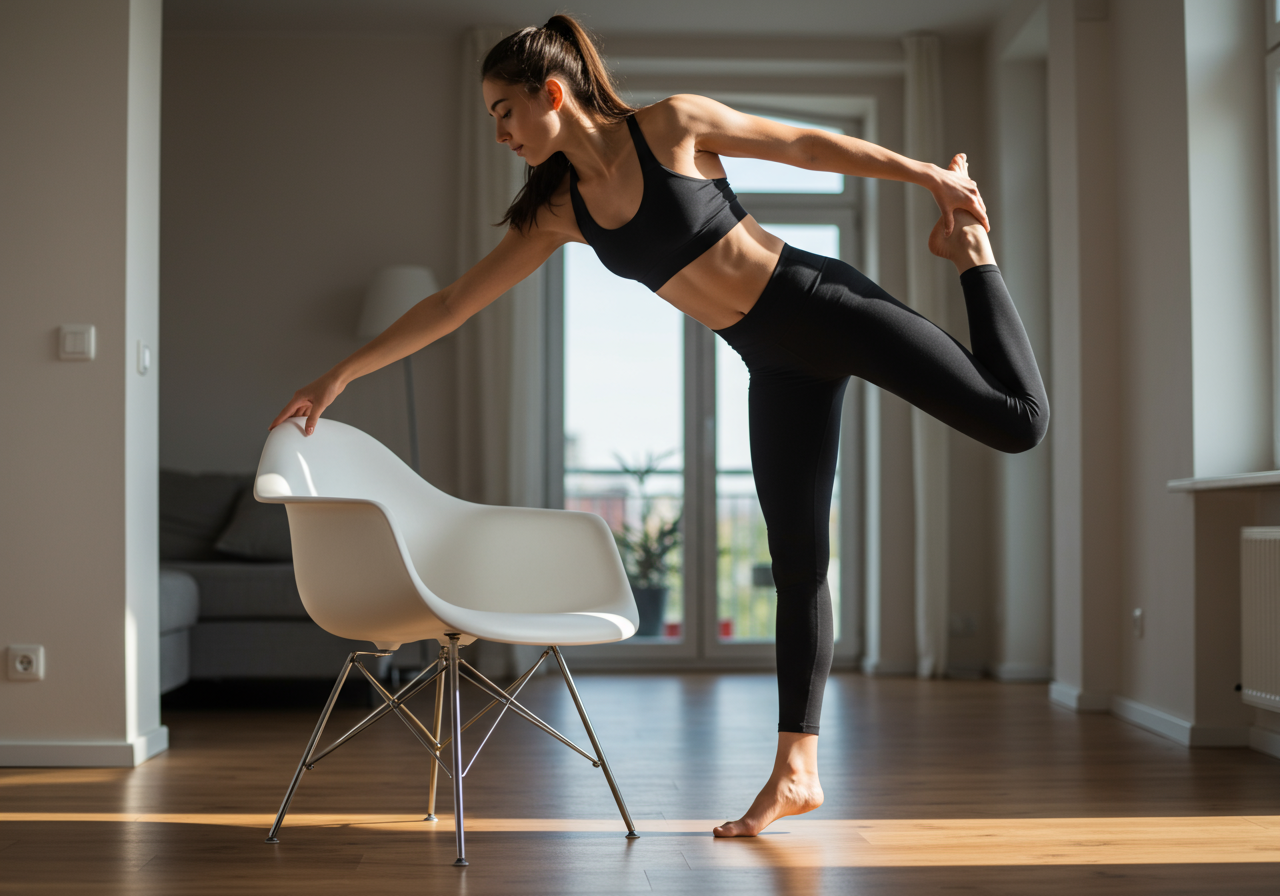
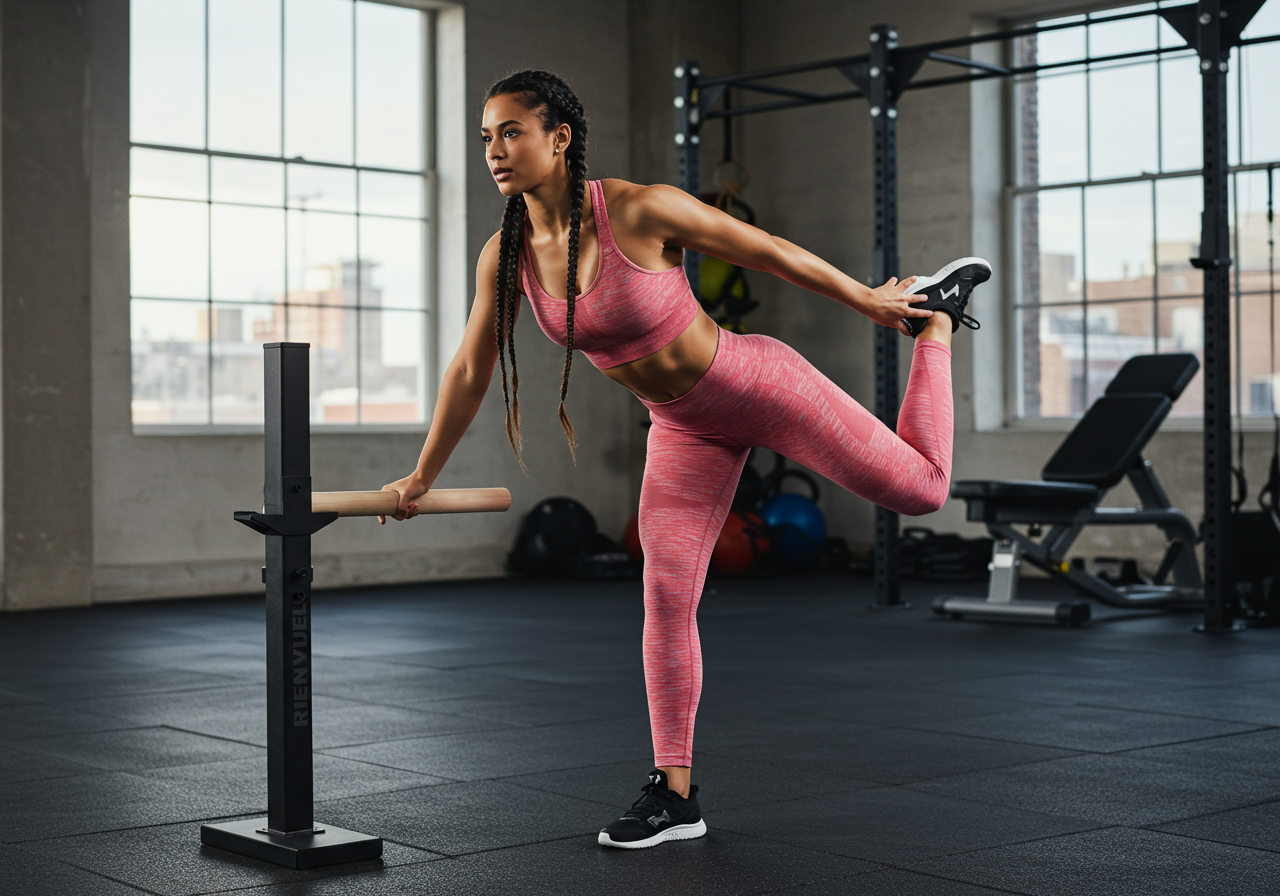
Static balance foundation — 6–8 minutes • Tandem stance (heel-to-toe), 3 x 20–30 seconds per side. • Single-leg stance near support, 3 x 15–30 seconds per side. Progress by turning head slowly or reducing fingertip assist. Cues: soft knee, tall posture, ribs over hips, steady breath.
Dynamic control — 6–8 minutes • Single-leg reach (clock pattern): tap forward, diagonal, side, back x 3 rounds per leg. • Step-over drill: slow step over a line or mini hurdle, 2 x 6–8 each leg. Option: add light band at hips to challenge control.
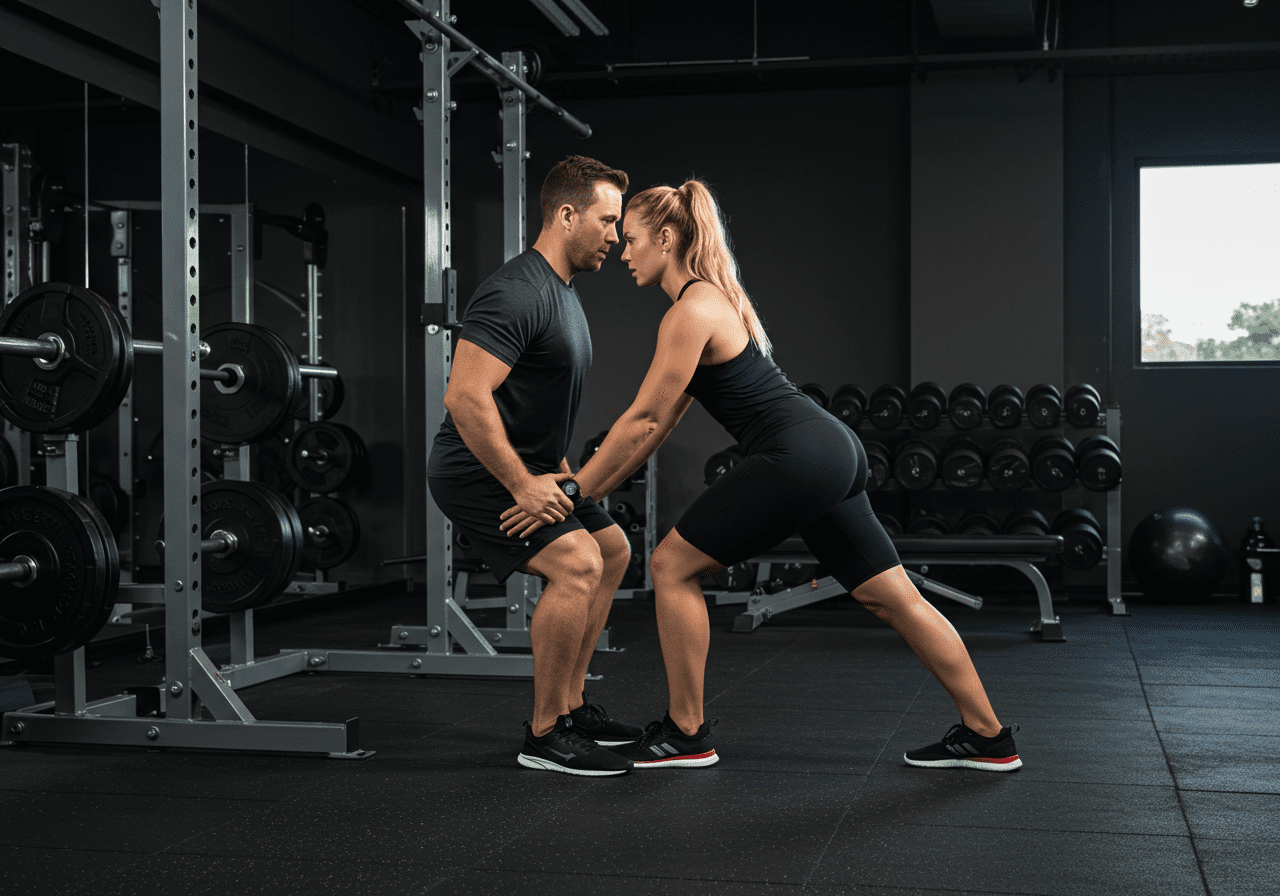
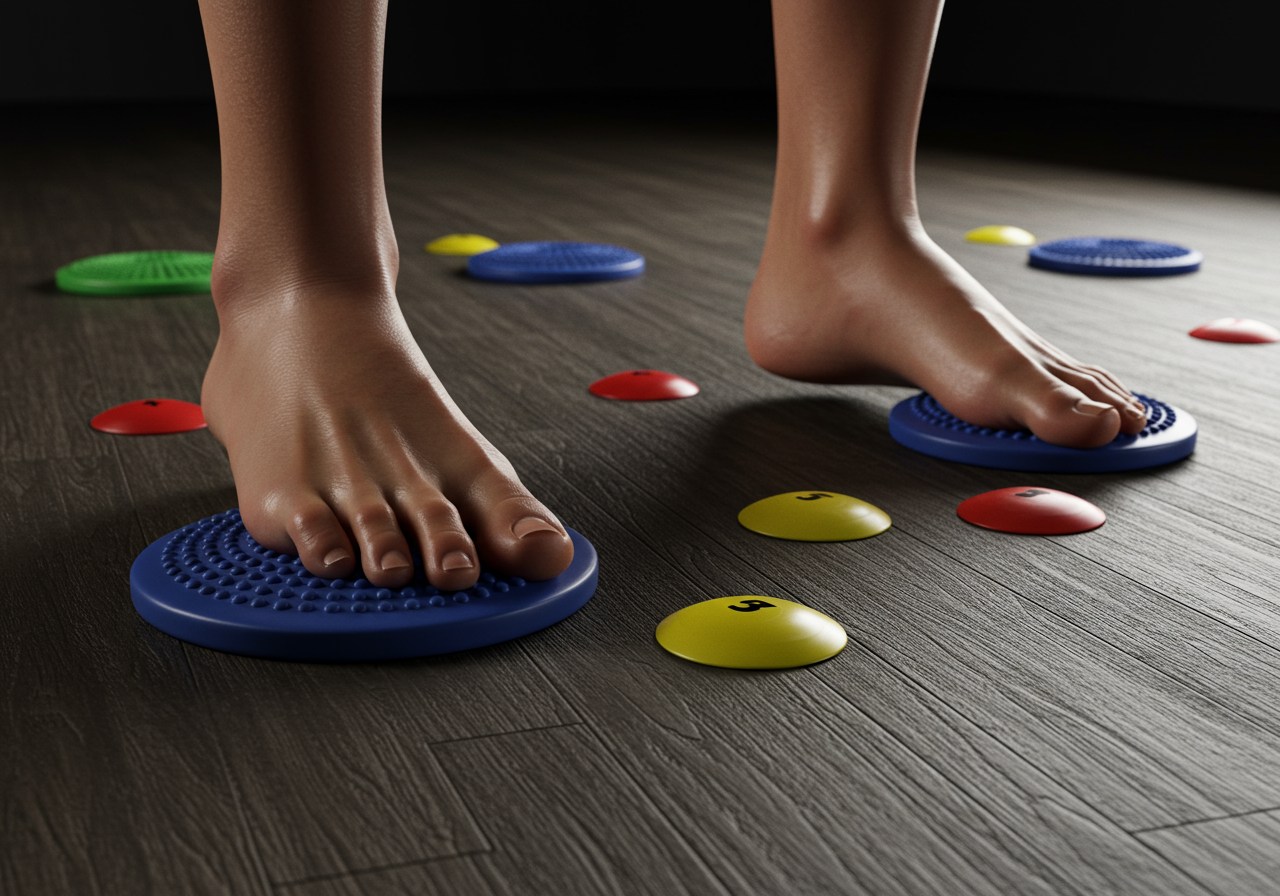
Perturbation & surface variations — 3–5 minutes • Gentle partner taps at shoulders or use a light resistance band for random pulls, 2 x 20 seconds per side. • Optional: folded towel under one foot for mild instability. Avoid unstable tools if you have acute pain or dizziness.
Reactive stepping — 3–5 minutes • Coach or training partner calls “left/right/back,” you step quickly and return, 3 x 20–30 seconds. • Solo option: use a reaction app (e.g., Clock Yourself) for random cues.
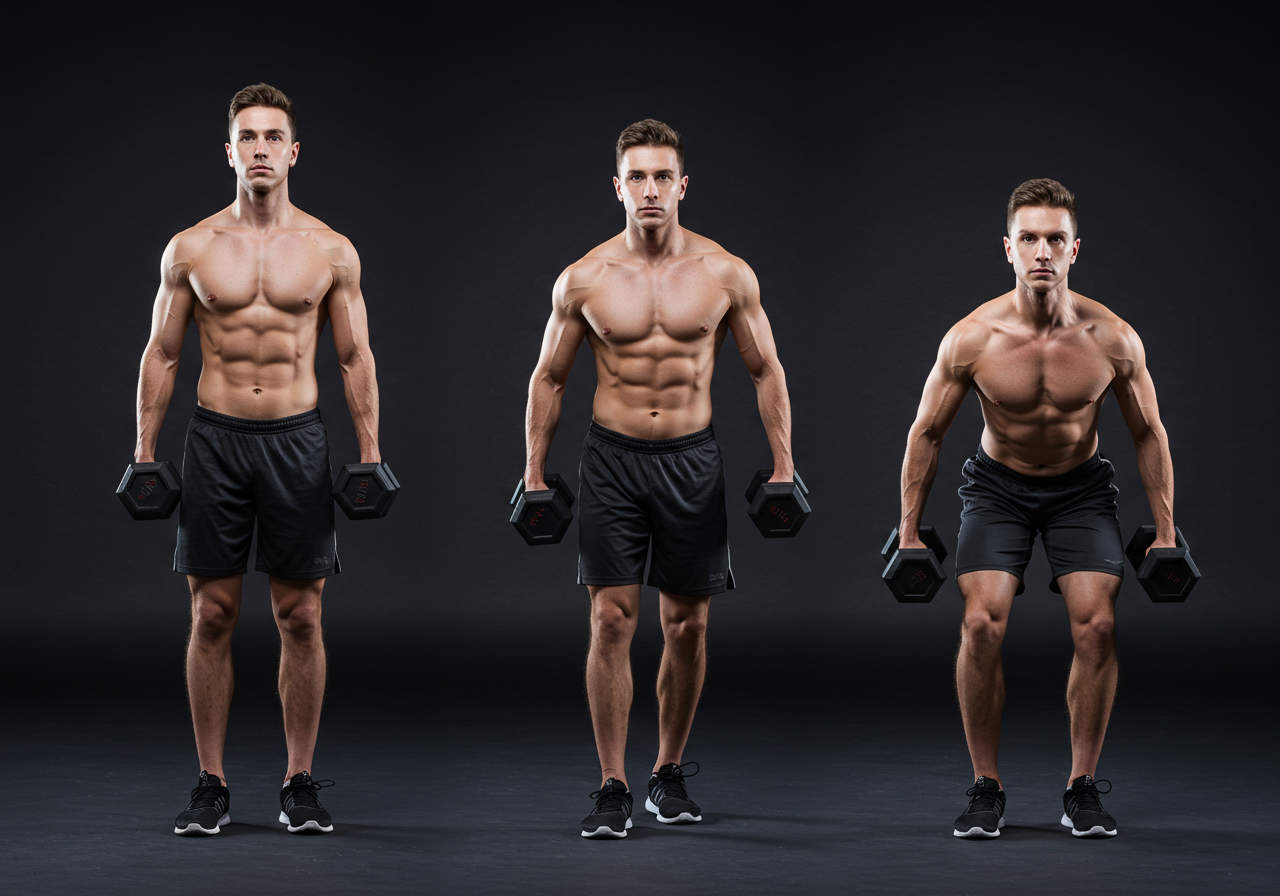
Strength pairings — 6–8 minutes • Single-leg Romanian deadlift (bodyweight or light dumbbell), 2–3 x 6–8 per side. • Farmer’s carry (2 dumbbells or grocery bags), 2–3 x 20–30 meters. Keep posture tall and steps quiet. • Core: Standing Pallof press, 2–3 x 8–10 per side.
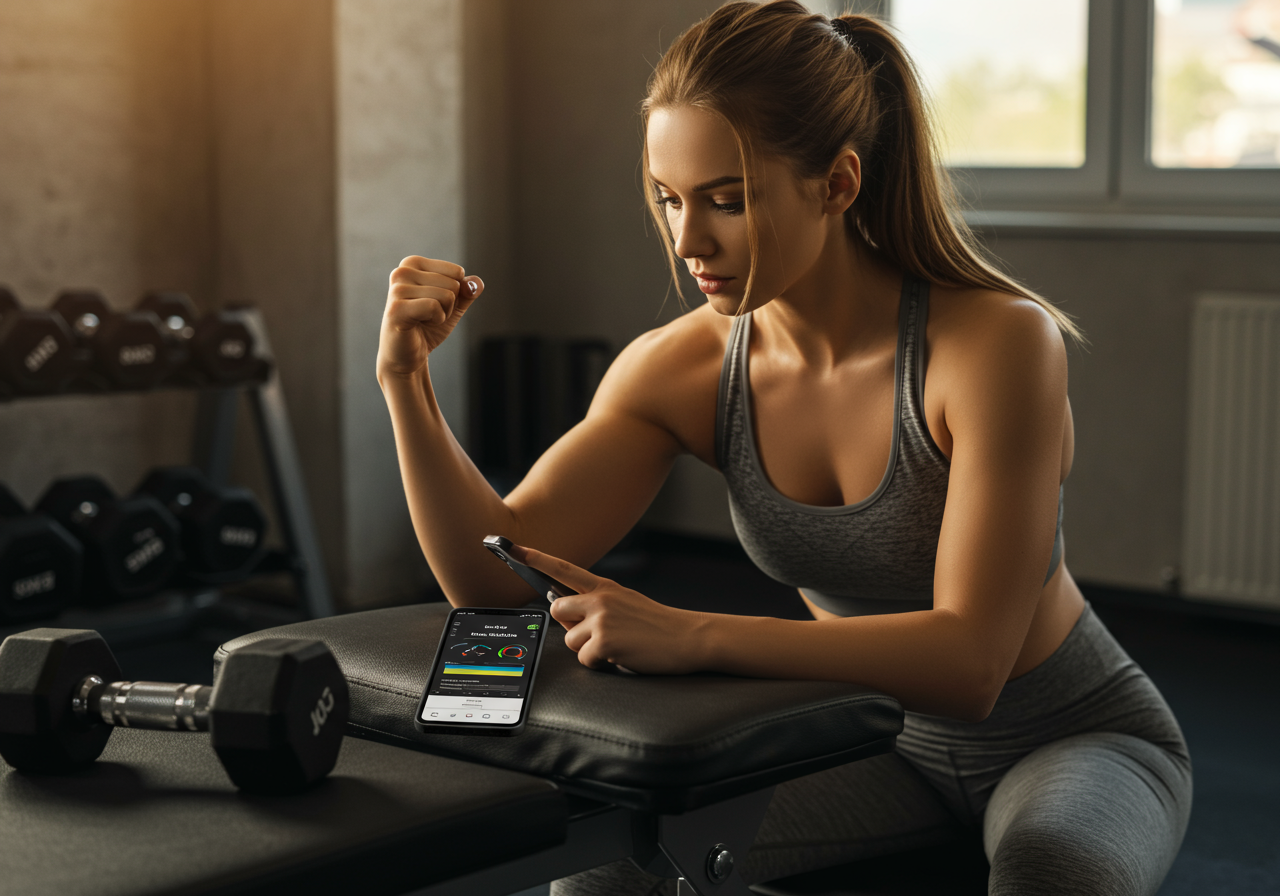
Cooldown & log — 2–3 minutes • Calf stretch, hip flexor stretch, slow breathing. • Log your best single-leg hold time and any wobbles. Apps: Notes, Fitbit, or Garmin to track sessions; MyFitnessPal for nutrition support if needed.
Safety anchors: Train beside a counter or wall. Clear tripping hazards. If you feel dizzy, pause, sit, and breathe slowly.
Twelve-Week Plan from Supported Stance to Dual-Tasking
How to advance: Progress one variable at a time—reduce hand support, increase hold time, add head turns, introduce light loads, then layer in reactive cues or dual‑tasking.
Beginner: Practice near support, aim for 2–3 holds of 15–30 seconds per side. Prioritize posture and quiet feet.
Intermediate: Add head turns, dual‑tasking (naming foods, counting), and light dumbbells for carries and RDLs.
Advanced: Introduce mild instability, quicker reactive steps, split‑stance presses, and small pogo hops if joints are healthy.
Retest every 2 weeks: Single‑leg stance (eyes open), best of 3 per side; optional eyes‑closed for 5–15 seconds if safe. Track a 3‑direction reach (front, diagonal, side) using tape on the floor. In coaching logs, many adults improve 5–15 seconds on single‑leg stance within 6–8 weeks when compliant.
Real‑world note: One client in her 60s reported fewer stumbles on stairs after 6 weeks of this plan and increased single‑leg holds from roughly 10 to ~25 seconds. Individual results vary.
Three Sessions Weekly Plus Daily Micro-Sets for Results
Frequency & dosage: Two to three focused sessions per week plus short daily micro‑sets (30–60 seconds per leg while brushing teeth). Keep intensity moderate (RPE 6–7). Leave 1–2 reps in reserve on strength moves.
Troubleshooting:
Plateau: Reduce hand support first, then add head turns or dual‑tasking before adding load.
Foot cramps: Add calf raises and towel scrunches; hydrate and include electrolytes on hot days.
Dizziness: Stop eyes‑closed work; retry with eyes open. If persistent, consult a clinician.
Motivation dip: Pair carries with a walk, use a metronome app (40–60 bpm) for rhythm, or track streaks on Garmin/Apple Watch.
Safety: Train near a stable surface. Clear clutter. Avoid eyes‑closed drills without support. Post‑injury or if you have vestibular issues, get medical guidance first.
Recovery & nutrition: Sleep 7–9 hours. Aim for protein ~1.2–1.6 g/kg/day to support tissue recovery; distribute across meals. Stay hydrated; include calcium‑rich foods. Vitamin D may help if deficient—ask a professional before supplementing. Gentle calf/foot self‑massage and 5 minutes of easy walking help circulation post‑session.
Validation & next steps: Re‑test hold times every two weeks and note stumbles per week. When holds reach 40–45 seconds with steady posture, progress to dual‑tasking and reactive steps. For guided PDFs and video demos.
Medical Disclaimer: The information provided on this website is for informational and educational purposes only and is not intended as personal medical or health advice. The content, including text, graphics, and images, is not a substitute for professional medical advice, diagnosis, or treatment. Always seek the advice of your physician or other qualified healthcare provider…
Medical Disclaimer: The information provided on this website is for informational and educational purposes only and is not intended as personal medical or health advice. The content, including text, graphics, and images, is not a substitute for professional medical advice, diagnosis, or treatment. Always seek the advice of your physician or other qualified healthcare provider…
Medical Disclaimer: The information provided on this website is for informational and educational purposes only and is not intended as personal medical or health advice. The content, including text, graphics, and images, is not a substitute for professional medical advice, diagnosis, or treatment. Always seek the advice of your physician or other qualified healthcare provider…
Medical Disclaimer: The information provided on this website is for informational and educational purposes only and is not intended as personal medical or health advice. The content, including text, graphics, and images, is not a substitute for professional medical advice, diagnosis, or treatment. Always seek the advice of your physician or other qualified healthcare provider…
Medical Disclaimer: The information provided on this website is for informational and educational purposes only and is not intended as personal medical or health advice. The content, including text, graphics, and images, is not a substitute for professional medical advice, diagnosis, or treatment. Always seek the advice of your physician or other qualified healthcare provider…
Medical Disclaimer: The information provided on this website is for informational and educational purposes only and is not intended as personal medical or health advice. The content, including text, graphics, and images, is not a substitute for professional medical advice, diagnosis, or treatment. Always seek the advice of your physician or other qualified healthcare provider…