Medical Disclaimer: The information provided on this website is for informational and educational purposes only and is not intended as personal medical or health advice. The content, including text, graphics, and images, is not a substitute for professional medical advice, diagnosis, or treatment. Always seek the advice of your physician or other qualified healthcare provider with any questions you may have regarding a medical condition or before starting any new exercise, nutrition, or supplement program. Never disregard professional medical advice or delay in seeking it because of something you have read on this blog. Reliance on any information provided by this site is solely at your own risk.
Raise Heat, Prime Joints, Rehearse Movement Patterns
A heavy day warm-up determines whether your top sets feel snappy or sticky. Done right, it protects joints and unlocks strength.
Quick answer: Raise heat, mobilize key joints, activate prime movers, then perform specific rehearsal sets that gradually approach working weight within 12–18 minutes.
In this guide, you’ll learn a complete system I use with new lifters and competitors: why it works, an exact step-by-step, level-based progressions, and simple checks to confirm it’s working.
Temperature and PAP Effects on Force Output
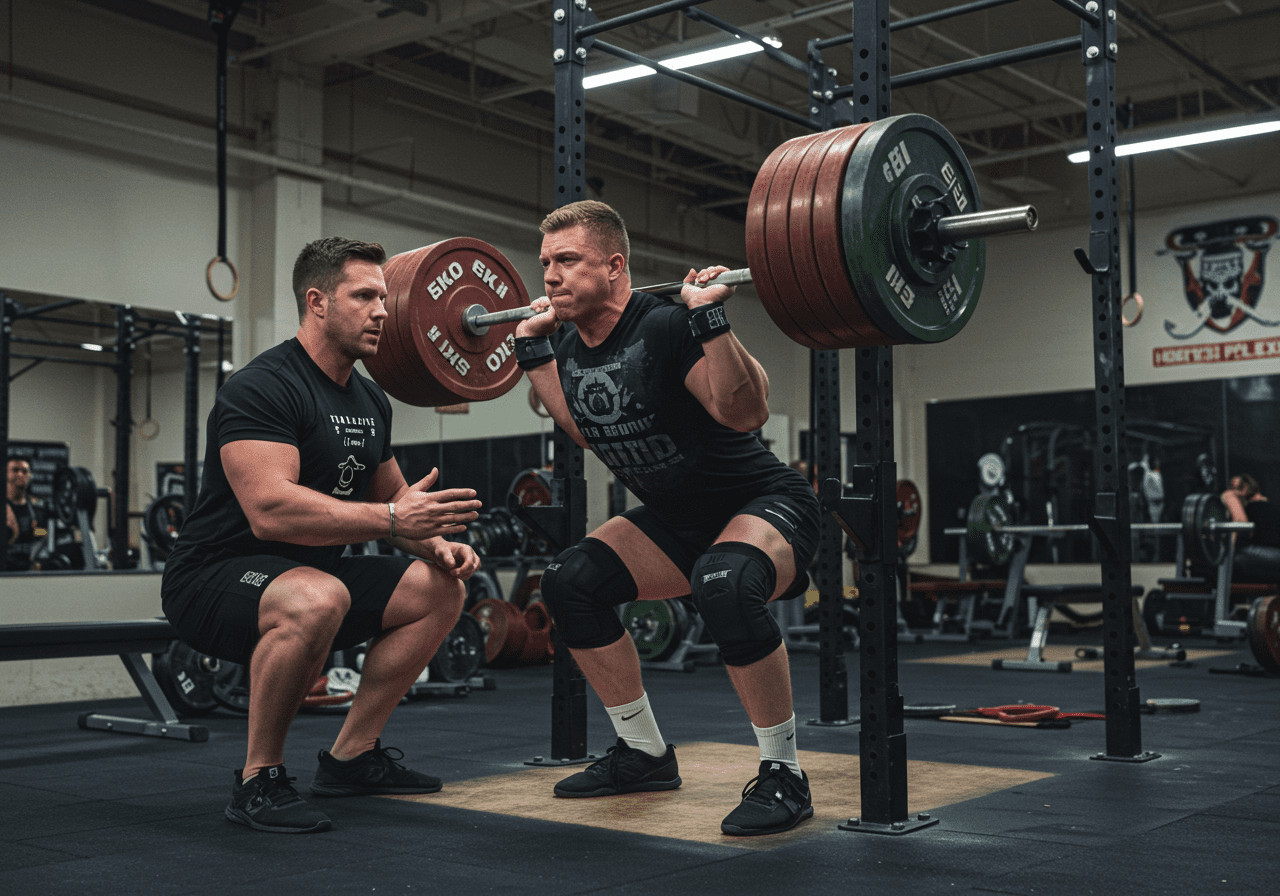
Heavier sets demand fast motor-unit recruitment, stiff yet responsive tendons, and stable joints. A targeted warm-up raises body temperature, improves tissue elasticity, and rehearses the exact movement pattern. In practice and peer‑reviewed research, these effects can reduce perceived exertion and support better force output.
Priming sets also create a light post-activation potentiation effect—your nervous system anticipates the load. I see this as a smoother bar path and fewer grind reps. My Garmin usually shows HR rising from the low 90s to ~120–130 bpm by the final ramp-up, which correlates with feeling ready but not fatigued.
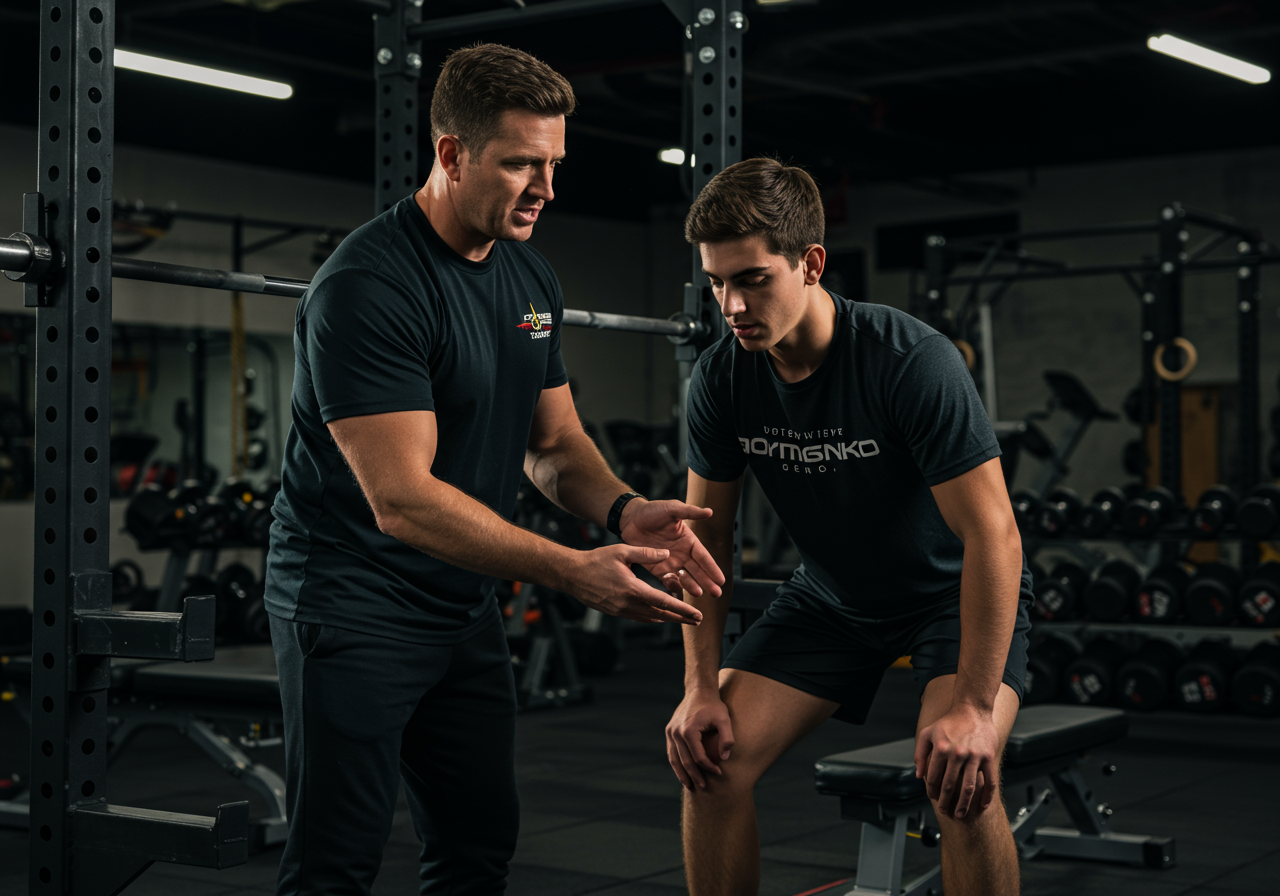
Client note: “I used to dive right in and my hips felt sticky,” Rita, a beginner, told me. After switching to this flow, she reported deeper squats and fewer cranky knee days. That’s anecdotal, but it mirrors outcomes I observe repeatedly.
Three-Phase Sequence: Heat, Mobilize, Ramp in 12-18 Minutes
Use this 3-phase sequence. Total time: 12–18 minutes for most lifters.
Phase 1 — Raise Heat (3–5 min) Options: incline treadmill walk, easy row, jump rope, or empty-bar complexes. Breathe through the nose if possible. Aim for HR in low Zone 2. You should feel warm but fresh.
Phase 2 — Mobilize + Activate (5–7 min) Pick drills that match the day’s lift:
Squat day: ankle rocks, hip airplanes, 90/90 switches, mini-band glute bridges (2×10), bodyweight squat with 2–3 second pauses.
Bench day: T-spine extensions over foam roller, band pull-aparts (2×15), scap push-ups (2×10), light face pulls, grip squeezes.
Deadlift day: cat-cow, hamstring sliders, hip hinge drill against wall, bird-dogs (2×6/side), light RDLs with empty bar.
Keep movements dynamic. Hold static stretches briefly (10–20 seconds) only if a clear restriction is present; long holds can dampen power.
Phase 3 — Rehearsal Ramp Sets (4–6 min) Build to your first working set with short, crisp sets that mirror your technique:
Set 1: Empty bar x 8–10 (smooth tempo)
Set 2: ~40–50% of top set load x 3–5
Set 3: ~60% x 2–3
Set 4: ~75% x 1–2 (fast, no grinders)
RPE should rise from 3–4 to ~6, never hitting fatigue. If the bar path wobbles, repeat the same load and fix the cue (breath, brace, foot pressure).
Technique cues I use Squat: spread the floor, ribs stacked, brace before descent. Bench: screw shoulders into the bench, vertical forearms at touch, consistent leg drive. Deadlift: lats tight like squeezing oranges in the armpits, push the floor away, keep the bar close.
Tools Timer: Seconds app or a simple watch. Tracking: Strong or Google Sheets. HR: Garmin/Fitbit. I’ll sometimes record the last ramp set on my phone to check bar path and bracing.
Scale Complexity and Ramp Loads by Training Experience
Start simple. Add specificity and volume only when you recover well and your top sets feel crisp.
Level guidelines
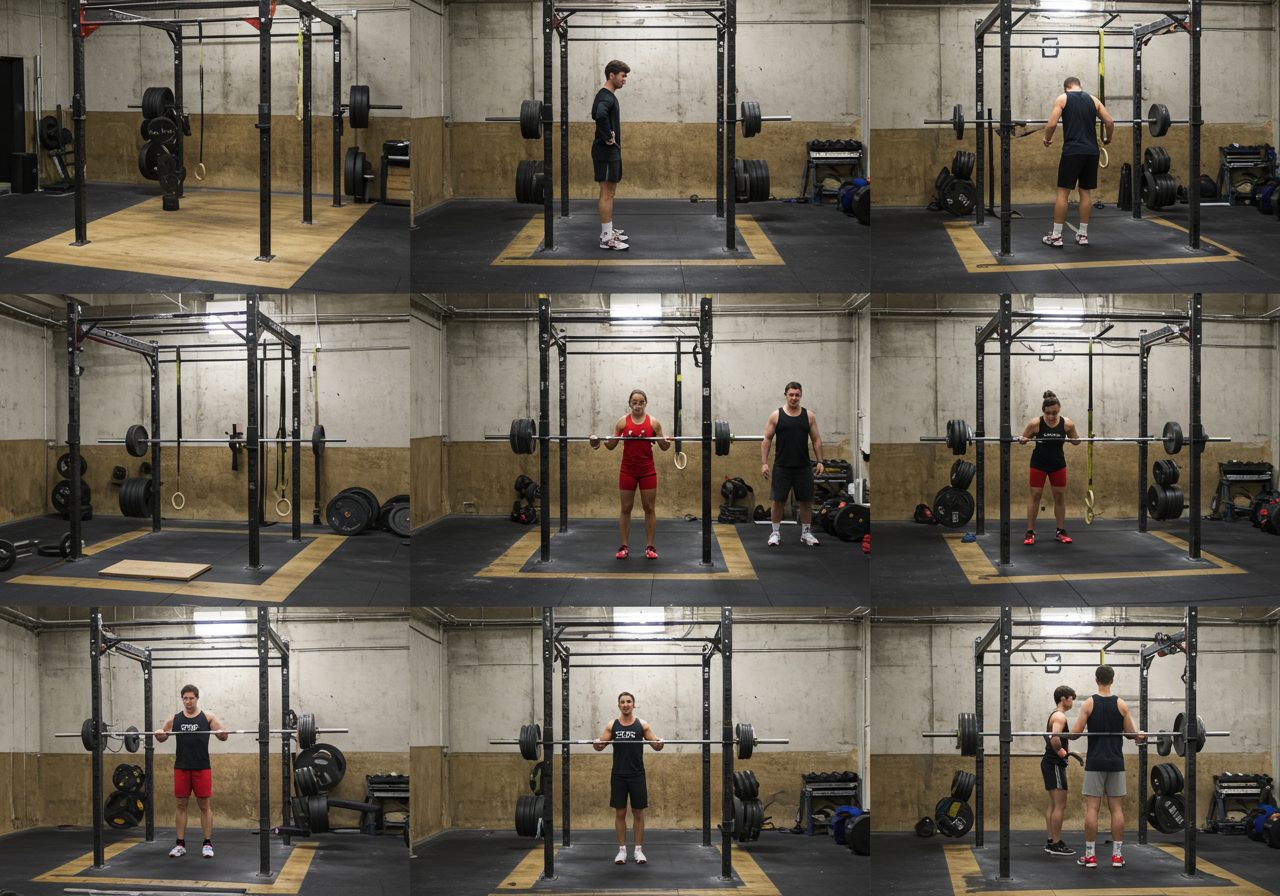
Caption: Progression of warm-up complexity and ramp loads by level.

Beginner (Weeks 1–4): 3 min heat; 4 drills x 8–12 reps; ramps: bar x10, 50% x5, 65% x3, 75% x1; total 12–14 min.

Intermediate (Weeks 5–8): 4 min heat; 5 drills with 1 pause rep each; ramps: bar x8, 45% x5, 60% x3, 72% x2, 80% x1; add a back-off single if needed; 14–16 min.

Advanced (Weeks 9+): 5 min heat; 5–6 drills targeting your limiting segment; ramps: bar x6, 50% x4, 65% x3, 75% x2, 85–88% x1 (PAP primer); 16–18 min.
Weekly structure (example) Heavy Lower (Mon): full sequence. Upper (Wed): full sequence. Heavy Lower/Upper (Fri/Sat): shorten Phase 2 by one drill if you’re already moving well. If bar speed drags during ramping, insert a 3–5 minute reset (walk, shake out) and repeat the prior load.
When to progress Tick any two for a week: last ramp set feels snappy, HR settles within 60–90 seconds, first working set RPE ≤ 7. Then move to the next level.
Deload option Keep Phase 1–2 the same. Cut one ramp set and stop at ~75% single. Use the saved energy for technique or leave it in the tank.
Match Warm-Up Frequency to Session Intensity and Goals
Frequency & fit Most lifters thrive with 2 heavy sessions per week. Keep this warm-up intact for heavy days; on lighter days, shorten Phase 2 or reduce ramp sets.
Common mistakes Too long: arriving sweaty and depleted. Too static: long holds before lifting. Too random: drills that don’t match the lift. Fix by keeping the 3 phases and matching the day’s pattern.
Monitoring Track three numbers: last ramp-set RPE, working-set bar speed (fast/okay/slow if you don’t have a device), and session time. I store notes in Strong and export to Google Sheets monthly. Aim for consistent readiness, not record times.
Fuel & recovery Pre-lift snack: 0.5–1 g/kg carbs 60–90 minutes before. Hydrate with a pinch of salt if you sweat heavily. Caffeine 2–3 mg/kg can help if tolerated. Creatine monohydrate (3–5 g daily) supports repeated high‑intensity work. Sleep 7–9 hours when possible; short naps help after early sessions.
Injury and pain Mild stiffness that improves during warm-up is common. Sharp or escalating pain is not—stop and consult a clinician. Reduce load or range and keep moving within pain-free limits.
Motivation & adherence Automate it: save your warm-up as a template in your app. I set a 15-minute cap so it never balloons. One of my intermediate clients, Miguel, said, “Knowing the exact steps keeps me from overthinking and skipping.”
Next stepsUse this flow for the next four weeks and log outcomes. If your first working set feels smoother and your joints are happier, stay the course. Want my printable warm-up cards?.
Medical Disclaimer: The information provided on this website is for informational and educational purposes only and is not intended as personal medical or health advice. The content, including text, graphics, and images, is not a substitute for professional medical advice, diagnosis, or treatment. Always seek the advice of your physician or other qualified healthcare provider…
Medical Disclaimer: The information provided on this website is for informational and educational purposes only and is not intended as personal medical or health advice. The content, including text, graphics, and images, is not a substitute for professional medical advice, diagnosis, or treatment. Always seek the advice of your physician or other qualified healthcare provider…
Medical Disclaimer: The information provided on this website is for informational and educational purposes only and is not intended as personal medical or health advice. The content, including text, graphics, and images, is not a substitute for professional medical advice, diagnosis, or treatment. Always seek the advice of your physician or other qualified healthcare provider…
Medical Disclaimer: The information provided on this website is for informational and educational purposes only and is not intended as personal medical or health advice. The content, including text, graphics, and images, is not a substitute for professional medical advice, diagnosis, or treatment. Always seek the advice of your physician or other qualified healthcare provider…
Medical Disclaimer: The information provided on this website is for informational and educational purposes only and is not intended as personal medical or health advice. The content, including text, graphics, and images, is not a substitute for professional medical advice, diagnosis, or treatment. Always seek the advice of your physician or other qualified healthcare provider…
Medical Disclaimer: The information provided on this website is for informational and educational purposes only and is not intended as personal medical or health advice. The content, including text, graphics, and images, is not a substitute for professional medical advice, diagnosis, or treatment. Always seek the advice of your physician or other qualified healthcare provider…