Medical Disclaimer: The information provided on this website is for informational and educational purposes only and is not intended as personal medical or health advice. The content, including text, graphics, and images, is not a substitute for professional medical advice, diagnosis, or treatment. Always seek the advice of your physician or other qualified healthcare provider with any questions you may have regarding a medical condition or before starting any new exercise, nutrition, or supplement program. Never disregard professional medical advice or delay in seeking it because of something you have read on this blog. Reliance on any information provided by this site is solely at your own risk.
Walk-Run Intervals Build Your 5K Foundation Safely
Beginner’s 8-Week Running Plan guides you from the couch to a confident 5K with simple walk–run intervals and steady, safe progress.
Run a 5K in eight weeks by alternating walk–run intervals, adding one easy run weekly, and keeping long runs conversational.
You’ll learn how to pace with heart-rate zones, schedule three weekly runs, add short strength and mobility sessions, fuel and recover well, and track progress using simple metrics.
Zone 2 Training Reduces Injury Risk for Beginners
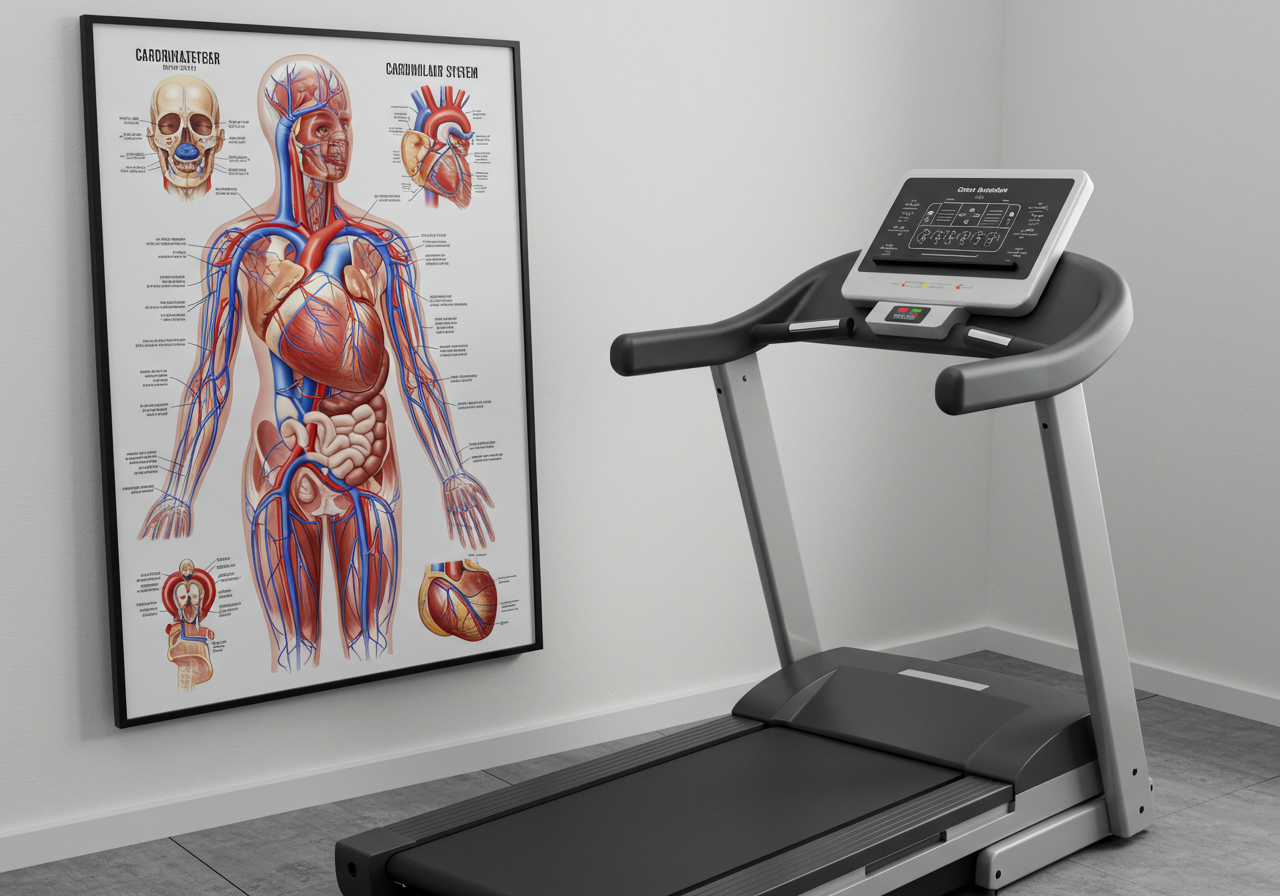
New runners don’t need heroics; they need consistency. Easy aerobic work (often called Zone 2) builds mitochondrial efficiency and capillary density, which improves endurance. Walk–run intervals lower impact forces and give connective tissue time to adapt, reducing injury risk according to common sports medicine guidance.
In practice-based reports and novice cohorts, gradual interval progressions reliably increase time-on-feet without excessive soreness. My own coaching logs show that beginners who stay mostly conversational on runs complete more sessions and report fewer niggles than those who push pace early.
Client note: “I started nervous. By week six I ran 20 minutes nonstop. My knees felt fine, and I slept better,” wrote a reader who followed the plan while logging sessions on Strava and a basic Fitbit.
From my training journal: three Zone 2 runs per week paired with two 10-minute strength minis produced steady improvements in perceived effort, and long runs extended comfortably without next-day aches.
Three Weekly Runs with Dynamic Warmups and Intervals
Before you begin: If you have medical concerns or prolonged pain, speak with a healthcare professional. Choose comfortable shoes, and plan three run days per week (e.g., Tue/Thu/Sat).
Warm-up (5–7 minutes)
Easy walk building to brisk pace.
Dynamic moves: leg swings, ankle circles, hip openers, 2–3 short marching drills.
Session layout (3 runs/week)
Run A (Intervals): Short run bouts with planned walks. Keep breathing easy; finish wanting one more interval.
Run B (Easy continuous or walk–jog): Relaxed, talk-in-full-sentences effort.
Run C (Longer easy/interval run): Slightly longer than Run B, still conversational.
Intensity guide
Talk test: You should be able to speak in full sentences during most of the plan.
Heart-rate option: Keep easy runs in your easy zone (often called Zone 2). Many watches (Garmin, Polar, Apple) estimate this automatically. If you don’t use HR, keep perceived effort around 4–6/10.
Technique cues
Short, quick steps; land under your center of mass.
Relax the shoulders; hands soft as if holding a potato chip.
Uphill: shorten stride and keep cadence; downhill: stay light and controlled.
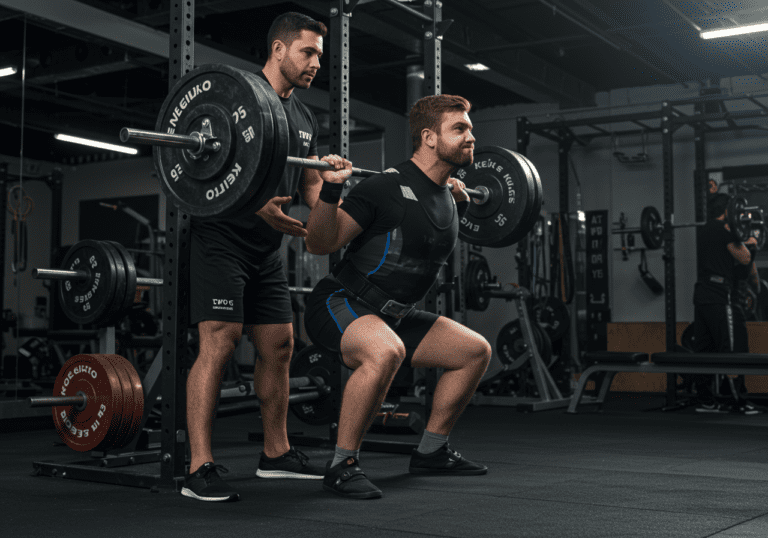
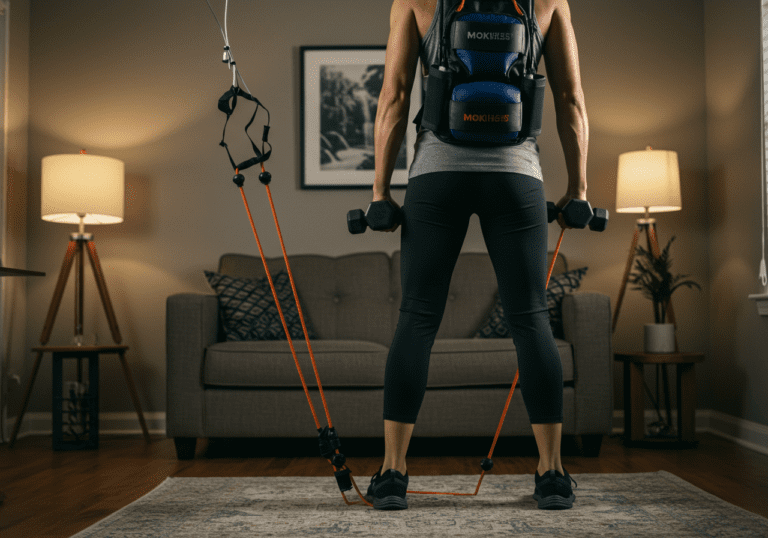
Strength & mobility (2x/week, ~10 minutes)
Glute bridge x12, Calf raise x12, Side plank x20–30s/side, Dead bug x8/side. Repeat twice.
Cross-training (optional 1x/week): 20–30 minutes cycling, brisk walking, or swimming at easy effort.
Nutrition & recovery
Pre-run: small carb-based snack if needed (e.g., toast with honey) 30–60 minutes before.
Post-run: 20–30 g protein plus carbs within 1–2 hours; hydrate until urine is pale straw.
Aim for 7–9 hours of sleep; short walk or light mobility the day after longer sessions.
Tracking
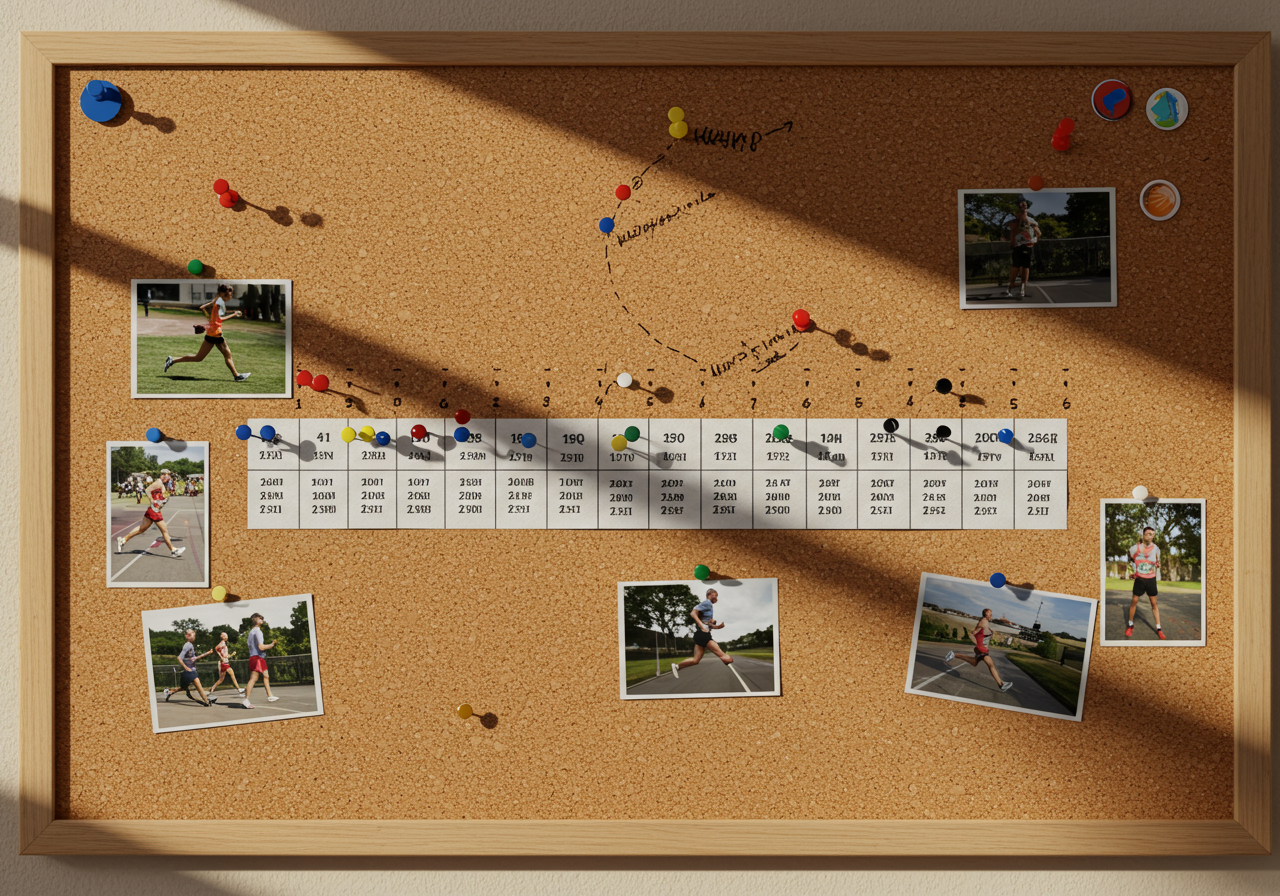
Log duration, intervals completed, and RPE in Strava or a notes app; I like pairing Garmin (HR) data with a simple 1–10 effort score.
Mark wins: fewer walk breaks, steadier breathing, or lower RPE at the same route.
Eight Weeks from One-Minute Runs to Continuous Jogging
Plain‑text schedule: 8-week walk–run plan from couch to 5K. Keep most running conversational (easy zone). If a week feels too hard, repeat it.
Week 1: Run A = 8 x (1:00 run / 1:30 walk); Run B = 20:00 easy walk–jog; Run C = 6 x (1:30 run / 2:00 walk).

Week 2: Run A = 8 x (1:30 / 1:30); Run B = 22:00 easy; Run C = 6 x (2:00 / 2:00).

Week 3: Run A = 6 x (2:00 / 1:30); Run B = 24:00 easy; Run C = 5 x (3:00 / 2:00).

Week 4: Run A = 5 x (3:00 / 2:00); Run B = 26:00 easy; Run C = 4 x (4:00 / 2:00).

Week 5: Run A = 4 x (5:00 / 2:00); Run B = 28:00 easy; Run C = 3 x (6:00 / 2:00).

Week 6: Run A = 3 x (8:00 / 2:00); Run B = 30:00 easy; Run C = 2 x (10:00 / 2:00).

Week 7: Run A = 2 x (12:00 / 2:00); Run B = 32:00 easy; Run C = 15:00 continuous + 5:00 walk.

Week 8: Run A = 20:00 continuous easy; Run B = 10:00 easy + 4 x 0:20 relaxed strides; Run C = 5K rehearsal (35:00 easy continuous or event day).
Beginner adjustments
If breathing is labored, shorten run bouts or extend walks by 30–60 seconds.
Keep long run fully conversational; no testing pace yet.
Intermediate option
Add 4 x 20–30s relaxed strides after Run B from Week 4 onward (full recovery walks).
Make Week 7 Run B a slightly brisker finish (last 5 minutes at steady but talkable effort).
Advanced option
From Week 6, include 8–10 minutes steady (upper easy) within Run B.
Week 8: 5K event—start easy, settle into a steady rhythm by kilometer 2; aim for a negative split.
Use Talk Test and Strength Work Twice Weekly
Frequency & intensity
Three runs per week is enough to build your base. Keep most minutes easy; save enthusiasm for consistency, not speed.
If life gets busy, drop the optional cross‑training first, not sleep.
Common mistakes
Starting too fast: use the talk test and keep cadence light.
Skipping warm-ups and strength: five minutes before and ten minutes of strength twice weekly pay off.
New shoes on race week: break in footwear over several short runs.
Troubleshooting
Plateau: add strides once weekly or repeat a week while improving sleep and protein intake (~1.6–2.2 g/kg/day if appropriate).
Motivation dip: run with a friend, change route scenery, or use a streak of 10-minute minimums.
Niggles: if pain alters your stride or persists into the next day, cut volume by ~30% for a week. If it lingers, consult a professional.
Fuel & recovery
Daily pattern: mostly whole foods, adequate carbs on run days, hydration spread across the day.
Caffeine can help before key sessions if you tolerate it; avoid new supplements close to event day.
Sleep is your best recovery tool—set a wind‑down alarm.
Monitor results
Track total weekly minutes, longest continuous run, and RPE trends. Many readers like Garmin + Strava; nutrition logging with MyFitnessPal can help on heavy weeks.
Outcome target: finish a 5K feeling in control. If you’re close but not there, repeat Week 7 or 8 and try again.
When you complete this plan, consider a gentle 1–2 week reset, then build to a 10K or add variety with trails.
Medical Disclaimer: The information provided on this website is for informational and educational purposes only and is not intended as personal medical or health advice. The content, including text, graphics, and images, is not a substitute for professional medical advice, diagnosis, or treatment. Always seek the advice of your physician or other qualified healthcare provider…
Medical Disclaimer: The information provided on this website is for informational and educational purposes only and is not intended as personal medical or health advice. The content, including text, graphics, and images, is not a substitute for professional medical advice, diagnosis, or treatment. Always seek the advice of your physician or other qualified healthcare provider…
Medical Disclaimer: The information provided on this website is for informational and educational purposes only and is not intended as personal medical or health advice. The content, including text, graphics, and images, is not a substitute for professional medical advice, diagnosis, or treatment. Always seek the advice of your physician or other qualified healthcare provider…
Medical Disclaimer: The information provided on this website is for informational and educational purposes only and is not intended as personal medical or health advice. The content, including text, graphics, and images, is not a substitute for professional medical advice, diagnosis, or treatment. Always seek the advice of your physician or other qualified healthcare provider…
Medical Disclaimer: The information provided on this website is for informational and educational purposes only and is not intended as personal medical or health advice. The content, including text, graphics, and images, is not a substitute for professional medical advice, diagnosis, or treatment. Always seek the advice of your physician or other qualified healthcare provider…
Medical Disclaimer: The information provided on this website is for informational and educational purposes only and is not intended as personal medical or health advice. The content, including text, graphics, and images, is not a substitute for professional medical advice, diagnosis, or treatment. Always seek the advice of your physician or other qualified healthcare provider…