Medical Disclaimer: The information provided on this website is for informational and educational purposes only and is not intended as personal medical or health advice. The content, including text, graphics, and images, is not a substitute for professional medical advice, diagnosis, or treatment. Always seek the advice of your physician or other qualified healthcare provider with any questions you may have regarding a medical condition or before starting any new exercise, nutrition, or supplement program. Never disregard professional medical advice or delay in seeking it because of something you have read on this blog. Reliance on any information provided by this site is solely at your own risk.
Breathing Techniques to Improve Endurance Performance can turn tired legs into steady engines by enhancing oxygen use and calming your nervous system. Today, you will learn a structured system that blends breath control with running, cycling, or rowing so you go farther with less strain.
Direct answer: In practice, practice structured nose-first, diaphragm-led breathing with interval drills three times weekly to extend endurance and reduce perceived exertion.
We will cover the physiology, exact drills, an 8‑week progression, and how to verify results with simple tests, app data, and recovery markers. I’ll share what worked for my clients and the mistakes we corrected along the way.
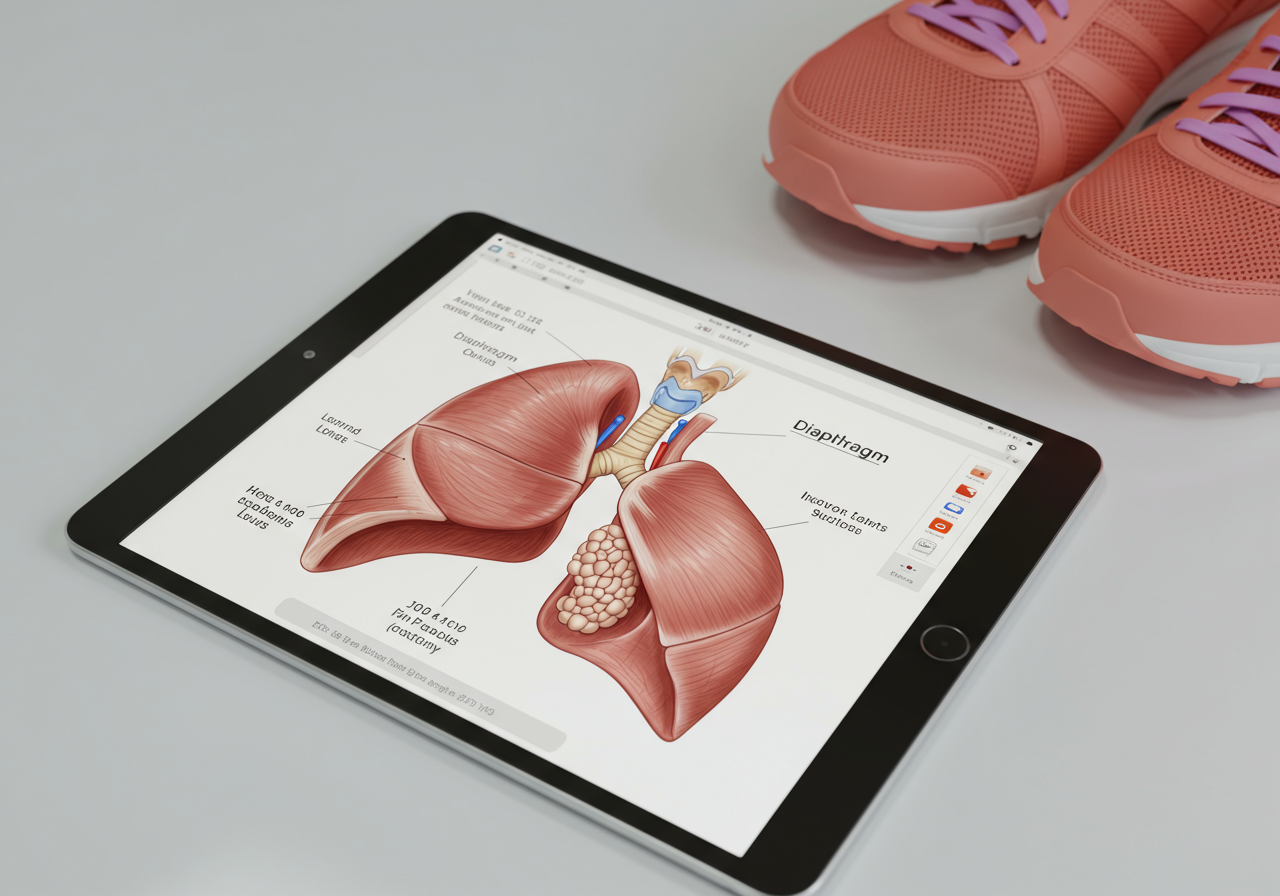
Endurance is limited by how well you deliver and use oxygen and how you handle carbon dioxide. Diaphragmatic, nose-first breathing can improve ventilatory efficiency, regulate CO2 sensitivity, and help maintain a calmer nervous system. That often translates to steadier pacing, fewer spikes in heart rate, and lower perceived effort.
In practice studies and peer-reviewed work on respiratory muscle training, athletes who trained their breathing reported improved time-to-exhaustion and reduced dyspnea. Mechanisms include stronger respiratory muscles, better ribcage mechanics, and improved chemo-reflex tolerance. While size of effect varies, I repeatedly see smoother pacing and fewer mid-session fade-outs in recreational athletes.
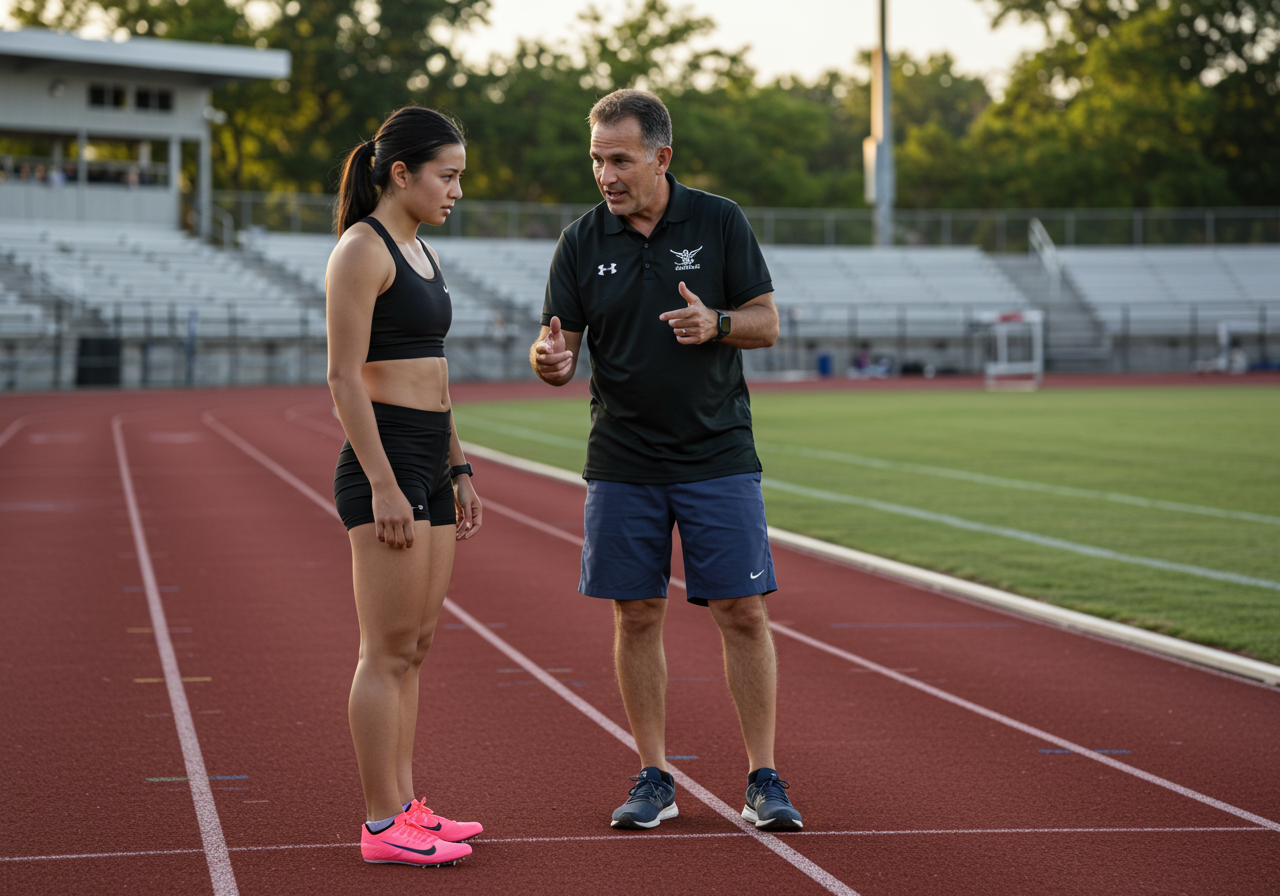
Client notes: A novice runner told me, “Once I learned to breathe from my belly and keep the rhythm, the panic feeling during tempo runs disappeared.” Another cyclist reported steadier power output on hills when using a controlled, pursed-lip exhale.
Respiratory Training Reduces Dyspnea and Improves Pacing
Set your baseline first:
Talk test: During an easy 20–30 minute session, note if you can speak full sentences. Save pace/power and average HR in your app (Strava or Garmin).
Resting breath rate: Count breaths for one minute on waking. Record 3 mornings.
Perceived exertion (RPE): Use a 1–10 scale in your training log.
Core breathing drills:
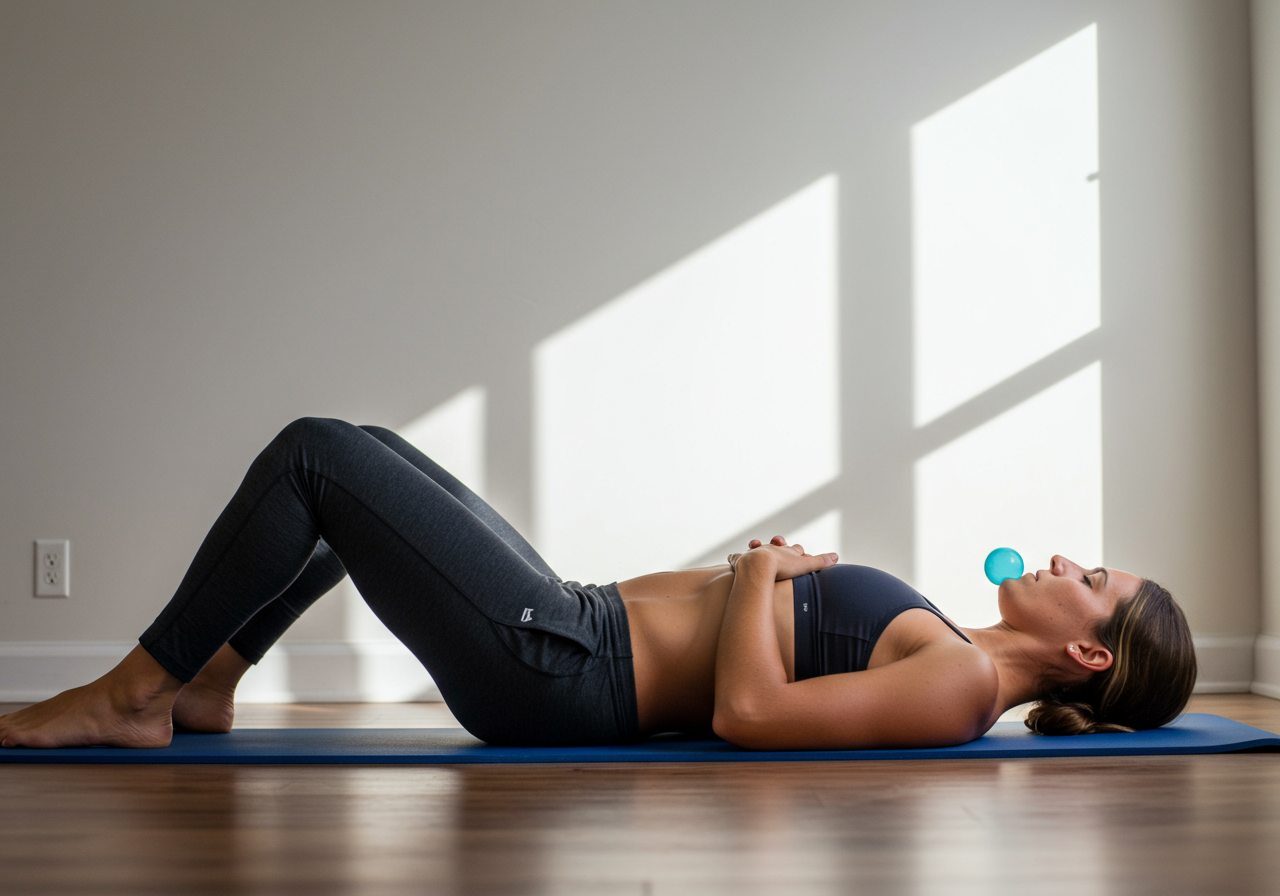
Diaphragm reset (pre‑session, 2–4 minutes): Lie supine, one hand on chest, one on belly. Inhale through the nose, expand belly and sides, soft ribs. Exhale through the nose. 3 sets of 6 slow breaths.
Nasal Zone 2 rhythm: Easy pace. Breathe only through the nose if possible. Start with an even rhythm, such as 3 steps inhale / 3 steps exhale (or 3:3 pedal strokes). Keep shoulders relaxed.
Tempo rhythm (2:2): For moderate efforts, use 2 steps inhale / 2 steps exhale. If nasal only is tough, keep the inhale nasal and use a controlled, pursed-lip exhale.
Hill control: Short hills with calm exhale: inhale through nose, exhale through pursed lips to slow airflow. Keep your jaw loose.
CO2 tolerance walk (off‑day): During a walk, exhale normally, hold until a moderate urge to breathe, then resume nasal breathing. 6–10 easy repetitions. Keep it comfortable.
Warm‑down box breathing (post‑session, 2–4 minutes): Inhale 4, hold 4, exhale 4, hold 4. This downshifts the nervous system and may improve recovery.
Sample sessions (use heart rate zones from your watch or a simple talk test):
Session A — Aerobic nasal intervals (40–50 min): Warm up 10 min. Then 8 × 2 min in high Z2 to low Z3 with 2 min Z1–Z2 between, using nose-first breathing. Cool down 10 min and box breathe.
Session B — Steady Z2 (30–60 min): Continuous nasal breathing. If you must open the mouth, return to nasal as soon as pace settles.
Session C — Tempo with 2:2 (30–45 min): Warm up 10 min. 3 × 6–8 min tempo using 2:2 rhythm, easy 3–4 min between. Pursed-lip exhale on rises.
Execution cues: Keep your tongue on the roof of your mouth, relax the jaw, let the belly and lower ribs lead the inhale, and keep your shoulders unshrugged. If you feel dizzy, slow down and breathe normally.
Nasal Zone 2 Rhythm with Diaphragm Resets
Follow this eight‑week arc while adjusting by RPE and daily readiness. Add volume only when breathing stays calm and form is smooth.
Progression overview — adjust by RPE and HR zones.
Week 1–2: 2–3 sessions/week. Z2 nasal 20–35 min; Diaphragm reset pre; Box breathing post; 1 easy CO2 walk.

Week 3–4: 3–4 sessions/week. Add Session A (8x2 min Z2/low Z3 nasal); Z2 nasal 35–45 min; 1 tempo block using 2:2.

Week 5–6: 3–5 sessions/week. Extend Z2 to 45–60 min; Session A becomes 6x3–4 min; Tempo 3x8–10 min with 2:2; 1 hill control day.

Week 7–8: 4–5 sessions/week. Long Z2 nasal 60–75 min; Intervals 5x5 min Z3 with calm exhale; Tempo 2x12–15 min; Maintain 1 CO2 walk.
Level adjustments:
Beginner: Keep Z2 on the easy side and shorten intervals. If nasal-only feels restrictive, mix 2–3 nasal breaths with one pursed-lip breath, then return to nasal.
Intermediate: Hold nasal breathing across Z2 and most Z3 intervals. Progress by time first, then by pace/power.
Advanced: Layer breathing constraints onto race-pace work: alternate 2:2 and 3:2 rhythms, stay relaxed on hills, and reserve all-out efforts for specific days.
Retesting: Every two weeks, repeat the same easy route at the same RPE and observe average HR and pace/power. Look for steadier HR and smoother cadence at similar effort.
Eight-Week Progression from 20 to 75 Minutes
Frequency: 3–5 endurance sessions per week. Include 2–3 sessions with intentional breathing drills. Keep one day fully easy or off. Intensity: most work in Z2, a smaller portion in Z3, rare Z4–Z5 when recovered.
Recovery: Sleep 7–9 hours. Hydrate based on sweat rate; include electrolytes on long sessions. Fuel longer sessions with ~30–60 g carbohydrate per hour and aim for balanced daily protein. Simple rule: protein at every meal, carbs around training, colorful plants for micronutrients.
Monitoring: Track sessions in Strava or Garmin. Note RPE, average HR, and whether nasal breathing was sustainable. Optional tools: HRV apps to gauge readiness; MyFitnessPal for fueling awareness.
Troubleshooting:
Plateaus: Reduce interval count by one set for a week, extend easy Z2 time, and emphasize post‑session box breathing.
Overreaching: Signs include rising resting breath rate, restless sleep, and higher RPE at usual pace. Deload for 3–5 days and normalize breathing.
Motivation dips: Do an “easy nose-only scenic” session and log one win (e.g., longer nasal stretch or calmer hills).
Injury risk: If pain changes your gait, stop the session. Return with gentle Z1 work and breathing drills off-feet (air bike or rowing machine).
Result validation: In coaching logs, athletes often report being able to maintain nasal breathing longer at the same route and effort, with steadier HR and lower RPE within 6–8 weeks. One runner messaged, “I stayed calm on hills and finished stronger instead of fading.” Treat these as signals; retest every two weeks to confirm.
Next steps: Keep the breathing cues, then layer them into race prep. Save today’s plan.
Medical Disclaimer: The information provided on this website is for informational and educational purposes only and is not intended as personal medical or health advice. The content, including text, graphics, and images, is not a substitute for professional medical advice, diagnosis, or treatment. Always seek the advice of your physician or other qualified healthcare provider…
Medical Disclaimer: The information provided on this website is for informational and educational purposes only and is not intended as personal medical or health advice. The content, including text, graphics, and images, is not a substitute for professional medical advice, diagnosis, or treatment. Always seek the advice of your physician or other qualified healthcare provider…
Medical Disclaimer: The information provided on this website is for informational and educational purposes only and is not intended as personal medical or health advice. The content, including text, graphics, and images, is not a substitute for professional medical advice, diagnosis, or treatment. Always seek the advice of your physician or other qualified healthcare provider…
Medical Disclaimer: The information provided on this website is for informational and educational purposes only and is not intended as personal medical or health advice. The content, including text, graphics, and images, is not a substitute for professional medical advice, diagnosis, or treatment. Always seek the advice of your physician or other qualified healthcare provider…
Medical Disclaimer: The information provided on this website is for informational and educational purposes only and is not intended as personal medical or health advice. The content, including text, graphics, and images, is not a substitute for professional medical advice, diagnosis, or treatment. Always seek the advice of your physician or other qualified healthcare provider…
Medical Disclaimer: The information provided on this website is for informational and educational purposes only and is not intended as personal medical or health advice. The content, including text, graphics, and images, is not a substitute for professional medical advice, diagnosis, or treatment. Always seek the advice of your physician or other qualified healthcare provider…