Medical Disclaimer: The information provided on this website is for informational and educational purposes only and is not intended as personal medical or health advice. The content, including text, graphics, and images, is not a substitute for professional medical advice, diagnosis, or treatment. Always seek the advice of your physician or other qualified healthcare provider with any questions you may have regarding a medical condition or before starting any new exercise, nutrition, or supplement program. Never disregard professional medical advice or delay in seeking it because of something you have read on this blog. Reliance on any information provided by this site is solely at your own risk.
Gentle movement and strength work reduce lower back pain
To manage lower back pain, we’ll use gentle movement, strategic strengthening, and simple daily habits. You’ll learn a safe routine, how to progress it, and how to track results.
Quick answer: walk daily, practice pain-free hip hinges, and strengthen core and glutes 2–3 times weekly while keeping pain ≤3/10.
Research shows graded activity beats rest for function
Motion feeds the spine. Gentle activity circulates nutrients to discs and surrounding tissues, calms the nervous system, and reduces fear of movement. Endurance in the core and hips helps share load so the lower back doesn’t take every force.
In peer-reviewed research, graded activity and strengthening are commonly associated with better function compared to rest. Walking at an easy pace can lower pain sensitivity and improve mood—both matter when your back is irritated. In my coaching practice, consistent hip hinge practice plus glute and core endurance often restores daily confidence before maximal strength returns.
Testimonial: “After a few weeks, I could lift my kid from the car seat without bracing in fear,” wrote K., a reader who paired short walks with bridges and bird-dogs.
Pain-guided core endurance and hip hinge drills
Use these pain rules: 0–3/10 during work is okay if symptoms settle within 24 hours; avoid sharp, spreading leg pain. Move with control. Breathe.
Warm-up (5–8 min) • Easy walk or gentle cycling 3–5 min. • Breathing: supine 90/90, inhale into ribs/back, long exhale x5–8 breaths. • Hip mobility: rocking quadruped (small range), 8–10 reps.
Core endurance (McGill-inspired) • Modified curl-up: 5–8 reps, 5–10s holds, neutral spine. • Side plank from knees: 3–5 reps/side, 10–20s holds, long line from ear to knee. • Bird-dog: 6–10 slow reps/side, pause when limbs align with trunk. Cue: keep ribs down, breathe quietly; stop before losing position.
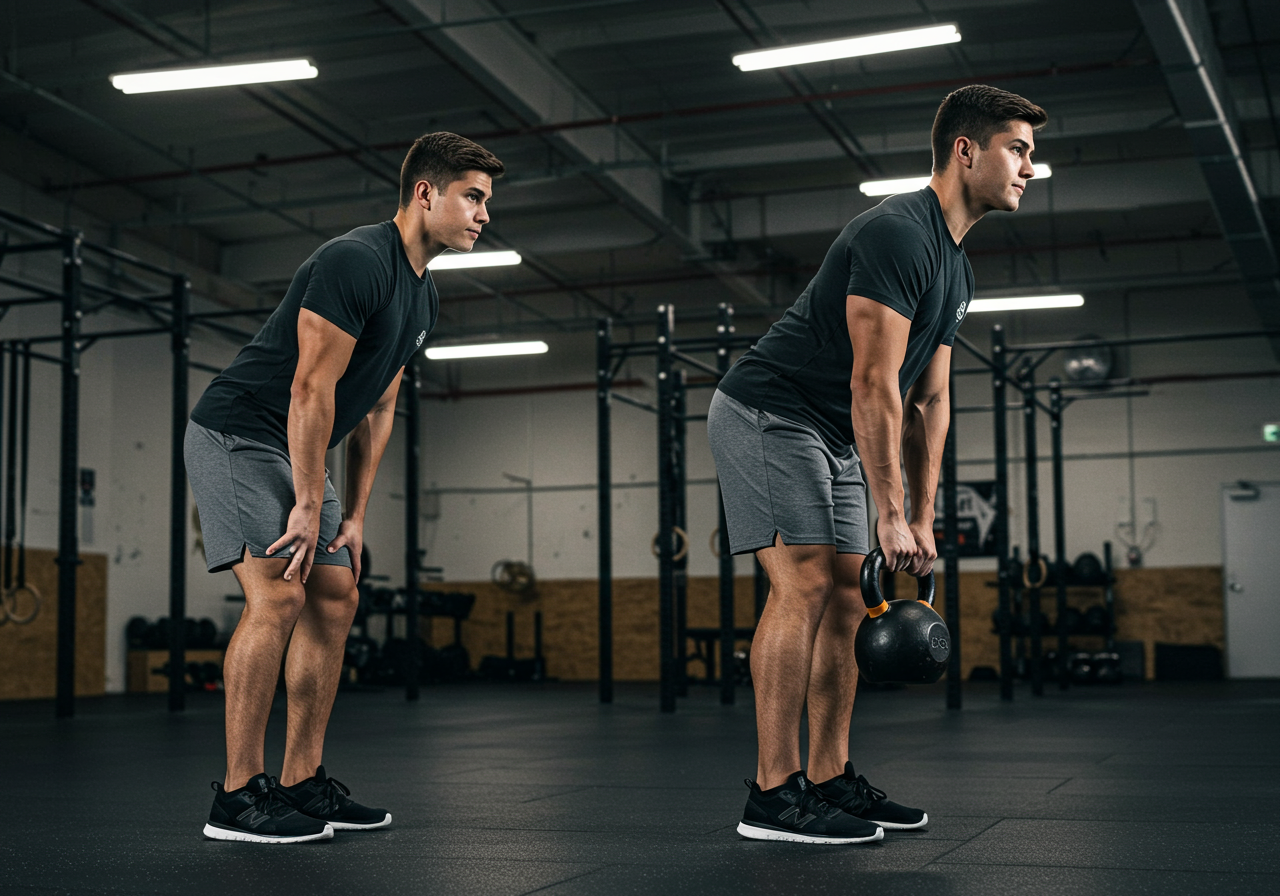
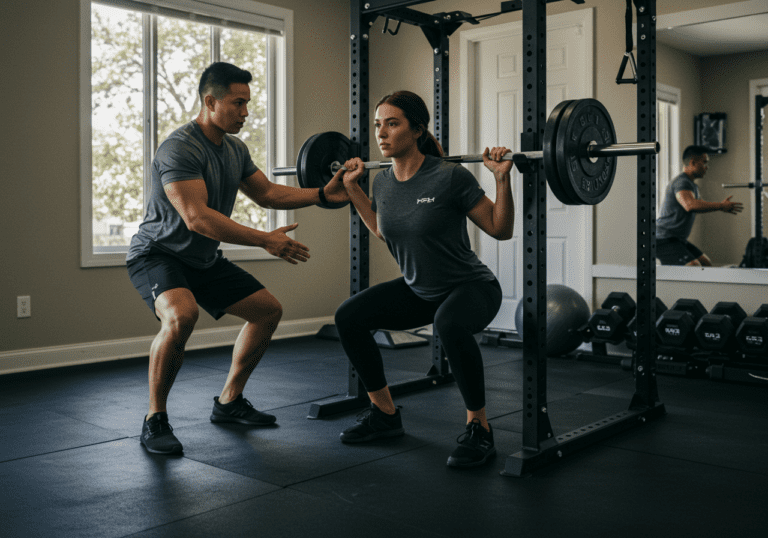
Hip-dominant strength • Hip hinge drill with dowel (head–back–tailbone contact): 2–3 sets of 6–8. • Glute bridge: 2–3 sets of 8–12, pause 1–2s at top. • Box squat to a chair: 2–3 sets of 6–8, tap not crash. Add dumbbells when smooth. • Option: supported split squat holding a countertop, 2–3×6–8/side.
Upper-back support • Band row or chest-supported row: 2–3×10–12, elbows ~45° from body. Stronger lats/upper back reduce strain during daily lifts.
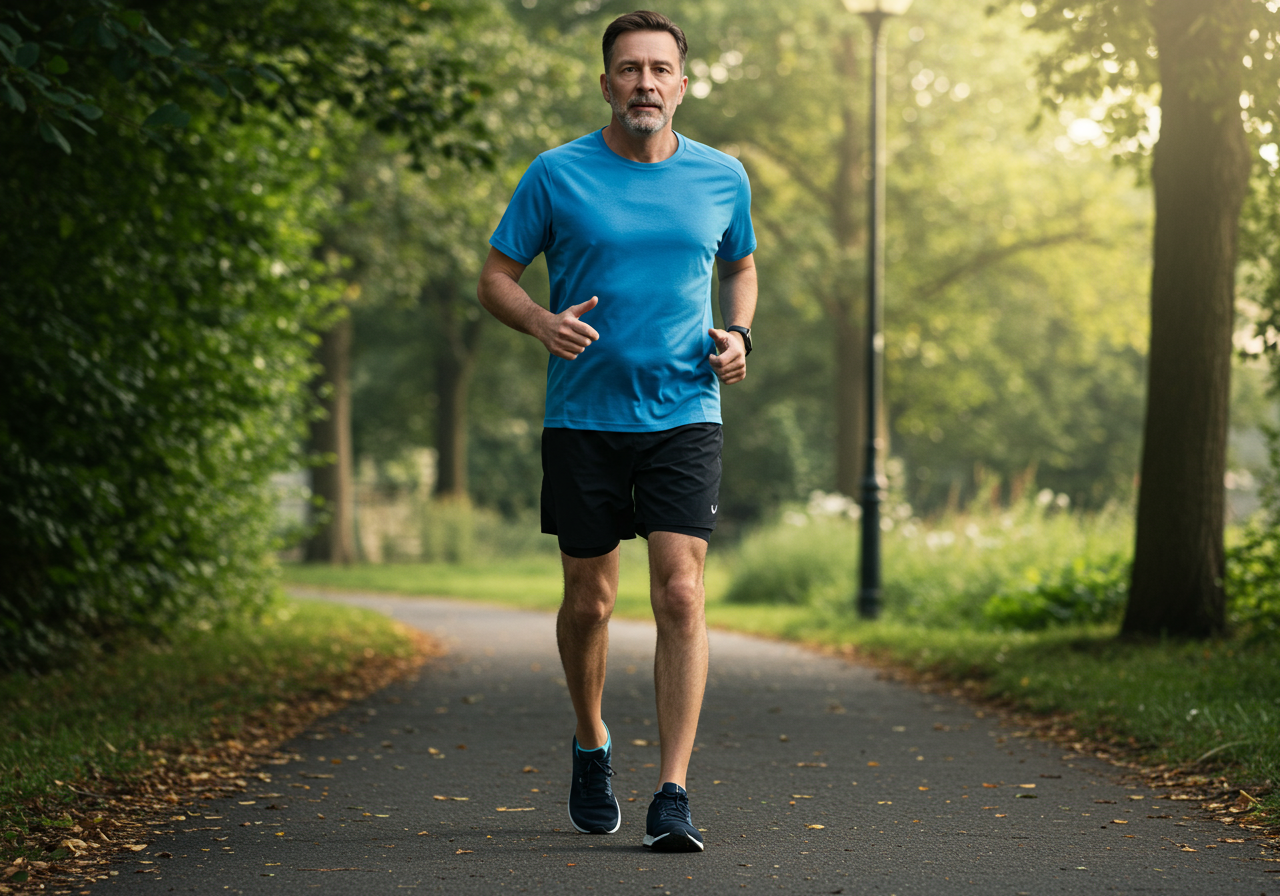
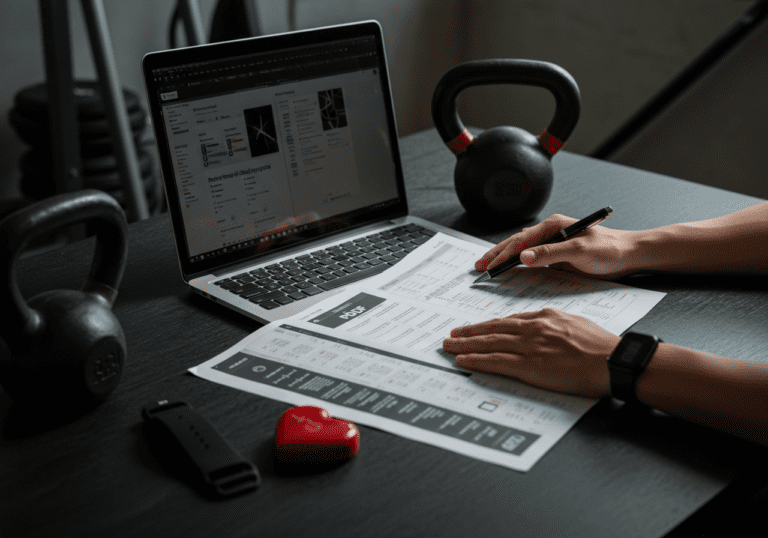
Cardio for resiliency • Walk 10–20 min most days at conversational pace (Zone 1–2; RPE 3–4). Break into 5-min chunks if needed. Tools: Garmin, Apple Watch, or Fitbit for heart rate; use the talk test if you have no device.
Cool-down (3–5 min) • Easy walking 2 min, then gentle hip flexor stretch and deep breathing. Skip aggressive toe-touching early on.
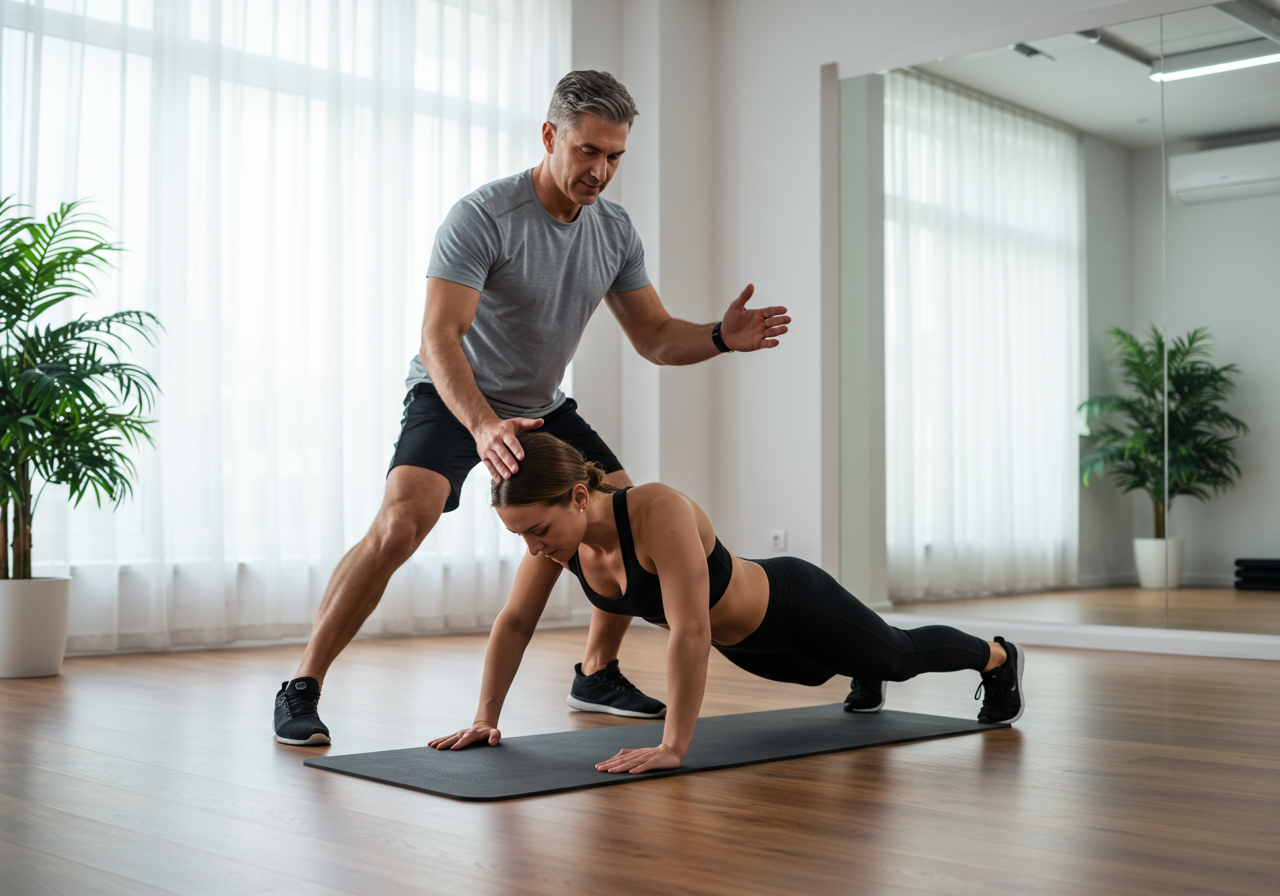
Technique anchors: keep spine neutral while hinging, push hips back, grip the floor with your feet, and use a smooth tempo (2–3 seconds up/down).
Add load gradually while monitoring next-day symptoms
Progress when form is consistent and next-day symptoms are equal or better. Use RPE 5–7 for strength work and conversational pace for walking.
Progression overview (adjust based on symptoms):
Week 1–2: 2–3 sessions/wk. Core holds 10–20s; bridges 2x8–10; box squat 2x6; walk 10–15 min most days.

Week 3–4: 3 sessions/wk. Add light load (e.g., 6–12 kg kettlebell) to hinge or goblet squat 3x6–8; bridges 3x10–12; walk 15–25 min.

Week 5–6: Introduce kettlebell deadlift from blocks 3x5–6; side plank 15–30s; row 3x10–12; walk 20–30 min, include 2–3 x 1-min brisk bouts.

Week 7–8: Increase load 5–10% if pain rules met; split squat 3x6–8; hinge 4x5; optional sled push or farmer carry 3x20–30 m; walk 25–35 min.

Week 9–10: Advance range (hinge from floor if tolerated); bridges single-leg 3x6–8/side; brisk walk 30–40 min or light cycling.

Week 11–12: Consolidate: hinge 4x3–5 heavier, squat 3x5–6, carries 4x30 m; one longer Zone 2 cardio 40–50 min.
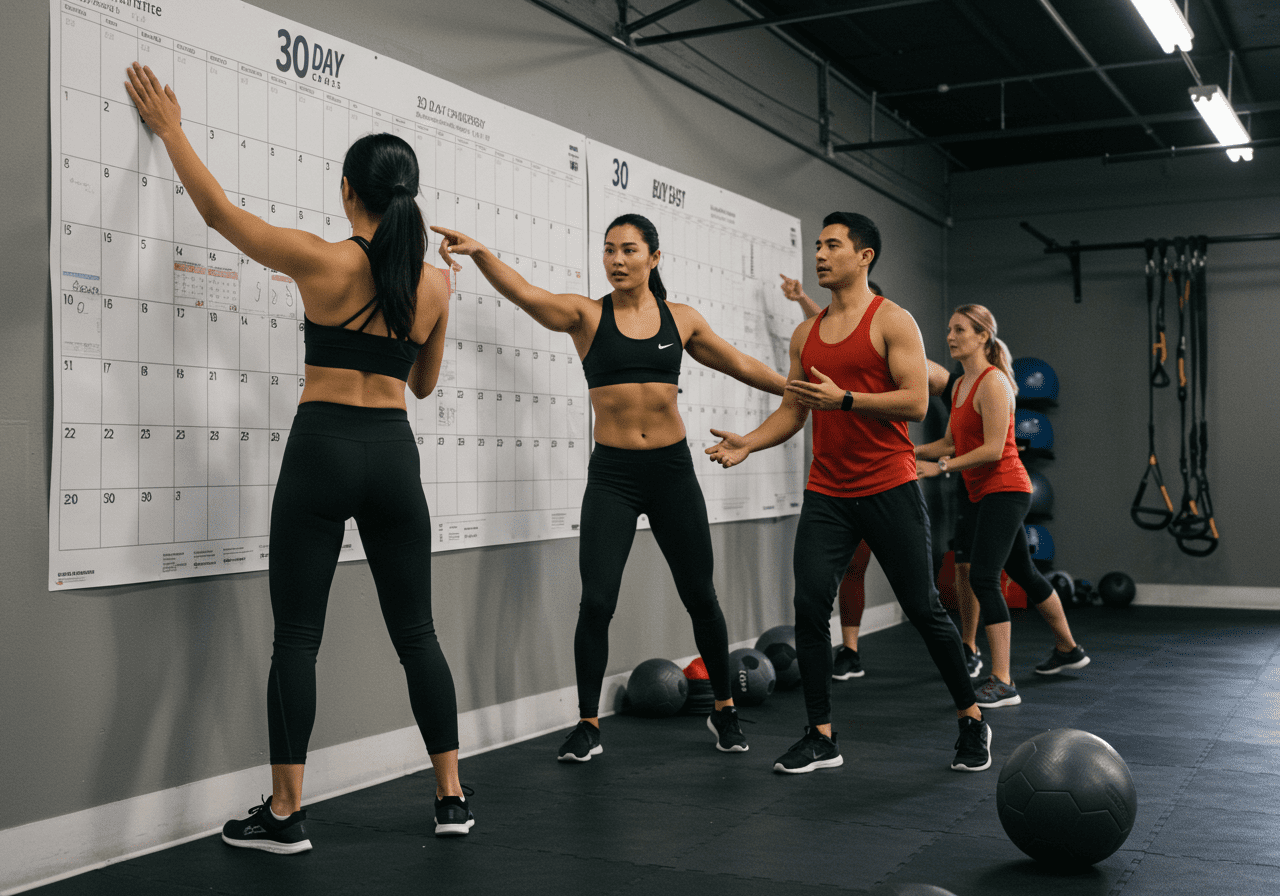
Caption: A simple 12-week path from pain-aware movement to stronger hips and core.
Checkpoints (every 2 weeks):
Daily activity: more steps with the same or less discomfort.
Hinge quality: dowel contacts stay aligned during 8–10 smooth reps.
Capacity: hold a side plank 20–30 seconds with calm breathing.
If symptoms flare: cut sets by 30–50% for 3–5 days, keep walking easy, and retest. If pain radiates or strength/numbness changes, consult a clinician.
Track progress and avoid all-or-nothing pacing mistakes
Frequency: 2–3 strength sessions per week plus daily low-intensity walking. Keep most strength sets at RPE 5–7. Deload a week every 6–8 weeks or after illness/travel.
Common mistakes to avoid:
All-or-nothing pacing. Instead, stack small wins: 10-minute walks still count.
Holding your breath. Use a soft brace and exhale through the effort.
Chasing stretches that spike pain. Favor positions that feel relieving.
Sitting nonstop. Insert a 2–3 minute micro-walk every 45–60 minutes.
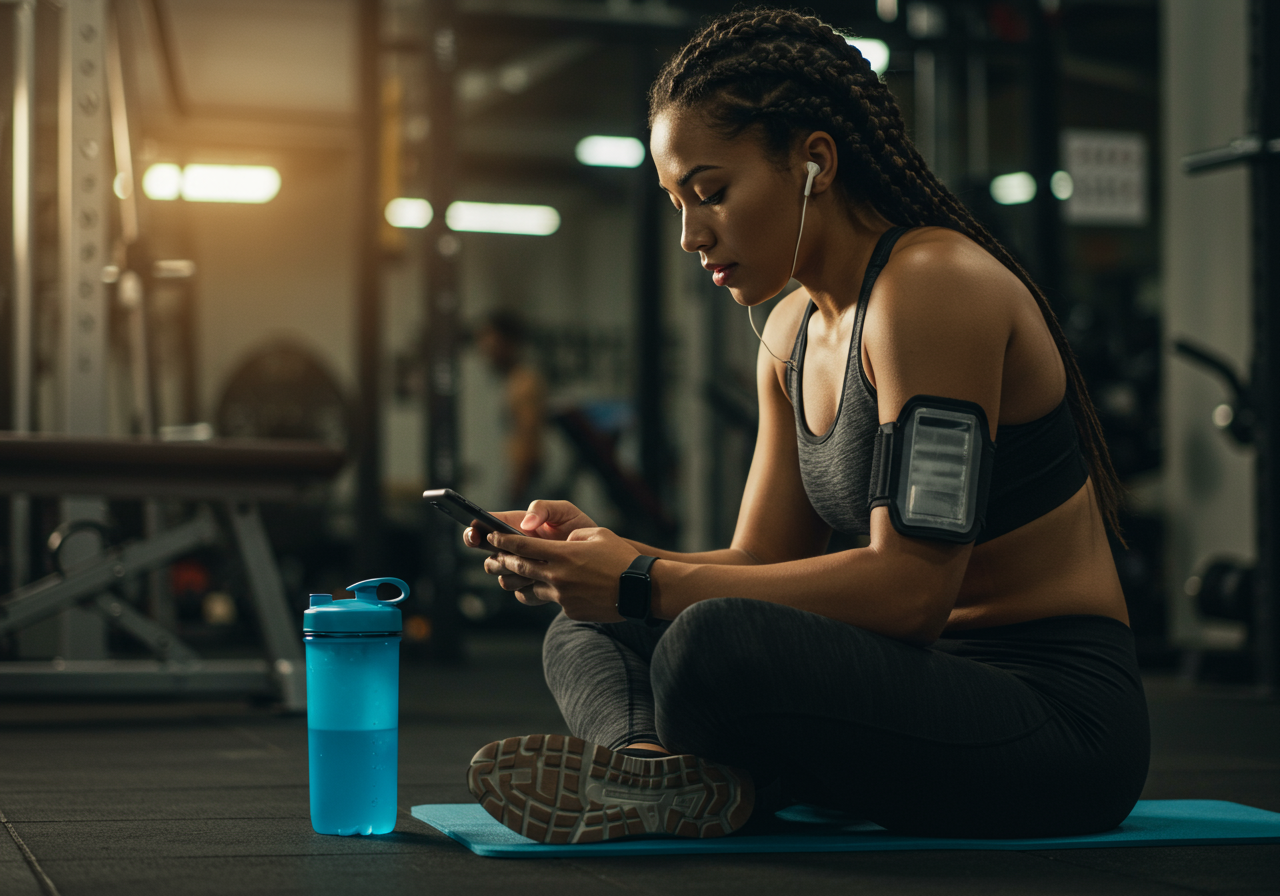
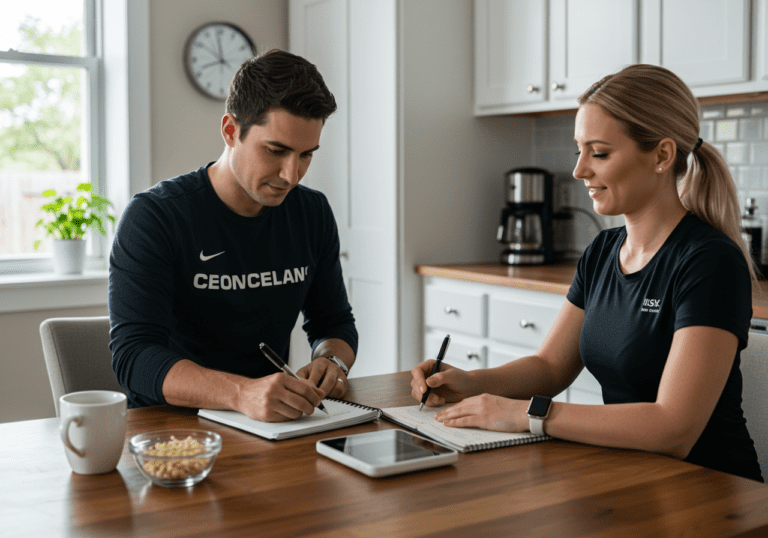
Tracking: Log sets, loads, RPE, and next-morning symptoms in Strong app, Google Sheets, or Notion. Simple scorecard: morning stiffness (0–10), longest comfortable walk (minutes), side plank hold (seconds). Re-check every two weeks.
Nutrition & recovery: Aim for protein ~1.6–2.0 g/kg/day, plenty of colorful plants, and hydration. Sleep 7–9 hours; a regular schedule helps. Creatine monohydrate (3–5 g/day) can support strength; only add supplements if they fit your health context. If you use MyFitnessPal, prioritize protein and fiber over calories alone.
Safety: Seek medical care promptly for red flags like significant trauma, fever, unexplained weight loss, progressive leg weakness, numbness in the saddle area, or changes in bladder/bowel control.
Next steps: When you can hinge, squat, and carry symptom-stable for 2–3 weeks, consider adding a barbell deadlift or trap-bar lift.
Medical Disclaimer: The information provided on this website is for informational and educational purposes only and is not intended as personal medical or health advice. The content, including text, graphics, and images, is not a substitute for professional medical advice, diagnosis, or treatment. Always seek the advice of your physician or other qualified healthcare provider…
Medical Disclaimer: The information provided on this website is for informational and educational purposes only and is not intended as personal medical or health advice. The content, including text, graphics, and images, is not a substitute for professional medical advice, diagnosis, or treatment. Always seek the advice of your physician or other qualified healthcare provider…
Medical Disclaimer: The information provided on this website is for informational and educational purposes only and is not intended as personal medical or health advice. The content, including text, graphics, and images, is not a substitute for professional medical advice, diagnosis, or treatment. Always seek the advice of your physician or other qualified healthcare provider…
Medical Disclaimer: The information provided on this website is for informational and educational purposes only and is not intended as personal medical or health advice. The content, including text, graphics, and images, is not a substitute for professional medical advice, diagnosis, or treatment. Always seek the advice of your physician or other qualified healthcare provider…
Medical Disclaimer: The information provided on this website is for informational and educational purposes only and is not intended as personal medical or health advice. The content, including text, graphics, and images, is not a substitute for professional medical advice, diagnosis, or treatment. Always seek the advice of your physician or other qualified healthcare provider…
Medical Disclaimer: The information provided on this website is for informational and educational purposes only and is not intended as personal medical or health advice. The content, including text, graphics, and images, is not a substitute for professional medical advice, diagnosis, or treatment. Always seek the advice of your physician or other qualified healthcare provider…