Medical Disclaimer: The information provided on this website is for informational and educational purposes only and is not intended as personal medical or health advice. The content, including text, graphics, and images, is not a substitute for professional medical advice, diagnosis, or treatment. Always seek the advice of your physician or other qualified healthcare provider with any questions you may have regarding a medical condition or before starting any new exercise, nutrition, or supplement program. Never disregard professional medical advice or delay in seeking it because of something you have read on this blog. Reliance on any information provided by this site is solely at your own risk.
Transform Short Sessions Into Powerful Cardio Workouts
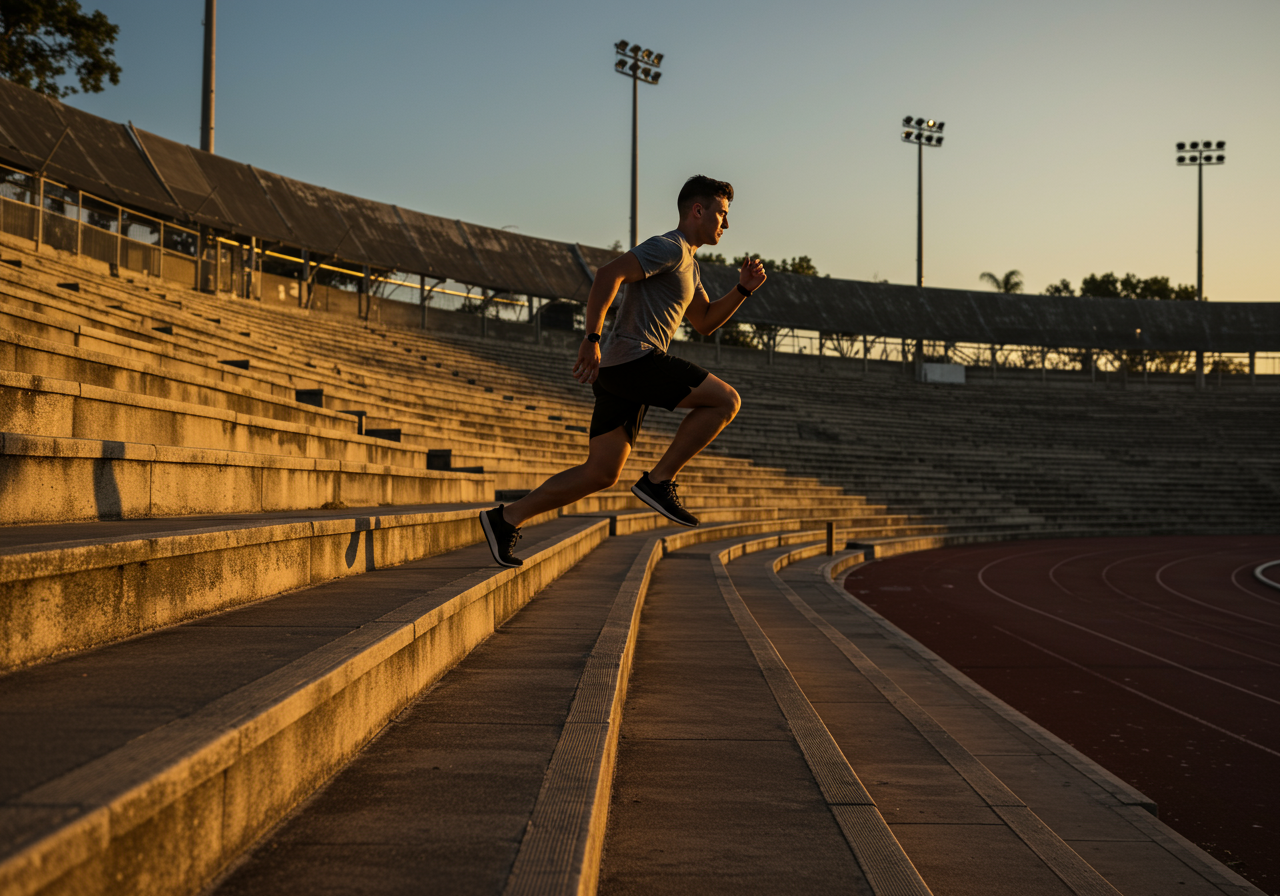
Stair and hill workouts can turn short sessions into powerful cardio that builds speed, leg strength, and resilient lungs. You’ll learn how to structure sessions, progress safely, and track results from beginner to advanced.
Quick start answer: Begin with one weekly session—warm up, then 4–6 controlled uphill repeats at moderate effort, walk down, and cool down.
Incline Training Boosts VO2 and Sprint Mechanics
Uphill movement lifts heart rate quickly while lowering impact forces versus flat sprints. The incline demands powerful hip drive, ankle stiffness, and active arms, which can improve running economy. Descending teaches eccentric control that protects knees when you return to flat running.
In practice, incline intervals often raise aerobic capacity and top-end power. A peer-reviewed study trend suggests hill intervals can enhance VO2 and sprint mechanics. My own spring block with stair and hill work led to a noticeable drop in 400 m hill times over eight weeks, confirmed by Garmin splits, without adding total mileage.
Client note: “I finally felt fast without my knees barking,” Ana, 39, told me after four weeks of gentle hill repeats. She also reported steadier breathing during weekend 5Ks. Results vary, but this pattern shows up often in my logs.
Master Warm-Up, Technique, and Effort Zones
Warm-up (8–12 minutes) Easy walk or jog, ankle circles, 10–15 calf raises, 10 walking lunges per side, and two 10-second form pickups on flat ground.
Find your venue Stairs: wide, even steps with a handrail. Hills: 4–8% grade for beginners; 6–10% for experienced athletes. Surface should be grippy and free of debris.
Technique cues – Posture tall, eyes forward, ribs stacked over hips. – Short stride, quick feet; land under your center. – Drive arms cheek-to-hip; hands relaxed. – On stairs: ball-of-foot contact, light step sound. Use the rail only for balance if needed. – Descend slowly; prioritize control.
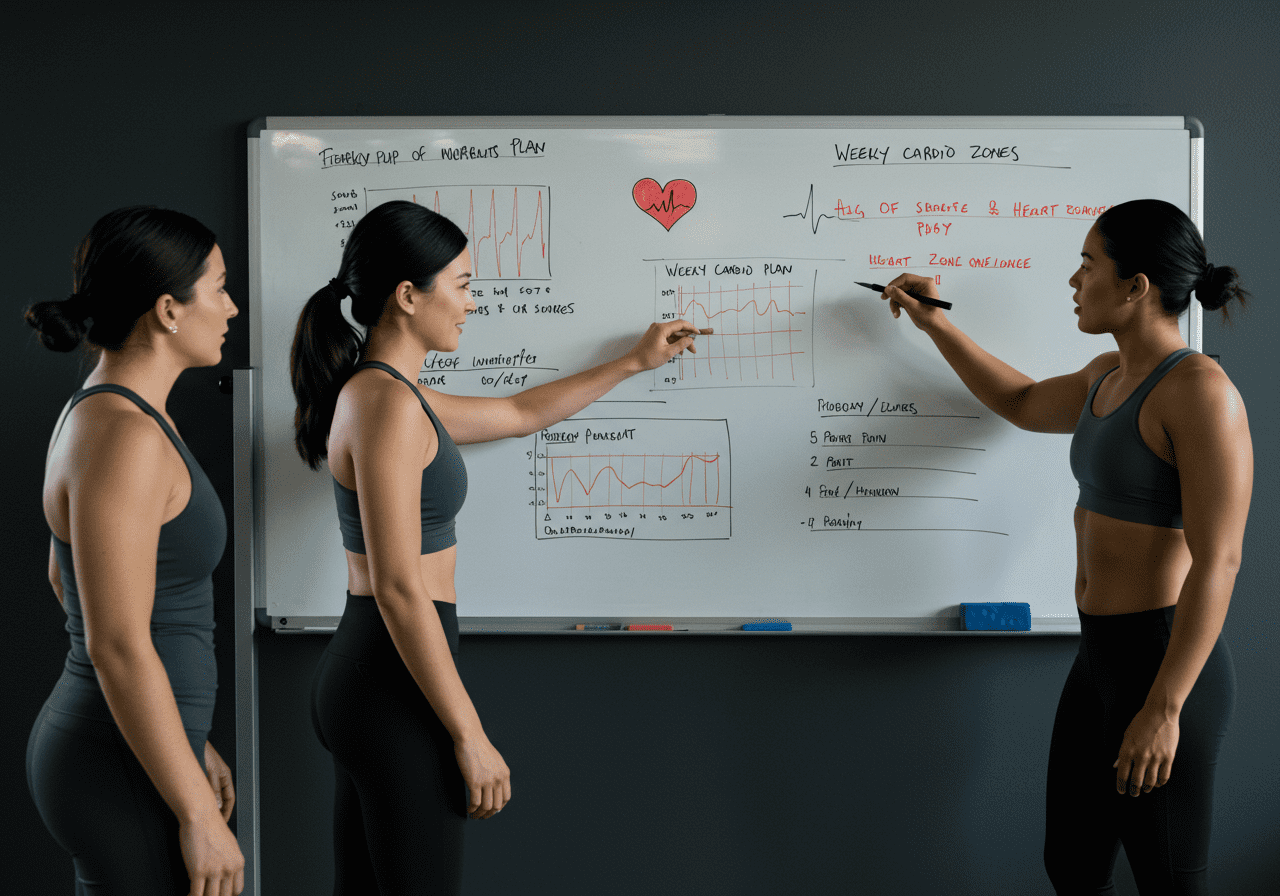
Effort guide – HR Zones: Z2 easy aerobic, Z3 steady, Z4 hard but sustainable for short repeats. – RPE 1–10: aim RPE 6–7 for most repeats. Save RPE 8 for advanced days.
Beginner session (15–25 minutes total) – Warm-up. – 4–6 x 20–30 seconds up a gentle hill or 1–2 stair flights (RPE ~6). Walk down; rest fully to calm breathing. – Cool down 5–8 minutes easy walk.
Intermediate session (20–35 minutes) – Warm-up. – 6–8 x 25–40 seconds hill or 2–3 stair flights (RPE 6–7). Walk down; add one form-focused repeat at the end if you feel fresh. – Optional finisher: 2 x 60 seconds brisk uphill walk for strength. – Cool down.
Advanced power session (30–40 minutes) – Warm-up with 2–3 short strides. – 6–8 x 30–45 seconds at RPE 7; walk down + 60–90 seconds extra rest if HR stays high. – Optional final set: 2–3 stair doubles (skip a step) with perfect control. – Cool down thoroughly.
Fuel & recovery – If training fasted feels rough, take 15–25 g quick carbs 15–30 minutes pre-session. – Hydrate with a pinch of salt if it’s hot. – After: 20–35 g protein and a carb source within two hours. I log sessions and calories in MyFitnessPal and Strava for consistency.
Safe 8-Week Progression From Beginner to Advanced
How to move up safely Increase either repeats or time by 5–10% per week. Keep one easy aerobic day before and after hard hill work. Every 4th week, reduce volume.
Sample 8‑week progression at a glance (use RPE or HR; walk down for recovery). Week 1: 10 min warm-up; 4 x 20–30 s @ RPE 6; 10 min cool-down. Week 2: 5–6 x 20–30 s @ RPE 6; add one extra minute to cool-down walk. Week 3: 6–8 x 25–35 s @ RPE 6–7; stairs 2–3 flights per rep. Week 4: Deload—reduce total repeats by ~30–40%; all at RPE 5–6. Week 5: 6 x 30–40 s @ RPE 7; optional second weekly session of 4 x 20–30 s easy. Week 6: 8–10 x 25–30 s @ RPE 6–7; add one form drill rep at RPE 5. Week 7: 6 x 45 s or 4 x 60 s @ RPE 7; advanced can try 1–2 stair doubles with perfect control. Week 8: Test—5‑minute continuous uphill at strong steady effort; compare distance or steps to Week 1 baseline.
Beginner → Intermediate markers – You finish sessions with steady breathing and intact form. – Descents feel controlled; no lingering calf or knee soreness beyond 24–36 hours.
Intermediate → Advanced markers – You can repeat Week 5’s workload with even splits. – HR drops 25–35 bpm within two minutes of rest between reps.
Frequency Guidelines, Common Mistakes, and Monitoring Tools
Frequency & mix – Start with 1 stair/hill day per week plus 2 easy aerobic sessions. – Intermediate: 2 days (one moderate, one short power). – Advanced: up to 3, separated by 48 hours and at least one easy day.
Common mistakes – Too much, too soon: cap early sessions at 15–25 minutes total. – Racing the descents: walk down, don’t jog, until tendons adapt. – Neglecting strength: add 2–3 sets of calf raises and split squats twice weekly.
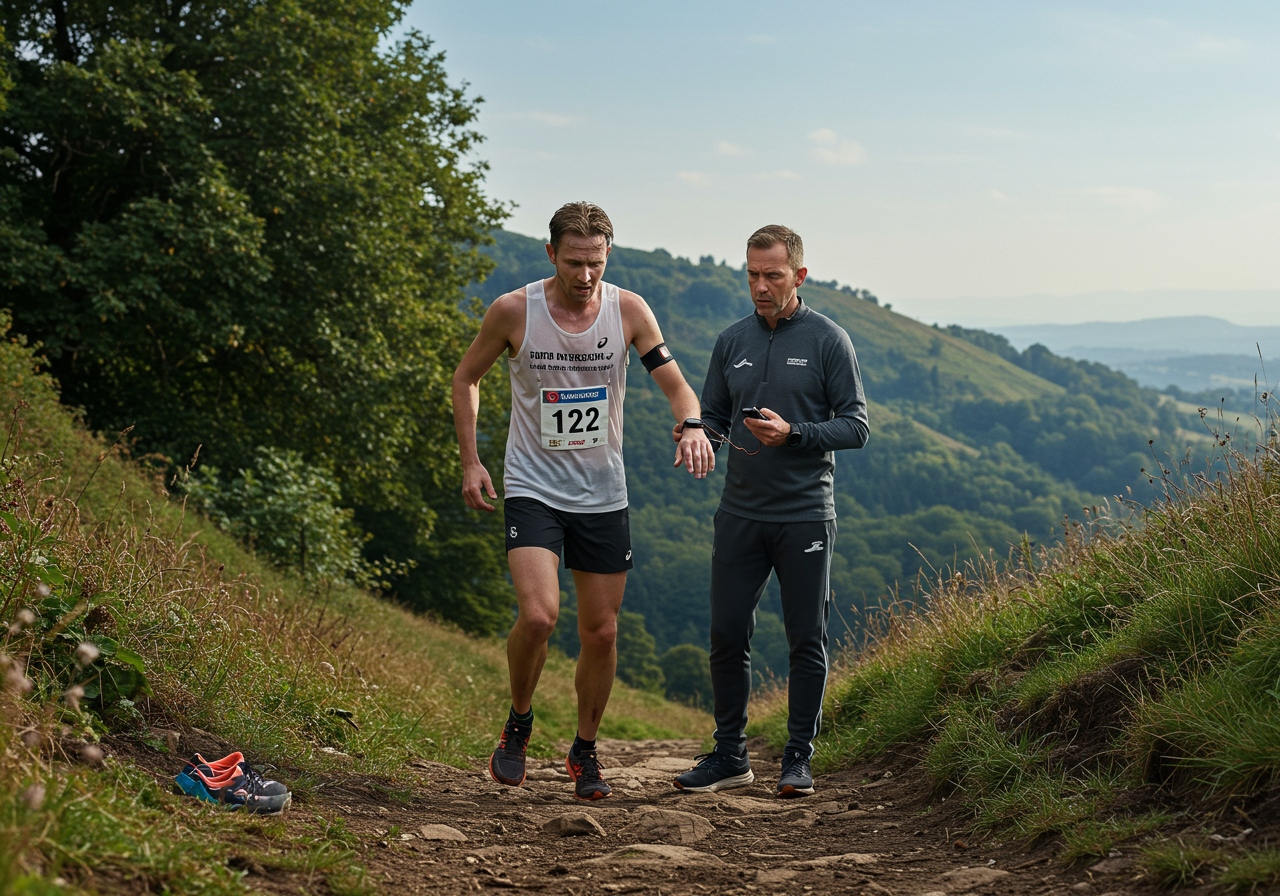
Monitoring – Track steps climbed, total vertical, split times, and RPE. I use Strava for segments, a Garmin for HR zones, and Polar Flow or Fitbit if that’s your ecosystem. – Fatigue flags: morning HR up 5–10 bpm, sleep disruption, or heavy legs for 3+ days. Take an easy week.
Troubleshooting – Plateau: change slope, shift to stairs for two weeks, or tweak rest intervals. Keep one session at RPE 6. – Overtraining signs: irritability, declining splits—cut volume 30–50% for 7 days and sleep more. – Motivation dip: set a local hill Strava segment PR attempt every 3–4 weeks or train with a partner.
Injury safety – Achilles/soleus care: eccentric calf lowers 3 x 8–12, 3–4 days/week. – Knees: slow step-downs and glute bridges help stabilize. – Shoes: choose grippy outsole; avoid worn heels on stairs. If pain persists, consult a clinician.
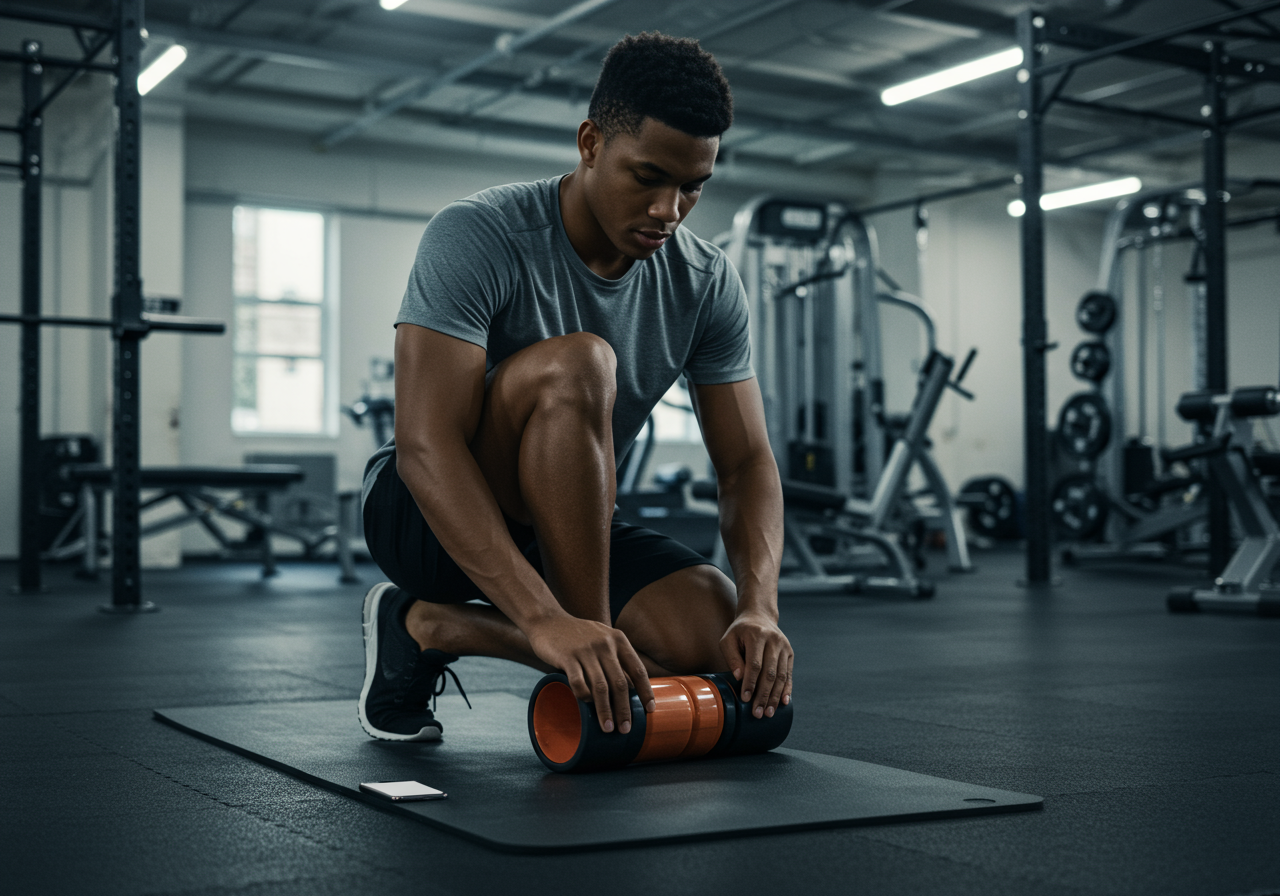
Recovery & nutrition – Aim 1.6–2.2 g/kg/day protein; carbs around hard days for energy. – Sleep 7–9 hours; a short walk after dinner aids recovery. – Caffeine can boost performance; start low. Creatine may support repeat power for some athletes.
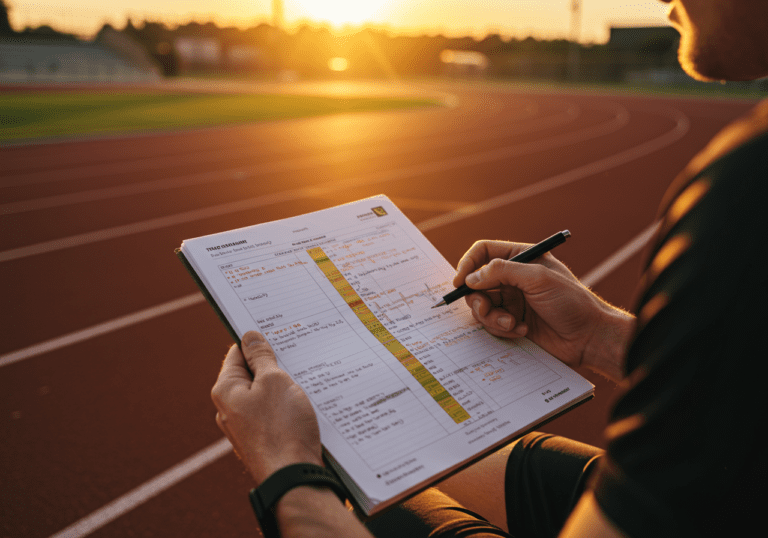
Next stepsScreenshot this plan, set reminders, and log your first baseline test this week. If you want my printable tracker and video cues.
Medical Disclaimer: The information provided on this website is for informational and educational purposes only and is not intended as personal medical or health advice. The content, including text, graphics, and images, is not a substitute for professional medical advice, diagnosis, or treatment. Always seek the advice of your physician or other qualified healthcare provider…
Medical Disclaimer: The information provided on this website is for informational and educational purposes only and is not intended as personal medical or health advice. The content, including text, graphics, and images, is not a substitute for professional medical advice, diagnosis, or treatment. Always seek the advice of your physician or other qualified healthcare provider…
Medical Disclaimer: The information provided on this website is for informational and educational purposes only and is not intended as personal medical or health advice. The content, including text, graphics, and images, is not a substitute for professional medical advice, diagnosis, or treatment. Always seek the advice of your physician or other qualified healthcare provider…
Medical Disclaimer: The information provided on this website is for informational and educational purposes only and is not intended as personal medical or health advice. The content, including text, graphics, and images, is not a substitute for professional medical advice, diagnosis, or treatment. Always seek the advice of your physician or other qualified healthcare provider…
Medical Disclaimer: The information provided on this website is for informational and educational purposes only and is not intended as personal medical or health advice. The content, including text, graphics, and images, is not a substitute for professional medical advice, diagnosis, or treatment. Always seek the advice of your physician or other qualified healthcare provider…
Medical Disclaimer: The information provided on this website is for informational and educational purposes only and is not intended as personal medical or health advice. The content, including text, graphics, and images, is not a substitute for professional medical advice, diagnosis, or treatment. Always seek the advice of your physician or other qualified healthcare provider…