Medical Disclaimer: The information provided on this website is for informational and educational purposes only and is not intended as personal medical or health advice. The content, including text, graphics, and images, is not a substitute for professional medical advice, diagnosis, or treatment. Always seek the advice of your physician or other qualified healthcare provider with any questions you may have regarding a medical condition or before starting any new exercise, nutrition, or supplement program. Never disregard professional medical advice or delay in seeking it because of something you have read on this blog. Reliance on any information provided by this site is solely at your own risk.
Learn to recover faster after long cardio using a simple system I use with runners and cyclists. You’ll get a checklist for fueling, hydration, mobility, sleep, and next‑day pacing.
Long sessions drain glycogen, create muscle micro‑damage, and tilt your nervous system toward high alert. Without a plan, you carry fatigue into the next workout. With a plan, you restore fuel, calm the system, and return to quality training sooner.
In practice and in peer‑reviewed work, a combination of carbohydrate repletion, adequate protein, hydration with sodium, low‑intensity cooldowns, and solid sleep improves recovery markers like perceived soreness, next‑day pace at a given heart rate, and heart rate variability (HRV). Exact results differ by individual, but the pattern is consistent.
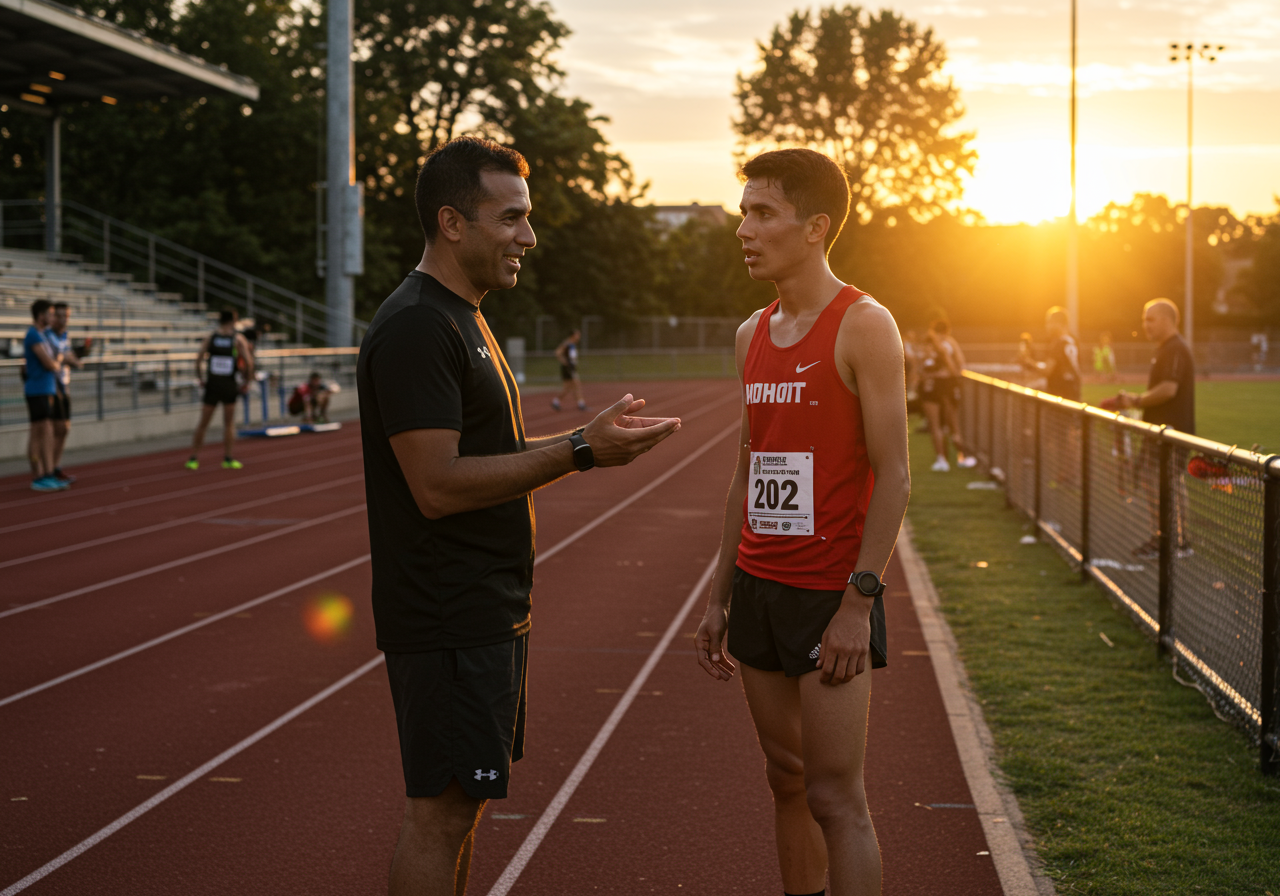
Anecdotally, my half‑marathon clients who added sodium to their post‑run beverages and ate a carb‑protein meal within an hour reported fewer cramps and steadier easy‑day heart rates. One rider told me, “I stopped waking up heavy‑legged once I started the 10‑minute mobility plus protein shake routine.”
Glycogen Depletion and Muscle Damage Demand Strategic Recovery
Use this timeline after any long run, ride, row, or hike (generally 60–180+ minutes).
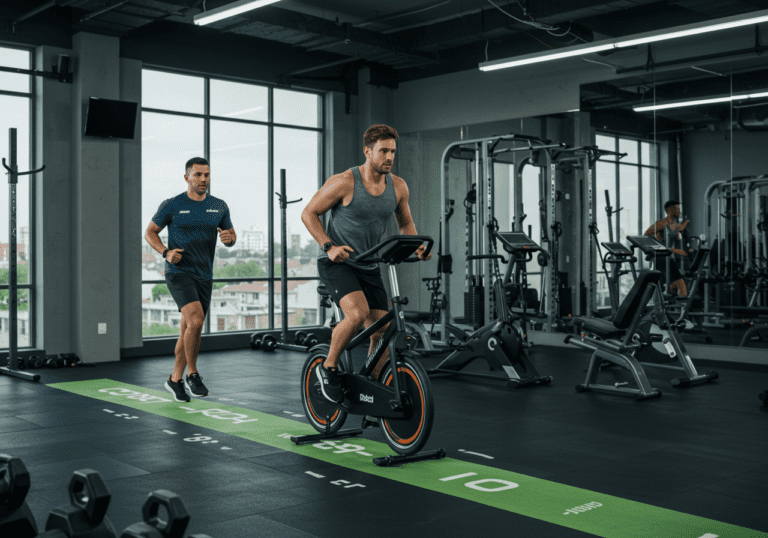
Immediate cooldown (5–10 min): Walk or easy spin until breathing normalizes and heart rate drifts toward Zone 1. Keep shoulders relaxed; aim for nasal breathing if comfortable.
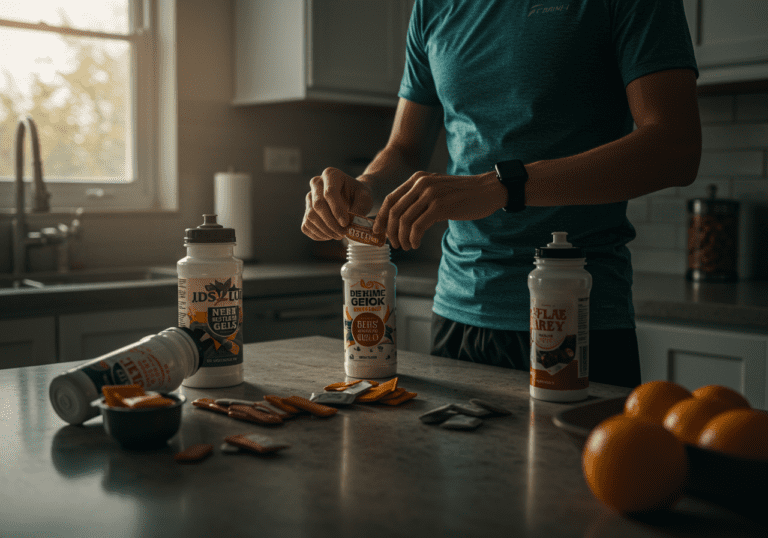
Rehydrate + electrolytes (0–30 min): Sip 1.25–1.5× your fluid loss over 2–4 hours. A practical start is 500–750 mL right away with 500–700 mg sodium per liter. If you’re a salty sweater (white streaks), lean higher in that range.
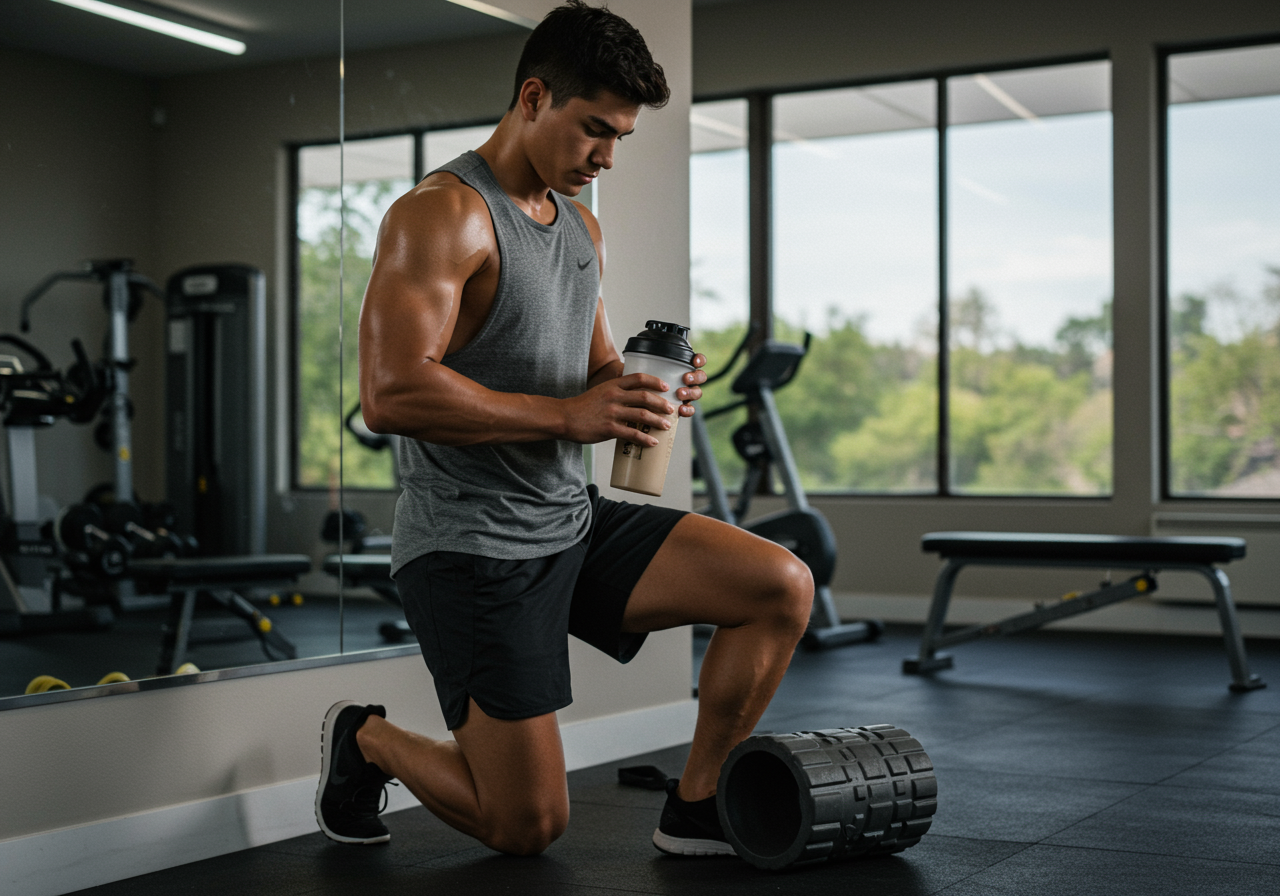
Refuel (within 60 min): Target 1.0–1.2 g/kg carbohydrate plus 0.25–0.3 g/kg protein. Examples: rice + eggs + fruit; yogurt + granola + banana; recovery shake with oats, whey/plant protein, berries, and a pinch of salt.
Downshift breathing (3–5 min): 4‑second inhale, 6‑second exhale, or 3‑second nasal box breathing. Goal: longer exhale to nudge parasympathetic tone and lower heart rate.
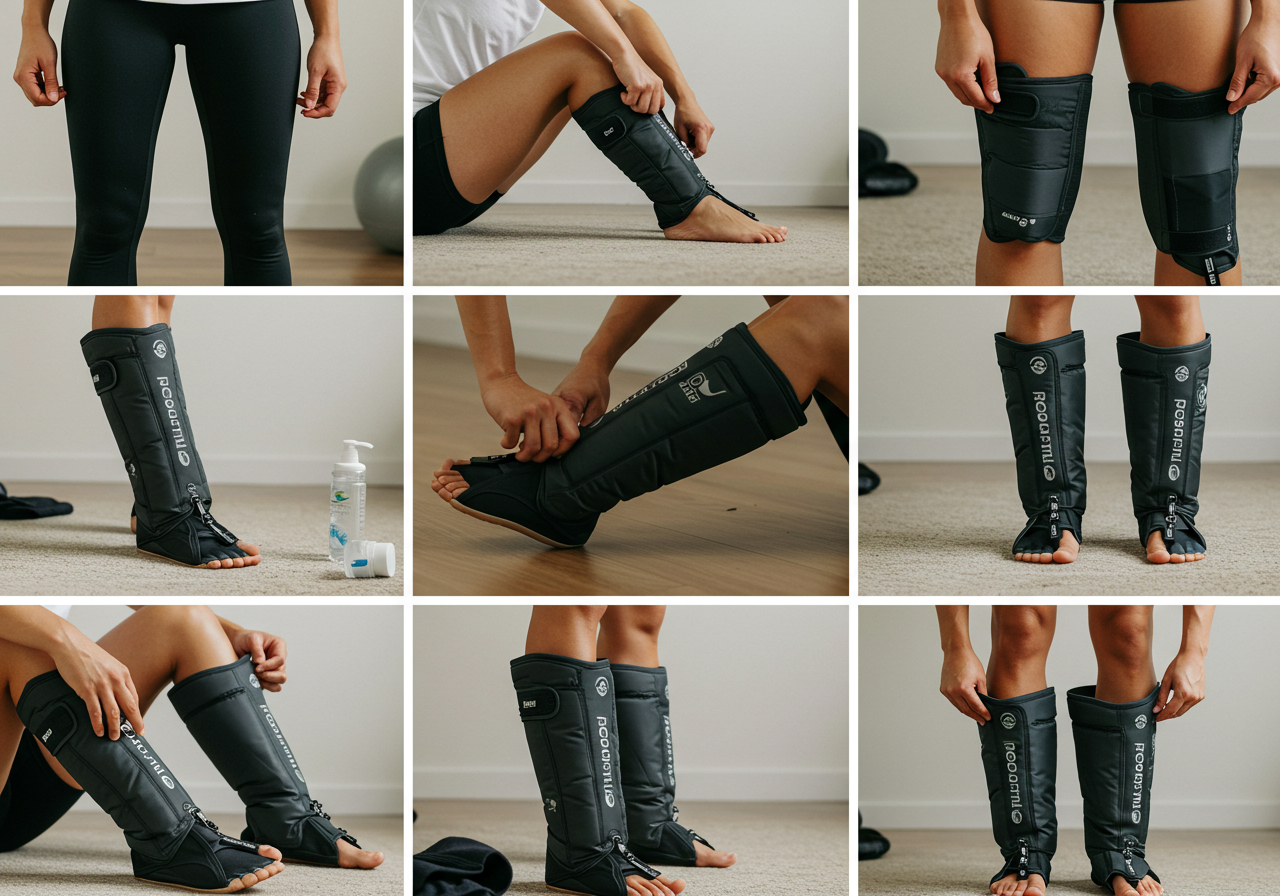
Passive options (10–20 min): Legs‑up‑the‑wall, compression socks/boots, or a cool shower. Compression can reduce perceived heaviness; cool water is refreshing in heat. Ice baths are optional—helpful for soreness, but may slightly blunt adaptation if used routinely right after every session.
Later meal (2–3 hours later): A plate with half carbs, a quarter protein, a quarter colorful veg, plus fluids. Many do well around 0.3 g/kg protein here, too.
Sleep routine (night of): 7–9 hours in a cool, dark room. Avoid heavy alcohol. A small carb snack before bed can help if you wake hungry.
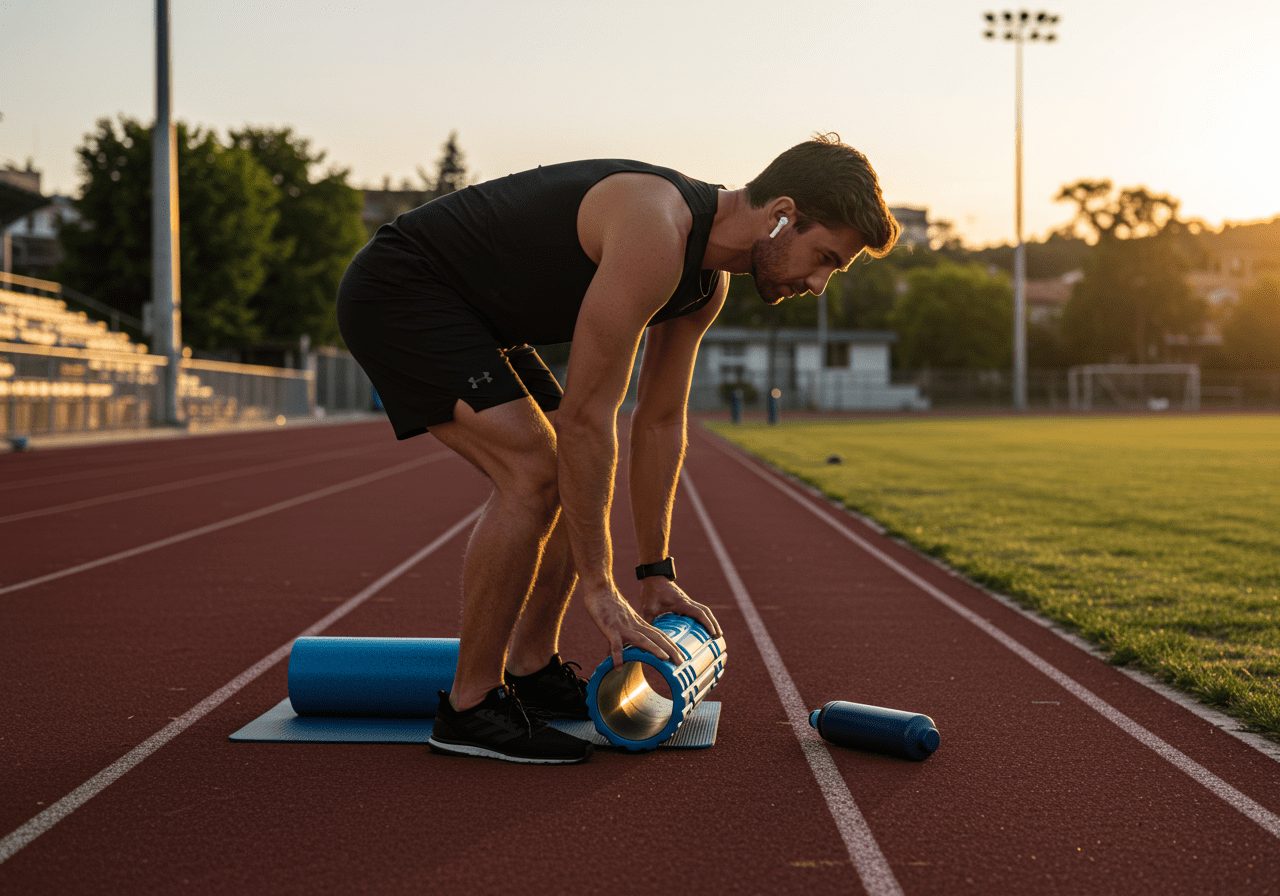
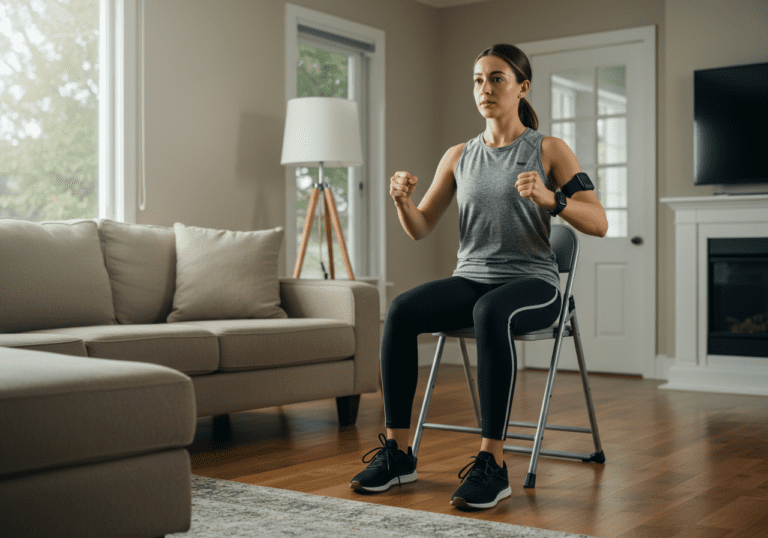
Next‑day shakeout (optional, 20–30 min Zone 1): If soreness is low to moderate, a super‑easy spin or walk/jog boosts circulation without adding stress. If legs feel trashed, replace with an easy mobility circuit.
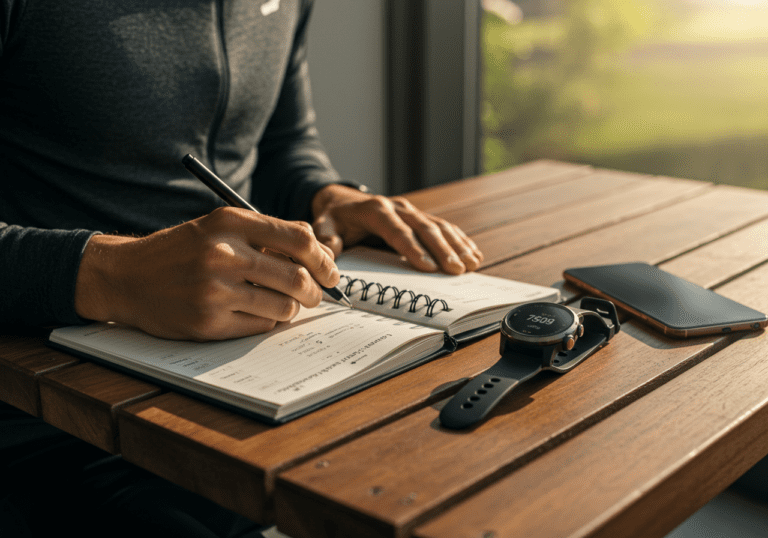
Monitoring: Rate soreness 1–10 on waking, note resting HR, and watch HRV (HRV4Training, Oura, Whoop, or Garmin). In my coaching, a stable or slightly improved HRV with steady resting HR suggests you nailed recovery.
Tools I actually use: Garmin/Coros for HR zones and sweat loss estimates, Strava for post notes, MyFitnessPal or Cronometer to sanity‑check protein and carbs, and HRV4Training to trend recovery.
Common pitfalls I learned the hard way: Skipping sodium after hot rides (hello, headaches), waiting too long to eat (post‑run grogginess), and turning a “shakeout” into a hidden tempo. Keep it truly easy.
Five-Step Timeline from Cooldown to Next-Day Shakeout
Build your recovery system in layers. Start simple, then add precision.
Beginner (first 4–6 weeks): Always cooldown 5–10 min; drink a carb‑electrolyte beverage; eat a carb‑protein meal within 60 min; sleep 7–9 hours. Do 5–8 minutes of gentle mobility.
Intermediate: Calculate carbs/protein by bodyweight, log fluids, add 10–15 minutes of mobility + breathing, and track morning HR and HRV 3–5 days per week. Include an optional 20–30 min Zone 1 shakeout the next day.
Advanced: Use fueling during the long session (30–60 g carbs/hour for runs, up to 60–90 g/hour for rides as tolerated), weigh pre/post to estimate fluid loss, rehydrate at 1.25–1.5× loss with sodium, and time a second carb‑rich meal 2–3 hours later. Add compression/legs‑up strategically in heavy blocks.
Table: Four‑week ramp to automate your post‑cardio recovery
Week 1: Cooldown 5–10 min; 500–700 mL drink with electrolytes; carb+protein meal within 60 min; lights‑out goal 8 h.

Week 2: Add 8–10 min mobility + 3–5 min breathing; weigh before/after key sessions to learn fluid loss; log in app.

Week 3: Dial carb target to 1.0–1.2 g/kg + protein 0.25–0.3 g/kg; optional 20–30 min Zone 1 shakeout next day.

Week 4: Add compression/legs‑up 10–20 min; track HRV/resting HR 4–5 mornings; adjust next‑day load from those markers.
Sample long‑day guidelines I use with athletes: Long run 90–120 min at mostly Zone 2 with a 10‑min Zone 1 finish; long ride 2–4 hours at Zone 2 with light surges but easy finish. Fuel during to minimize the hole you need to climb out of.
Result checks (practical, not perfect): Next‑day easy pace feels smooth; resting HR back to baseline; HRV not suppressed; stairs don’t feel like a workout. When I see those, I green‑light the next quality session. If not, we extend recovery by 24 hours.
Layer Your Protocol from Basic to Bodyweight-Calculated Precision
Frequency: Most beginners do well with one long session per week; intermediates 1–2; advanced may stack a long session plus a moderate one. Space hard workouts at least 48 hours apart when possible.
Intensity guardrails: Finish long days easy. A fast end spikes stress and lengthens recovery. Keep the last 10–15 minutes very relaxed.
Troubleshooting:
Plateaus: Check sleep first, then carbs and total calories. Consider a deload week or shorter long session (reduce 20–30%).
Overtraining signs: Persistently low HRV, elevated resting HR, poor mood, or insomnia. Pull back volume and add an extra rest day.
Cramps: Practice in‑session fueling and sodium. Post‑session, include 500–700 mg sodium per liter for hot days, and ensure total daily electrolytes are adequate.
Injuries/niggles: Swap the shakeout for mobility and walking. If pain changes your gait, stop running and consult a clinician.
Motivation dips: Use micro‑goals: “Cool down + drink + eat” within the first hour. Log a quick win in Strava notes to keep momentum.
Supplements: A basic whey or plant protein helps hit intake; omega‑3s may modestly help soreness for some. Avoid routine NSAIDs right after training unless advised by a clinician; they can mask issues.
Safety: Hyponatremia risk rises if you chug plain water after sweaty sessions. Include sodium, especially in heat. If dizzy, nauseated, or confused post‑workout, seek medical help.
Next steps: Save this checklist in your notes app, set a 60‑minute post‑session reminder, and track HRV/morning HR for two weeks. If you want a template.
Medical Disclaimer: The information provided on this website is for informational and educational purposes only and is not intended as personal medical or health advice. The content, including text, graphics, and images, is not a substitute for professional medical advice, diagnosis, or treatment. Always seek the advice of your physician or other qualified healthcare provider…
Medical Disclaimer: The information provided on this website is for informational and educational purposes only and is not intended as personal medical or health advice. The content, including text, graphics, and images, is not a substitute for professional medical advice, diagnosis, or treatment. Always seek the advice of your physician or other qualified healthcare provider…
Medical Disclaimer: The information provided on this website is for informational and educational purposes only and is not intended as personal medical or health advice. The content, including text, graphics, and images, is not a substitute for professional medical advice, diagnosis, or treatment. Always seek the advice of your physician or other qualified healthcare provider…
Medical Disclaimer: The information provided on this website is for informational and educational purposes only and is not intended as personal medical or health advice. The content, including text, graphics, and images, is not a substitute for professional medical advice, diagnosis, or treatment. Always seek the advice of your physician or other qualified healthcare provider…
Medical Disclaimer: The information provided on this website is for informational and educational purposes only and is not intended as personal medical or health advice. The content, including text, graphics, and images, is not a substitute for professional medical advice, diagnosis, or treatment. Always seek the advice of your physician or other qualified healthcare provider…
Medical Disclaimer: The information provided on this website is for informational and educational purposes only and is not intended as personal medical or health advice. The content, including text, graphics, and images, is not a substitute for professional medical advice, diagnosis, or treatment. Always seek the advice of your physician or other qualified healthcare provider…