Medical Disclaimer: The information provided on this website is for informational and educational purposes only and is not intended as personal medical or health advice. The content, including text, graphics, and images, is not a substitute for professional medical advice, diagnosis, or treatment. Always seek the advice of your physician or other qualified healthcare provider with any questions you may have regarding a medical condition or before starting any new exercise, nutrition, or supplement program. Never disregard professional medical advice or delay in seeking it because of something you have read on this blog. Reliance on any information provided by this site is solely at your own risk.
Build deeper squats through daily hip mobility work
Improving hip mobility is the fastest way I know to deepen your squat and smooth out your running stride. You’ll learn a simple system that blends mobility, strength, and smart warm-ups—plus how to measure progress without guesswork.
Direct answer: Do daily hip CARs, targeted stretches, and glute strength, then warm up specifically before lifting or runs; progress weekly and track range and comfort.
How ball-and-socket mechanics influence squat and running form
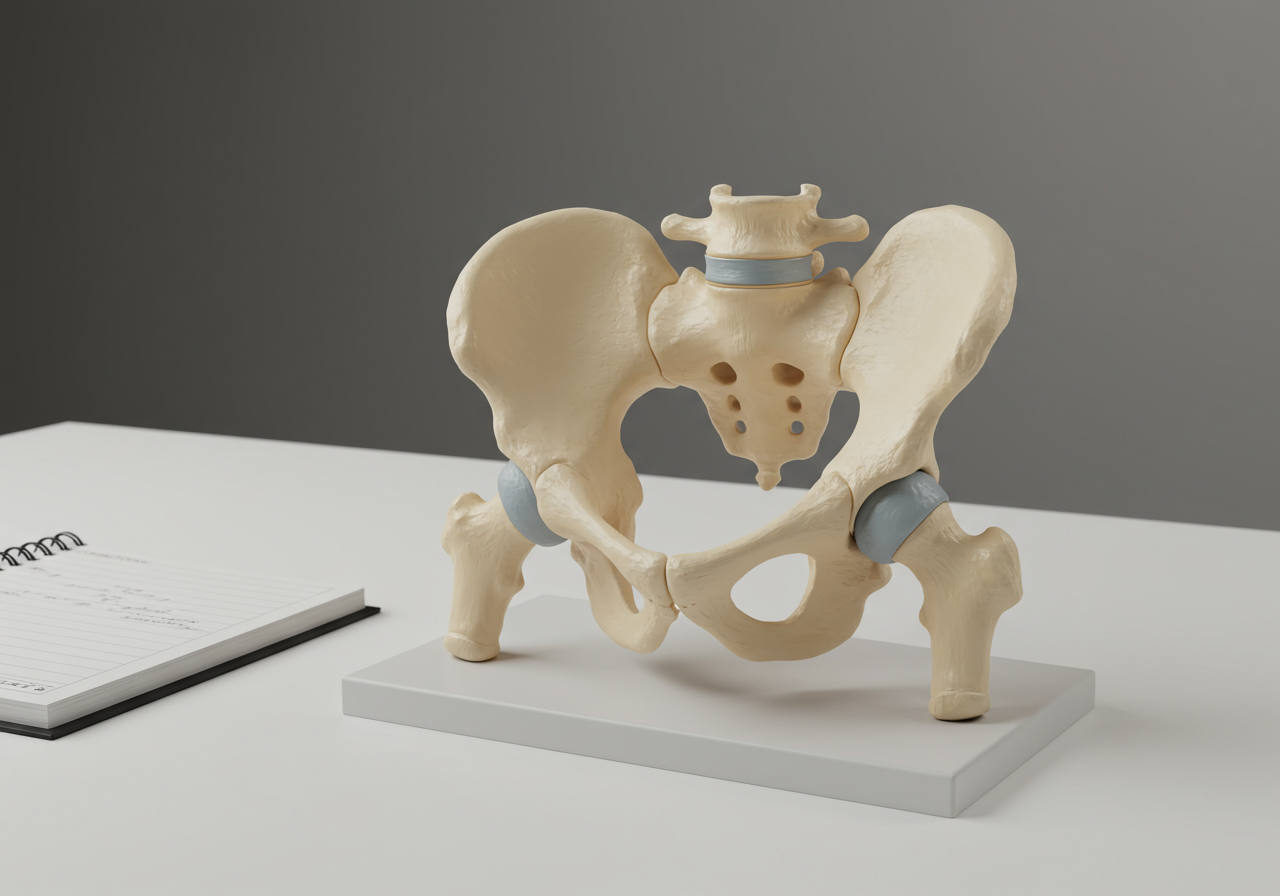
The hip is a ball-and-socket joint. When it moves well, the pelvis and spine share load, your knees track cleanly, and the foot can do its job. Limits at the capsule, deep rotators, or hip flexors often show up as butt-wink in squats or overstriding when running.
In practice and in peer-reviewed work, hip-focused routines can improve squat comfort and running economy markers. Results vary by training history, but consistent mobility plus glute strength usually beats stretching alone. Static holds feel good; loaded mobility and isometrics tend to create longer-lasting change.
Client note: Ana, a recreational runner, said her 5K felt smoother after two weeks of short daily drills and lateral hip strength. She reported fewer post-run tight spots and easier squat warm-ups. That’s typical feedback I hear when people blend mobility with strength.
Pros and cons: Static stretching is simple but temporary. PNF-style isometrics build usable range yet require intent. Loaded mobility demands more control but carries over best to squats and running.
Twelve-minute daily reset with CARs and stretches
Daily 12-minute Hip Reset (no equipment):
Breathing (1 minute): Lie on your back, feet on floor. Inhale into lower ribs and sides; exhale to gently feel abs. Sets your pelvis neutral.
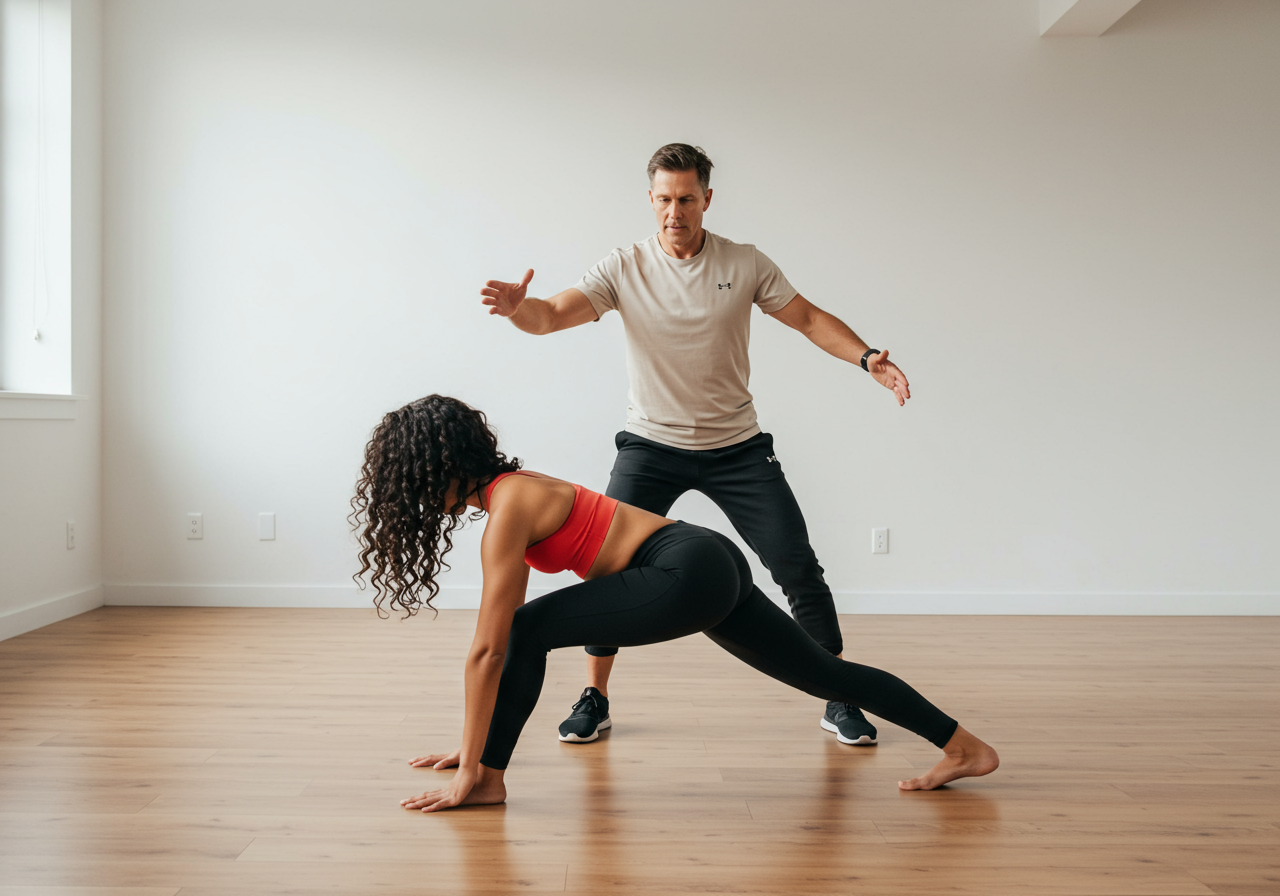
Hip CARs (2 minutes): On hands and knees, draw the biggest slow circle with one knee without twisting your trunk. 3–4 circles each way per side.
90/90 switches (3 minutes): Sit in 90/90; switch sides with control. Pause where tight; breathe three slow exhales. Add a gentle forward fold over the front shin.
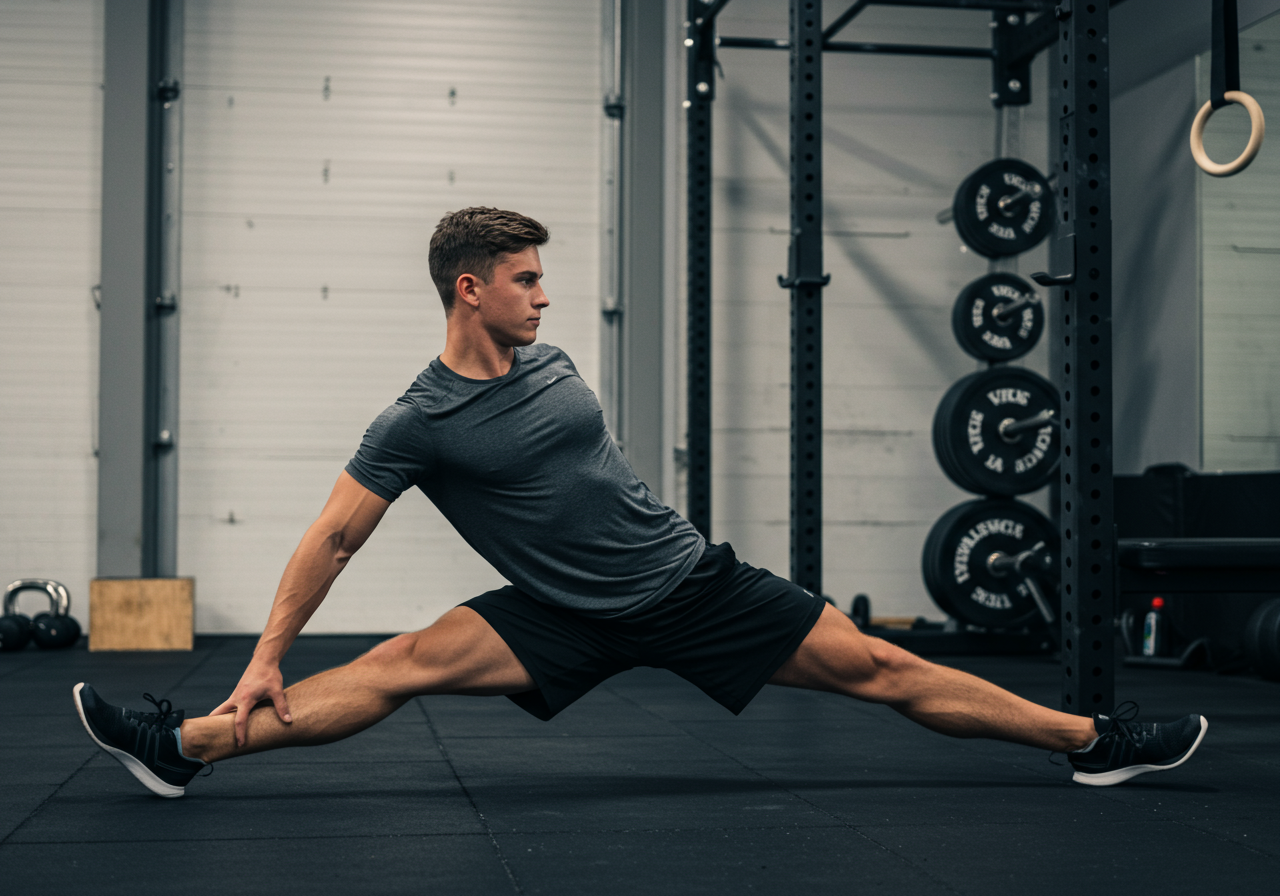
Couch stretch + light isometrics (3 minutes): Back knee near a wall, front foot forward. Hold 30–45 seconds. Then gently push shin into floor (10 seconds), relax, and sink a little deeper. Switch sides.
Glute bridge hold (3 x 20–30 seconds): Heels under knees, ribs down, squeeze glutes. Finish with 10 slow reps.
Before Squats (6–10 minutes):
Ankle rocks and calf raises: 1 minute.
Banded lateral walks: 2 sets of 10–12 steps each way to wake glute med.
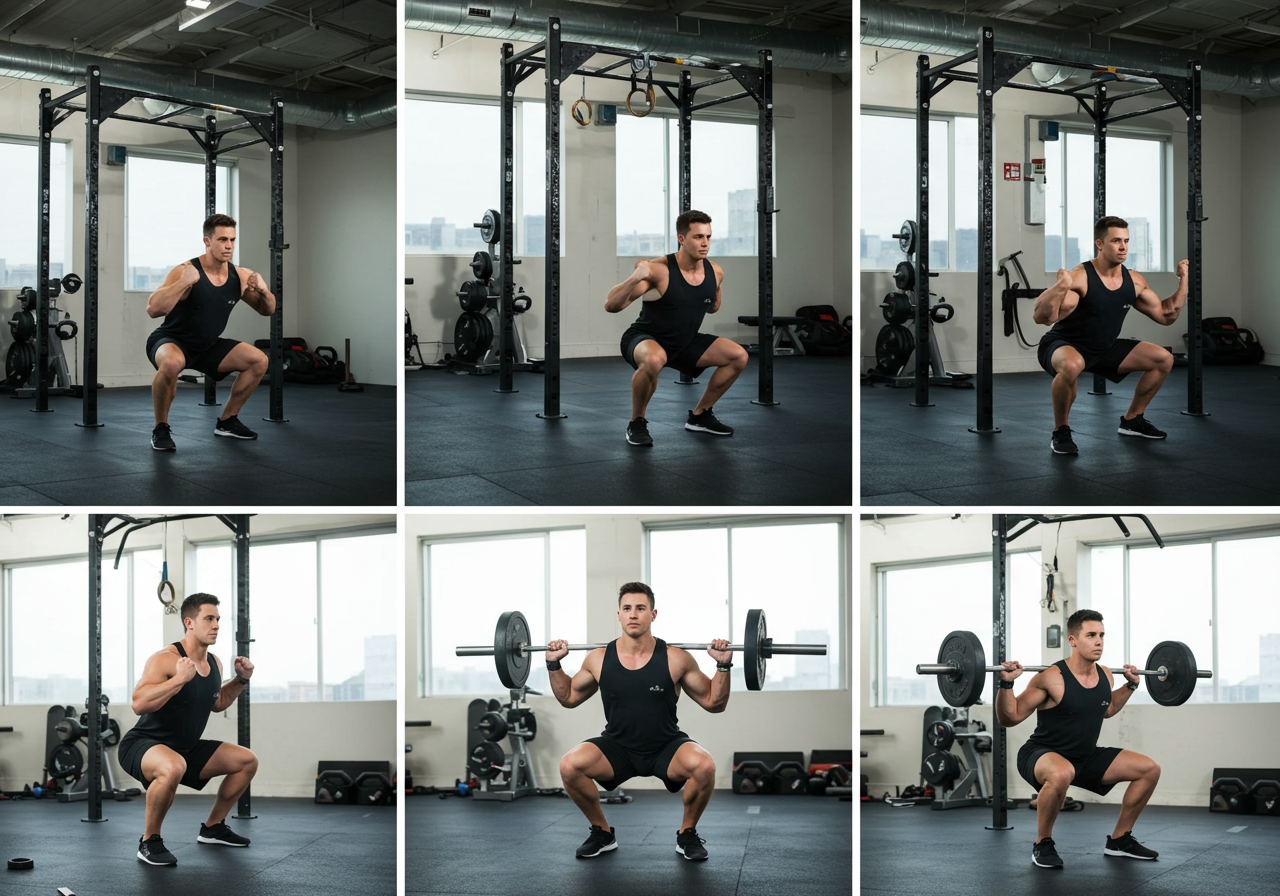
Goblet squat prying: 2 sets of 5 reps with a light kettlebell; pause in the hole, breathe, keep feet planted.
Tempo bodyweight squats: 2 sets of 5 with a 3–0–3 tempo to groove depth.
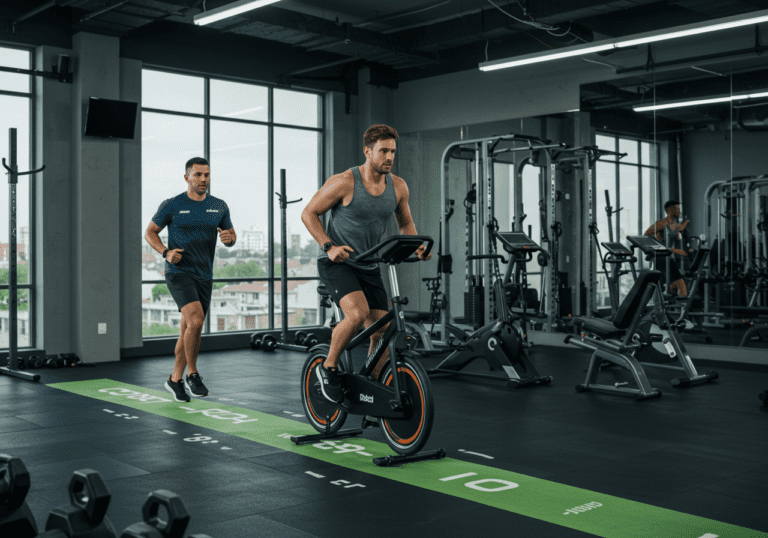
Before Runs (5–8 minutes):
Marches to A-skips: 2 x 20 meters, tall posture, soft landings.
Leg swings: 10 front-to-back and 10 side-to-side per leg, smooth range.
Lateral bounds (optional): 2 x 10 gentle hops, stick the landing to engage hips.
Strength pairing for durable change (2–3 days/week):
Rear-foot elevated split squat: 3 x 6–10 per leg at RPE 7; slow lower, upright torso.
Romanian deadlift or kettlebell hinge: 3 x 6–10, feel hamstrings and glutes.
Lateral step-down or deficit lunge: 2–3 x 8–12, knee tracks over middle toes.
Side plank with hip abduction (or clamshell): 2–3 x 20–30 seconds per side.
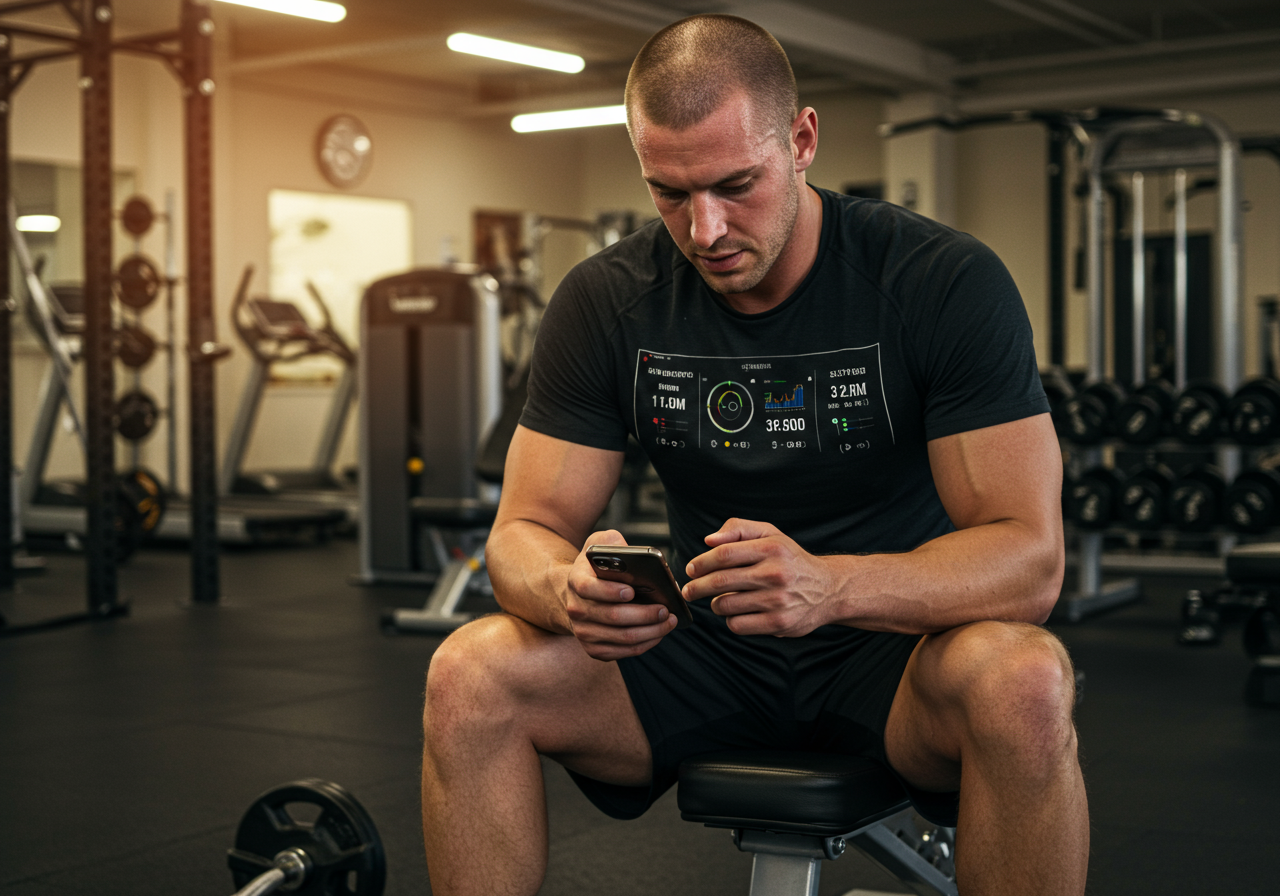
Tools I use and recommend: a simple interval timer (Seconds app) to pace holds, a notes app or Google Sheet for ROM and comfort scores, Strava or Garmin to tag runs and add warm-up notes.
Cues: Keep ribcage stacked over pelvis; spread the floor with your feet in squats; during runs, think quick, quiet steps and hips tall.
Twelve-week roadmap from foundations to loaded capacity
Use this 12-week path. Progress only when positions feel controlled and pain-free. Aim for RPE 6–8 on strength work, with one lighter week as needed.
Table: 12-week hip mobility and performance progression roadmap.
Weeks 1–4 (Foundations); Daily 8–12 min reset; Strength 2x/week light; Run drills 2x/week; Test: comfortable bodyweight squat depth, stride comfort note

Week 1; Reset daily; Split squat 2x8 each; A-skips + leg swings; Rate squat comfort 1–10

Week 2; Add couch stretch isometrics; RDL 2x8 light; + Marches; Note post-run hip tightness

Week 3; Add 3–0–3 tempo squats; Split squat 3x8; + Lateral hops easy; Check squat stance width

Week 4; Keep volume, smoother reps; RDL 3x8; + Bounds optional; Re-test comfort, adjust stance

Weeks 5–8 (Capacity); Daily 10–15 min; Strength 3x/week moderate; Run drills 2–3x/week; Test: goblet squat depth/video, cadence snapshot

Week 5; Add prying goblet squats; Split squat 3x10; A-skips + bounds; Film 45° angle squat

Week 6; Hip airplane holds added; RDL 3x10; Strides 4x20s; Note cadence on easy run

Week 7; Increase load small; Lateral step-down 3x8; Strides 6x20s; Mobility day 15 min

Week 8 (Deload); Keep daily reset; Reduce loads ~20–30%; Drills maintain; Re-test comfort & ROM notes

Weeks 9–12 (Performance); Daily 10–15 min; Strength 3x/week with heavy-light-moderate; Run drills 3x/week; Test: front squat or depth PR feeling, long run comfort

Week 9; Add front-loaded squats; Split squat 4x6 heavier; Drills + 4x30s strides; Note hip feel after lift

Week 10; Controlled eccentrics; RDL 4x6; Drills + hills easy; Check symmetry on video

Week 11; Slight load bump; Step-down 3x10; Strides 6x30s; Re-rate squat and run comfort

Week 12; Maintain form; Choose rep PR not max; Drills steady; Final notes & plan next block
Advancing rules: If you complete all sets with stable knees, full-foot pressure, and no pinchy hips, increase load 2–5% next week. If running form unravels, keep drills but reduce stride work and prioritize easy mileage.
Track weekly comfort, manage intensity, and fuel recovery
Frequency: Short mobility most days (8–15 minutes). Strength 2–3 days/week. Drills before every squat or run. A little, often, beats a lot, rarely.
Intensity: Stretches should feel like 3–6/10 discomfort, never sharp pain. Isometrics are firm but controlled. Strength sets at RPE 6–8, leaving 1–3 reps in reserve.
Recovery and nutrition: Sleep 7–9 hours. Hydrate regularly. Protein 1.6–2.2 g/kg/day supports adaptation. Creatine monohydrate (3–5 g/day) is optional for strength. If working on tendons, some athletes take collagen with vitamin C 30–60 minutes before sessions—discuss with a professional if unsure.
Monitoring: Each week, rate squat comfort 1–10, note the lowest box/bench height you can reach cleanly, and add a short run note (hip feel at easy pace). Use Strava or Garmin for quick tags; MyFitnessPal helps confirm protein.
Troubleshooting: If pinching at the front of the hip, shorten range and try a slight toe-out stance or shift squat to a goblet variation. If knees cave, pause reps and add lateral hip work. Plateaued? Add a deload week or swap in a new hinge/split-squat variation. Pain that lingers or radiates—see a qualified clinician.
Next steps: Keep this system for 12 weeks, then retest and either deepen range or build more strength in your new range. If this helped.
Medical Disclaimer: The information provided on this website is for informational and educational purposes only and is not intended as personal medical or health advice. The content, including text, graphics, and images, is not a substitute for professional medical advice, diagnosis, or treatment. Always seek the advice of your physician or other qualified healthcare provider…
Medical Disclaimer: The information provided on this website is for informational and educational purposes only and is not intended as personal medical or health advice. The content, including text, graphics, and images, is not a substitute for professional medical advice, diagnosis, or treatment. Always seek the advice of your physician or other qualified healthcare provider…
Medical Disclaimer: The information provided on this website is for informational and educational purposes only and is not intended as personal medical or health advice. The content, including text, graphics, and images, is not a substitute for professional medical advice, diagnosis, or treatment. Always seek the advice of your physician or other qualified healthcare provider…
Medical Disclaimer: The information provided on this website is for informational and educational purposes only and is not intended as personal medical or health advice. The content, including text, graphics, and images, is not a substitute for professional medical advice, diagnosis, or treatment. Always seek the advice of your physician or other qualified healthcare provider…
Medical Disclaimer: The information provided on this website is for informational and educational purposes only and is not intended as personal medical or health advice. The content, including text, graphics, and images, is not a substitute for professional medical advice, diagnosis, or treatment. Always seek the advice of your physician or other qualified healthcare provider…
Medical Disclaimer: The information provided on this website is for informational and educational purposes only and is not intended as personal medical or health advice. The content, including text, graphics, and images, is not a substitute for professional medical advice, diagnosis, or treatment. Always seek the advice of your physician or other qualified healthcare provider…