Medical Disclaimer: The information provided on this website is for informational and educational purposes only and is not intended as personal medical or health advice. The content, including text, graphics, and images, is not a substitute for professional medical advice, diagnosis, or treatment. Always seek the advice of your physician or other qualified healthcare provider with any questions you may have regarding a medical condition or before starting any new exercise, nutrition, or supplement program. Never disregard professional medical advice or delay in seeking it because of something you have read on this blog. Reliance on any information provided by this site is solely at your own risk.
Small Daily Habits Build Strong Training and Recovery
Habit-based nutrition coaching turns food choices into simple, repeatable actions that support your workouts and recovery. You will learn how to connect daily habits to strength, cardio, mobility, and body composition.
Direct answer: Start with one habit per week, measure compliance, and use hand portions to guide meals.
We will build a full training week (cardio, strength, flexibility) around easy nutrition cues, then layer progress gradually and verify results with practical tracking.
Science-Backed Nutrition and Exercise Create Lasting Body Composition
Small habits reduce decision fatigue and improve adherence. In practice and in peer‑reviewed behavior research, tiny, context‑anchored actions outperform restrictive diet rules. When we pair habits with training sessions, we create reliable timing: fuel before/after strength, hydrate during cardio, and anchor sleep.
Protein supports muscle repair and satiety. Carbs clustered around harder efforts replenish glycogen, while vegetables and healthy fats cover micronutrients and sustain energy. Zone 2 cardio improves aerobic capacity and recovery. Strength training increases insulin sensitivity and lean mass. Together, these levers help body composition without obsessive tracking.
I’ve tested this approach across beginner clients and my own blocks. Consistent habit compliance (70–85% of planned actions) usually predicts better energy, steadier training performance, and gradual waist reductions—results vary, but the pattern is remarkably consistent.
Hand Portions, Four Weekly Workouts, and Simple Tracking
Step 1 — Quick baseline (2–3 days): photograph meals, note hunger (1–10), and log steps. Use MyFitnessPal or Cronometer for awareness, not perfection. Grab resting heart rate from Fitbit/Garmin on waking. Record waist at navel and morning bodyweight (3‑day average).
Step 2 — Set the weekly training frame (4 sessions): – Strength A and B (35–45 min each) – Cardio (Zone 2, 25–40 min) – Mobility + steps day (20 min mobility + walking)
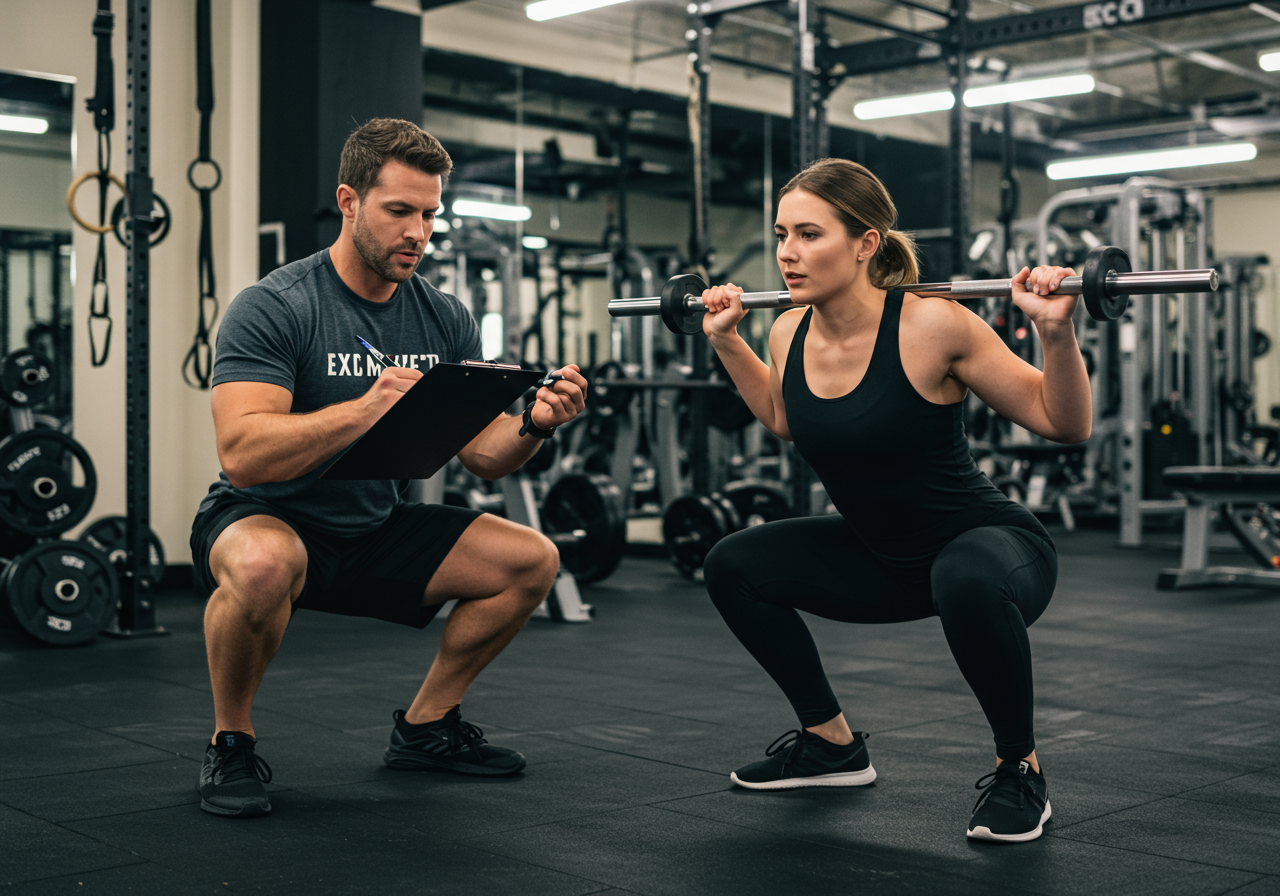
Strength A (full‑body): – Goblet Squat 3×8 @ RPE 6–7 – Romanian Deadlift 3×10 @ RPE 6–7 – Incline Push‑ups 3×AMRAP leaving 2 reps in reserve – One‑arm Row 3×10/side @ RPE 7 – Farmer Carry 3×40–60 m
Strength B (full‑body): – Split Squat 3×8/side @ RPE 6–7 – Hip Hinge (kettlebell) 4×8 @ RPE 7 – Dumbbell Overhead Press 3×10 @ RPE 7 – Lat Pulldown or Band Pull‑aparts 3×12 – Plank 3×30–45 s
Cardio day: Zone 2 at 60–70% max HR (or conversational pace you can sustain). Start at 25–30 min. Track in Strava or your watch app.
Mobility + steps: 10–15 min hips/shoulders/thoracic spine; then walk to reach your daily steps target.
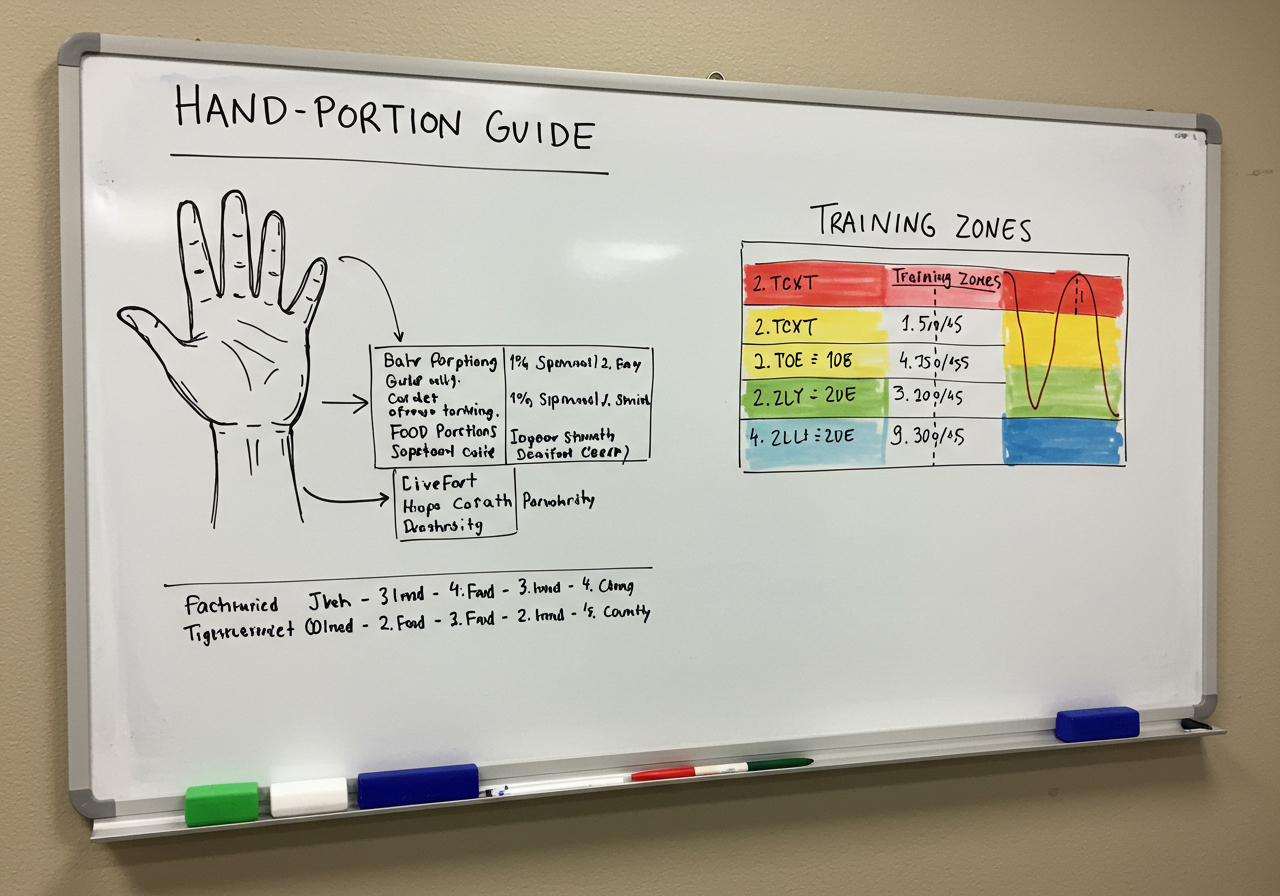
Step 3 — Four core nutrition habits (hand portions make it simple): – Protein: 1–2 palms each meal (eggs, Greek yogurt, chicken, tofu, lentils). – Vegetables: 1–2 fists in two meals per day. – Carbs: 1 cupped hand near training; 2 cupped hands on harder days; fewer on full rest days if appetite is low. – Fats: 1–2 thumbs per meal from olive oil, nuts, avocado, or similar.
Step 4 — Hydration and salt: carry a 24–32 oz bottle; finish 2–3 refills/day. Lightly salt meals if you sweat a lot or train in heat.
Step 5 — Sleep anchors: consistent lights‑out and wake time (±30 minutes), and a 10‑minute wind‑down (phone away, breathing, or reading). Sleep quality changes everything.
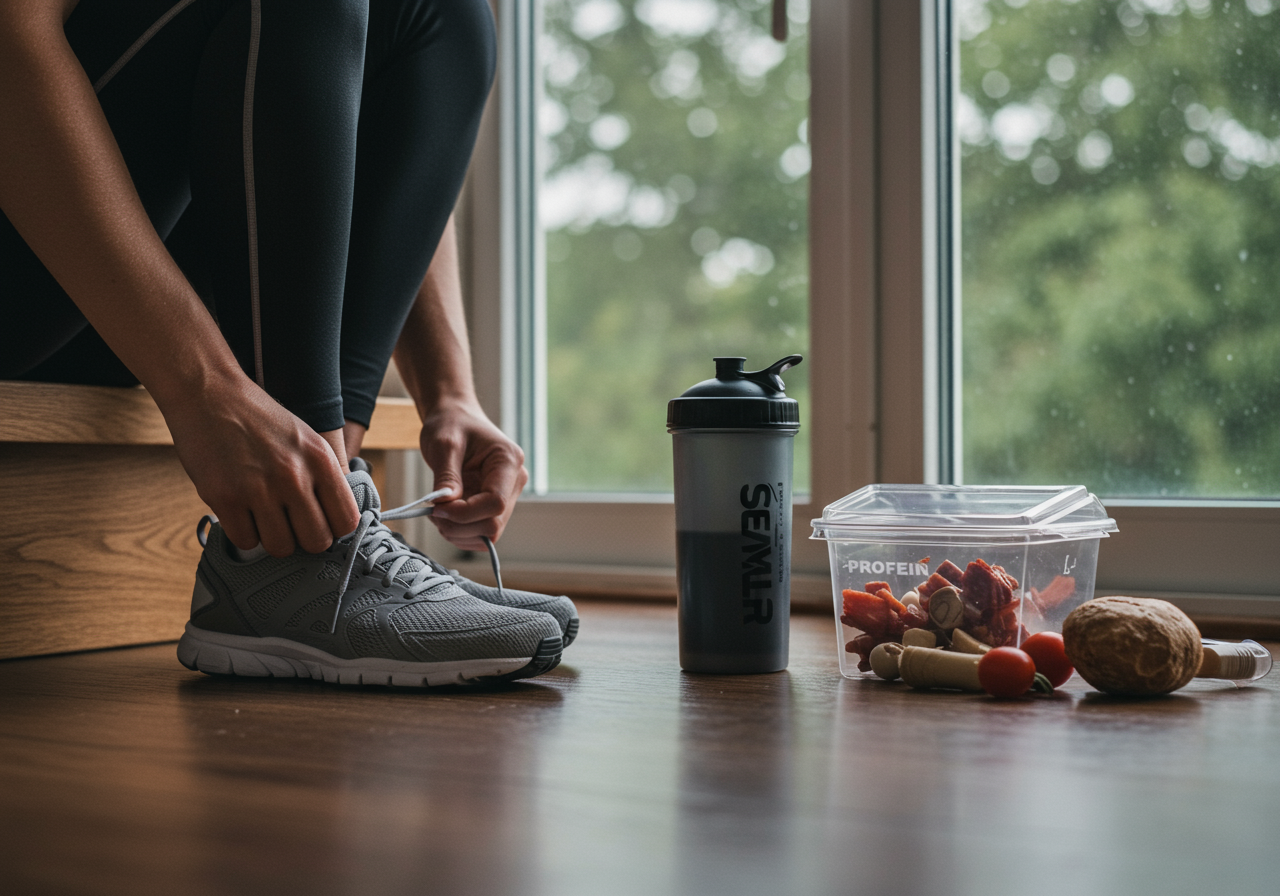
Step 6 — Environment design: prep protein once or twice weekly, keep ready‑to‑eat vegetables, place your water bottle on your desk, and set a 10‑minute nightly tidy + pack routine for gym bag and snacks.
Tracking — simple but honest: – Habit compliance: check off yes/no per day in Streaks, Habitica, or a notes app. – Training: sets, reps, RPE in Strong or Google Sheets. – Cardio: time, HR, RPE in Strava/Garmin. – Body: weekly waist/weight averages; resting HR trend.
Personal field note: In my last 6‑week block, Zone 2 rides averaged ~136 bpm for 35–45 minutes, three times weekly. Goblet squat moved from 24 kg to 32 kg at RPE ~7 with clean form. I noticed steadier afternoon energy when I hit two palms of protein by lunch.
Client voice: “I stopped counting every calorie. One protein palm per meal and a water bottle at my desk made training days feel smoother.”
Twelve-Week Roadmap Adding One Habit and Training Layer
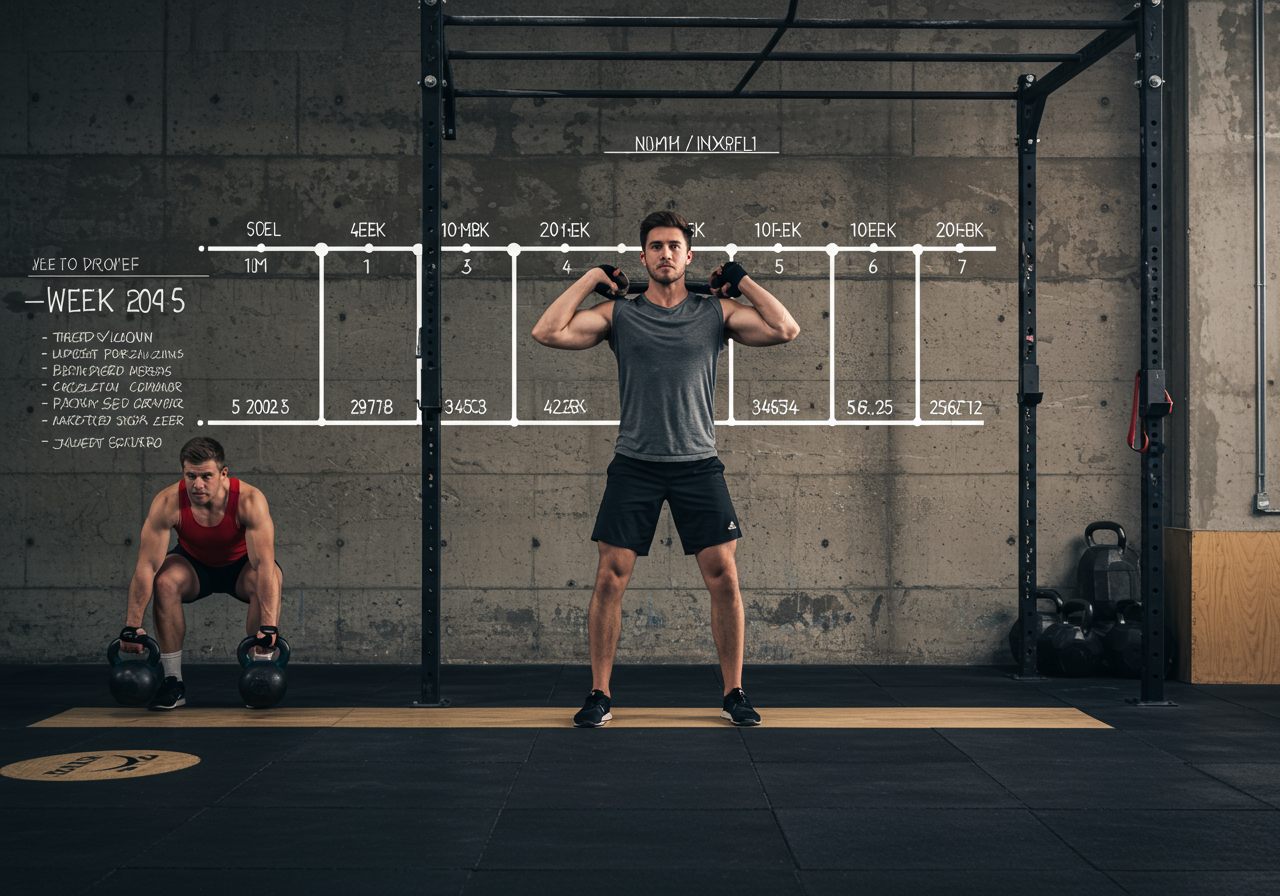
Use this as a roadmap. Add just one layer each week. If stress spikes, maintain instead of adding.
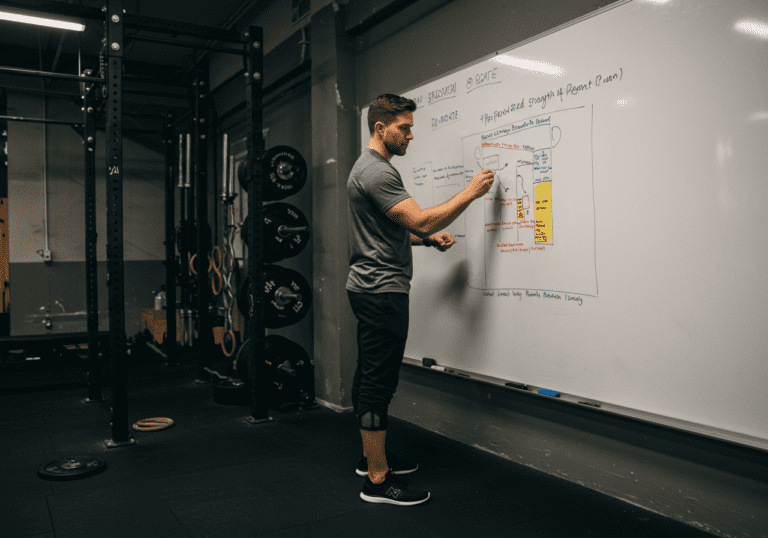
Caption: 12‑week progression map combining training and habit layers. Week 1: Learn hand portions; Strength A/B 2×/wk @ RPE 6; Zone 2 x1 (25 min); 6–8k steps. Week 2: Add veggie fists in 2 meals; keep same training; Zone 2 to 30 min. Week 3: Protein palm every meal; Strength add 1 set to main lift; steps 7–9k. Week 4: Carbs near workouts; Zone 2 to 35 min; mobility 15 min. Week 5: Add third strength set to big patterns; increase load 2.5–5% if last set RPE ≤7. Week 6: Sleep anchor (lights‑out window); steps 8–10k; optional creatine 3–5 g daily. Week 7: Deload 30% volume; keep habits; easy Zone 2 (25–30 min). Week 8: Rebuild volume; try one conditioning finisher (5–8 min easy intervals). Week 9: Plan two protein‑forward snacks; Zone 2 to 40 min; refine technique on a lift. Week 10: Portion audit: adjust carbs up on hard days, down on easy days based on hunger/training output. Week 11: Add one advanced habit (pre‑sleep routine or Sunday prep hour). Week 12: Optional benchmarks: 1‑min push‑ups, 5‑rep squat/hinge, easy 1‑mile time, and a waist/HR check.
Beginner cues: keep RPE 6–7, finish sessions feeling like you could do more. Intermediate: one lift @ RPE 8 weekly, Zone 2 40–50 min. Advanced: rotate a block with barbell lifts, add intervals (4×2 min @ Z3–4 with 2‑min easy), and manage carbs to match intensity.
Progress rules: – Strength: add 2.5–5% when the last set is ≤RPE 7 and technique is crisp. – Cardio: extend Zone 2 by 5 minutes or add a second day before adding intensity. – Mobility: keep 10–15 minutes, prioritize sticky joints. – Deload every 4–8 weeks or after illness, travel, or poor sleep.
Smart Frequency, Intensity Zones, and Common Plateau Fixes
Frequency: 3–4 training days work well for beginners. Intensity: most sets at RPE 6–7, save RPE 8 for one key lift weekly after a few weeks. Cardio: keep most time in Zone 2; sprinkle intervals only when recovery is solid.
Common pitfalls and fixes: – Stacking too many habits: limit to one new habit per week. – All‑or‑nothing eating: use hand portions to course‑correct the next meal, no guilt. – Plateau in weight or waist: raise protein by one palm, add 1–2k steps, or trim 1 cupped hand of carbs on rest days. – Overtraining signs: rising resting HR, poor sleep, irritability—reduce volume 20–30% for a week. – Soreness or aches: check form, lower RPE, add warm‑up sets, and favor pain‑free ranges.
Recovery priorities: sleep 7–9 hours, walks on rest days, gentle mobility. Consider creatine monohydrate (3–5 g/day) and vitamin D if deficient—consult a clinician. Hydrate consistently and salt to taste, especially in heat.
Monitoring dashboard (weekly): habit compliance %, average steps, resting HR trend, strength rep PRs at the same RPE, Zone 2 duration, and a simple energy rating (1–10). If two metrics worsen for two weeks, deload.
Next steps: download my habit checklist and training log template, then reply with your first habit choice. I’ll help you set anchors that fit your real schedule.
Medical Disclaimer: The information provided on this website is for informational and educational purposes only and is not intended as personal medical or health advice. The content, including text, graphics, and images, is not a substitute for professional medical advice, diagnosis, or treatment. Always seek the advice of your physician or other qualified healthcare provider…
Medical Disclaimer: The information provided on this website is for informational and educational purposes only and is not intended as personal medical or health advice. The content, including text, graphics, and images, is not a substitute for professional medical advice, diagnosis, or treatment. Always seek the advice of your physician or other qualified healthcare provider…
Medical Disclaimer: The information provided on this website is for informational and educational purposes only and is not intended as personal medical or health advice. The content, including text, graphics, and images, is not a substitute for professional medical advice, diagnosis, or treatment. Always seek the advice of your physician or other qualified healthcare provider…
Medical Disclaimer: The information provided on this website is for informational and educational purposes only and is not intended as personal medical or health advice. The content, including text, graphics, and images, is not a substitute for professional medical advice, diagnosis, or treatment. Always seek the advice of your physician or other qualified healthcare provider…
Medical Disclaimer: The information provided on this website is for informational and educational purposes only and is not intended as personal medical or health advice. The content, including text, graphics, and images, is not a substitute for professional medical advice, diagnosis, or treatment. Always seek the advice of your physician or other qualified healthcare provider…
Medical Disclaimer: The information provided on this website is for informational and educational purposes only and is not intended as personal medical or health advice. The content, including text, graphics, and images, is not a substitute for professional medical advice, diagnosis, or treatment. Always seek the advice of your physician or other qualified healthcare provider…