Medical Disclaimer: The information provided on this website is for informational and educational purposes only and is not intended as personal medical or health advice. The content, including text, graphics, and images, is not a substitute for professional medical advice, diagnosis, or treatment. Always seek the advice of your physician or other qualified healthcare provider with any questions you may have regarding a medical condition or before starting any new exercise, nutrition, or supplement program. Never disregard professional medical advice or delay in seeking it because of something you have read on this blog. Reliance on any information provided by this site is solely at your own risk.
How to calculate daily calorie needs can be simple when you connect training, food, and recovery into one beginner-friendly plan. You’ll learn to set calories, choose macros, and match them to a weekly routine that actually fits life.
Direct answer: estimate BMR, multiply by activity, then adjust −300–500 calories for fat loss or +150–300 for muscle gain.
Moderate Deficits Preserve Strength and Training Quality
Calories drive body weight change; training directs where that change comes from. Strength work protects and builds lean mass. Cardio improves work capacity and recovery between sets. Matching intake to output keeps performance steady and reduces burnout.
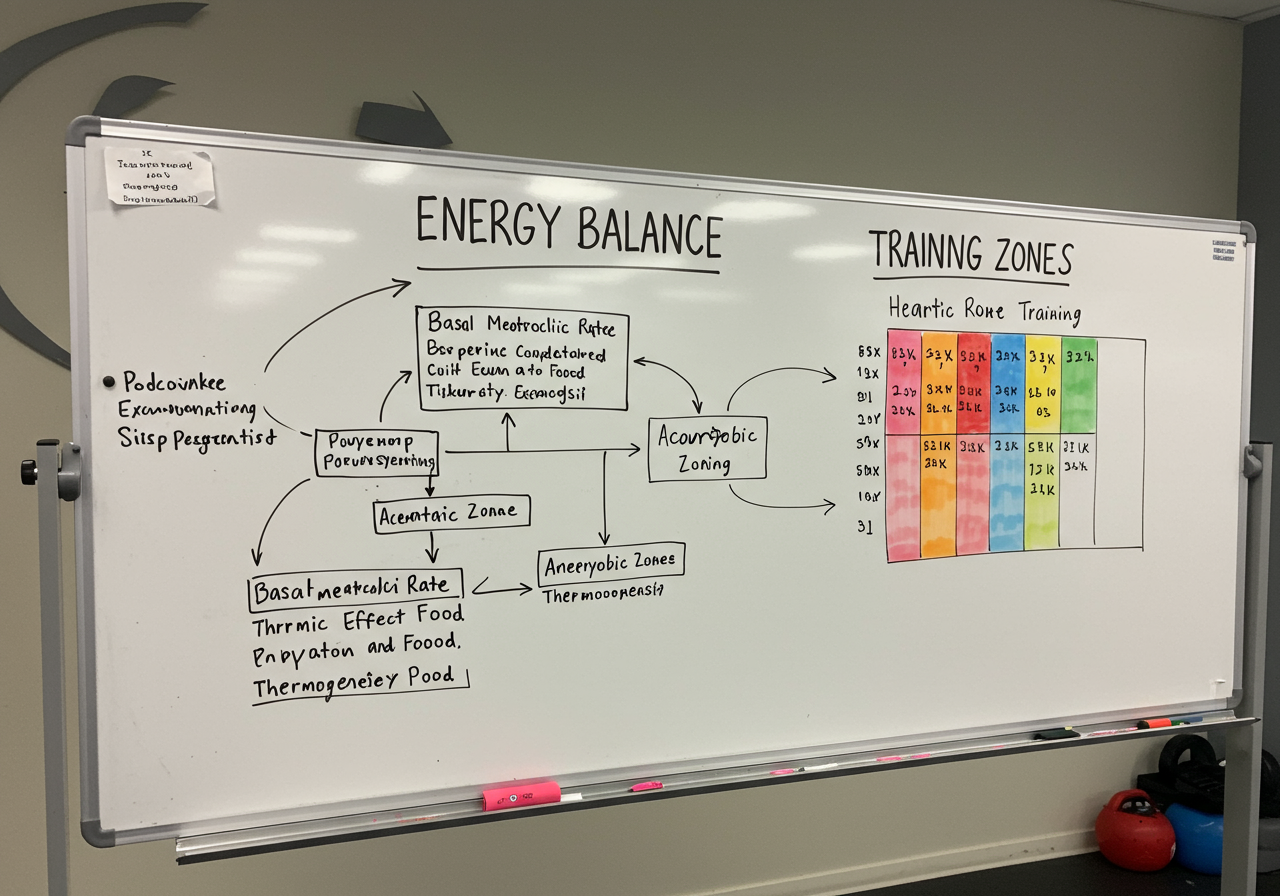
Your body burns energy through resting metabolism, movement (including steps/NEAT), and exercise. A peer‑reviewed study trend shows moderate deficits preserve training quality better than crash diets. In practice, clients who pair a small calorie tweak with structured workouts report steadier strength gains and fewer hunger swings.
My experience: during an 8‑week block, I kept a mild 10% deficit, ran mostly Zone 2 (130–145 bpm via Garmin), lifted 3x/week, and improved my 5K pace while maintaining barbell numbers. That blend made adherence easy.
“I finally stopped guessing. Eating a little less on rest days and a touch more on heavy days kept my energy stable.” — Mia, remote client
Track Weight, Estimate TDEE, Set Macro Targets
Step 1 — Set your baseline: weigh yourself 3–4 mornings per week after bathroom, track steps with a phone or watch, and log food for 5–7 days in MyFitnessPal or Cronometer. Note average sleep duration.
Step 2 — Estimate maintenance (TDEE): calculate BMR with Mifflin–St Jeor (men: 10×kg + 6.25×cm − 5×age + 5; women: 10×kg + 6.25×cm − 5×age − 161). Multiply by activity factor (sedentary 1.2 → very active 1.7–1.9). This is your starting target.
Step 3 — Set goal calories: fat loss −300 to −500/day (or −10–20%); muscle gain +150 to +300/day (or +5–10%); body recomposition stay near maintenance but train hard and set higher protein.
Step 4 — Choose macros: protein 1.6–2.2 g/kg, fat 0.6–1.0 g/kg, carbs fill the remaining calories. On long cardio days, bias more carbs; on rest days, pull carbs down slightly and keep protein steady.
Step 5 — Build your week (easy template):
Strength (3x/week): full‑body A/B days, 45–60 minutes, main lifts 3×6–10 at RPE 6–8.
Cardio (2x/week): Zone 2 for 30–45 minutes; optional intervals 6×1 minute hard, 2 minutes easy.
Mobility (daily 5–10 minutes): hips, t‑spine, ankles; sprinkle between sets.
Steps: aim 7–10k most days to stabilize NEAT.
Step 6 — Log and review: track sessions in Strong or Google Sheets; monitor HR with Fitbit or Garmin; sync nutrition to observe trends versus weight and measurements.
Plain‑text table: Example calorie and macro targets by goal for a 70 kg person (170 cm, 30 yrs, moderate activity; illustrative starting points).
Calories: start at calculated target. Adjust only if weight changes >0.75%/week for two weeks.
Intermediate (Weeks 5–8):
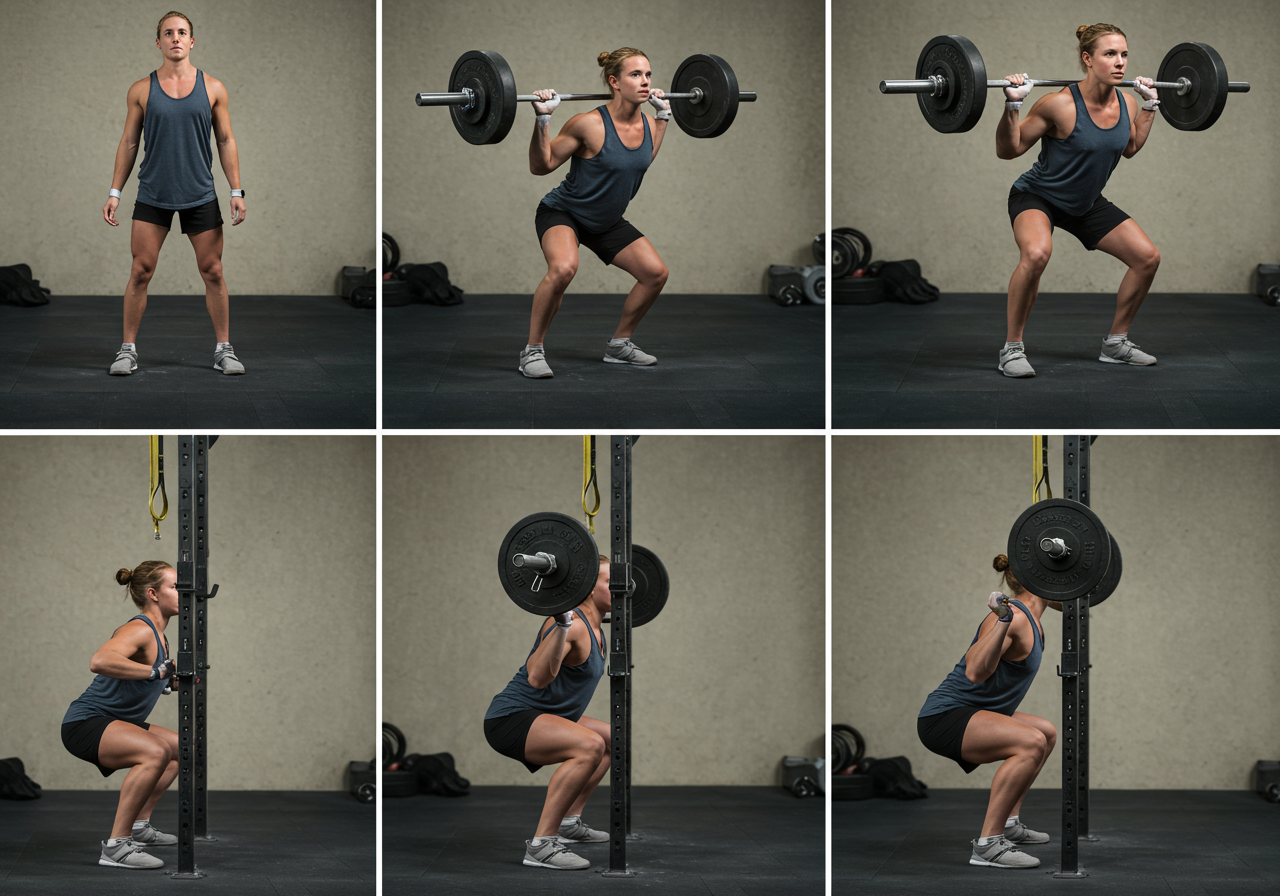
Strength: transition to barbell back squat or trap‑bar deadlift, bench press, row, Romanian deadlift, lunge, pull‑up assistance. 3–4 sets; one top set at RPE ~8, back‑off volume at RPE 6–7.
Cardio: one 40–50 minute Zone 2, one interval day (6–8×1 minute hard, 2 minutes easy).
Calories: if lifts stall and energy dips, add ~100–150 calories on heavy days via carbs.
Advanced (Weeks 9–12):
Strength: undulate reps (Day 1 strength 5s, Day 2 hypertrophy 8–12, Day 3 power 3–5 with lighter loads). Total hard sets per muscle 10–16/week as recovery allows.
Cardio: maintain one longer Zone 2 (45–60 minutes). If racing, add short tempo block (10–20 minutes steady just below threshold) once weekly.
Calories: fat loss — add a refeed day at maintenance every 10–14 days; muscle gain — keep surplus small to limit fat accrual.
Real‑world notes: a client, Jay, plateaued in week 6 on bench. We reduced junk volume, added one extra rest day, and shifted 50–75 g carbs to pre‑workout. The next two weeks, reps climbed again. Lesson: adjust the smallest lever first.
Deload option (Week 13): drop sets by ~40–50%, keep movement patterns, maintain steps, and return to baseline calories for recovery.
Monitor Weekly Trends and Adjust Calories Gradually
Frequency: 3 strength + 2 cardio sessions work well for beginners. If busy, do 2 + 2 and add steps.
Intensity checks: use RPE 6–8 for most work; save RPE 9 for rare tests. For cardio, Zone 2 means you can nose‑breathe and speak in full sentences.
Common mistakes: slashing calories too hard, skipping protein, ignoring sleep, and piling on HIIT. Start small and be consistent.
Monitoring: average body weight (weekly), waist measurement, training log PRs, resting HR, and mood/energy. If scale trends >1% per week up or down, adjust calories by 100–200/day.
Recovery: aim 7–9 hours sleep, 1.6–2.2 g/kg protein, 6–8 g/kg/day carbs during heavy endurance phases, creatine 3–5 g/day if desired, hydrate to pale yellow urine.
Pain and safety: sharp pain means stop and regress the movement. For aches, reduce load 10–20% and add tempo control. Seek a clinician if pain persists.
Next steps: download a simple sheet (or build one) to log lifts, steps, and macros. Sync your watch data (Garmin/Apple/Polar) and nutrition app weekly.
Medical Disclaimer: The information provided on this website is for informational and educational purposes only and is not intended as personal medical or health advice. The content, including text, graphics, and images, is not a substitute for professional medical advice, diagnosis, or treatment. Always seek the advice of your physician or other qualified healthcare provider…
Medical Disclaimer: The information provided on this website is for informational and educational purposes only and is not intended as personal medical or health advice. The content, including text, graphics, and images, is not a substitute for professional medical advice, diagnosis, or treatment. Always seek the advice of your physician or other qualified healthcare provider…
Medical Disclaimer: The information provided on this website is for informational and educational purposes only and is not intended as personal medical or health advice. The content, including text, graphics, and images, is not a substitute for professional medical advice, diagnosis, or treatment. Always seek the advice of your physician or other qualified healthcare provider…
Medical Disclaimer: The information provided on this website is for informational and educational purposes only and is not intended as personal medical or health advice. The content, including text, graphics, and images, is not a substitute for professional medical advice, diagnosis, or treatment. Always seek the advice of your physician or other qualified healthcare provider…
Medical Disclaimer: The information provided on this website is for informational and educational purposes only and is not intended as personal medical or health advice. The content, including text, graphics, and images, is not a substitute for professional medical advice, diagnosis, or treatment. Always seek the advice of your physician or other qualified healthcare provider…
Medical Disclaimer: The information provided on this website is for informational and educational purposes only and is not intended as personal medical or health advice. The content, including text, graphics, and images, is not a substitute for professional medical advice, diagnosis, or treatment. Always seek the advice of your physician or other qualified healthcare provider…