Medical Disclaimer: The information provided on this website is for informational and educational purposes only and is not intended as personal medical or health advice. The content, including text, graphics, and images, is not a substitute for professional medical advice, diagnosis, or treatment. Always seek the advice of your physician or other qualified healthcare provider with any questions you may have regarding a medical condition or before starting any new exercise, nutrition, or supplement program. Never disregard professional medical advice or delay in seeking it because of something you have read on this blog. Reliance on any information provided by this site is solely at your own risk.
Breathwork for recovery can calm your nervous system and speed post‑workout repair. Do 5 minutes of slow nasal breathing after training to lower heart rate and reduce stress.
In this guide, I’ll show you how to integrate breathwork into strength, cardio, and mobility so you bounce back faster. You’ll get simple routines, a week‑by‑week progression, tracking tips (HRV, RPE), and real‑world troubleshooting.
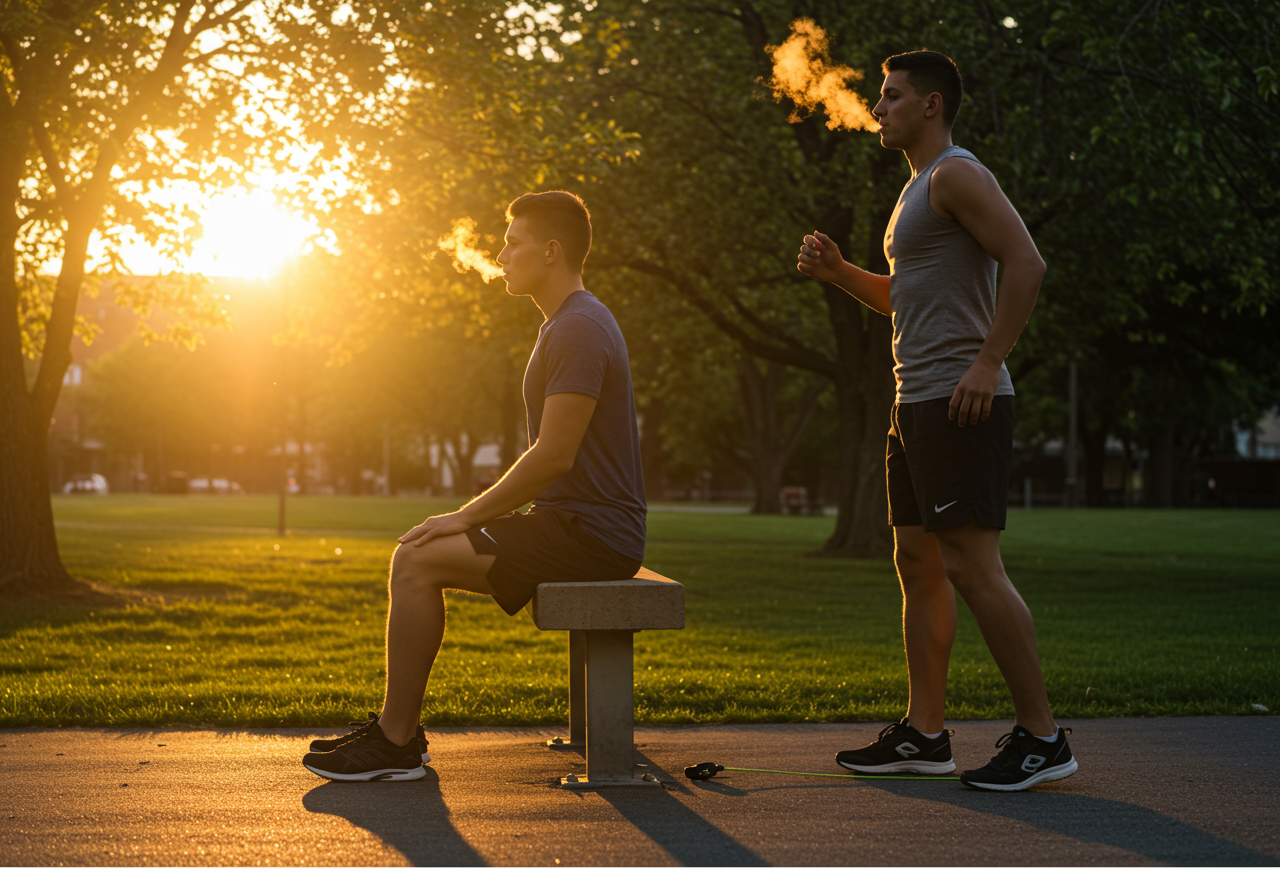
Calm Your System With Post-Workout Nasal Breathing
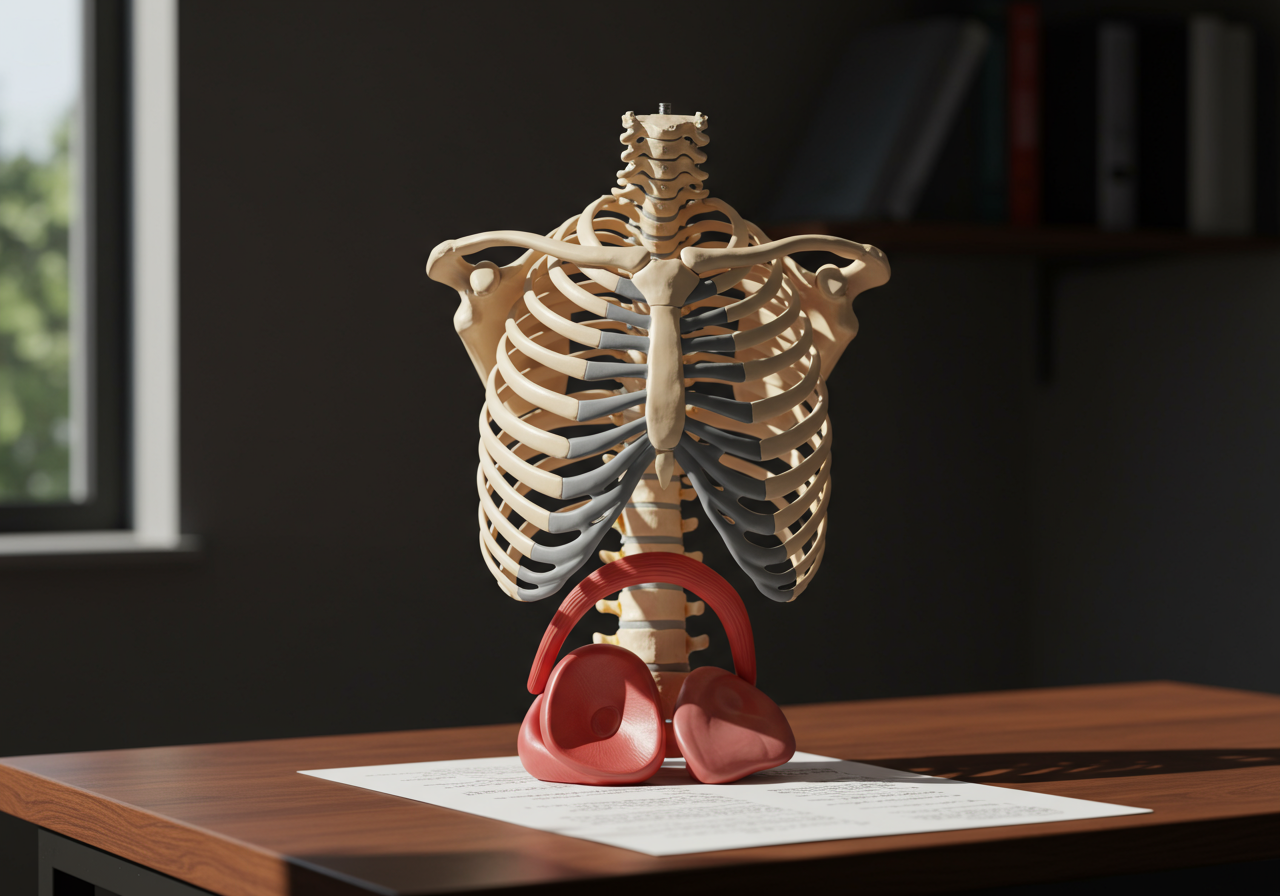
Recovery hinges on your autonomic nervous system. Longer, slower exhales bias the parasympathetic branch, easing tension and helping heart rate settle. Nasal breathing encourages diaphragmatic mechanics, improves CO₂ tolerance, and may increase nitric oxide in the airways, which can support efficient oxygen delivery.
In peer‑reviewed research, slow breathing around 5–6 breaths per minute is associated with improved heart rate variability (HRV), a marker linked to stress resilience. My own training logs show a faster cooldown heart rate drop when I finish intervals with 5–8 minutes of paced nasal breathing compared with casual cooldowns.
“I used the 4‑in/6‑out breathing after lifting. My shoulders relaxed and I fell asleep quicker on training nights.” — Maya, new lifter in my small‑group program
While outcomes vary, clients consistently report better sleep quality, fewer post‑workout headaches, and reduced next‑day soreness when they pair breathwork with smart programming and nutrition.
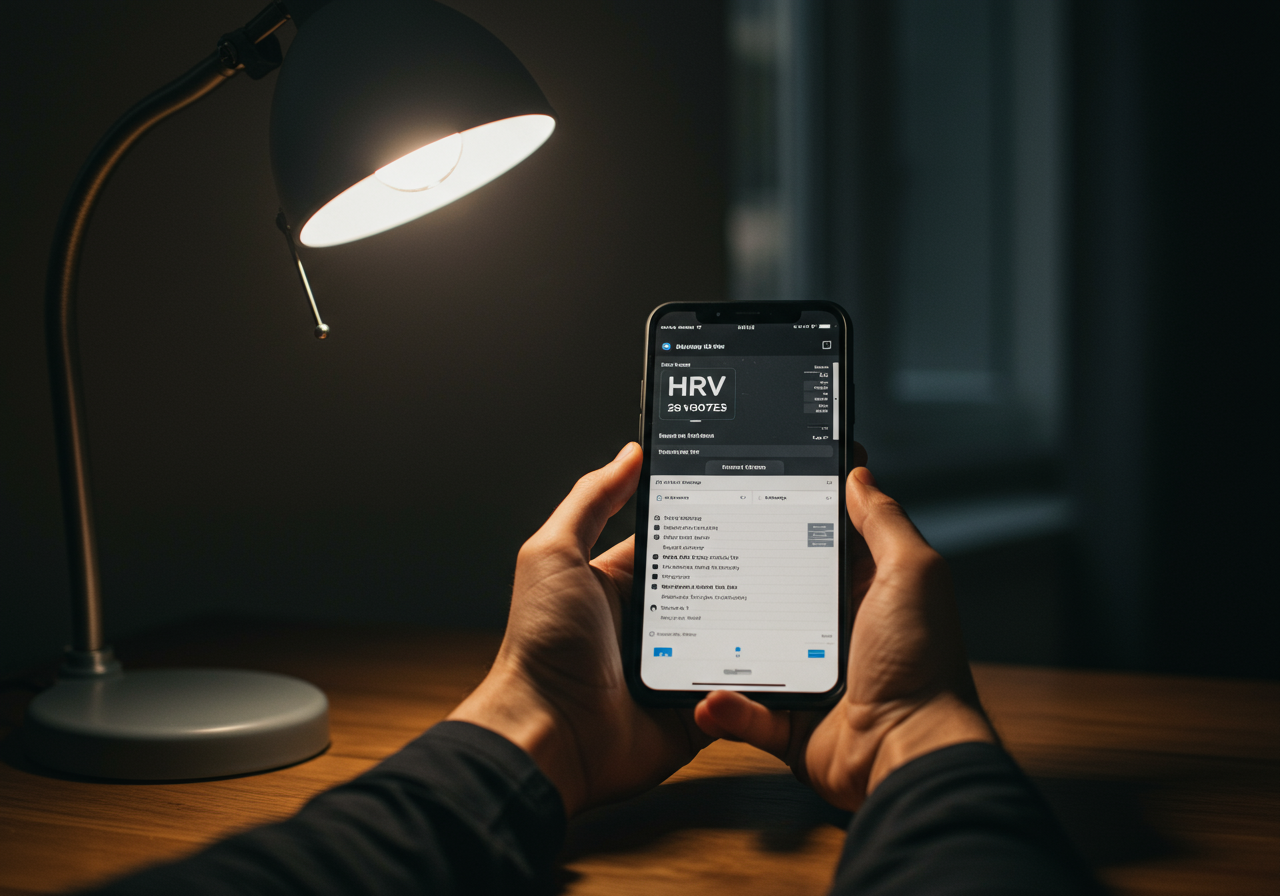
Parasympathetic Activation Improves HRV and Recovery Markers
Set your timer for 5–10 minutes and keep the mouth closed unless otherwise noted. Aim for light, quiet, low‑effort breaths.
Post‑workout downshift (5–10 min): Lie in 90/90 (feet on bench) or child’s pose. Inhale 4 seconds through the nose, exhale 6 seconds through the nose. Keep the chest relaxed; feel the ribcage expand 360°. Optional: place one hand on belly, one on side ribs.
Between‑set reset (30–60 sec): Stand tall. Do 3–5 physiological sighs (short inhale, top‑off inhale, long slow exhale), then return to nasal breathing. Use this when heart rate spikes.
Evening wind‑down (8–12 min): Sit comfortably, dim lights. Breathe 5–6 breaths per minute (inhale ~5, exhale ~5–6). If you tolerate it well, you may add brief breath holds after exhale (1–2 seconds), but keep it easy.
CO₂ tolerance walk (10–15 min): Nose‑only breathing during an easy walk. If you feel urge to mouth‑breathe, slow down. Finish with 3 extra‑long nasal exhales.
Pre‑workout primer (2–3 min): Gentle nasal breathing, equal in/out (4/4), paired with mobility (spinal flexion/extension, hip openers). This steadies arousal without dulling focus.
Integrate with training
Strength days: Full‑body 45–60 minutes. Main lifts @ RPE 6–8. Use between‑set resets as needed; finish with the downshift protocol. Log sets/reps in your notes app or Trainerize; note breath quality (calm vs strained).
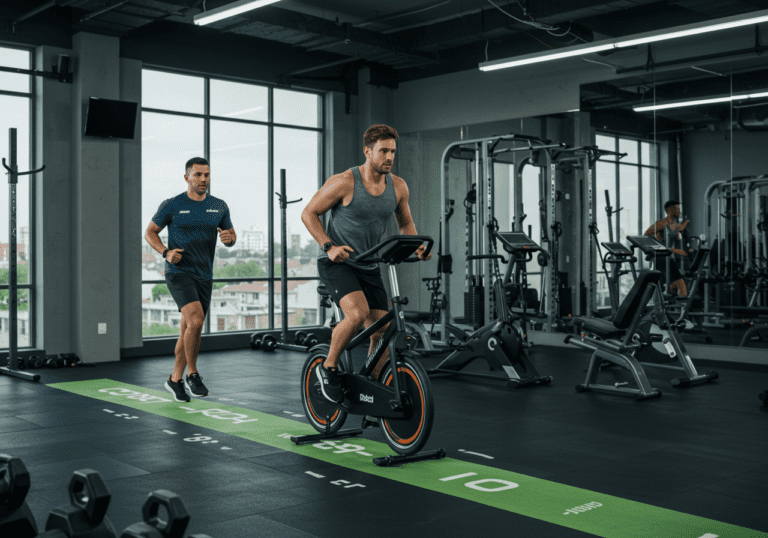
Cardio days: Zone 2 for 30–45 minutes, nasal if possible. Track HR with Garmin/Polar; upload to Strava. If HR drifts too high nose‑only, reduce pace or switch to mixed breathing.
Mobility days: 10 minutes of flowing stretches (hips, T‑spine, ankles) while maintaining 4‑in/6‑out. This pairs positional work with autonomic calm.
Progress tracking: Check morning HRV with Oura, WHOOP, or HRV4Training (camera‑based works too). Add a simple note in MyFitnessPal about sleep quality and soreness. Look for trends, not perfect numbers.
Timed Breathing Protocols for Training and Evening Sessions
Caption: Use this plain‑text plan to layer breathwork into strength, cardio, and mobility.
Weeks 1–2 (Beginner): Breathwork 5 min post‑session x3; Strength 2x full‑body 3x10 @ RPE 6; Cardio Zone 2 2x30 min nose‑only; Mobility 10 min/day.

Weeks 3–4 (Beginner+): Breathwork 6–8 min post‑session x3 + 1 evening 8 min; Strength 3x/week 3x8 @ RPE 7; Cardio Zone 2 2x35 min; Add CO₂ walk 1x10 min.

Weeks 5–6 (Intermediate): Breathwork 8–10 min post‑session x3 + 2 evenings 10 min; Strength 3x/week 4x6–8 @ RPE 7–8; Cardio 1x Zone 2 40–45 min + 1x tempo 20 min (nasal if possible); Mobility 12–15 min/day.

Weeks 7–8 (Advanced): Breathwork 10 min post‑session x3 + 2 evenings 12 min; Strength 3–4x/week with one heavier day @ RPE 8; Cardio 1x Zone 2 45–60 min + intervals 6x2 min easy nasal recoveries; Mobility 15 min/day.

Maintenance (ongoing): Keep 5–10 min after workouts and 2 evening sessions weekly; adjust volume to match training load and life stress.
How to level up: Increase breathwork time first, then complexity (add CO₂ walk, then nasal tempo). If breath feels tight or anxious, step back to the prior week.
Outcome check: In practice, clients who keep the evening session plus post‑workout downshift report better sleep onset and fewer heavy‑leg mornings. My own resting heart rate trends lower and HRV steadier during blocks when I’m consistent. Individual responses vary, but the trend aligns with practice‑based observations.
Eight-Week Plan From Beginner to Advanced Recovery
Frequency: 5–10 minutes after each training session, plus 2–3 longer evening sessions per week. Small, steady doses beat occasional marathon sessions.
Intensity: Keep the breath light and quiet. If you feel dizzy or air‑hungry, shorten the exhale, pause, or switch to gentle equal breathing.
Common mistakes: Forcing big breaths, skipping the cooldown, or trying advanced holds too soon. Let the diaphragm do the work; keep the neck and shoulders relaxed.
Plateaus or high stress weeks: Reduce training volume by 10–20% and favor longer evening sessions. Use morning HRV/resting HR as a guide; look for multi‑day dips or unusually restless sleep.
Nasal congestion: Try a steamy shower, saline rinse, or mouth‑tape only if safe and comfortable. Side‑lying positions can help you relax into nasal breathing.
Injury or pain: Keep breathwork; shorten sessions and choose pain‑free positions. Many clients find it easier to stay consistent when they can still “train” the breath.
Nutrition & recovery: Aim for protein around 1.6–2.2 g/kg/day, hydrate well (include electrolytes on sweaty days), and set a caffeine curfew well before bedtime. Some clients benefit from a modest evening magnesium glycinate after medical clearance. Sleep 7–9 hours when possible.
Tools I use: Strava or Garmin Connect for cardio; HRV4Training, Oura, or WHOOP for HRV; MyFitnessPal for food and sleep notes; a simple interval timer for breath cadence.
Next steps: Save this plan, set calendar reminders, and start with today’s workout cooldown. If you want my printable cadence guides and timers.
Medical Disclaimer: The information provided on this website is for informational and educational purposes only and is not intended as personal medical or health advice. The content, including text, graphics, and images, is not a substitute for professional medical advice, diagnosis, or treatment. Always seek the advice of your physician or other qualified healthcare provider…
Medical Disclaimer: The information provided on this website is for informational and educational purposes only and is not intended as personal medical or health advice. The content, including text, graphics, and images, is not a substitute for professional medical advice, diagnosis, or treatment. Always seek the advice of your physician or other qualified healthcare provider…
Medical Disclaimer: The information provided on this website is for informational and educational purposes only and is not intended as personal medical or health advice. The content, including text, graphics, and images, is not a substitute for professional medical advice, diagnosis, or treatment. Always seek the advice of your physician or other qualified healthcare provider…
Medical Disclaimer: The information provided on this website is for informational and educational purposes only and is not intended as personal medical or health advice. The content, including text, graphics, and images, is not a substitute for professional medical advice, diagnosis, or treatment. Always seek the advice of your physician or other qualified healthcare provider…
Medical Disclaimer: The information provided on this website is for informational and educational purposes only and is not intended as personal medical or health advice. The content, including text, graphics, and images, is not a substitute for professional medical advice, diagnosis, or treatment. Always seek the advice of your physician or other qualified healthcare provider…
Medical Disclaimer: The information provided on this website is for informational and educational purposes only and is not intended as personal medical or health advice. The content, including text, graphics, and images, is not a substitute for professional medical advice, diagnosis, or treatment. Always seek the advice of your physician or other qualified healthcare provider…