Medical Disclaimer: The information provided on this website is for informational and educational purposes only and is not intended as personal medical or health advice. The content, including text, graphics, and images, is not a substitute for professional medical advice, diagnosis, or treatment. Always seek the advice of your physician or other qualified healthcare provider with any questions you may have regarding a medical condition or before starting any new exercise, nutrition, or supplement program. Never disregard professional medical advice or delay in seeking it because of something you have read on this blog. Reliance on any information provided by this site is solely at your own risk.
A balanced supplement stack accelerates recovery and boosts performance when it’s aligned with your training, sleep, and nutrition. You’ll learn how to build, time, and adjust a safe, results-driven stack.
Direct answer: A balanced supplement stack pairs proven basics with dose and timing matched to your training, recovery needs, and tolerance.
Why Supplements Multiply Effort When Foundations Are Solid
Supplements are multipliers, not magic. When your training, protein, sleep, and hydration are consistent, the right additions can reduce fatigue, support tissue repair, and improve repeat effort.
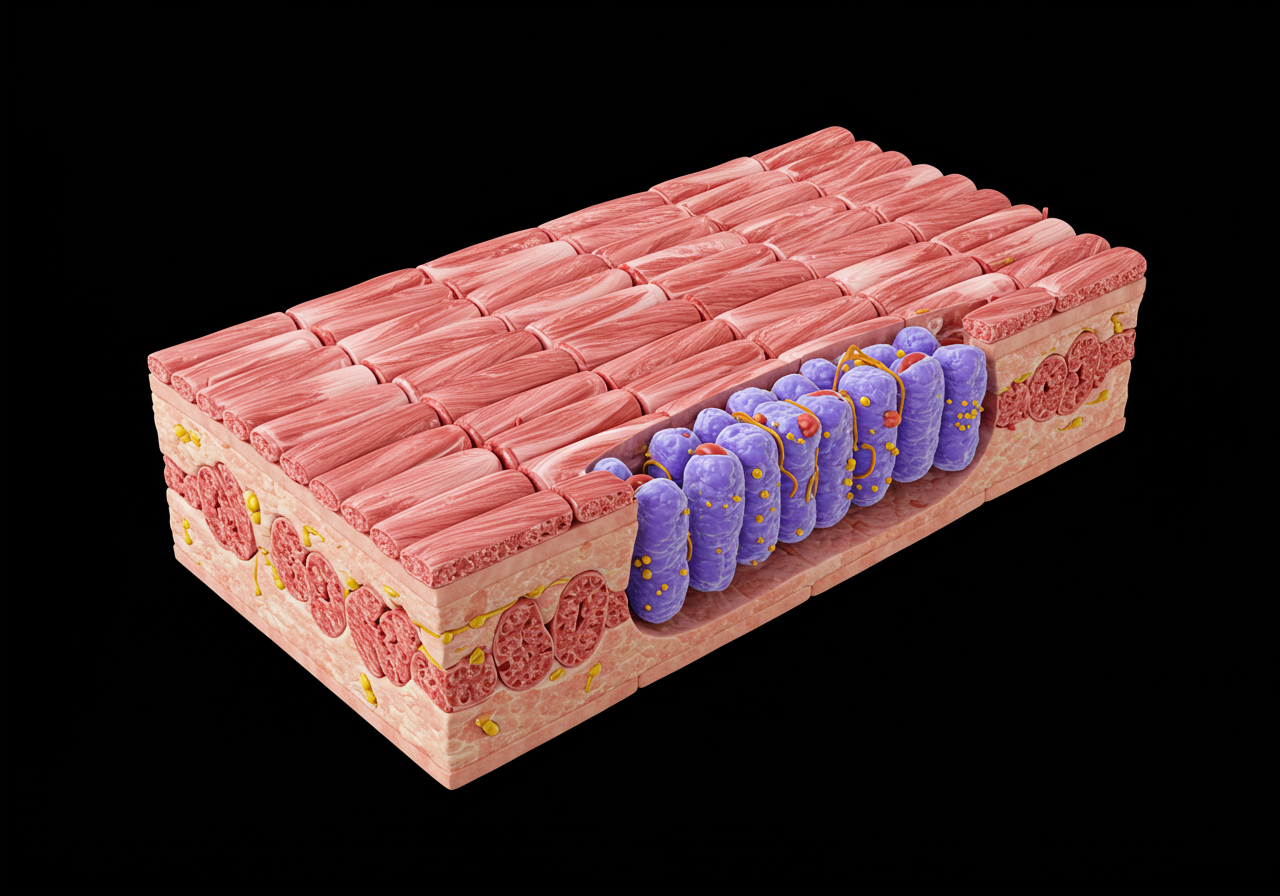
Physiology in brief: protein provides amino acids for muscle repair; creatine increases phosphocreatine for short, intense efforts and supports training volume; electrolytes help maintain plasma volume and nerve conduction during sweat-heavy sessions; omega-3s may aid soreness and joint comfort; vitamin D supports bone and immune function when deficient; magnesium helps muscle relaxation and sleep quality. Caffeine and beta-alanine are optional performance layers for certain sessions.
In clients and in practice studies, consistent basics (protein + creatine + hydration/electrolytes) deliver the most reliable improvements. Ergogenic extras help when layered with intent. If you already sleep poorly or undereat, supplements won’t fix the foundation—start there.
Audit Basics, Choose Core Stack, Time Your Doses
Follow this checklist to build your stack and tie it to your training.
Audit foundations (10 minutes): Log a typical day in MyFitnessPal; check protein (aim 1.6–2.2 g/kg/day), water intake, and sleep (7–9 hours). Note training volume and hardest days in your calendar app.
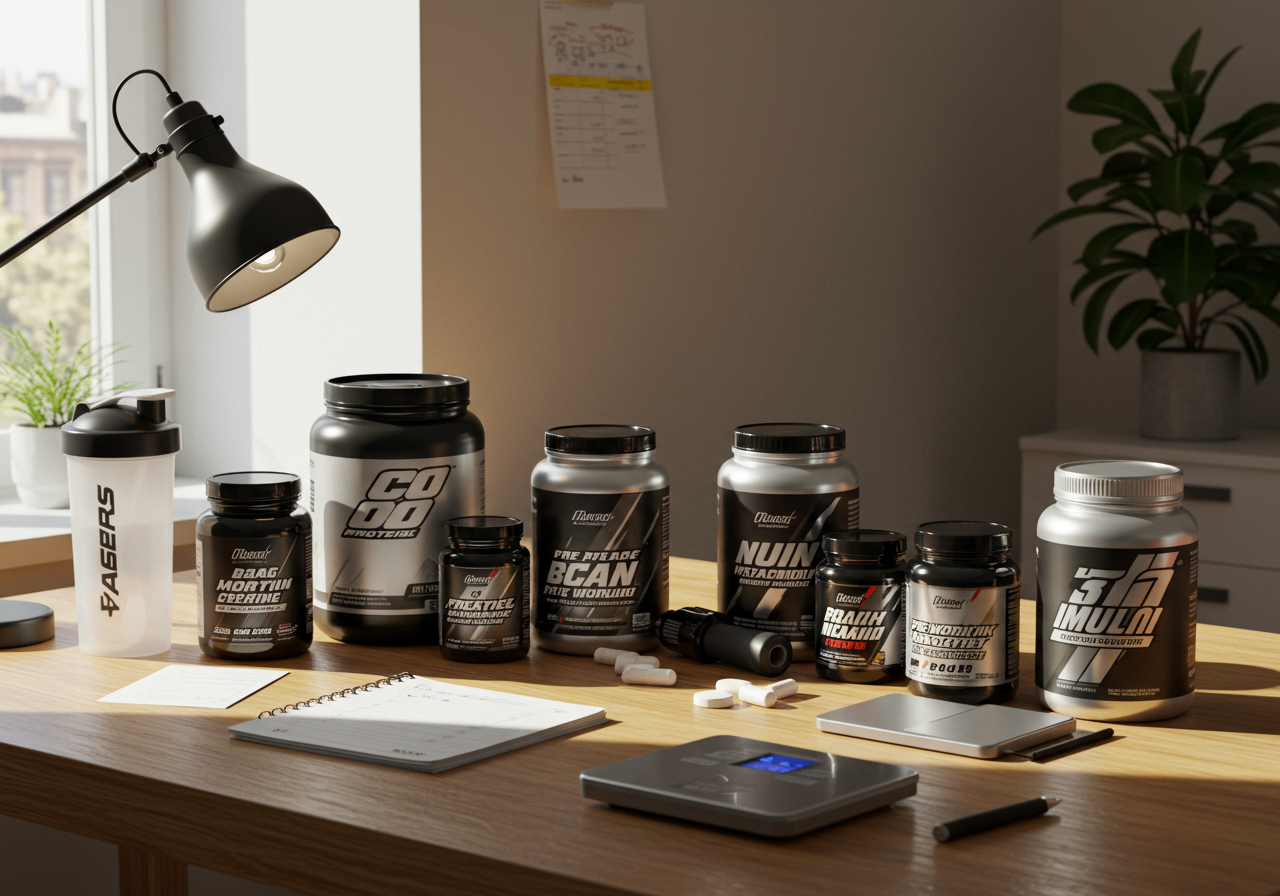
Choose your core stack (start here):
Protein (whey, casein, or high-quality plant blend): Use to hit your daily protein target, not as a meal replacement unless planned.
Creatine monohydrate: 3–5 g/day, any time, with or without loading. Drink extra water.
Electrolytes: For long/hot sessions or heavy sweaters, 500–1,000 mg sodium/hour, plus potassium and magnesium. Adjust if you have blood pressure concerns.
Omega‑3 (EPA+DHA): Roughly 1–2 g/day combined. If you eat fatty fish 2–3×/week, you may need less.
Vitamin D: Dose based on a blood test; many use 1,000–2,000 IU/day if low. Discuss with your clinician.
Magnesium glycinate: 200–400 mg elemental at night for muscle relaxation and sleep quality.
Performance add‑ons (optional and targeted):
Caffeine: 1–3 mg/kg, 30–60 minutes pre hard sessions. Start low. Avoid late-day doses to protect sleep.
Beta‑alanine: 3.2–6.4 g/day split into small doses; may help repeated efforts (1–4 minute intervals). Expect harmless tingles.
Collagen or gelatin: 10–15 g with 50 mg vitamin C, 30–60 minutes before tendon/ligament rehab or jump/plyo sessions.
Tart cherry: Consider 240–480 ml juice or standardized capsules in heavy blocks for soreness; using it all year may slightly blunt adaptations—deploy strategically.
Timing around training:
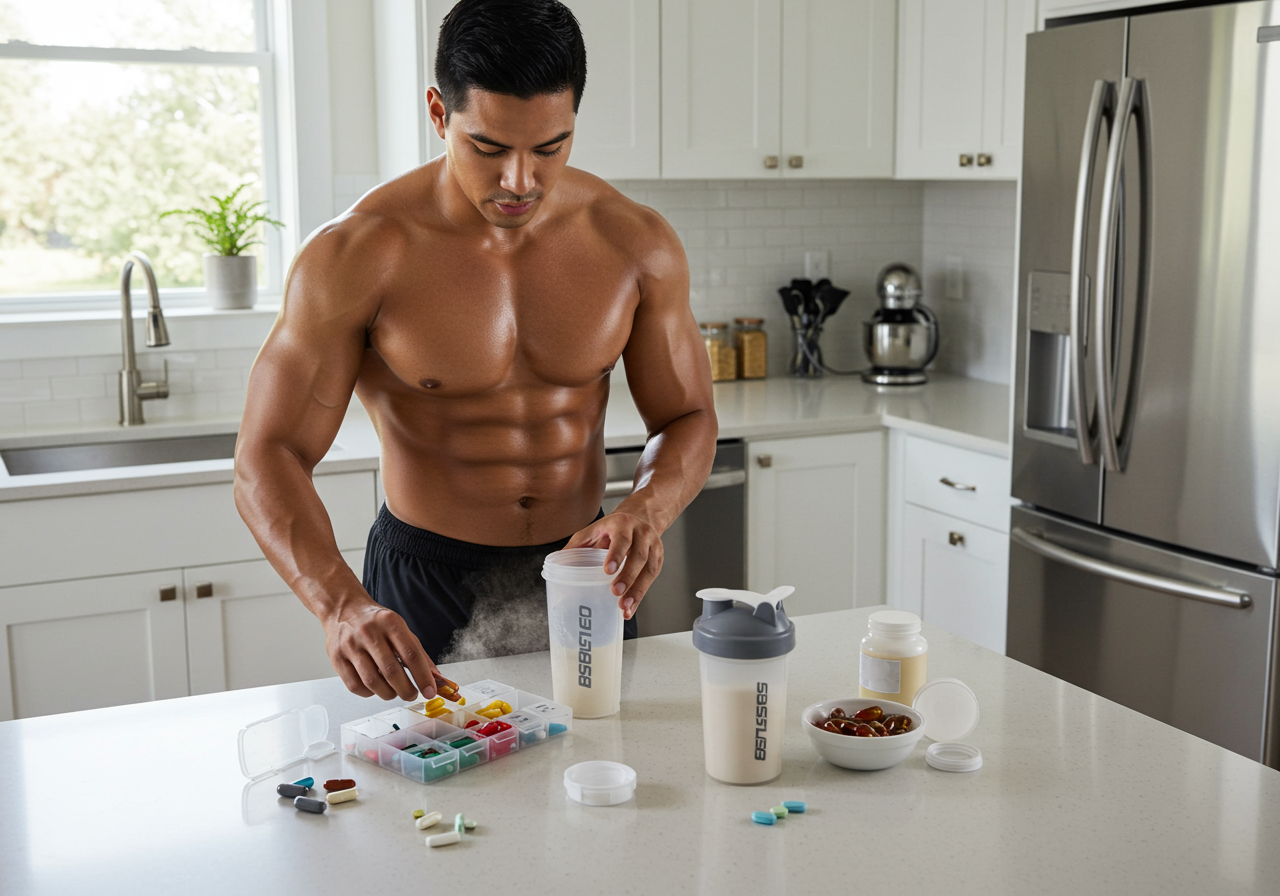
Pre (60–30 min): water + electrolytes if hot; caffeine (if using); small protein/carb snack if training fasted bothers you.
Post (0–2 hours): protein to meet daily target; creatine anytime; electrolytes to replace sweat; carb refeed if double days.
Evening: magnesium; tart cherry on hard blocks; casein before bed if pushing muscle gain.
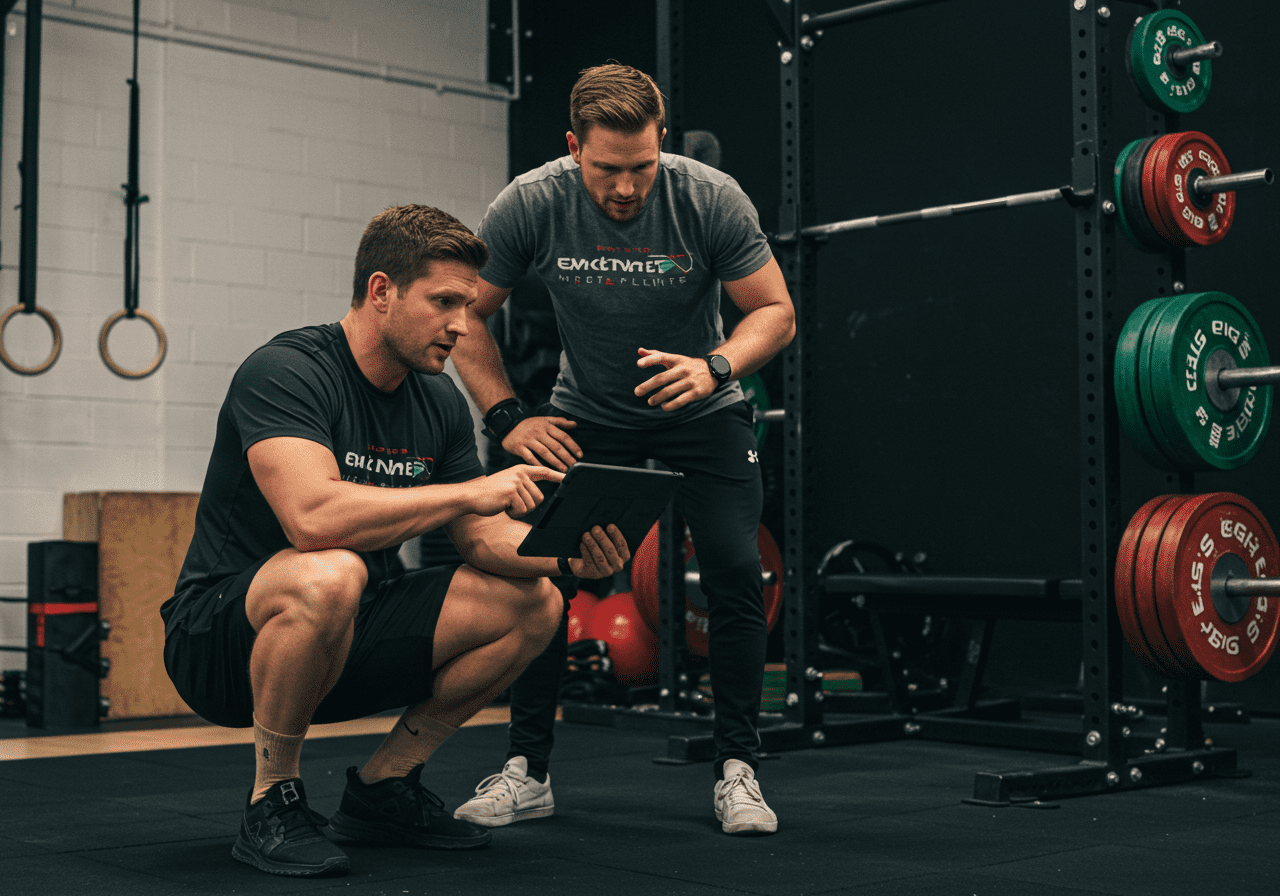
Track and adjust: Use Garmin/Fitbit or Strava for session logs, and note RPE, heart rate zones, and next-day soreness. If sleep or HRV dips for 3+ days, reduce stimulants and training load.
Real‑world example (my week): Monday strength 45 minutes (RPE 7, top set 3×5 squat), Zone 2 run 30 minutes at 130–140 bpm. Pre-lift: 2 mg/kg caffeine, electrolytes; post: 30 g whey + 5 g creatine. Evening: 300 mg magnesium. Sleep: 7.5 hours (Whoop HRV stable). Soreness manageable by Wednesday.
Client note: “As a shift‑working nurse, I kept missing protein targets. Adding a shake at lunch and magnesium at night cut my soreness and improved sleep in two weeks.”
Eight-Week Roadmap from Basics to Targeted Ergogenics
Ramp your stack gradually so you can isolate what actually helps.
Caption: 8‑week roadmap pairing supplements with training focus.
Week 1–2: Baseline & Basics — Log food/sleep; add protein (to target), creatine 3–5 g/day, electrolytes on hot/long days.

Week 3–4: Timing & Consistency — Dial pre/post timing; add omega‑3 daily; test vitamin D if possible; magnesium nightly.

Week 5–6: Targeted Ergogenics — Introduce caffeine (1–2 mg/kg) before hard days; start beta‑alanine (split doses). Note sleep impact.

Week 7–8: Personalize & Review — Adjust sodium per sweat rate; use tart cherry only on brutal weeks; consider casein pre‑bed in hypertrophy blocks.
Beginner: Keep it simple—protein, creatine, electrolytes. Skip stimulants until sleep is steady and RPE trends down week to week.
Intermediate: Add caffeine only to interval or heavy strength days; consider beta‑alanine during conditioning cycles of 4–8 weeks.
Advanced: Periodize—deload caffeine every 4–6 weeks; deploy tart cherry for competition tapers; use collagen + vitamin C before tendon‑heavy sessions.
Training tie‑in: Track performance markers—e.g., repeat sprint power, 5×5 load at RPE 7, Zone 2 pace at the same heart rate. If these climb while sleep stays stable, your stack is supporting adaptation.
Dose Frequency, Safety Checks, and Troubleshooting Plateaus
Frequency and intensity: Use electrolytes on long/hot days; caffeine no more than 3–4 times weekly to protect sleep and sensitivity. Keep creatine daily; protein spread across 3–5 meals.
Safety: If you’re pregnant, nursing, on medication, or have cardiovascular, kidney, or blood pressure concerns, speak with a clinician first. Tested athletes: verify third‑party certification (NSF Certified for Sport/Informed Sport).
Troubleshooting: Plateaus—check calories and sleep first, then creatine adherence. Overtraining signs—elevated resting HR, irritable mood, declining HRV; cut stimulants and reduce volume for 5–7 days. Motivation dips—simplify: one core stack dose and a 20‑minute Zone 2 session to rebuild momentum.
Monitoring: Use simple metrics—weekly average sleep, morning energy (1–5), session RPE, and one performance proxy (e.g., 3 km pace or 3×5 load). Adjust only one variable per week.
Next steps: Save this plan, audit your basics, and start Week 1 today.
Medical Disclaimer: The information provided on this website is for informational and educational purposes only and is not intended as personal medical or health advice. The content, including text, graphics, and images, is not a substitute for professional medical advice, diagnosis, or treatment. Always seek the advice of your physician or other qualified healthcare provider…
Medical Disclaimer: The information provided on this website is for informational and educational purposes only and is not intended as personal medical or health advice. The content, including text, graphics, and images, is not a substitute for professional medical advice, diagnosis, or treatment. Always seek the advice of your physician or other qualified healthcare provider…
Medical Disclaimer: The information provided on this website is for informational and educational purposes only and is not intended as personal medical or health advice. The content, including text, graphics, and images, is not a substitute for professional medical advice, diagnosis, or treatment. Always seek the advice of your physician or other qualified healthcare provider…
Medical Disclaimer: The information provided on this website is for informational and educational purposes only and is not intended as personal medical or health advice. The content, including text, graphics, and images, is not a substitute for professional medical advice, diagnosis, or treatment. Always seek the advice of your physician or other qualified healthcare provider…
Medical Disclaimer: The information provided on this website is for informational and educational purposes only and is not intended as personal medical or health advice. The content, including text, graphics, and images, is not a substitute for professional medical advice, diagnosis, or treatment. Always seek the advice of your physician or other qualified healthcare provider…
Medical Disclaimer: The information provided on this website is for informational and educational purposes only and is not intended as personal medical or health advice. The content, including text, graphics, and images, is not a substitute for professional medical advice, diagnosis, or treatment. Always seek the advice of your physician or other qualified healthcare provider…