Medical Disclaimer: The information provided on this website is for informational and educational purposes only and is not intended as personal medical or health advice. The content, including text, graphics, and images, is not a substitute for professional medical advice, diagnosis, or treatment. Always seek the advice of your physician or other qualified healthcare provider with any questions you may have regarding a medical condition or before starting any new exercise, nutrition, or supplement program. Never disregard professional medical advice or delay in seeking it because of something you have read on this blog. Reliance on any information provided by this site is solely at your own risk.
Recovery tests drive this plan that blends strength, cardio, and mobility into one weekly system. You’ll learn simple readiness checks, clear progressions, and safe adjustments.
Quick answer: Do a weekly recovery check and adjust training intensity by 10–20% based on readiness.
Your body adapts to stress only when recovery keeps pace. Simple signals—resting heart rate (RHR), heart rate variability (HRV), grip strength or bar hang time, and jump height—reflect nervous system readiness and accumulated fatigue. In peer‑reviewed work, shifts in these markers often align with performance dips or injury risk, though individual responses vary.
Integrating strength and cardio boosts heart health, power, and daily function. Mobility preserves joint range so you move well under load. When you pair training with weekly readiness checks, you can prevent overreaching and keep gains steady.
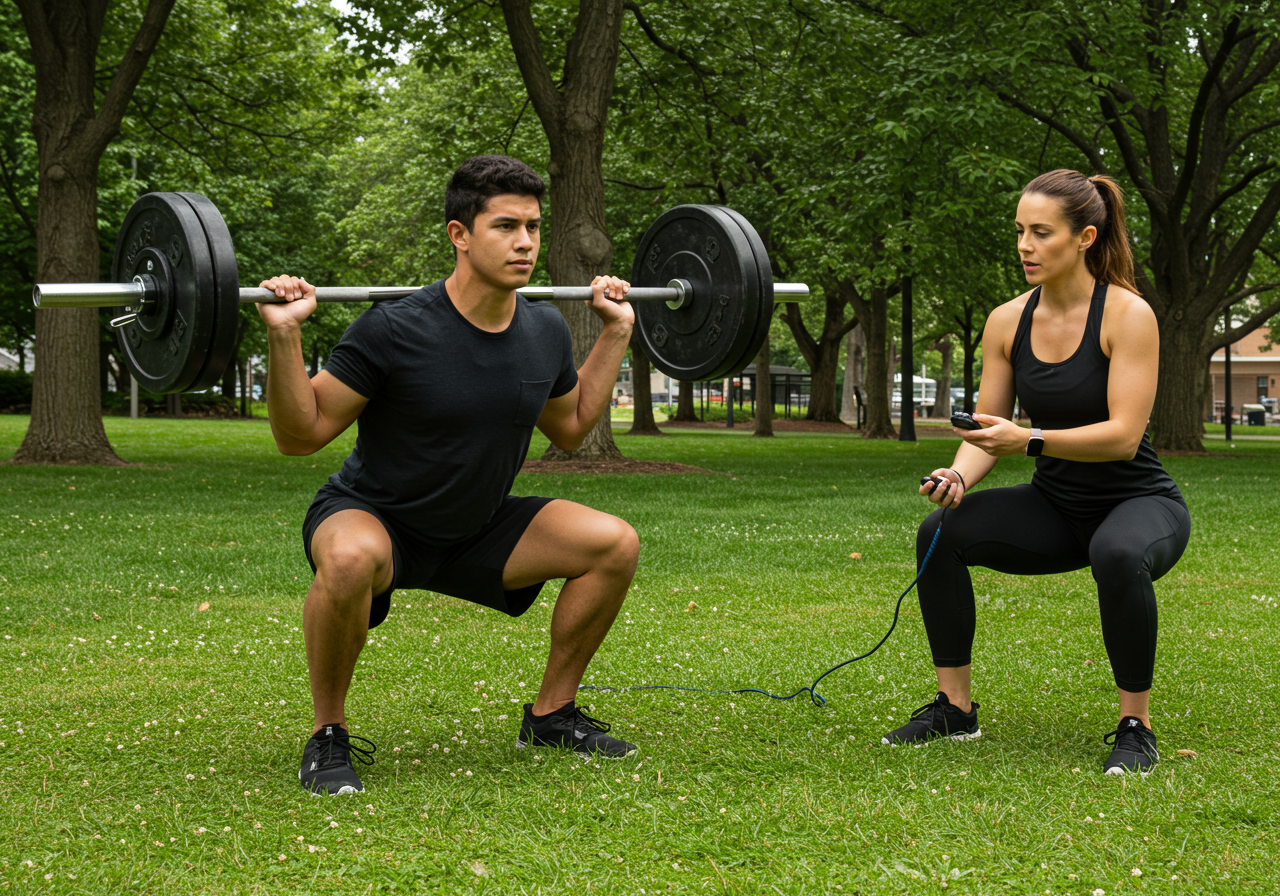
From the field: during my half‑marathon build, my RHR crept from 48 to 54 bpm and my jump height dropped ~6%. I cut volume for five days, slept more, and bounced back the next week. A client, Maya, saw similar patterns; when her hang time fell by ~10%, we skipped intervals and added easy Zone 2. She set a personal best 4 weeks later.
How to Structure Your 6-Week Cut Plan
Use simple tests to monitor recovery status weekly. Then follow this training flow that hits strength, cardio, and mobility without burning you out.
Weekly layout (4 days):
Day 1 — Strength A + Mobility: Goblet squat 3×8–10 (RPE 6–7), Push‑up or incline press 3×8–10, One‑arm row 3×10/side, Romanian deadlift 2×10. Finish with 8–10 minutes hips/ankles mobility (90/90, calf rocks, couch stretch).
Day 2 — Cardio (Zone 2): 30–45 minutes at conversational pace (roughly 60–70% max HR). If no monitor, keep it nose‑breathing easy. Optional: finish with 5 minutes easy core (dead bug, side plank).
Day 3 — Strength B + Mobility: Hip hinge (kettlebell deadlift) 3×6–8, Vertical pull (assisted pull‑up or band lat pull) 3×8–10, Overhead press 3×8–10, Split squat 2×8/side. Finish with 8–10 minutes T‑spine/shoulder mobility (open books, wall slides, band dislocates).
Day 4 — Cardio intervals: Warm up 10 minutes easy; then 6×60 seconds hard (Zone 4) with 2 minutes easy; cool down 10 minutes. Newer athletes can start with 4 repeats.
Daily micro‑mobility (5–10 minutes): Morning or evening: ankle circles, hip CARs, thoracic rotations, and 60–90 seconds of breathing (supine, long exhale) to downshift stress.
Core finisher (5–8 minutes, 2–3 days/week): Choose 2–3: plank 30–45 seconds, side plank 20–30 seconds/side, bird dog 8/side, dead bug 8/side.
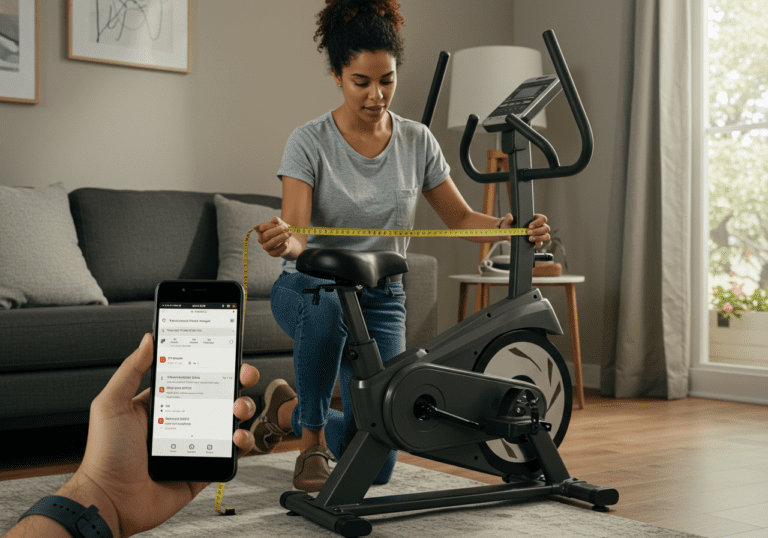
Weekly recovery test block (same morning, pre‑caffeine):
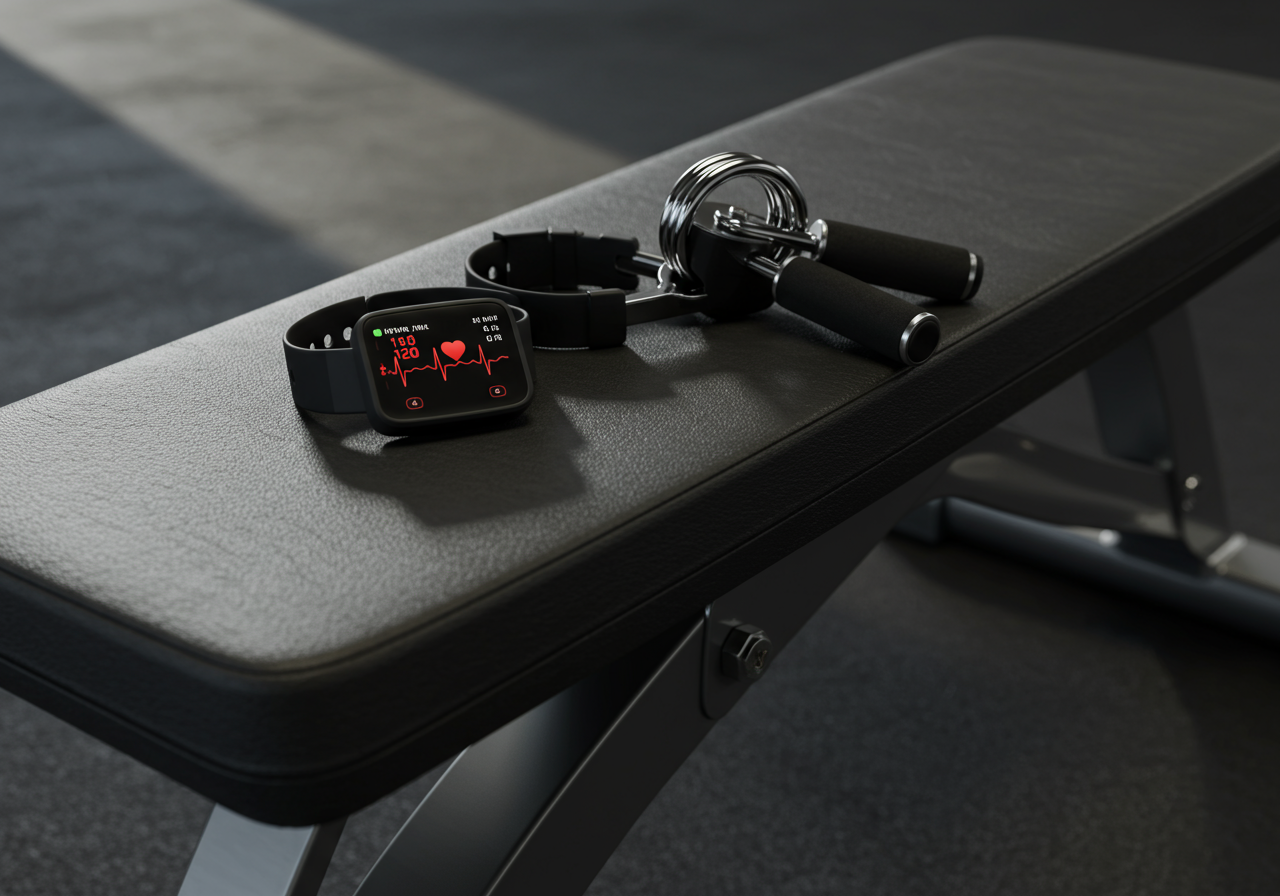
Resting heart rate: 60 seconds upon waking with a chest strap, smartwatch, or finger pulse. Track the weekly average.
HRV (60 seconds): Use HRV4Training, Oura, Whoop, or a chest‑strap app. Keep the method consistent.
Grip proxy: Best of 3 hangs from a bar (max time) or a hand dynamometer reading if available.
Jump test: Best of 3 countermovement jumps using an app (e.g., My Jump 2) or measure broad jump distance.
Green: RHR within +2 bpm of baseline, HRV within 3%, hang/jump within 3%, wellness ≥4. Train as planned.
Yellow: 3–7% dip or poor sleep. Cut volume ~15% (fewer sets) and keep intervals sub‑max.
Red: >7% dip or two negative markers. Deload ~30% and replace intervals with Zone 2 only.
Tools I use: Garmin/Strava for HR and runs; Strong or Google Sheets for sets and RPE; HRV4Training for morning HRV; MyFitnessPal for calories/macros.
Fuel + recovery basics: Protein 1.6–2.2 g/kg/day; carbs 3–5 g/kg on training days; fats 0.6–1.0 g/kg. Sleep 7–9 hours. Creatine monohydrate 3–5 g/day is optional and well‑supported for strength. Hydrate ~30–40 ml/kg/day.
Beginner to Advanced Progressions
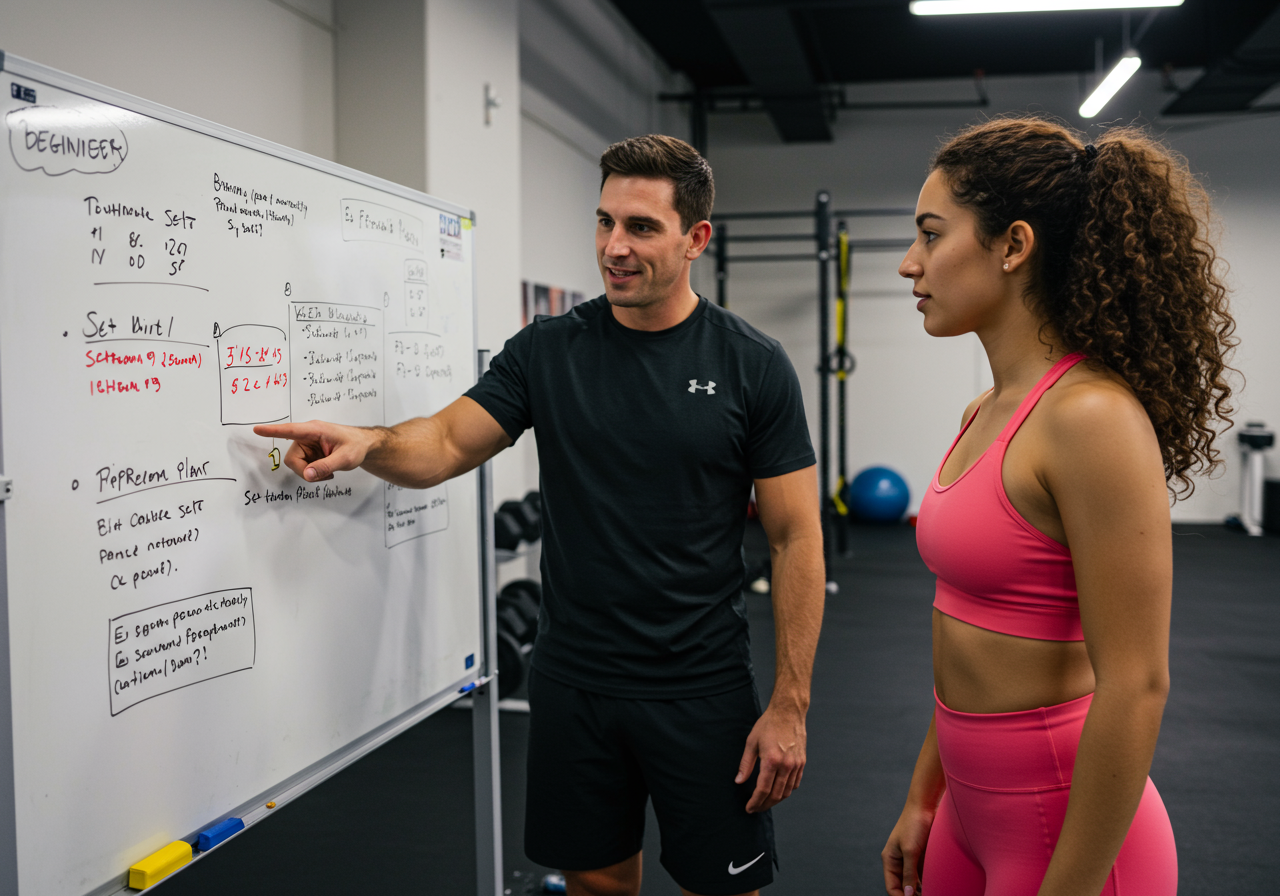
Baseline first: Pick loads that feel like RPE 6–7 (2–4 reps left). Intervals should feel hard but repeatable. We’ll scale across 12 weeks.
Caption: 12‑week roadmap of volume and intensity.
Weeks 1–4 (Base): Strength 3×8–10 @ RPE 6–7; Zone 2 = 30–40 min; Intervals = 4–5×60s Z4 (2:00 easy).
Week 5 (Deload): Strength 2×8 @ RPE 5–6; Zone 2 = 25–30 min; Skip intervals or do 3×45s Z3.
Weeks 6–8 (Build): Strength 3–4×6–8 @ RPE 7–8; add one back‑off set 12–15 reps; Zone 2 = 35–45 min; Intervals = 6×60s Z4 (2:00 easy).
Week 9 (Transitional): Strength 3×5–6 @ RPE 7–8; Zone 2 = 30–40 min; Intervals = 5×75s Z4 (2:00 easy).
Weeks 10–11 (Peak): Strength top set @ RPE 8 then 2 back‑offs ×8; Zone 2 = 40–50 min; Intervals = 6–8×60–75s Z4.
Week 12 (Re‑test): Reduce volume 40% mid‑week; test 2 km run/row time, 5RM goblet squat, plank time, and sit‑and‑reach.
Beginner tweaks: Choose lighter implements (kettlebells, dumbbells). Keep intervals to 3–5 repeats and favor brisk walking or cycling. Rest longer (2 minutes).
Intermediate tweaks: Add one accessory per session (e.g., rear‑foot elevated split squat, face pulls). Progress intervals by adding a seventh repeat or extending to 75–90 seconds.
Advanced tweaks: Use barbell variants and track tonnage. Add a Zone 5 “strides” set after intervals (4×20 seconds fast with full recovery) once every two weeks. Only if recovery stays Green.
Adjustment using readiness: If your weekly check is Yellow, drop one set per main lift and cap intervals at 4–5. Red means swap intervals for 25–35 minutes Zone 2 and keep strength at RPE 6 for the week.
Programming Tips and Safety
Frequency: Four training days work for most. If busy, run three days: Strength A, Zone 2, Strength B with short finishers.
Intensity guardrails: Most sets at RPE 6–8. Intervals feel tough but do not leave you gasping. If form slips, reduce load or stop one set early.
Common mistakes: Skipping deloads, adding random HIIT, chasing PRs on poor sleep, and ignoring joint stiffness. Fix with planned easier weeks and consistent mobility.
Plateaus: First, check sleep and protein. Next, add a small overload (2.5–5% load or +1 rep). If still stuck, change a main lift variant for 4 weeks.
Overtraining flags: RHR up >5 bpm for 3 days, HRV down, motivation low, aches growing. Act early: deload 3–7 days and prioritize Zone 2 and mobility.
Injury modifications: Sore knees? Swap squats for box squats and cycling. Cranky shoulders? Floor press and neutral‑grip rows. Pain that limits daily life needs a clinician.
Nutrition & recovery: For fat loss, aim for a 300–500 kcal deficit with higher protein. For muscle gain, a 200–300 kcal surplus works well for many. Distribute carbs around training. Creatine, whey, and vitamin D (if deficient) are pragmatic choices. Track with MyFitnessPal; reflect weekly, not daily.
Progress validation (every 4 weeks): Re‑test 2 km time, 5RM goblet squat, plank, sit‑and‑reach, and waist circumference. In practice, newcomers often see modest improvements by week 4 if sleep and nutrition are on point.
Real outcomes:
“Six weeks in, my 2 km dropped by 58 seconds and my hang time rose from 22 to 31 seconds. I also stopped waking sore.” — Maya (beginner)
“The weekly checks kept me honest. I cut volume twice and still hit a press PR in week 11.” — Dan (intermediate)
Track it: Log sessions in Strong or Google Sheets; sync cardio with Strava or Garmin. Keep a one‑page dashboard: best 2 km, best 5RM, average RHR/HRV, and wellness score.
Next steps: Run this framework for 12 weeks. Keep the weekly recovery test ritual. If you want my templates (Google Sheets + HRV guide).
Medical Disclaimer: The information provided on this website is for informational and educational purposes only and is not intended as personal medical or health advice. The content, including text, graphics, and images, is not a substitute for professional medical advice, diagnosis, or treatment. Always seek the advice of your physician or other qualified healthcare provider…
Medical Disclaimer: The information provided on this website is for informational and educational purposes only and is not intended as personal medical or health advice. The content, including text, graphics, and images, is not a substitute for professional medical advice, diagnosis, or treatment. Always seek the advice of your physician or other qualified healthcare provider…
Medical Disclaimer: The information provided on this website is for informational and educational purposes only and is not intended as personal medical or health advice. The content, including text, graphics, and images, is not a substitute for professional medical advice, diagnosis, or treatment. Always seek the advice of your physician or other qualified healthcare provider…
Medical Disclaimer: The information provided on this website is for informational and educational purposes only and is not intended as personal medical or health advice. The content, including text, graphics, and images, is not a substitute for professional medical advice, diagnosis, or treatment. Always seek the advice of your physician or other qualified healthcare provider…
Medical Disclaimer: The information provided on this website is for informational and educational purposes only and is not intended as personal medical or health advice. The content, including text, graphics, and images, is not a substitute for professional medical advice, diagnosis, or treatment. Always seek the advice of your physician or other qualified healthcare provider…
Medical Disclaimer: The information provided on this website is for informational and educational purposes only and is not intended as personal medical or health advice. The content, including text, graphics, and images, is not a substitute for professional medical advice, diagnosis, or treatment. Always seek the advice of your physician or other qualified healthcare provider…

 Recovery tests drive this plan that blends strength, cardio, and mobility into one weekly system. You’ll learn simple readiness checks, clear progressions, and safe adjustments.