Medical Disclaimer: The information provided on this website is for informational and educational purposes only and is not intended as personal medical or health advice. The content, including text, graphics, and images, is not a substitute for professional medical advice, diagnosis, or treatment. Always seek the advice of your physician or other qualified healthcare provider with any questions you may have regarding a medical condition or before starting any new exercise, nutrition, or supplement program. Never disregard professional medical advice or delay in seeking it because of something you have read on this blog. Reliance on any information provided by this site is solely at your own risk.
How to Build Strength While Traveling is simple when you use a minimal‑equipment plan with smart progressions. In this guide, you’ll learn efficient sessions, loading tactics, and recovery for the road.
Quick answer: A backpack, one band, and two 30‑minute sessions are enough to maintain and build strength on the road.
Travel throws off routines, but muscles respond to tension, not fancy machines. You can create enough mechanical tension with unilateral moves, slow tempos, and isometric holds. Longer‑lever positions (e.g., feet‑elevated push‑ups) and loaded backpacks raise intensity without a barbell.
In practice, simple progress markers—more reps at the same rate of perceived exertion (RPE), longer holds, or shorter rests—drive gains. Peer‑reviewed studies often show bodyweight and band work improves strength when progressed sensibly, especially in newer lifters.
Client snapshots from my travel logs: Maya boosted her push‑ups from 6 to 16 over six weeks while hopping time zones. Jon maintained a 1.8× bodyweight deadlift back home after four weeks of backpack loading and split squats on the road. Anecdotal, yes—but consistent with what many coaches see.
Wearables help keep effort honest: I aim for strength sets near RPE 7–9, with heart rate spiking briefly into Zone 3, then settling in Zone 1–2 between sets (Garmin/Apple Watch). That pattern signals productive tension without turning your lift into cardio.
How to Train Effectively While Traveling
Your travel strength kit
Backpack or duffel (load with water bottles/books).
One medium resistance band (loop or tube).
Towel or bedsheet (makeshift anchor/suspension).
Optional: jump rope, mini‑band, sliders (or hotel socks on carpet).
Session design (30–35 minutes)
Warm‑up (5 min): brisk walk or rope 2 min → hip openers and thoracic rotations → 10 slow air squats + 10 scapular push‑ups.
Main sets (20–25 min): 2 blocks, each 2–3 rounds. Work at RPE 7–8 most sets; last round can touch RPE 9 if safe.
Doorframe/Towel Row (or band row): 3×8–12. Chest proud, elbows 30–45°.
Backpack Z‑Press (floor): 3×6–10. Sit tall, abs tight, no lumbar arch.
Suitcase Carry (hallway laps): 3×30–60 seconds/side. Walk slow, ribs stacked.
Coaching cues that travel well
Slow the eccentric: 3–4 seconds down increases tension fast.
Use long‑lever isometrics: 20–40‑second push‑up plank holds or split‑squat pauses near the bottom.
Shift to unilateral work for intensity without heavy loads.
Load targets
Backpack: start 8–12 kg if new; 12–20+ kg if experienced. Add a bottle or book weekly when RPE drops.
Bands: step farther for more tension; pause at peak contraction.
Tracking while on the road
Log sets/reps/RPE in Strong or Google Sheets. Note pack weight, rest times, and hotel obstacles.
Wearable: mark a strength tag in Strava/Garmin; average HR can stay low, but note peaks during sets.
Nutrition: track protein in MyFitnessPal; aim roughly 1.6–2.2 g/kg/day; hit breakfast protein early (Greek yogurt, eggs, or a shaker).
Recovery when schedules are messy
Sleep: maximize first 90 minutes—dark room, cool temp, phone away.
Hydration: 500–750 ml water on waking; add electrolytes after long flights.
Jet lag: sunlight and a 10–15 min walk before your first session helps.
“Two 30‑minute sessions in Singapore and Dubai kept my shoulders stable. The suitcase carries were a surprise win.” — Lena, frequent flyer
Beginner to Advanced Progressions
How to move forward, even when your schedule is chaos
Use these levers: add reps, add load to the backpack, slow the eccentric, or trim 10–15 seconds from rests. If a joint gets cranky, reduce range slightly and lengthen the tempo.
Caption: 6‑week travel strength progression. Pick the level that fits you; move up when top sets feel ≤ RPE 7.
Week 3–4: Beginner—add 1–2 reps/set or slight pack load; Intermediate—keep reps, shorten rest to 60–75 s; Advanced—pause 1–2 s at bottom of squats/push‑ups, add hallway carries to 45–60 s.
Week 5: Beginner—progress push‑ups to lower incline; Intermediate—progress to feet‑elevated push‑ups or deeper ROM rows; Advanced—cluster tough sets (e.g., 4+4 reps with 20–30 s between mini‑sets) to maintain high quality.
Week 6 (Deload or Test): Beginner—reduce rounds by 30–40%; Intermediate—keep load, cut sets by one; Advanced—test max quality reps at RPE 9 on one movement per pattern, then back off.
Level‑specific checklists
Beginner: Own technique, breathe through the brace, and keep RPE ≤8. If you hit 12 reps cleanly, add a book to the pack next time.
Intermediate: Prioritize tempo and carries. If pull volume stalls, add one extra back‑off set at RPE 6–7.
Advanced: Use density blocks (10 minutes to accrue quality volume). When joints feel stiff, swap to isometrics at mid‑range for a week.
Hotel gym variant (if you find dumbbells)
Day A: Goblet squat, DB bench, hip hinge, chest‑supported row, side plank.
Day B: Split squat, single‑arm press, Romanian deadlift, pull‑down/row, suitcase carry.
Work 3×6–10 at RPE 7–9; same progression levers apply.
Programming Tips and Safety
Frequency and intensity
Minimum effective dose: 2 sessions/week, 30–35 minutes each. Add a third session on calmer weeks.
Intensity: aim RPE 7–9 on final sets. If form wobbles, reduce load and slow the tempo.
Common pitfalls
Everything becomes cardio: protect rest times so sets stay strong.
Skipping pulls: rows/band pulls each session keep shoulders happy.
No logging: even a quick note on pack weight and reps prevents plateaus.
Troubleshooting
Plateau: switch to unilateral or paused variations; add a density block (8–10 minutes to beat prior rep totals at same load).
Overdoing it: morning fatigue, joint ache, and worse sleep mean deload 3–7 days and walk more.
Niggles: train pain‑free ranges, add isometrics (20–30 seconds), and avoid end‑range load until calm.
Fuel and recovery on the go
Protein anchor each meal (roughly palm‑size) and 1–2 fists of produce when possible. Whole‑grain wrap + eggs + fruit works in most hotel buffets.
Hydration first thing and post‑flight; consider a basic electrolyte packet after long travel days.
Supplements if tolerated: creatine monohydrate (3–5 g/day) supports strength; caffeine timing helps alertness but avoid late evenings.
Next steps
Save this plan to your notes and start with Session A today.
Track RPE, pack weight, and reps for six weeks. If you want my spreadsheet template and band recommendations.
“I used your hallway carry trick between meetings. No pain, better posture, and I didn’t need a gym.” — Priya, consultant
Medical Disclaimer: The information provided on this website is for informational and educational purposes only and is not intended as personal medical or health advice. The content, including text, graphics, and images, is not a substitute for professional medical advice, diagnosis, or treatment. Always seek the advice of your physician or other qualified healthcare provider…
Medical Disclaimer: The information provided on this website is for informational and educational purposes only and is not intended as personal medical or health advice. The content, including text, graphics, and images, is not a substitute for professional medical advice, diagnosis, or treatment. Always seek the advice of your physician or other qualified healthcare provider…
Medical Disclaimer: The information provided on this website is for informational and educational purposes only and is not intended as personal medical or health advice. The content, including text, graphics, and images, is not a substitute for professional medical advice, diagnosis, or treatment. Always seek the advice of your physician or other qualified healthcare provider…
Medical Disclaimer: The information provided on this website is for informational and educational purposes only and is not intended as personal medical or health advice. The content, including text, graphics, and images, is not a substitute for professional medical advice, diagnosis, or treatment. Always seek the advice of your physician or other qualified healthcare provider…
Medical Disclaimer: The information provided on this website is for informational and educational purposes only and is not intended as personal medical or health advice. The content, including text, graphics, and images, is not a substitute for professional medical advice, diagnosis, or treatment. Always seek the advice of your physician or other qualified healthcare provider…
Medical Disclaimer: The information provided on this website is for informational and educational purposes only and is not intended as personal medical or health advice. The content, including text, graphics, and images, is not a substitute for professional medical advice, diagnosis, or treatment. Always seek the advice of your physician or other qualified healthcare provider…
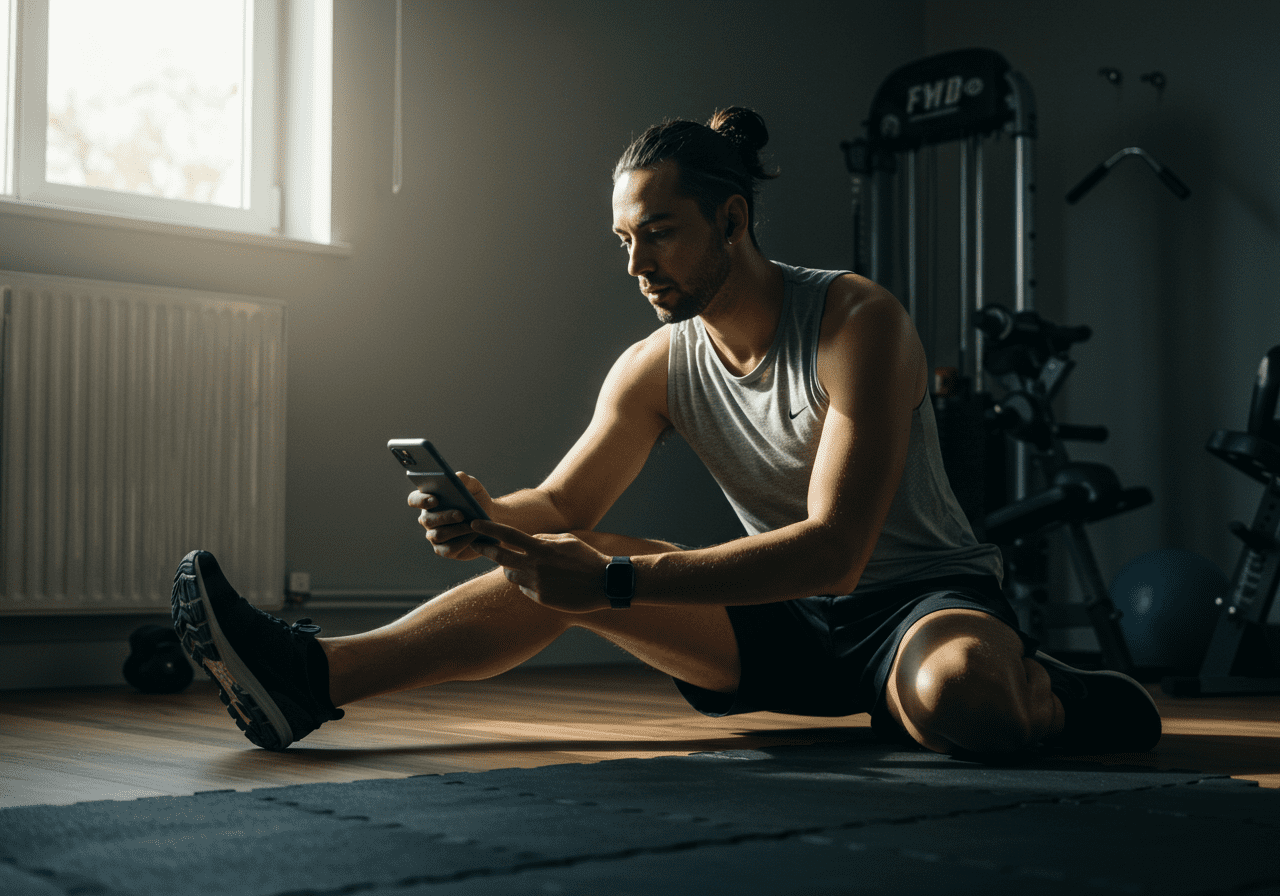
 How to Build Strength While Traveling is simple when you use a minimal‑equipment plan with smart progressions. In this guide, you’ll learn efficient sessions, loading tactics, and recovery for the road.