Medical Disclaimer: The information provided on this website is for informational and educational purposes only and is not intended as personal medical or health advice. The content, including text, graphics, and images, is not a substitute for professional medical advice, diagnosis, or treatment. Always seek the advice of your physician or other qualified healthcare provider with any questions you may have regarding a medical condition or before starting any new exercise, nutrition, or supplement program. Never disregard professional medical advice or delay in seeking it because of something you have read on this blog. Reliance on any information provided by this site is solely at your own risk.
How to improve VO2 max starts with smart intervals, steady aerobic work, and disciplined recovery. You will learn a simple, repeatable plan for lasting gains.
Direct answer: Train 4–5 days weekly—2 interval sessions, 2 easy aerobic days, and 1 longer steady session—track progress, recover hard.
VO2 max reflects how much oxygen your body can use during hard efforts. Improving it generally means a stronger heart, denser capillaries, and more efficient mitochondria. Practically, that translates to faster paces or higher power at the same effort.
Intervals near your redline nudge stroke volume and oxygen delivery. Easy aerobic time expands the engine with low stress. Tempo work bridges the gap so you can hold faster speeds longer. In coaching logs and practice-based reports, structured combinations of these elements often produce meaningful improvements within 8–12 weeks, assuming consistent sleep and fueling.
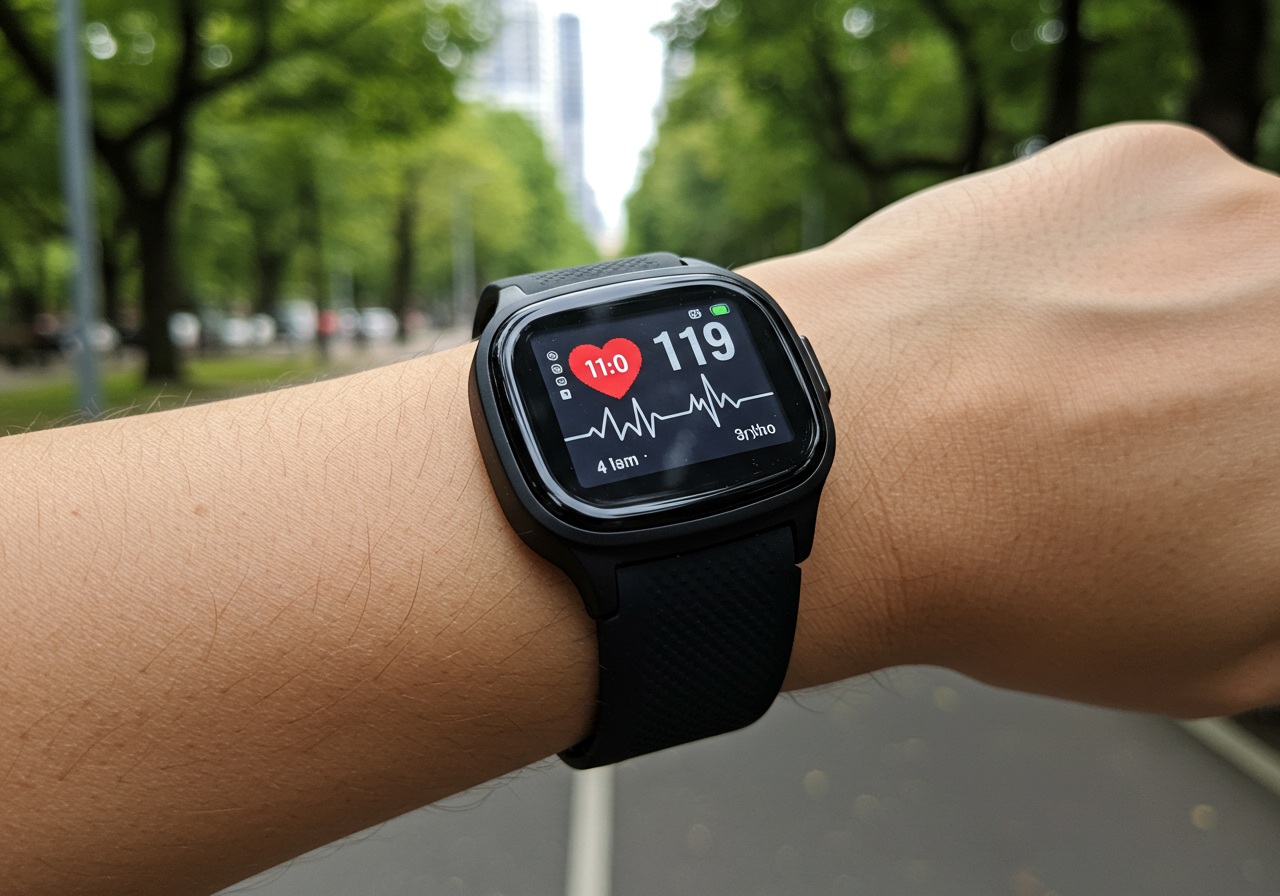
Importantly, predictions from wearables (e.g., Garmin, Fitbit, Polar) are estimates. I like to confirm changes with repeatable field tests rather than relying only on watch metrics.
How to Structure Your VO2 Max Training Block
Tools I use: Garmin or Polar for HR zones, Strava for logs, and MyFitnessPal for fueling awareness. Any timer works if you prefer RPE.
Warm-up (10–15 min): Easy movement ramping toward Zone 2. Add 4–6 short strides (10–15 seconds) to wake the legs.
Easy aerobic base (2–3 days/week): 30–70 minutes in Zone 2, nasal-breathing friendly. This builds capacity with minimal fatigue.
Key intervals (1–2 days/week):
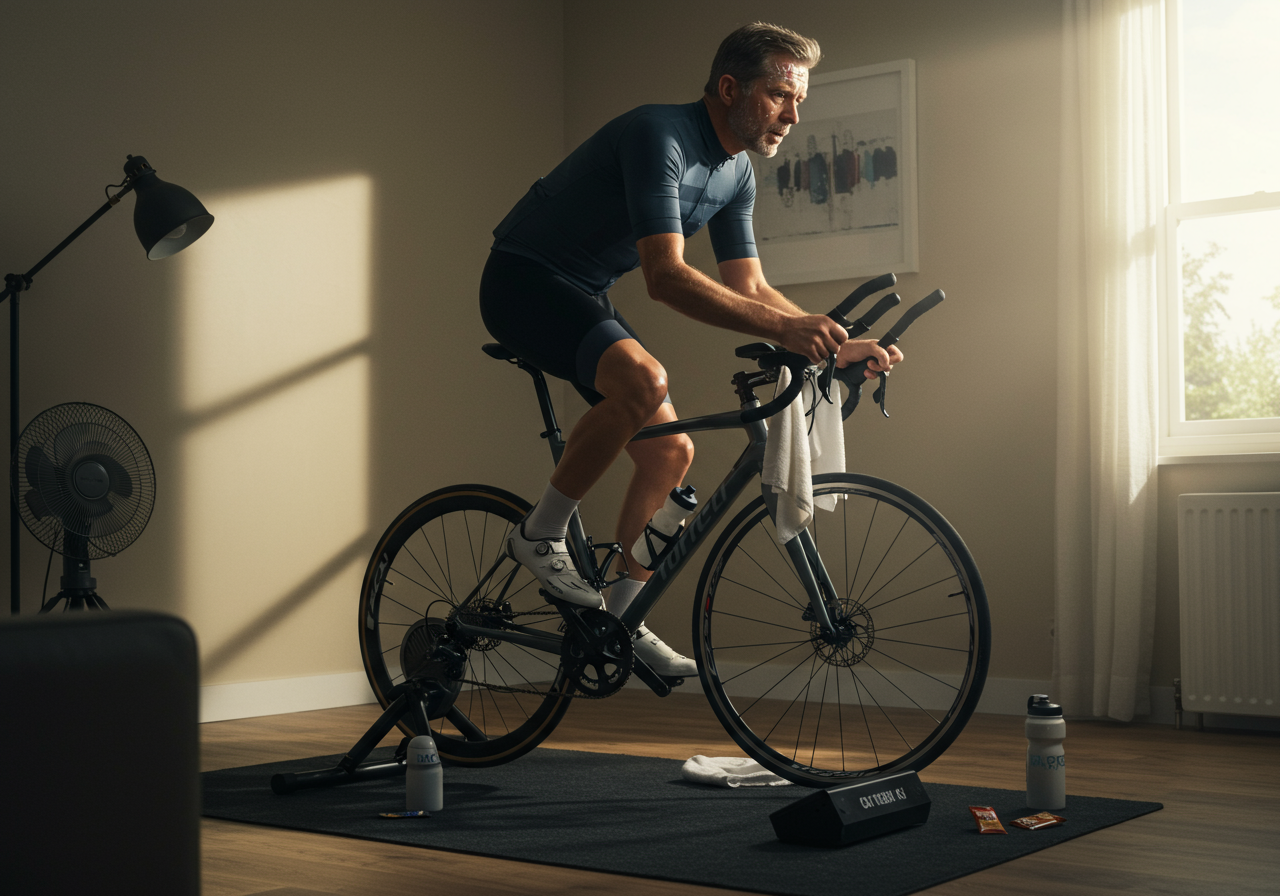
4 × 4 minutes @ Zone 4 with 3 minutes very easy between. Focus on strong but sustainable breathing.
6–10 × 1 minute @ Zone 5 with 1 minute easy. Keep form crisp; stop one rep early if technique breaks down.
Tempo bridge (1 day/week or alternate with intervals): 15–25 minutes continuous in upper Zone 3, or 2 × 12 minutes with 3 minutes easy. This stitches endurance to speed.
Long steady session (1 day/week): 60–120 minutes in Zone 2. If running, cap duration conservatively at first to protect joints.
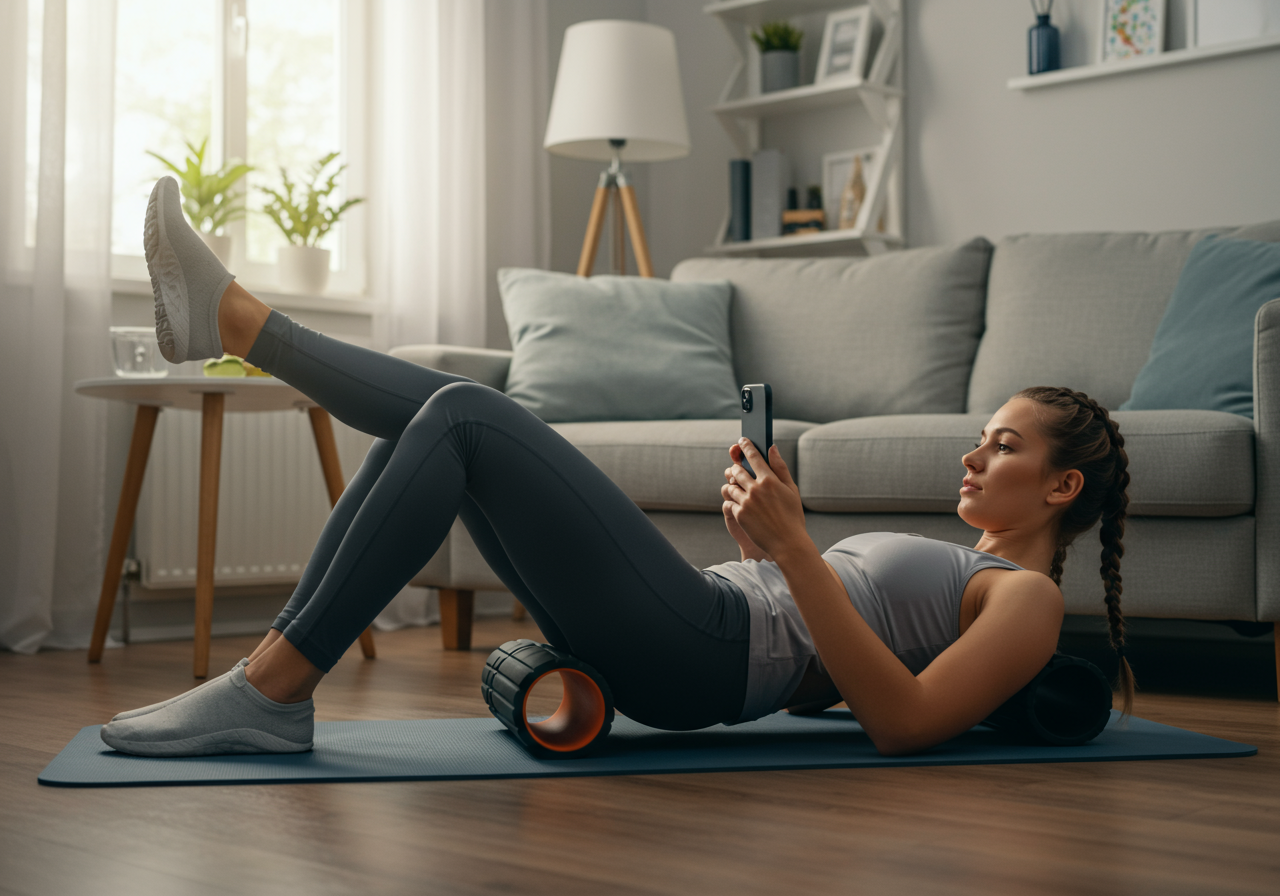
Support work (1–2 short sessions/week): Strength (20–30 minutes): squats or split squats, hip hinge, row, calf raises, and core. Mobility: ankles, hips, and thoracic spine.
Fuel & recover: Small carb snack before intervals; hydrate with electrolytes if it’s hot. Aim for protein at each meal and consistent sleep. Easy walks on rest days accelerate recovery.
Track & adjust: Log sessions in Strava. Note HR, RPE (1–10), and how legs felt next morning. Adjust volume if sleep drops or mood/legs feel heavy for several days.
Client note:
“Intervals used to scare me. Starting with 1-minute reps made it doable. After a month, my steady pace felt easier, and I wasn’t wiped the next day.”
Beginner to Advanced Progressions
Pick the track that matches your current fitness and time budget. If you feel stale for 3+ days, pull back 20–30% volume for a week.
Caption: 8-week VO2 max progression overview (use HR zones or RPE).
BEGINNER (4–5 days/week)

Week 1–2: Intervals 6×1 min Z5/1 min easy; 2× Z2 (30–45 min); Long Z2 45–75 min; Strides.

Week 3–4: Intervals 4×3 min Z4/2 min easy; 2× Z2 (35–50 min); Tempo 15 min Z3; Long 60–90 min.

Week 5 (Deload): Cut volume ~30%; swap intervals for 6×30 sec relaxed fast.

Week 6–7: Intervals 4×4 min Z4/3 min easy; 2× Z2 (40–60 min); Tempo 20 min Z3; Long 75–105 min.

Week 8 (Test): 1-mile run or 5-min best power/pace; compare HR and RPE to baseline.


INTERMEDIATE (5 days/week)

Week 1–2: Intervals 8×1 min Z5/1 min easy; Z2 ×2 (45–60 min); Tempo 2×10 min Z3; Long 75–105 min.

Week 3–4: Intervals 5×4 min Z4/3 min easy; Z2 ×2; Tempo 20–25 min; Long 90–120 min.

Week 5 (Deload): Reduce volume ~30%; keep one light tempo or strides only.

Week 6–7: Intervals 4×5 min Z4/3 min easy or 12×1 min Z5; Z2 ×2; Tempo 25 min; Long 105–120 min.

Week 8 (Test): 3k–5k time trial or 6-min best power; reassess zones.


ADVANCED (5–6 days/week)

Week 1–2: 10×1 min Z5/1 min easy; Z2 ×2 (50–70 min); Tempo 25 min Z3; Long 90–120 min.

Week 3–4: 6×4 min Z4/3 min easy; Z2 ×2; Tempo 2×15 min; Long 120–150 min.

Week 5 (Deload): Volume −35–40%; technique strides; no grinding efforts.

Week 6–7: 5×5 min Z4/3 min easy or 3×8 min Z4−; Z2 ×2; Tempo 30 min; Long 120–150 min.

Week 8 (Test): Field test + optional race; compare pace/power at same HR.
Validation suggestions: Retest the same route or interval set. Look for steady pace/power at a lower heart rate or a faster time at a similar effort. When devices estimate VO2 max, treat it as supporting context, not the only proof.
References & Further Reading
The following peer-reviewed research and authoritative guidelines support the recommendations in this article:
Frequency & balance: Most do well with 4–5 sessions weekly. Keep two genuinely easy days. Quality beats volume when life gets busy.
Common mistakes: Going too hard on easy days, stacking hard sessions, and under-fueling. If sleep gets choppy or legs feel wooden several mornings in a row, reduce intensity for 3–5 days.
Injury prevention: Progress long runs/rides gradually. For runners, sprinkle strides instead of frequent sprints. Strength train 1–2 short sessions to reinforce joints and tendons.
Plateau fixes: Swap 4×4 for 30/30s for two weeks; add a light tempo block; or increase Z2 time by 10–15% if recovery is solid. Rotate terrain or modality (bike, rower) to reduce monotony.
Fuel & recovery: Plan carbs around intervals; include protein at meals; hydrate with electrolytes when sweating heavily. Aim for a consistent bedtime routine. Light mobility after training helps you feel ready the next day.
Track your wins: Use Strava segments, a 1-mile or 3k time trial, or a 5-minute best on the bike/rower every 4–8 weeks. Watch for lower HR at the same pace or longer time at target power.
Medical Disclaimer: The information provided on this website is for informational and educational purposes only and is not intended as personal medical or health advice. The content, including text, graphics, and images, is not a substitute for professional medical advice, diagnosis, or treatment. Always seek the advice of your physician or other qualified healthcare provider…
Medical Disclaimer: The information provided on this website is for informational and educational purposes only and is not intended as personal medical or health advice. The content, including text, graphics, and images, is not a substitute for professional medical advice, diagnosis, or treatment. Always seek the advice of your physician or other qualified healthcare provider…
Medical Disclaimer: The information provided on this website is for informational and educational purposes only and is not intended as personal medical or health advice. The content, including text, graphics, and images, is not a substitute for professional medical advice, diagnosis, or treatment. Always seek the advice of your physician or other qualified healthcare provider…
Medical Disclaimer: The information provided on this website is for informational and educational purposes only and is not intended as personal medical or health advice. The content, including text, graphics, and images, is not a substitute for professional medical advice, diagnosis, or treatment. Always seek the advice of your physician or other qualified healthcare provider…
Medical Disclaimer: The information provided on this website is for informational and educational purposes only and is not intended as personal medical or health advice. The content, including text, graphics, and images, is not a substitute for professional medical advice, diagnosis, or treatment. Always seek the advice of your physician or other qualified healthcare provider…
Medical Disclaimer: The information provided on this website is for informational and educational purposes only and is not intended as personal medical or health advice. The content, including text, graphics, and images, is not a substitute for professional medical advice, diagnosis, or treatment. Always seek the advice of your physician or other qualified healthcare provider…

 How to improve VO2 max starts with smart intervals, steady aerobic work, and disciplined recovery. You will learn a simple, repeatable plan for lasting gains.