Medical Disclaimer: The information provided on this website is for informational and educational purposes only and is not intended as personal medical or health advice. The content, including text, graphics, and images, is not a substitute for professional medical advice, diagnosis, or treatment. Always seek the advice of your physician or other qualified healthcare provider with any questions you may have regarding a medical condition or before starting any new exercise, nutrition, or supplement program. Never disregard professional medical advice or delay in seeking it because of something you have read on this blog. Reliance on any information provided by this site is solely at your own risk.
The ultimate guide to recovery is not a bonus chapter—it’s the engine that drives steady progress in strength, endurance, and mobility.
Do this: sleep 7–9 hours, eat 1.6–2.2 g/kg protein, and use two active rest days weekly.
In this article, you’ll get a full, beginner-friendly framework that blends sleep, smart nutrition, and active rest with strength and cardio. You’ll see step-by-step actions, progressions from novice to advanced, and clear ways to confirm your results.
Recovery Consolidates Motor Patterns and Repairs Tissue
Recovery isn’t time off—it’s the biological reset that makes training stick. Sleep consolidates motor patterns, restores glycogen, and supports hormone pulses linked to tissue repair. In practice and in peer-reviewed research, consistent 7–9 hours correlates with better performance, lower injury rates, and steadier mood.
Nutrition refuels the work. Protein (about 1.6–2.2 g/kg) supports repair; carbohydrates scale with workload to replenish glycogen; fats round out calories and support hormones. When intake aligns with training, most beginners report fewer energy crashes and faster session-to-session recovery.
Active rest—easy movement, mobility, and breathing—boosts circulation without adding heavy fatigue. In endurance and strength settings alike, these low-intensity days help keep joints happy and reduce the urge to do “junk” hard work.
What I see in the gym: when clients track sleep and simple metrics like RPE (rate of perceived exertion) and resting heart rate, plateaus shorten and injuries drop. One client cut weekly soreness in half after adding an earlier wind-down and a 20–30 minute Zone 2 walk on off days. Individual results vary, but the pattern repeats.
Wind Down, Fuel Smart, Move Easy Daily
Sleep anchors — Aim for a consistent wake time (±30 minutes) and a 45–60 minute wind-down: dim lights, no news feeds, and light stretching. Keep the room cool and dark. If caffeine disrupts you, set a cutoff 8–10 hours before bedtime. Short naps (10–20 minutes) are fine; avoid late long naps.
Nutrition that rebuilds — Start with protein 1.6–2.2 g/kg/day, split across 3–5 meals. Scale carbohydrates to your training volume (rough guide: 3–6 g/kg for general fitness; go higher on long or intense days). Fats: ~0.8–1.0 g/kg/day. Hydration: ~30–40 ml/kg/day, adding electrolytes when it’s hot or sweat is heavy.
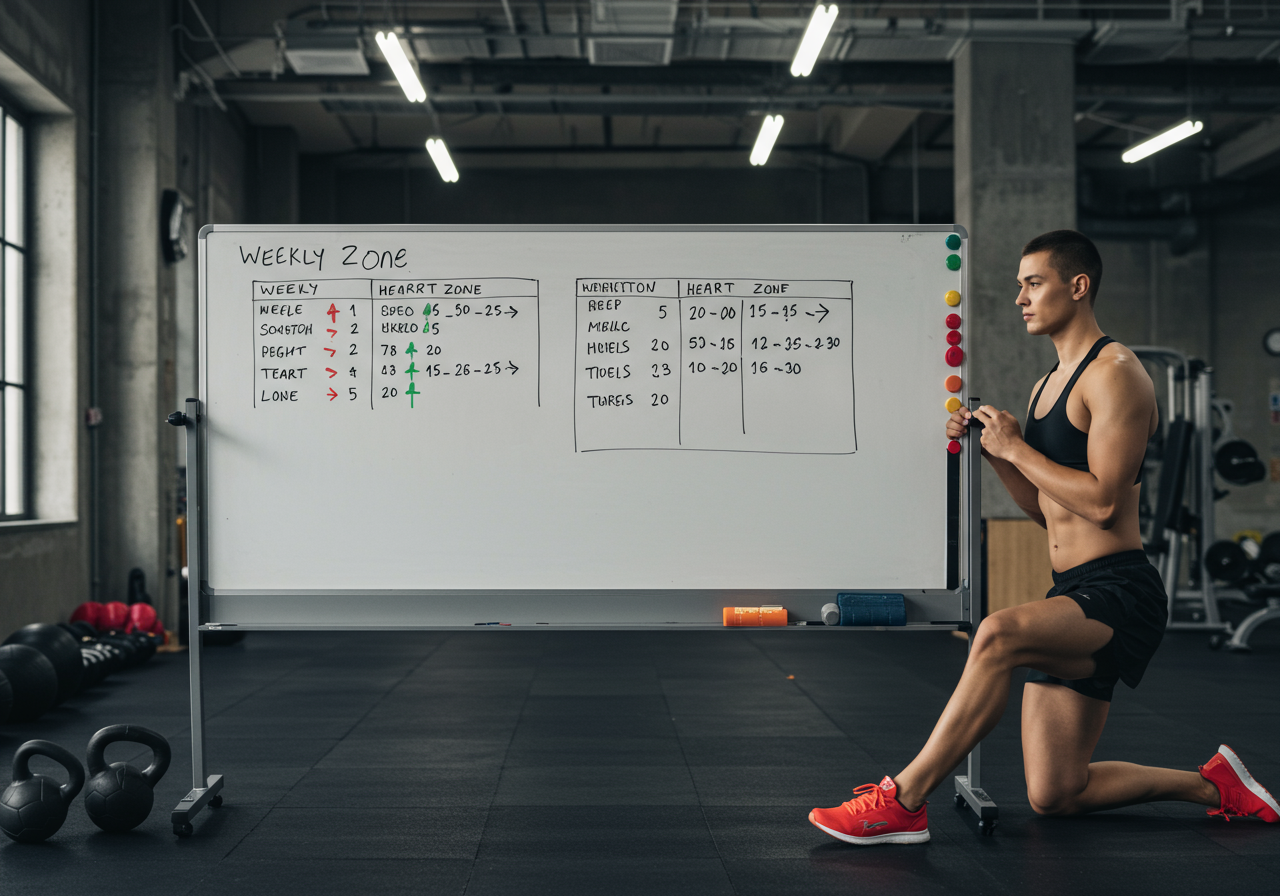
Active rest that actually helps — Two weekly sessions of 20–40 minutes in Zone 1–2 (easy nasal-breath pace), plus 10 minutes of mobility (hips, T‑spine, ankles) and 3–5 minutes of slow nasal breathing (4–6 breaths/min) to downshift your nervous system.
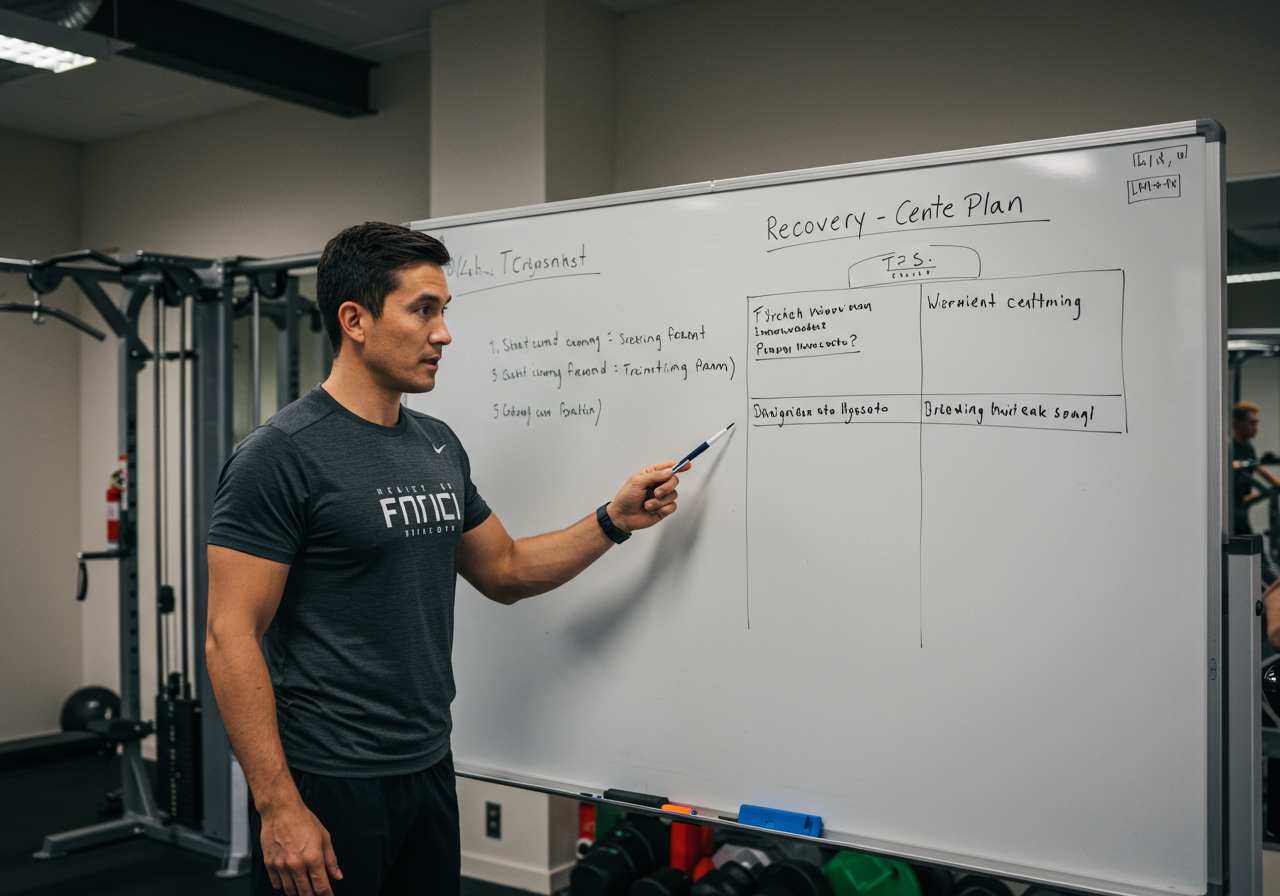
Place recovery inside the week — Separate hard strength or interval days with at least one easy day. Match carbs to hard days; keep protein steady daily.
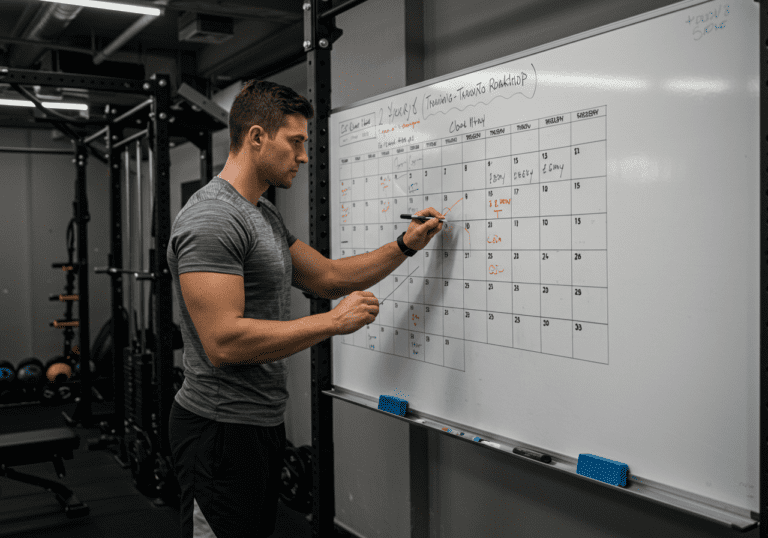
Caption: Weekly snapshot of integrated training and recovery.
Mon: Strength A (squat/hinge) 45–60 min @ RPE 6–7; evening 10 min mobility

Tue: Zone 2 cardio 30–40 min + breathing 5 min

Wed: Strength B (push/pull) 45–60 min @ RPE 6–7; protein-forward dinner

Thu: Active rest walk 25–35 min + foam roll 8 min

Fri: Intervals 4x2–3 min @ Zone 4; long cooldown

Sat: Strength C (single-leg/core) 40–50 min @ RPE 6; optional yoga 15 min

Sun: Full rest or very easy spin/walk 20–30 min
Tools that make it easier — I log food in MyFitnessPal or Cronometer, track HR and HRV with Garmin/Oura, and push runs to Strava. Quick daily metrics: resting HR, HRV trend, sleep hours, and session RPE.
Example from my log last week — Tuesday: 35 minutes Zone 2 run (avg HR 142, max 154, comfortable nasal breathing). Wednesday: Trap-bar deadlift 4×6 @ RPE 7 using ~1.25× bodyweight, supersetted with side planks. Thursday: 30-minute walk, calf mobility 10 minutes. This mix kept legs fresh for Friday intervals.
Progress from Foundation to Intensive Training Blocks
Level 1 — Weeks 1–4 (foundation)
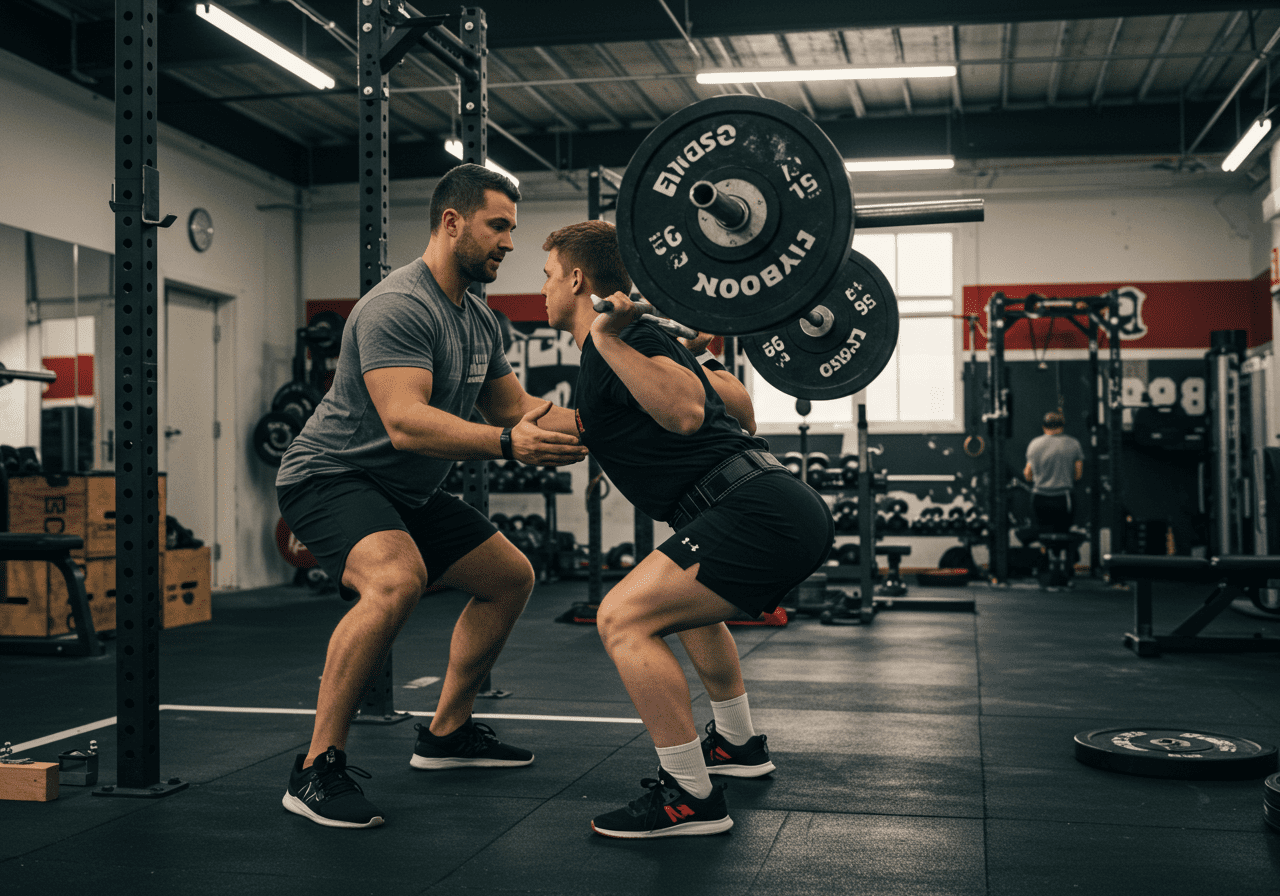
Strength: 3 days, 3 sets of 8–12 at RPE 6–7. Focus on squat/hinge/push/pull/carry.
Cardio: 2 days Zone 2, 20–35 minutes. Keep breath easy and conversational.
Active rest: 2 short sessions (walk or easy spin) + daily 10-minute mobility.
Sleep: average ≥7.5 hours. Stabilize wake time first; wind-down second.
Nutrition: hit protein target; carbs clustered around training sessions.
Progress rule: add 2.5–5% load or 1–2 reps weekly if technique is clean.
Level 2 — Weeks 5–12 (build)
Strength: 3–4 days. One day becomes a heavier focus (top set ~RPE 8), others stay moderate.
Cardio: keep 1–2 Zone 2 sessions; add 1 interval session (e.g., 4×3 min @ Zone 4, full recovery).
Active rest: keep two easy days. Add 10 minutes of dedicated breathing on nights after hard sessions.
Sleep: target 8 hours average; push bedtime earlier by 15 minutes if needed.
Nutrition: modest calorie surplus if muscle gain is a target (+200–300 kcal/day), or a slight deficit (−300 kcal/day) if fat loss is primary—keep protein high either way.
From my notes: After 8 weeks following this layout, my easy run pace held at 6:00/km with ~7 bpm lower average HR, and front squat 5RM improved by 5 kg while soreness dropped mid-week. N=1, but this pattern is common in practice.
Client Ana (beginner runner): “Two Zone 2 walks, earlier bedtime, and protein at each meal felt simple. Eight weeks later, my easy pace improved and my knees no longer ached. I just feel steadier.”
Avoid Hard-Day Stacking and Late-Night Screen Time
Frequency & intensity — Start with 3–5 training sessions weekly. Keep most work easy/moderate (RPE 5–7). Hard days need partners: sleep, carbs, and an easy day after.
Common mistakes — Stacking hard days, underfueling protein and carbs, and late-night scrolling that wrecks sleep. Don’t chase soreness; chase repeatable quality.
Troubleshooting
Plateau: reduce volume 30% for a week, hold intensity, and increase sleep by 30 minutes nightly. Resume with small load jumps.
Overreaching signs: morning HR up, HRV down for 3+ days, motivation dips. Swap a hard day for Zone 2 + mobility.
Motivation low: set process goals (bedtime, protein targets), not just PRs. Use a simple habit streak in your app.
Niggles: shift from running to cycling/rowing temporarily; keep strength with machines or controlled tempos.
Monitoring — Track: sleep hours, morning mood (1–5), resting HR/HRV, session RPE, and weekly bodyweight trend. I use Garmin/Oura for sleep/HRV, and MyFitnessPal for macros; Strava for cardio logs.
Safety — Stop and seek medical advice for chest pain, unusual shortness of breath, dizziness, or sharp joint pain. When in doubt, deload rather than grind.
Next steps — Save this template, set your wake time, and plan protein for the next 48 hours. If you want my printable recovery checklist and weekly log.
Medical Disclaimer: The information provided on this website is for informational and educational purposes only and is not intended as personal medical or health advice. The content, including text, graphics, and images, is not a substitute for professional medical advice, diagnosis, or treatment. Always seek the advice of your physician or other qualified healthcare provider…
Medical Disclaimer: The information provided on this website is for informational and educational purposes only and is not intended as personal medical or health advice. The content, including text, graphics, and images, is not a substitute for professional medical advice, diagnosis, or treatment. Always seek the advice of your physician or other qualified healthcare provider…
Medical Disclaimer: The information provided on this website is for informational and educational purposes only and is not intended as personal medical or health advice. The content, including text, graphics, and images, is not a substitute for professional medical advice, diagnosis, or treatment. Always seek the advice of your physician or other qualified healthcare provider…
Medical Disclaimer: The information provided on this website is for informational and educational purposes only and is not intended as personal medical or health advice. The content, including text, graphics, and images, is not a substitute for professional medical advice, diagnosis, or treatment. Always seek the advice of your physician or other qualified healthcare provider…
Medical Disclaimer: The information provided on this website is for informational and educational purposes only and is not intended as personal medical or health advice. The content, including text, graphics, and images, is not a substitute for professional medical advice, diagnosis, or treatment. Always seek the advice of your physician or other qualified healthcare provider…
Medical Disclaimer: The information provided on this website is for informational and educational purposes only and is not intended as personal medical or health advice. The content, including text, graphics, and images, is not a substitute for professional medical advice, diagnosis, or treatment. Always seek the advice of your physician or other qualified healthcare provider…