Medical Disclaimer: The information provided on this website is for informational and educational purposes only and is not intended as personal medical or health advice. The content, including text, graphics, and images, is not a substitute for professional medical advice, diagnosis, or treatment. Always seek the advice of your physician or other qualified healthcare provider with any questions you may have regarding a medical condition or before starting any new exercise, nutrition, or supplement program. Never disregard professional medical advice or delay in seeking it because of something you have read on this blog. Reliance on any information provided by this site is solely at your own risk.
Master Plyometric Systems for Faster, More Efficient Running
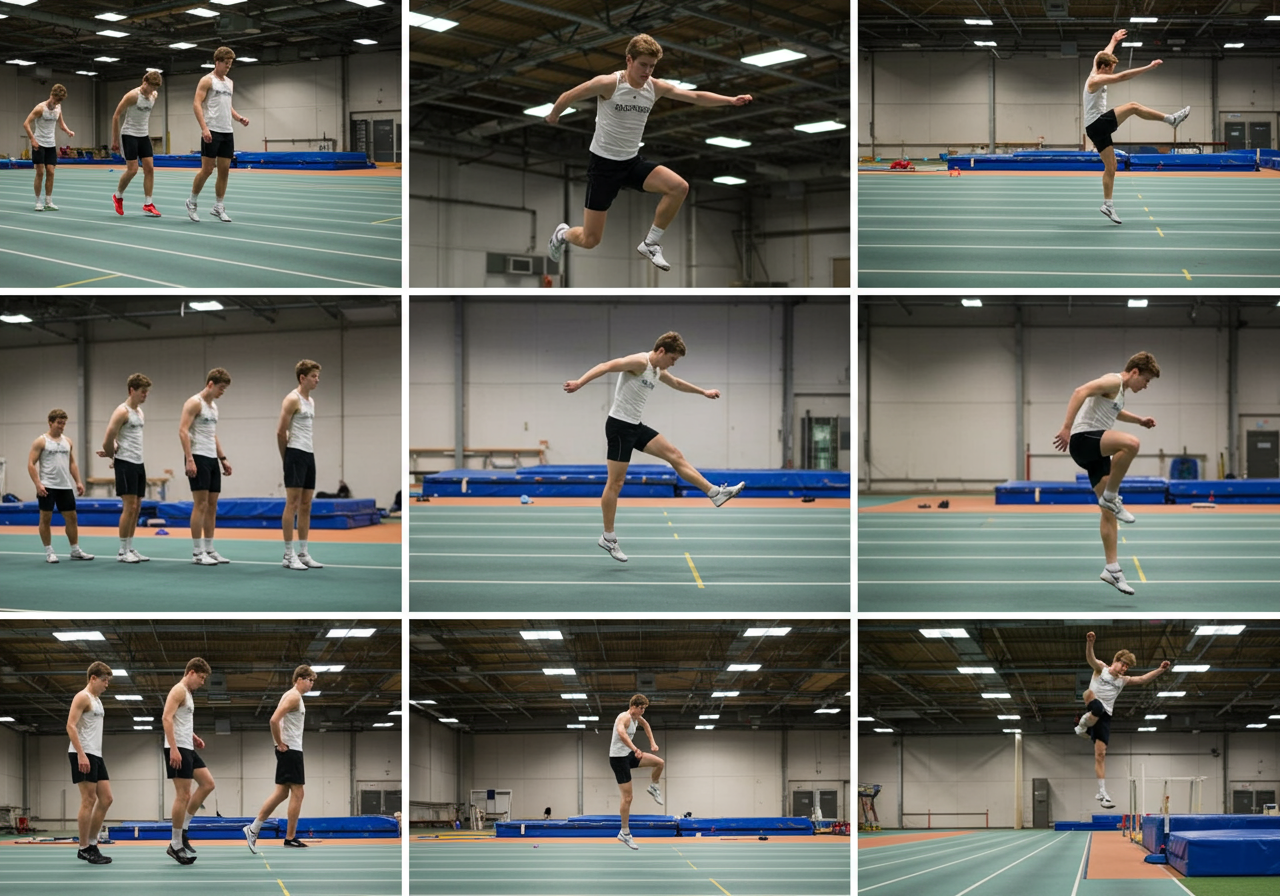
Plyometric drills can rapidly sharpen running economy and power when planned like a system, not random hops. You will learn a practical layout, progressions, and how to measure gains.
Best starting approach: two short plyometric sessions weekly, 60–100 contacts each, after a warm-up, with 48–72 hours between sessions.
We’ll cover warm-ups, beginner-to-advanced progressions, volume and rest rules, tracking with popular apps, and recovery nutrition that protects tendons.
Stretch-Shortening Cycles Boost Tendon Stiffness and Power
Plyometrics train the stretch–shortening cycle. Your tendons act like springs, storing and releasing energy. Well-dosed drills increase tendon stiffness and neural drive so you produce more force in less time. Shorter ground contact often translates to better running economy.
In peer‑reviewed studies, runners who added small volumes of jumping alongside normal training often improved economy and sprint metrics. Results vary by training age and technique, so I treat outcomes as likely but not guaranteed.
Field notes from my coaching log:
New runners feel quicker turnover within 2–3 weeks, especially after improving ankle stiffness and posture.
Intermediate athletes report smoother strides on hills; their watches show modest reductions in ground contact time.
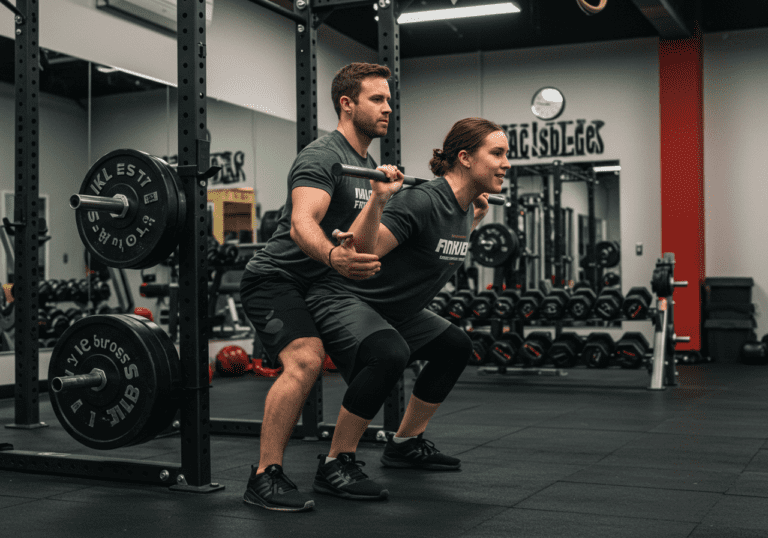
Combining heavy strength work (squats, calf raises) with plyos amplifies results if recovery is respected.
Warm-Up, Progress Through Pogos, Skips, and Bounds
Warm-up — 8–12 minutes: easy jog or brisk walk in Zone 1–2, then dynamic moves (leg swings, hip circles, inchworms). Add 1–2 sets of slow calf raises and banded glute walks.
Movement prep — 3–5 minutes: foot doming, ankle pumps, and 2 sets of 20-meter marches focusing on a tall trunk and active arms.
Core cues for all drills: stay tall, look forward, land under your center of mass, keep contacts quiet and quick, and jump with the whole foot (not on tippy toes).
Entry Session A (technique and rhythm, ~20–25 min):
Short hill bounds (gentle slope): 3×10–20 meters, walk down recovery.
2–4 strides at 85–90% effort for 60–100 meters, full walk-back rest.
Power Session B (output focus, ~20–25 min):
Squat jumps (hands at hips): 3×6, rest 90s.
Split jumps (switch in the air): 3×6 total (3 each leg), rest 90s.
Skater hops (lateral): 3×8–10 total, rest 60–90s.
Box jumps (40–60 cm when ready): 3×4–5, step down, rest 90–120s.
Optional single-leg pogos (easy): 2×10 each foot if technique is crisp.
Cooldown — 5–10 minutes: easy jog or walk, light calf and quad stretching.
Placement: put plyos after an easy run or as a short standalone session. Avoid before hard intervals until you’re consistent and resilient.
Tools I actually use: Garmin for ground contact and stride metrics, Strava for session notes, and a simple Google Sheet to log weekly contacts and perceived stiffness/fatigue (0–10).
Scale from 60 Contacts to Advanced Depth Jumps
Plain-text table: 12-week progression for frequency, total contacts, complexity, and intent.
Weeks 1–2 (Beginner): 2 sessions/wk; 60–80 contacts/session; double-leg pogos, A-skips, low box jumps; RPE 6–7; soft surface; rest 60–90s.

Weeks 3–4 (Beginner+): 2 sessions/wk; 80–100 contacts; add short hill bounds; introduce easy single-leg pogos (2×10 each); box 20–30 cm.

Week 5 (Deload): 1–2 sessions; 50–60 contacts; remove highest-impact items; technique and posture focus; extra sleep and mobility.

Weeks 6–8 (Intermediate): 2–3 sessions/wk; 90–130 contacts; add skater hops, longer bounds (15–30 m), box 40–60 cm if landings are quiet; rest 90–120s.

Weeks 9–11 (Advanced): 2 sessions/wk; 120–160 contacts; single-leg bounds (2×10–15 m), depth jumps 20–30 cm (2–3×3 only), reactive hops; stop if quality drops.

Week 12 (Test & Taper): 1–2 sessions; 60–80 contacts; remove most single-leg/reactive work; validate with strides, a timed 3k–5k, or a 30 m fly test.
Weekly layout idea: Mon (easy run + Session A), Thu (Session B), Sat long run. If you lift heavy, separate heavy lower-body strength and high-impact plyos by at least 6–24 hours.
Micro-doses: On busy weeks, do 2×20 pogos and 2×20 m A-skips after an easy run. Small, frequent exposures keep coordination while reducing fatigue.
When progressing, raise complexity before volume. Example: master quiet landings on a 30 cm box before moving to 45–60 cm, even if contacts stay the same.
References & Further Reading
The following peer-reviewed research and authoritative guidelines support the recommendations in this article:
Manage Frequency, Surfaces, and Common Tendon Issues
Frequency & intensity: most runners thrive on 2 sessions weekly. Keep reps fast and crisp. End a drill if jump height or snap drops by ~10%.
Surfaces & shoes: start on track infield or turf. Rotate shoes; slight heel-toe drop can ease calf load early on.
Troubleshooting:
Shin splints: cut contacts by 30–50% for 1–2 weeks; use softer ground; add eccentric calf raises and toe raises 2–3×/wk.
Achilles soreness: reduce single-leg and depth jumps; keep heels down during landings; monitor next-day stiffness. If morning pain persists, consult a clinician.
Plateaus: add light hill bounds, contrast sets (e.g., 3 heavy calf raises then 5 pogo hops), or switch drill order to refresh stimulus.
Motivation dips: micro-dose (5–8 minutes), film one drill for form feedback, or pair plyos with strides to feel immediate payoff.
Recovery & nutrition: aim for 1.6–2.2 g/kg/day protein. Carbs power quality—3–6 g/kg/day depending on mileage; a small carb+protein snack 1–2 hours pre-session helps. Many runners like 3–5 g creatine daily. Some use 10–15 g collagen with vitamin C 30–60 minutes pre-run to support tendons (evidence is mixed, but practice-friendly).
Tracking suggestions: log total contacts, best jump of session, and post-session RPE (1–10). Watches from Garmin, Coros, or Apple can show ground contact time and cadence. I track trends in Strava notes and a weekly Google Sheet.
What I’ve seen: during my last 8-week block, my watch showed average ground contact time dropped a few milliseconds and 10K time improved by ~40 seconds—alongside threshold runs. I can’t isolate plyos as the sole driver, but sessions felt smoother. Client feedback echoes this:
“Two short jump days made my legs pop on hills. I kept volume tiny, and my 5K felt easier at the same pace.” — Sam, recreational runner
“I used to mush into the ground. After six weeks, my strides felt springy and my knees stayed happier.” — Leah, half-marathoner
Next steps: run this plan for 8–12 weeks, deload, then retest a 3k–5k or do 3×30 m fly sprints to compare splits.
Medical Disclaimer: The information provided on this website is for informational and educational purposes only and is not intended as personal medical or health advice. The content, including text, graphics, and images, is not a substitute for professional medical advice, diagnosis, or treatment. Always seek the advice of your physician or other qualified healthcare provider…
Medical Disclaimer: The information provided on this website is for informational and educational purposes only and is not intended as personal medical or health advice. The content, including text, graphics, and images, is not a substitute for professional medical advice, diagnosis, or treatment. Always seek the advice of your physician or other qualified healthcare provider…
Medical Disclaimer: The information provided on this website is for informational and educational purposes only and is not intended as personal medical or health advice. The content, including text, graphics, and images, is not a substitute for professional medical advice, diagnosis, or treatment. Always seek the advice of your physician or other qualified healthcare provider…
Medical Disclaimer: The information provided on this website is for informational and educational purposes only and is not intended as personal medical or health advice. The content, including text, graphics, and images, is not a substitute for professional medical advice, diagnosis, or treatment. Always seek the advice of your physician or other qualified healthcare provider…
Medical Disclaimer: The information provided on this website is for informational and educational purposes only and is not intended as personal medical or health advice. The content, including text, graphics, and images, is not a substitute for professional medical advice, diagnosis, or treatment. Always seek the advice of your physician or other qualified healthcare provider…
Medical Disclaimer: The information provided on this website is for informational and educational purposes only and is not intended as personal medical or health advice. The content, including text, graphics, and images, is not a substitute for professional medical advice, diagnosis, or treatment. Always seek the advice of your physician or other qualified healthcare provider…