Medical Disclaimer: The information provided on this website is for informational and educational purposes only and is not intended as personal medical or health advice. The content, including text, graphics, and images, is not a substitute for professional medical advice, diagnosis, or treatment. Always seek the advice of your physician or other qualified healthcare provider with any questions you may have regarding a medical condition or before starting any new exercise, nutrition, or supplement program. Never disregard professional medical advice or delay in seeking it because of something you have read on this blog. Reliance on any information provided by this site is solely at your own risk.
Aerobic base training is the cornerstone of steady, fatigue-resistant fitness. Over six weeks, you will build a reliable engine using easy effort and smart structure.
Do this: 6 weeks of 4–6 low-intensity sessions at 60–70% max heart rate, increasing time gradually.
In this guide, I’ll show you the exact setup, a clear weekly plan, how to track progress, and what to tweak if fatigue or plateaus show up.
Why Aerobic Base Building Pays Long-Term Dividends
Low-intensity work develops the machinery that keeps you going: more efficient mitochondria, improved capillary networks, and better fat usage at everyday paces. This shows up as lower breathing rate and heart rate for the same pace or power.
In endurance practice and peer-reviewed research, consistent easy training improves sustainable output without the recovery cost of frequent hard sessions. When beginners spend time in Zone 2, they often report steadier energy during daily life and fewer aches compared with going hard too often.
Client notes: “By week four, I could finish my lunchtime ride and feel fresh for the afternoon.” — Luis, 39. “Walking up stairs stopped spiking my heart rate; my runs felt smoother.” — Maya, 42. Individual results vary, but these trends are common with disciplined easy volume.
How to Follow Your 6-Week Base Training Plan
1) Set your easy zone. Use lab/field testing if available. Without it, pick a conservative cap using one or two of these: (a) 60–70% of estimated max HR; (b) MAF method (180 − age, then adjust down for recent detraining or injuries); (c) talk test—full sentences without gasping. Choose the lowest cap from these to start.
2) Baseline before week 1. Warm up 10 minutes, then hold your easy cap for 20–30 minutes on flat terrain (run, ride, row, or brisk walk). Log distance/pace, average HR, and perceived effort.
3) Session recipe (most days).
Warm-up — 8–10 minutes very easy.
Main set — 20–60 minutes at easy cap (steady breathing, relaxed shoulders).
Cooldown — 5–10 minutes very easy, then short mobility (hips, calves, thoracic spine).
4) Technique cues. Keep strides short and light, think tall posture, breathe quietly through the nose when possible (not mandatory), and keep shoulders down. On the bike, spin at a comfortable cadence rather than mashing.
5) Cross-training allowed. Walk, hike, cycle, row, or elliptical. Mix modalities to reduce impact and keep it enjoyable.
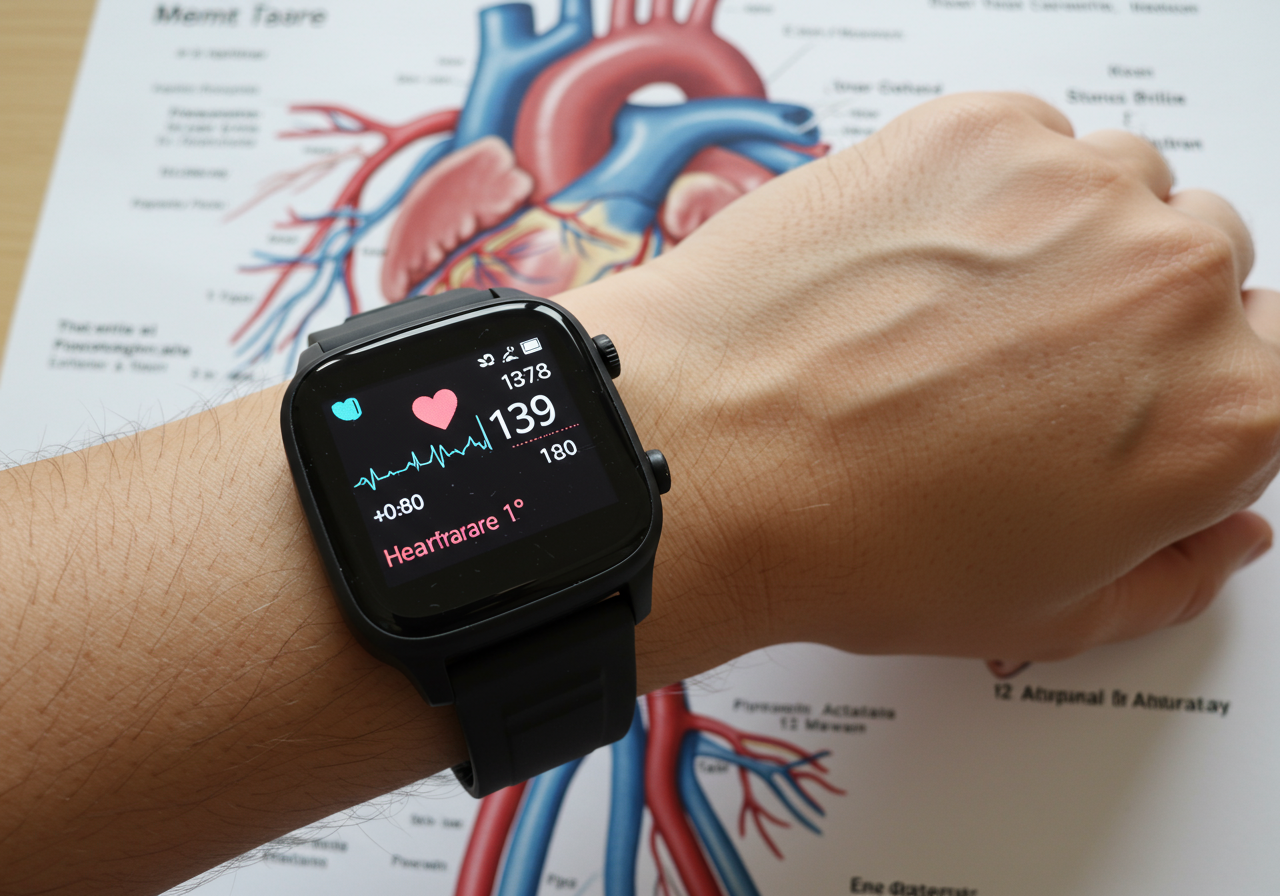
6) Track your data. Use Garmin, Polar, Fitbit, or Strava. Note time-in-zone, average HR, pace/power, and RPE (2–4 out of 10). I tag sessions like “Z2 base – 45 min” for quick filtering. Check weekly trends, not single days.
7) Fuel and recover. For sessions under 60 minutes, water usually suffices. Longer than 60–75 minutes, consider a small carbohydrate source if you feel energy dip. Daily nutrition: prioritize protein (about 1.4–2.0 g/kg/day) and enough carbohydrates for the volume (often 3–5 g/kg on easy days). Log with MyFitnessPal if you like structure. Aim for 7–9 hours of sleep; flexibility work fits well post‑workout.
8) My field notes. In similar 6‑week builds, I’ve seen steadier heart rates for the same route and fewer next‑day aches. Early weeks feel almost too easy—by week three, the rhythm becomes addictive. The trap: pace creeping up on good days. Hold the cap.
Beginner to Advanced Progressions
This plan scales by experience. Keep most work at easy effort; add strides or skills only if you recover well. Week 4 is a lighter week to consolidate.
Caption: 6-week low-intensity base plan — volume and structure by level.
Retest guide. Repeat the same route and conditions as your baseline. You’re looking for one or more: slightly faster pace at the same heart rate, calmer breathing, or lower perceived effort. If numbers are unchanged but you feel fresher, that still counts—base work compounds over months.
Time‑crunched? Do 4 sessions of 30–40 minutes and one 20‑minute walk most weeks. Consistency beats occasional long days.
Programming Tips and Safety
Frequency and intensity. Aim for 4–6 easy sessions weekly. Keep most breathing conversational. If your watch shows frequent spikes above the cap, slow down or insert short walk breaks.
Common mistakes. Turning easy days into medium days; skipping warm‑ups; ramping volume too quickly; under‑fueling on busy days; staying up late and blaming the plan.
Monitoring. Watch resting heart rate trends, mood, and sleep. If you wake groggy for two to three days or your easy pace feels labored, cut volume by 10–20% for several days.
Overuse and injury red flags. Persistent shin or Achilles pain, sharp knee discomfort, or foot soreness that worsens during the session. Swap to cycling/elliptical, add mobility, and consult a qualified professional if pain persists.
Plateau troubleshooting. Hold the same weekly volume for another two weeks, vary terrain slightly, or add one short skills session (strides or light drills) while keeping effort easy. If motivation dips, change routes, train with a friend, or gamify time‑in‑zone on Strava.
Recovery and nutrition. Plan one full rest day weekly. Hydrate consistently; add electrolytes in hot weather. Protein at each meal supports repair; a carb‑rich snack within an hour after longer sessions can help you feel better the next day.
Next steps. After six to eight base weeks, consider adding one controlled tempo or threshold session weekly while keeping most work easy. If you want my printable checklist and zone calculator.
Medical Disclaimer: The information provided on this website is for informational and educational purposes only and is not intended as personal medical or health advice. The content, including text, graphics, and images, is not a substitute for professional medical advice, diagnosis, or treatment. Always seek the advice of your physician or other qualified healthcare provider…
Medical Disclaimer: The information provided on this website is for informational and educational purposes only and is not intended as personal medical or health advice. The content, including text, graphics, and images, is not a substitute for professional medical advice, diagnosis, or treatment. Always seek the advice of your physician or other qualified healthcare provider…
Medical Disclaimer: The information provided on this website is for informational and educational purposes only and is not intended as personal medical or health advice. The content, including text, graphics, and images, is not a substitute for professional medical advice, diagnosis, or treatment. Always seek the advice of your physician or other qualified healthcare provider…
Medical Disclaimer: The information provided on this website is for informational and educational purposes only and is not intended as personal medical or health advice. The content, including text, graphics, and images, is not a substitute for professional medical advice, diagnosis, or treatment. Always seek the advice of your physician or other qualified healthcare provider…
Medical Disclaimer: The information provided on this website is for informational and educational purposes only and is not intended as personal medical or health advice. The content, including text, graphics, and images, is not a substitute for professional medical advice, diagnosis, or treatment. Always seek the advice of your physician or other qualified healthcare provider…
Medical Disclaimer: The information provided on this website is for informational and educational purposes only and is not intended as personal medical or health advice. The content, including text, graphics, and images, is not a substitute for professional medical advice, diagnosis, or treatment. Always seek the advice of your physician or other qualified healthcare provider…

 Aerobic base training is the cornerstone of steady, fatigue-resistant fitness. Over six weeks, you will build a reliable engine using easy effort and smart structure.