Medical Disclaimer: The information provided on this website is for informational and educational purposes only and is not intended as personal medical or health advice. The content, including text, graphics, and images, is not a substitute for professional medical advice, diagnosis, or treatment. Always seek the advice of your physician or other qualified healthcare provider with any questions you may have regarding a medical condition or before starting any new exercise, nutrition, or supplement program. Never disregard professional medical advice or delay in seeking it because of something you have read on this blog. Reliance on any information provided by this site is solely at your own risk.
You can train in heat and humidity safely and still improve. This guide shows you how to adjust pacing, fluids, and sessions for hot, muggy days.
Direct answer: Start with shorter, shaded sessions, pace by heart rate and RPE, hydrate with electrolytes, and build heat exposure gradually.
You’ll learn a complete heat-smart system: why heat stresses the body, step-by-step planning, a clear beginner-to-advanced ramp, and safety checkpoints. I’ll share real workouts, client notes, and how I log progress with Garmin and Strava.
Heat Raises Effort While Humidity Blocks Cooling
Heat raises core temperature and humidity slows sweat evaporation. Your heart compensates—cardiovascular drift—so the same pace costs more effort. That’s why easy becomes hard on steamy days.
With progressive exposure, the body adapts: earlier sweating, better cooling, and improved blood volume. In peer‑reviewed studies and practical coaching logs, athletes who acclimate often regain pace at lower perceived effort, provided hydration and recovery are on point.
Humidity specifically blunts evaporative cooling, so pacing by heart rate and RPE beats chasing speed. Following major sports health guidelines, I train clients to respect environmental stress first, then layer intensity back in.
Check Heat Index, Pre-Cool, and Hydrate Smart
1) Check conditions and plan. Look at heat index or WBGT in your weather app. Choose shaded routes or loops near water fountains. Schedule hard work at dawn or indoors.
2) Gear and pre-cooling. Wear light colors, breathable fabric, and a cap. Apply sunscreen. Pre-cool with a cold drink, ice towel on neck, or a brisk cool shower—small advantages add up.
3) Hydration and electrolytes. Arrive hydrated: drink regularly during the day until urine is pale. For sessions over ~45–60 minutes, use a sports drink with sodium (many provide ~300–600 mg per liter). If you’re a salty sweater (visible salt stains or frequent cramps), consider a slightly higher-sodium mix. Test in training, not race day.
4) Warm-up smarter. Do 5–10 minutes of easy movement in the shade: brisk walk or light spin, dynamic ankle and hip moves, a few pick‑ups to wake the legs. Keep it gentle—save heat budget for the main set.
5) Pacing cues during the workout.
Use a heart rate cap for easy days (e.g., Zone 2 by your device) and let pace float slower than usual.
Monitor RPE: if effort climbs a full point at the same pace, slow down or add short walk breaks.
Drink small, regular sips; don’t chug only when thirsty or you’re behind.
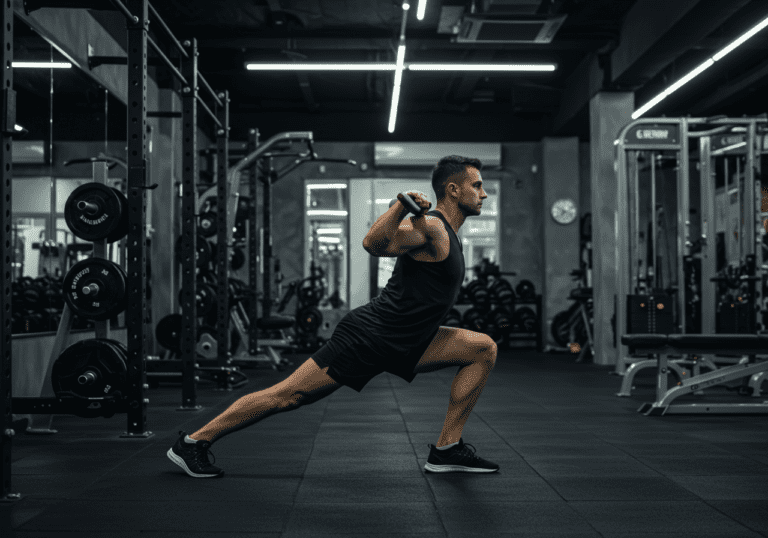
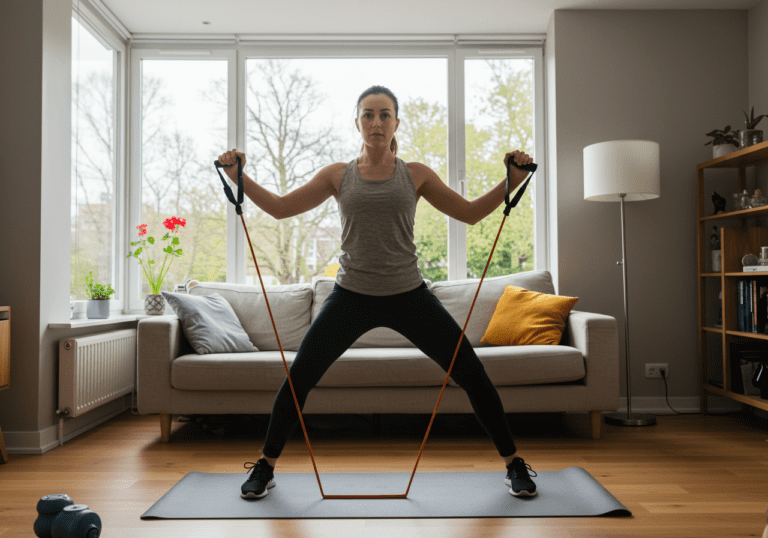
6) Strength on hot days. Move heavy lifts to cooler hours. If training in heat, reduce load slightly or extend rest. My go-to circuit: goblet squat, single-arm row, split squat, push-up, and a brief core finisher—2–3 rounds with controlled tempo and nasal breathing checks.
7) Indoor swaps when needed. If the heat index is extreme, move key quality to a treadmill, bike, or rower indoors. Keep heat exposure for short, easy sessions until conditions ease.
8) Post-session recovery. Cool down in shade. Towel off and get airflow to help sweat evaporate. Rehydrate gradually; include some sodium with fluids and a protein‑rich meal. I log duration, average HR, RPE, fluid intake, and how hot it felt in Garmin or Strava notes; patterns appear quickly.
Real-world note: After two weeks of consistent, short heat sessions, I typically see steadier heart rates and fewer walk breaks at the same easy pace—provided I respect sleep and nutrition.
Build Heat Tolerance Over Six Structured Weeks
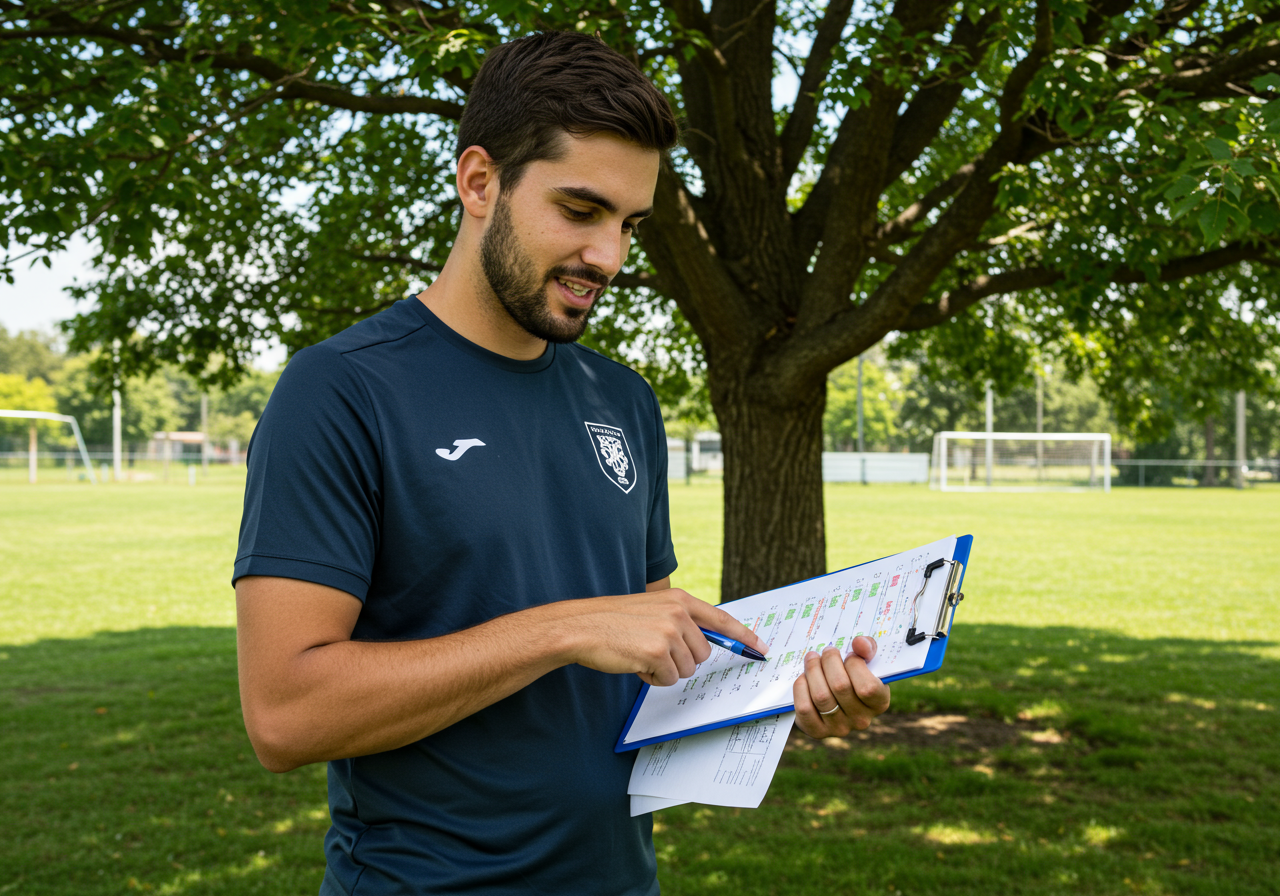
Caption: Heat adaptation roadmap (running or cycling; adjust time and RPE for walking/hiking).
Beginner (Weeks 1–2): 3 x 20–30 min easy Zone 2 in shade; HR cap: conversational; Hydration: small sips every 10–15 min with light electrolytes; Strength: 2 x 20–30 min full‑body circuits.
Intermediate (Weeks 3–4): 2 x 35–45 min Zone 2 + 1 session with 4–6 relaxed strides or short pickups; HR cap: allow a modest drift; Hydration: sports drink on longer day; Strength: 2 sessions, moderate loads (3 x 8).
Advanced (Weeks 5–6): 2 x 50–70 min Zone 2 + 1 quality session (e.g., 12–20 min tempo or 4–6 x 3‑min moderate); Pace by HR/RPE, not speed; Hydration: planned electrolytes; Strength: 2 sessions (4 x 6) or 1 power day + 1 mobility day in peak heat.
Progress markers to watch: same RPE with lower average HR, fewer walk breaks, and stable post‑run weight after rehydration. In my logs last summer, easy‑pace heart rate dropped roughly 8–10 bpm after two acclimation weeks, with better sleep and steady sodium intake.
Client note: “I used the HR cap and shaded loops. Week three felt normal again—no more late‑run fade.” — Ana M., Tampa
Adjust on the fly: If RPE spikes or HR drifts rapidly, cut the session short or move indoors. There’s always another day.
Schedule Hard Sessions Early and Monitor Recovery
Weekly structure: 3–5 aerobic sessions (mostly Zone 2), 2 strength sessions, and 2 short mobility blocks. Put the hardest aerobic work at dawn or indoors. Keep one lighter day after any long, hot session.
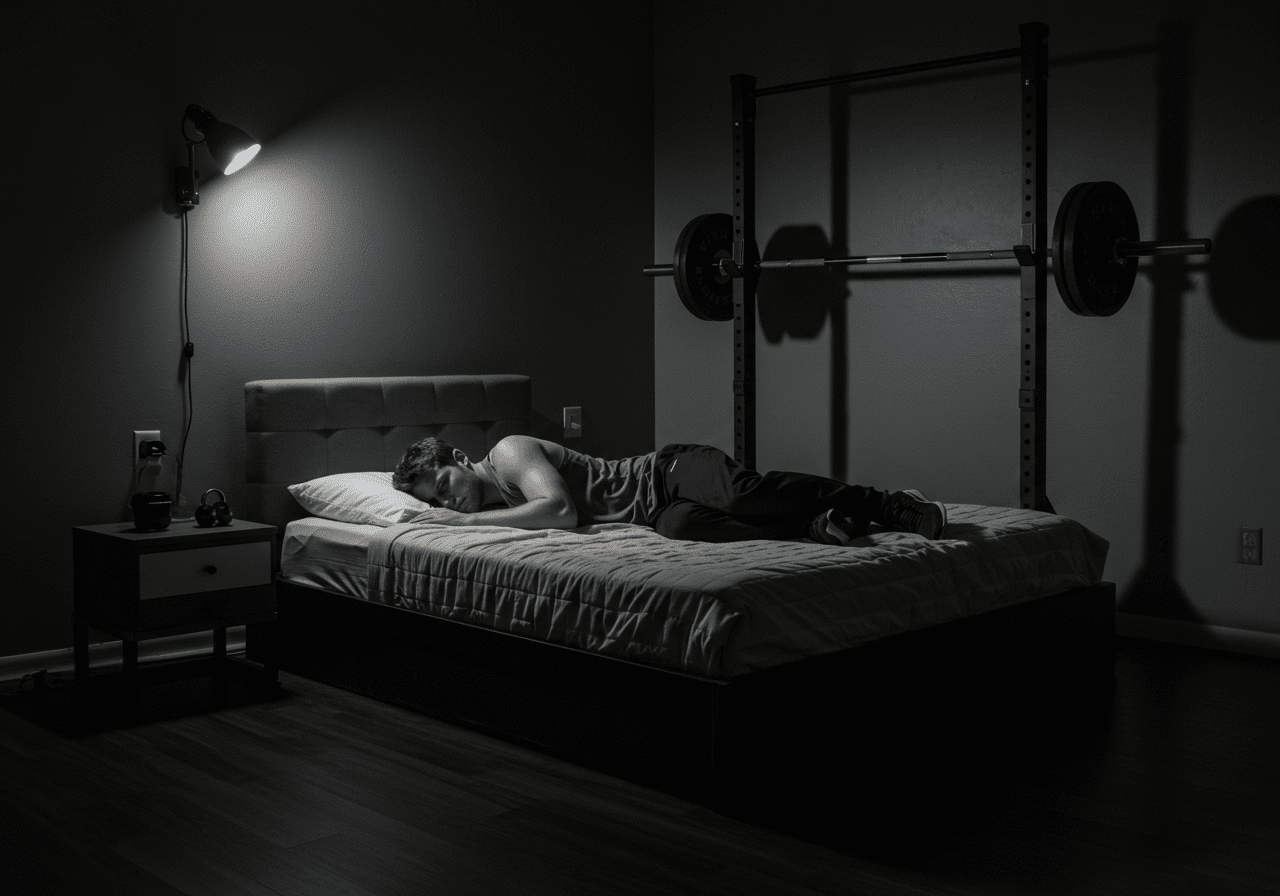
Nutrition and recovery: Aim for balanced meals with protein each time you eat and include some salty foods when it’s steamy. Carbs fuel both heat and intensity—don’t underfuel. Sleep 7–9 hours; heat can disrupt sleep, so cool your room and hydrate earlier in the evening.
Troubleshooting:
Plateaus: lower intensity temporarily, add strides for leg pop, and reassess hydration/electrolytes.
Overreaching signs: morning HR unusually high, poor sleep, crabby mood—take a deload or move workouts indoors.
Motivation dips: use short loop routes, invite a partner, or stack 20‑minute micro‑sessions.
Niggles/cramps: strengthen calves and hips, add mobility, and review sodium intake.
Safety first: Stop immediately for dizziness, chills/goosebumps in heat, confusion, or severe nausea. Cool aggressively (shade, cold towels, ice in armpits/groin) and seek medical help if symptoms persist.
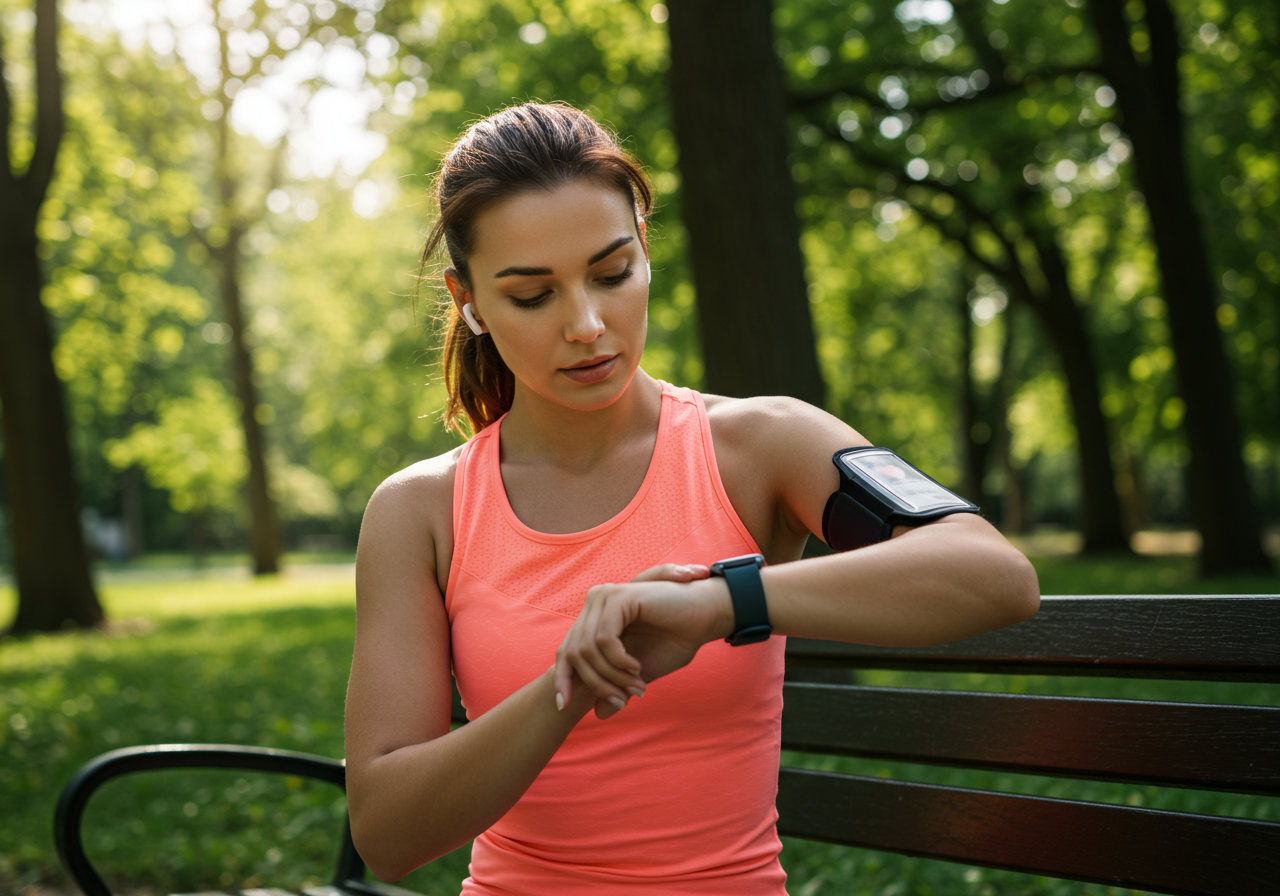
Track and learn: Use Garmin/Polar/Apple Watch plus Strava notes. Log temperature, humidity, fluids, HR, RPE, and how you felt. After 2–3 weeks you’ll see what works—then keep those habits on autopilot.
If you want my printable checklist and electrolyte planner.
Medical Disclaimer: The information provided on this website is for informational and educational purposes only and is not intended as personal medical or health advice. The content, including text, graphics, and images, is not a substitute for professional medical advice, diagnosis, or treatment. Always seek the advice of your physician or other qualified healthcare provider…
Medical Disclaimer: The information provided on this website is for informational and educational purposes only and is not intended as personal medical or health advice. The content, including text, graphics, and images, is not a substitute for professional medical advice, diagnosis, or treatment. Always seek the advice of your physician or other qualified healthcare provider…
Medical Disclaimer: The information provided on this website is for informational and educational purposes only and is not intended as personal medical or health advice. The content, including text, graphics, and images, is not a substitute for professional medical advice, diagnosis, or treatment. Always seek the advice of your physician or other qualified healthcare provider…
Medical Disclaimer: The information provided on this website is for informational and educational purposes only and is not intended as personal medical or health advice. The content, including text, graphics, and images, is not a substitute for professional medical advice, diagnosis, or treatment. Always seek the advice of your physician or other qualified healthcare provider…
Medical Disclaimer: The information provided on this website is for informational and educational purposes only and is not intended as personal medical or health advice. The content, including text, graphics, and images, is not a substitute for professional medical advice, diagnosis, or treatment. Always seek the advice of your physician or other qualified healthcare provider…
Medical Disclaimer: The information provided on this website is for informational and educational purposes only and is not intended as personal medical or health advice. The content, including text, graphics, and images, is not a substitute for professional medical advice, diagnosis, or treatment. Always seek the advice of your physician or other qualified healthcare provider…