Medical Disclaimer: The information provided on this website is for informational and educational purposes only and is not intended as personal medical or health advice. The content, including text, graphics, and images, is not a substitute for professional medical advice, diagnosis, or treatment. Always seek the advice of your physician or other qualified healthcare provider with any questions you may have regarding a medical condition or before starting any new exercise, nutrition, or supplement program. Never disregard professional medical advice or delay in seeking it because of something you have read on this blog. Reliance on any information provided by this site is solely at your own risk.
Muscle imbalances quietly drain performance and invite aches. This guide shows you how to spot them and build strength where it’s missing.
Direct answer: Assess asymmetries, load the weaker side with control, and re-test every two weeks until performance and range match.
You’ll learn a simple screen, a corrective strength sequence, mobility pairings, and how to track progress with apps and heart rate zones—so your whole body moves like one team.
How Imbalances Drain Power and Invite Pain
Small asymmetries change how you distribute force. Over time, compensations can reduce power, limit range, and increase irritation around knees, hips, shoulders, or the low back.
Practice-based findings and peer-reviewed work suggest that unilateral training improves limb-to-limb strength balance, motor control, and joint tolerance. When you combine single-leg/arm lifts with isometrics and mobility, many athletes report steadier technique and fewer hot spots within 4–8 weeks. Individual results vary.
In coaching sessions, the biggest wins come from three levers: identifying the narrowest range (often ankle or thoracic), restoring control near that range with isometrics and tempo work, then integrating symmetrical strength. That sequence reduces compensations instead of just masking them.
Client note (paraphrased): “My right knee stopped caving on stairs after three weeks of split squats and ankle work. I finally feel both legs doing equal work.”
Screen Weak Points and Load Them First
Step 1 — Quick self-screen (10 minutes)
Single-leg sit-to-stand from chair: 6–10 smooth reps per side. Note knee cave, hip drop, or big effort differences.
Heel-to-wall ankle lunge: knee to wall without heel lift. Measure distance in centimeters each side; note any pinch or limit.
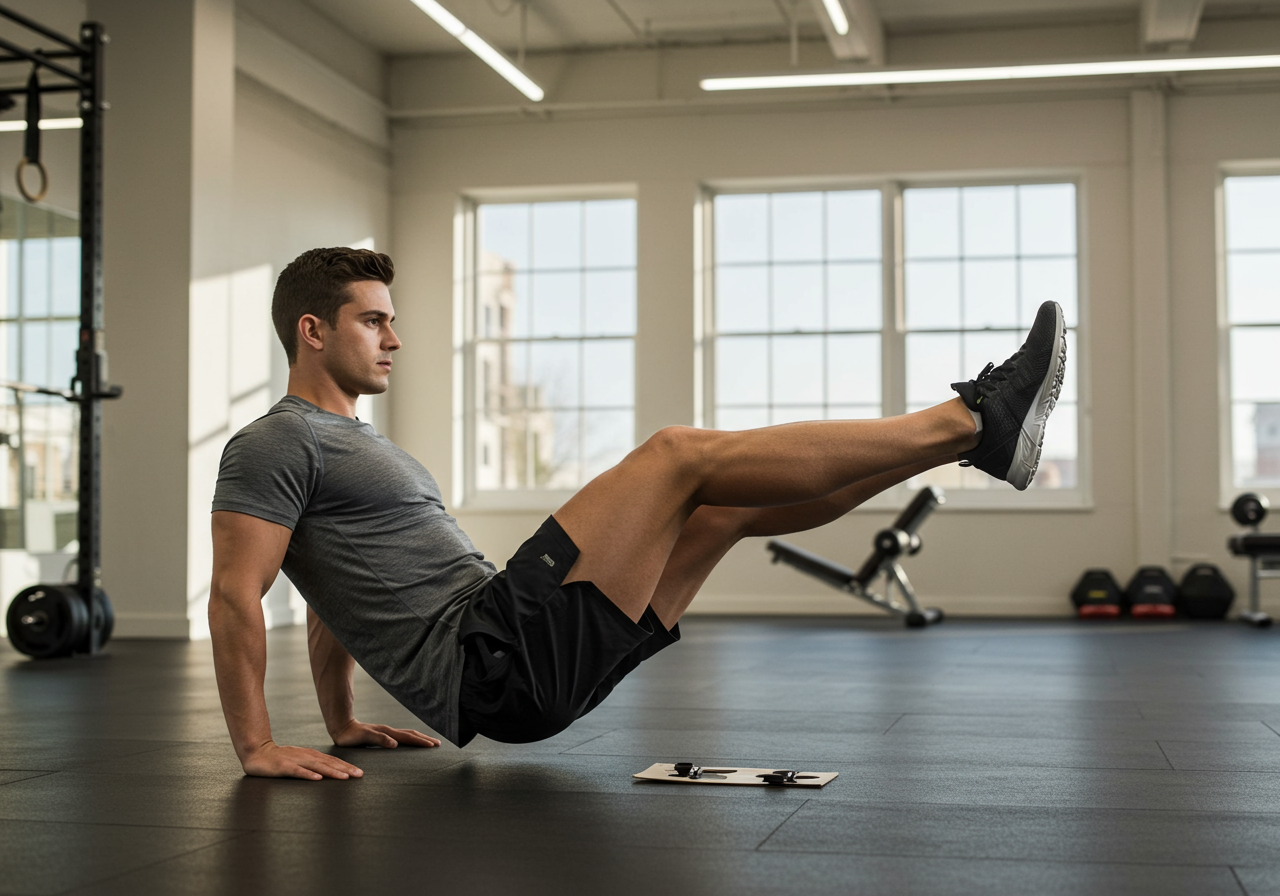
Side plank hold: time each side; stop before form degrades. A large gap flags lateral core/hip weakness.
Overhead reach facing wall: raise arms without arching low back. If one side pinches, note shoulder/scap control work needed.
Pick the top one or two gaps. Train those first—big rocks before accessories.
Step 2 — Corrective block (10–15 minutes)
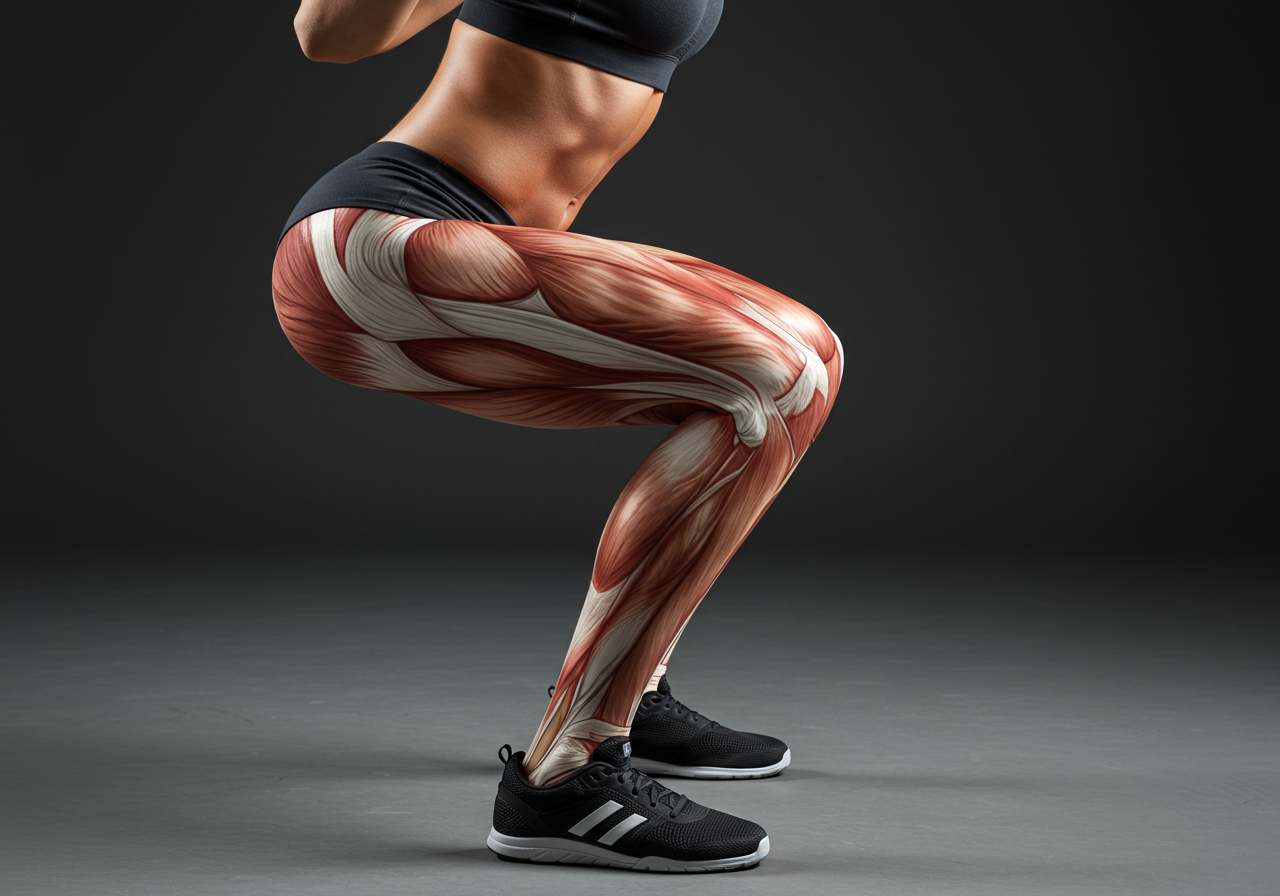
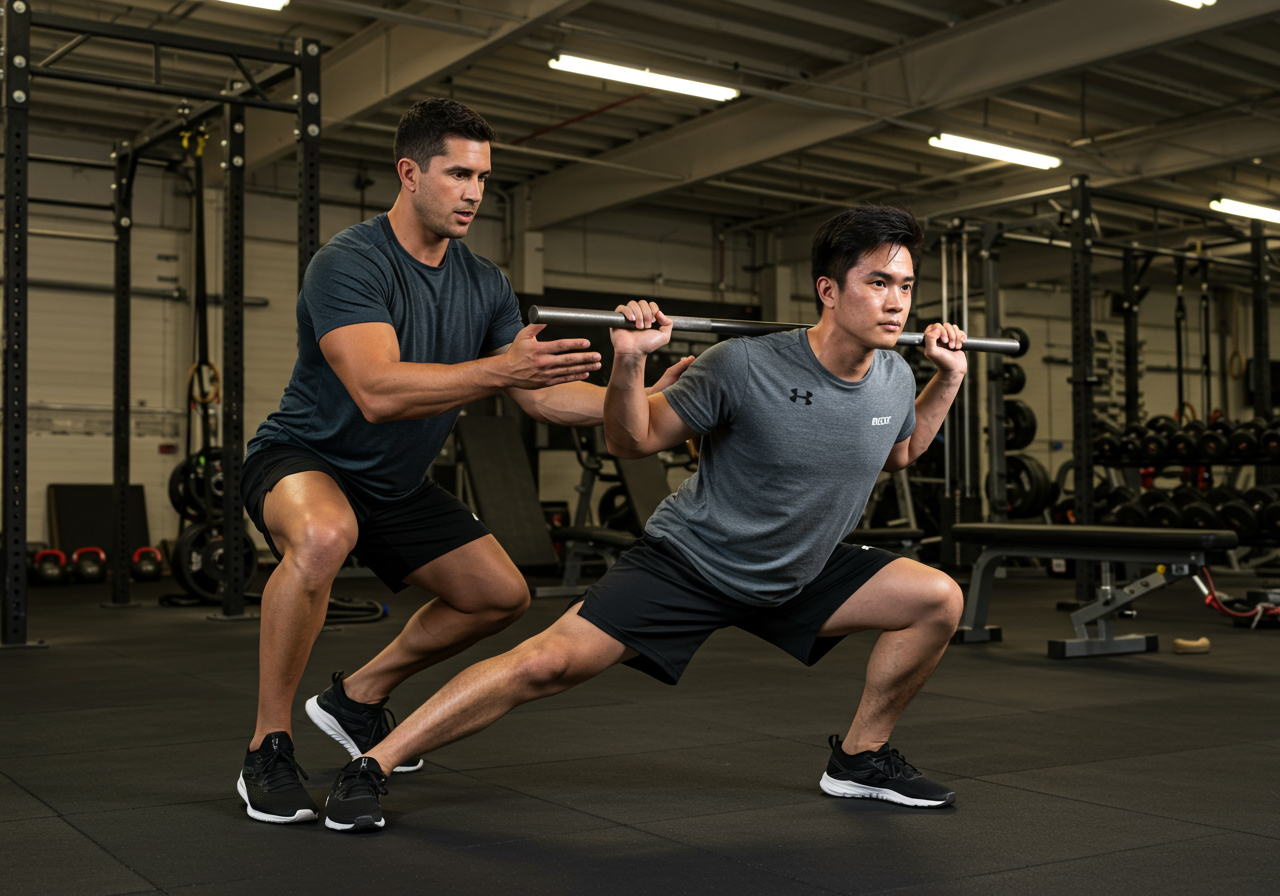
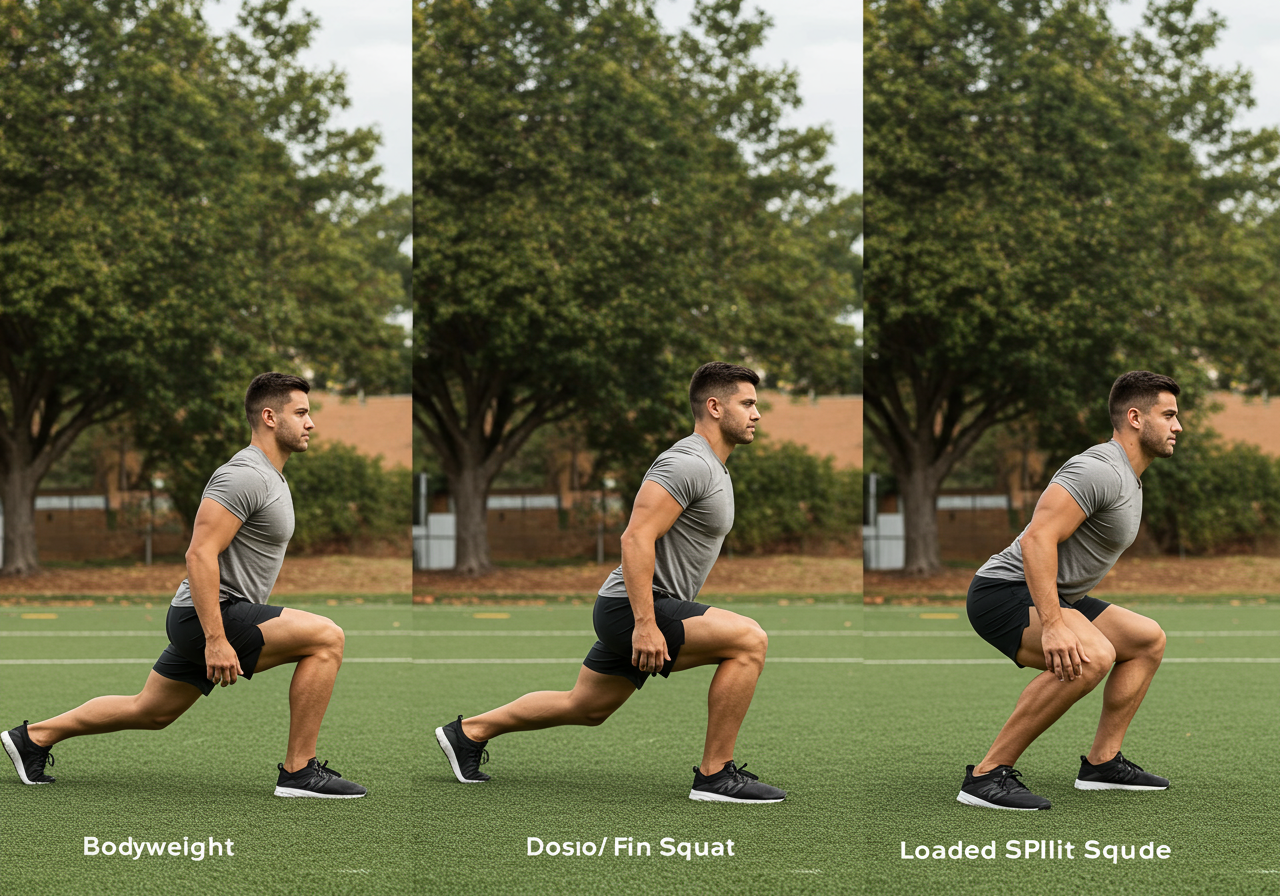
Isometric split squat (weaker side first): 3×20–30s mid-range hold; then 2×6 slow reps (3–1–3 tempo). Rest ~60–90s.
Single-leg Romanian deadlift: 3×6–8 per side; pause 1–2 seconds near the floor to own balance.
Half-kneeling one-arm cable row or band row: 3×8–12; 2-second squeeze; match ribcage stacked over hips.
Copenhagen side plank (short lever): 3×15–25s per side. If painful, regress to standard side plank.
Bilateral hinge (trap-bar deadlift or hip thrust) 3×5–8 at RPE 6–7 to consolidate strength symmetrically.
Finisher — 6–8 minutes cyclical work (bike/rower/sled) at Zone 2–3 focusing on equal stroke length/foot pressure.
Step 4 — Tracking and feedback
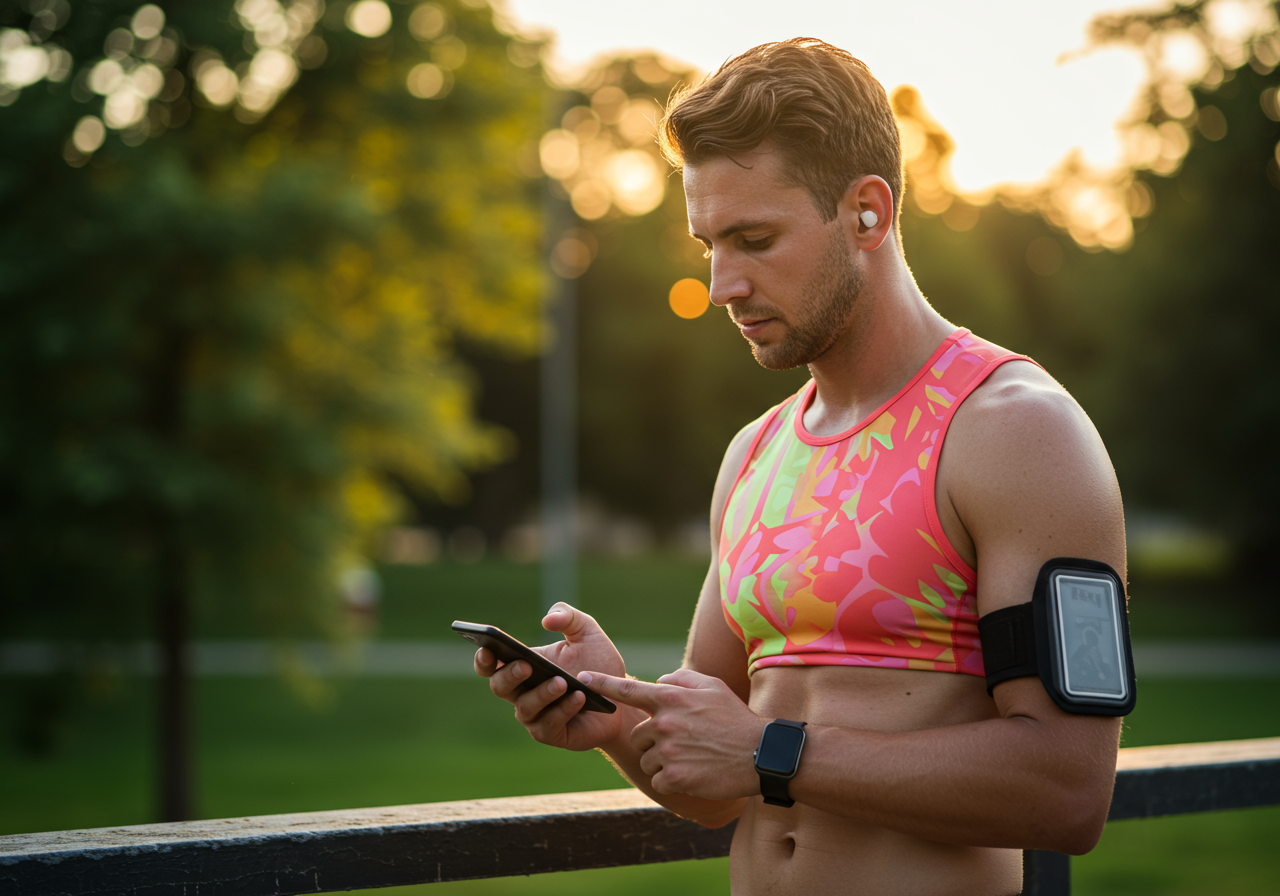
Use Garmin/Apple Watch/Polar for HR zones; note average HR and RPE per session.
Log sets, reps, tempo, and holds in Strong or a spreadsheet. Record limb times for side planks and sit-to-stand.
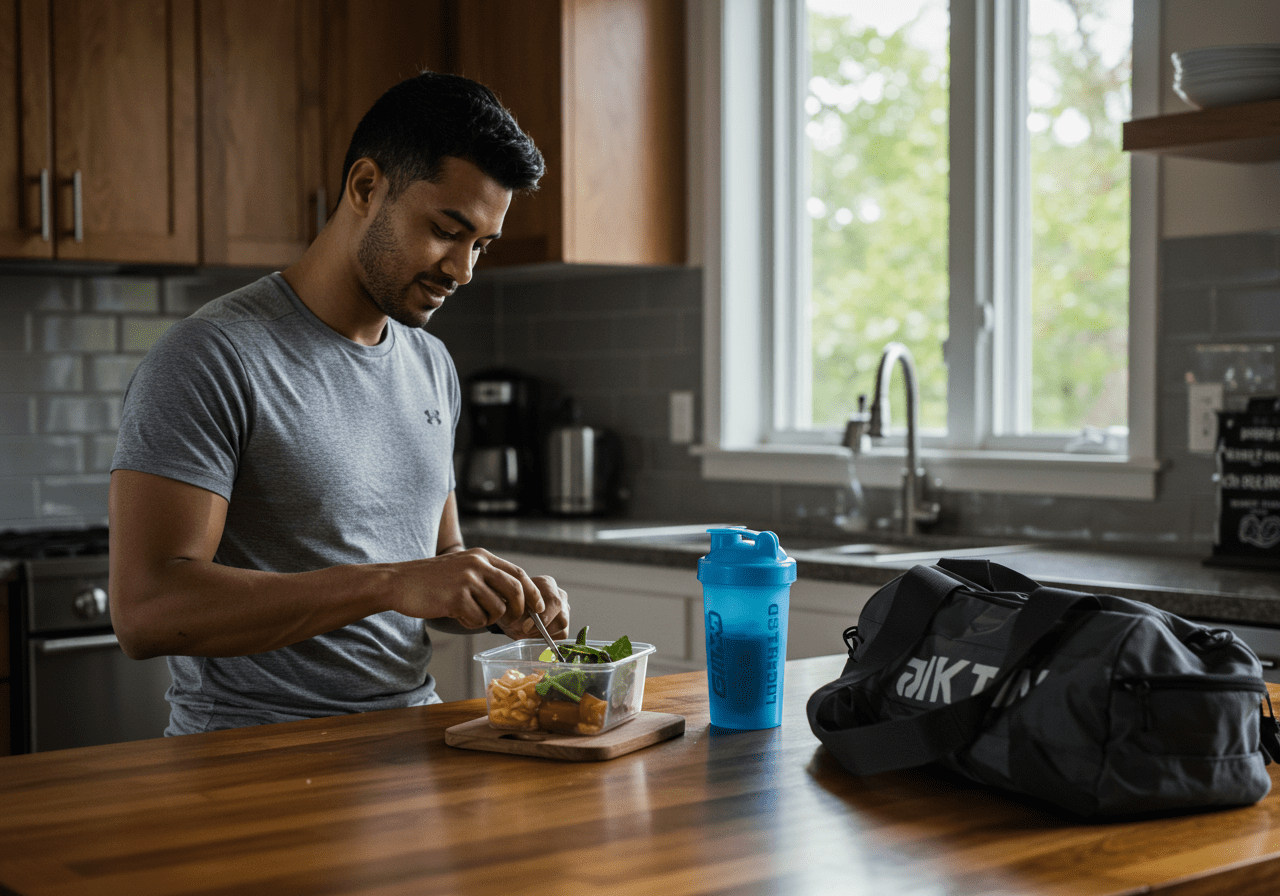
In MyFitnessPal, aim for 1.6–2.2 g/kg protein and total calories that match your goal (slight surplus to build).
Re-test the same screens every 14 days at the start of a session and adjust.
Example session (45–55 minutes): 5 min Zone 2 + ankle rocks; split squat isometric; single-leg RDL; row/press superset; trap-bar deadlift; 6 min bike spin at easy steady pace. RPE target: 6–7.
Four-Week Plan to Close Performance Gaps
Caption: Four-week template to rebalance sides while building total-body strength.
Week 1: Screen + base volume — Unilateral 3×8 @ RPE 6; Isometric holds 3×20–30s; Bilateral 3×6 @ RPE 6; Zone 2 cardio 10–15 min.

Week 2: Add control — Keep loads, increase weaker side by +1–2 reps per set; Tempo 3–1–3; Holds +5–10s; Re-screen end of week.

Week 3: Build load — Increase all unilateral loads 2.5–5% if RPE ≤7; Bilateral to 4×5 @ RPE 7; Cardio 12–18 min with even strokes.

Week 4: Consolidate — Re-test first; If gaps ≤10%, deload volume ~25%; If gaps persist, keep volume but reduce bilateral intensity (RPE −1) and extend holds.
Beginner (2–3 days/week): One corrective block + two main lifts each day; prioritize technique over load. Intermediate (3–4 days): Two corrective drills + three main lifts; rotate hinge/squat emphasis. Advanced (4–5 days): Micro-cycle with focus days (hip, knee, shoulder), plus one lighter recovery day.
Re-testing rhythm: quick screen every 14 days; full video review monthly. When limb differences shrink under ~5–10% for two consecutive screens, transition to equal sets/reps and maintain one unilateral accessory to keep balance.
References & Further Reading
The following peer-reviewed research and authoritative guidelines support the recommendations in this article:
Frequency, Intensity, and Troubleshooting Plateaus
Frequency: 2–4 strength sessions weekly. Keep one lighter day if you feel joint stiffness or sleep drops.
Intensity: Most work at RPE 6–7. Save RPE 8 efforts for your bilateral anchor once weekly.
Order: Weaker side first, matched by the stronger side. Never exceed by more than 1–2 reps; let time, not punishment, even the gap.
Troubleshooting plateaus: Switch tempos (add pauses), use longer isometrics (up to 45s), or change the range (front-foot elevation or deficit).
Overtraining signs: Worsening sleep, irritability, grip decline. Deload 20–30% volume for 5–7 days and keep Zone 2 cardio easy.
Pain rule: Sharp or radiating pain—stop and regress. Swap out provocative patterns and consult a clinician if symptoms persist.
Recovery: Sleep 7–9 hours; protein 1.6–2.2 g/kg; creatine monohydrate 3–5 g daily if appropriate; hydrate ~30–35 ml/kg/day.
Next steps: Save your screen results, repeat the 4-week block, and.
Testimonial (composite): “The simple two-week re-tests kept me motivated. Matching split squat strength fixed my nagging hip shift and my deadlift felt smooth again.”
Medical Disclaimer: The information provided on this website is for informational and educational purposes only and is not intended as personal medical or health advice. The content, including text, graphics, and images, is not a substitute for professional medical advice, diagnosis, or treatment. Always seek the advice of your physician or other qualified healthcare provider…
Medical Disclaimer: The information provided on this website is for informational and educational purposes only and is not intended as personal medical or health advice. The content, including text, graphics, and images, is not a substitute for professional medical advice, diagnosis, or treatment. Always seek the advice of your physician or other qualified healthcare provider…
Medical Disclaimer: The information provided on this website is for informational and educational purposes only and is not intended as personal medical or health advice. The content, including text, graphics, and images, is not a substitute for professional medical advice, diagnosis, or treatment. Always seek the advice of your physician or other qualified healthcare provider…
Medical Disclaimer: The information provided on this website is for informational and educational purposes only and is not intended as personal medical or health advice. The content, including text, graphics, and images, is not a substitute for professional medical advice, diagnosis, or treatment. Always seek the advice of your physician or other qualified healthcare provider…
Medical Disclaimer: The information provided on this website is for informational and educational purposes only and is not intended as personal medical or health advice. The content, including text, graphics, and images, is not a substitute for professional medical advice, diagnosis, or treatment. Always seek the advice of your physician or other qualified healthcare provider…
Medical Disclaimer: The information provided on this website is for informational and educational purposes only and is not intended as personal medical or health advice. The content, including text, graphics, and images, is not a substitute for professional medical advice, diagnosis, or treatment. Always seek the advice of your physician or other qualified healthcare provider…