Medical Disclaimer: The information provided on this website is for informational and educational purposes only and is not intended as personal medical or health advice. The content, including text, graphics, and images, is not a substitute for professional medical advice, diagnosis, or treatment. Always seek the advice of your physician or other qualified healthcare provider with any questions you may have regarding a medical condition or before starting any new exercise, nutrition, or supplement program. Never disregard professional medical advice or delay in seeking it because of something you have read on this blog. Reliance on any information provided by this site is solely at your own risk.
Integrate Olympic Lifts Without Sacrificing Current Strength Gains
Olympic-style lifts can fit seamlessly into your strength plan when you introduce them deliberately. You will learn how to layer cleans and snatches into existing routines without losing progress.
Direct answer: Begin by practicing bar path and front rack twice weekly, then replace one main lift with a clean or snatch derivative at moderate loads.
Power Development Through Coordinated Force and Movement Speed
Olympic lifts develop rapid force from the ground up—ankles, knees, hips, and trunk working together. This improves rate of force development, coordination, and posture under speed. When layered into standard strength work, they often transfer to faster sprints, higher jumps, and more decisive changes of direction.
In peer‑reviewed studies and real gyms, derivatives like the power clean and high pull can enhance power without needing full competitive technique. My clients who adopted pulls and power variations kept their squat numbers moving while feeling more explosive in pickup sports. One client, Maya (38), noted easier hill surges during 5Ks and slightly lower heart rate at the same pace on her Garmin after eight weeks.
From my own log: two short skill sessions plus one power lift day improved bar speed (tracked via RPE and video timing) while keeping overall fatigue manageable. The key was not replacing everything—just swapping one primary pull and keeping accessories targeted.
Warm-Up Drills and Three Progressive Training Blocks
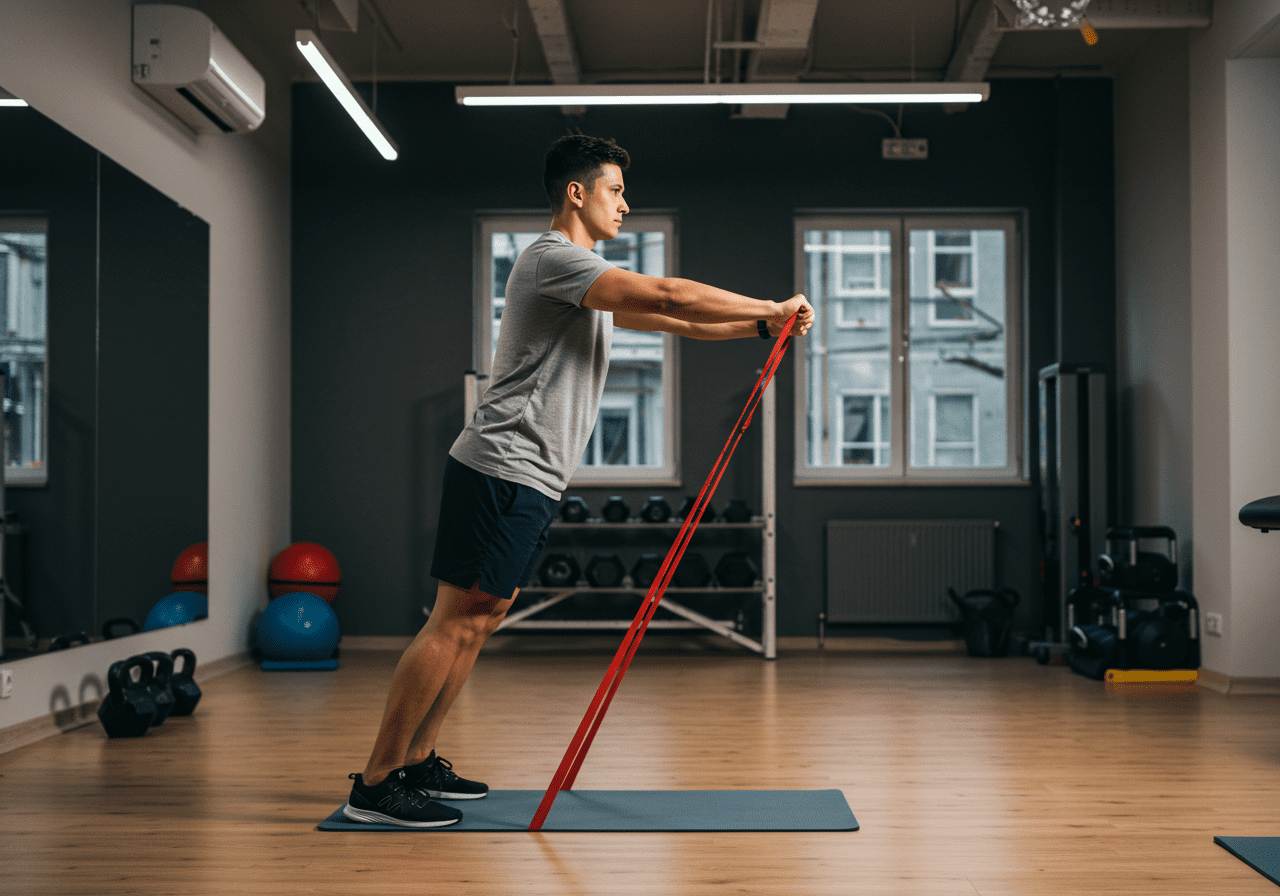
Warm-up — 8–10 minutes: easy bike or row (Zone 1–2), ankle rocks, hip openers, T-spine rotations, wrist circles, and 2–3 sets of band pull-aparts.
Skill primers (5–10 minutes):
PVC or empty-bar positions: hang to mid-thigh, jump-shrug, front rack holds, overhead squat with dowel.
3–5 reps per drill focusing on vertical bar path and full-foot pressure.
Main integration blocks (choose one per session):
Block A — Pull derivatives (easiest entry): clean pull or high pull 4×3–5 @ RPE 6–7. Focus on leg drive and tall finish.
Block B — Power clean or power snatch: 5–8 sets of 2–3 reps @ RPE 6–7. Rest 2–3 minutes between sets.
Block C — Complex (technique density): clean pull + hang power clean (2+1) x 5–6 sets @ RPE 6. Keep it snappy, not grinding.
Strength anchors (after power work):
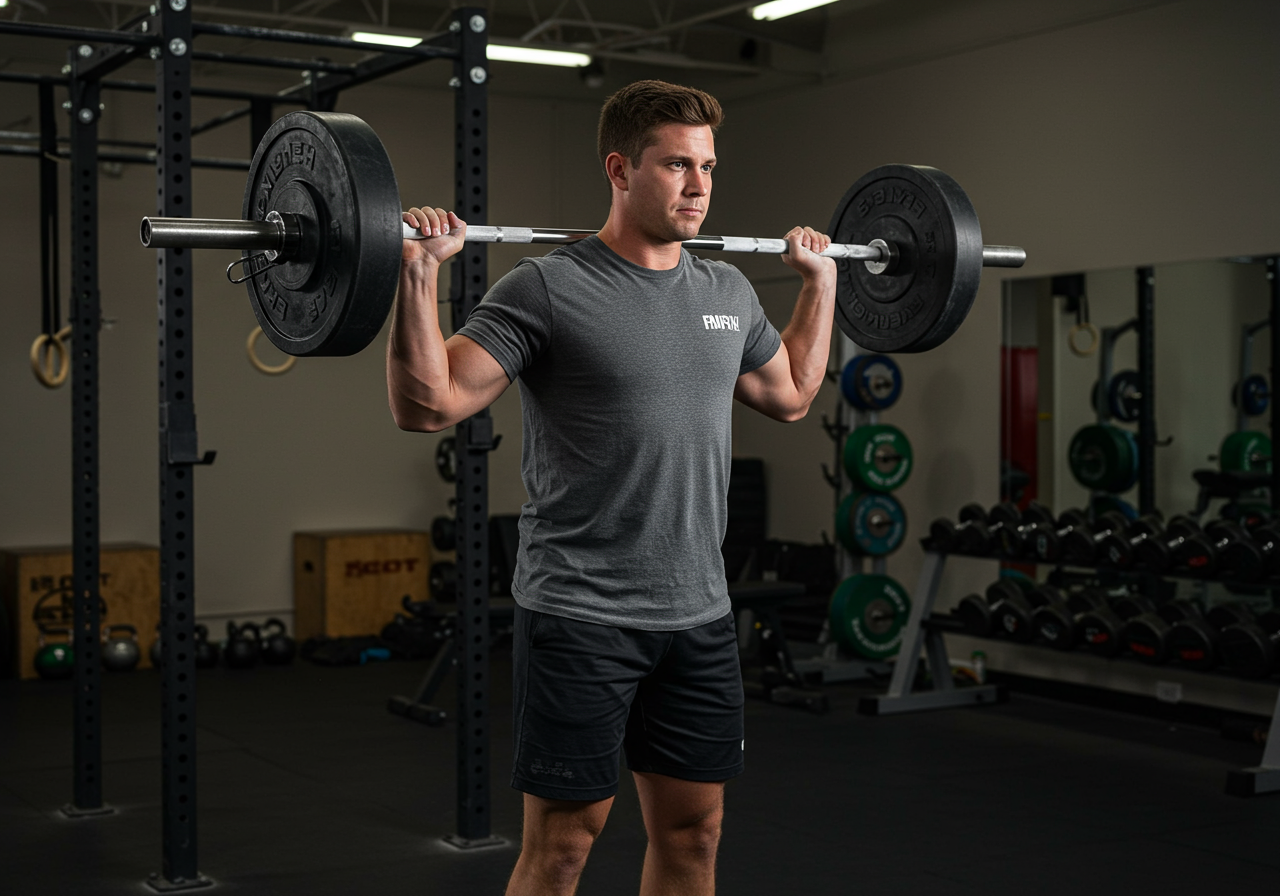
Front squat 3–5×3–5 @ RPE 7 to support clean receiving positions.
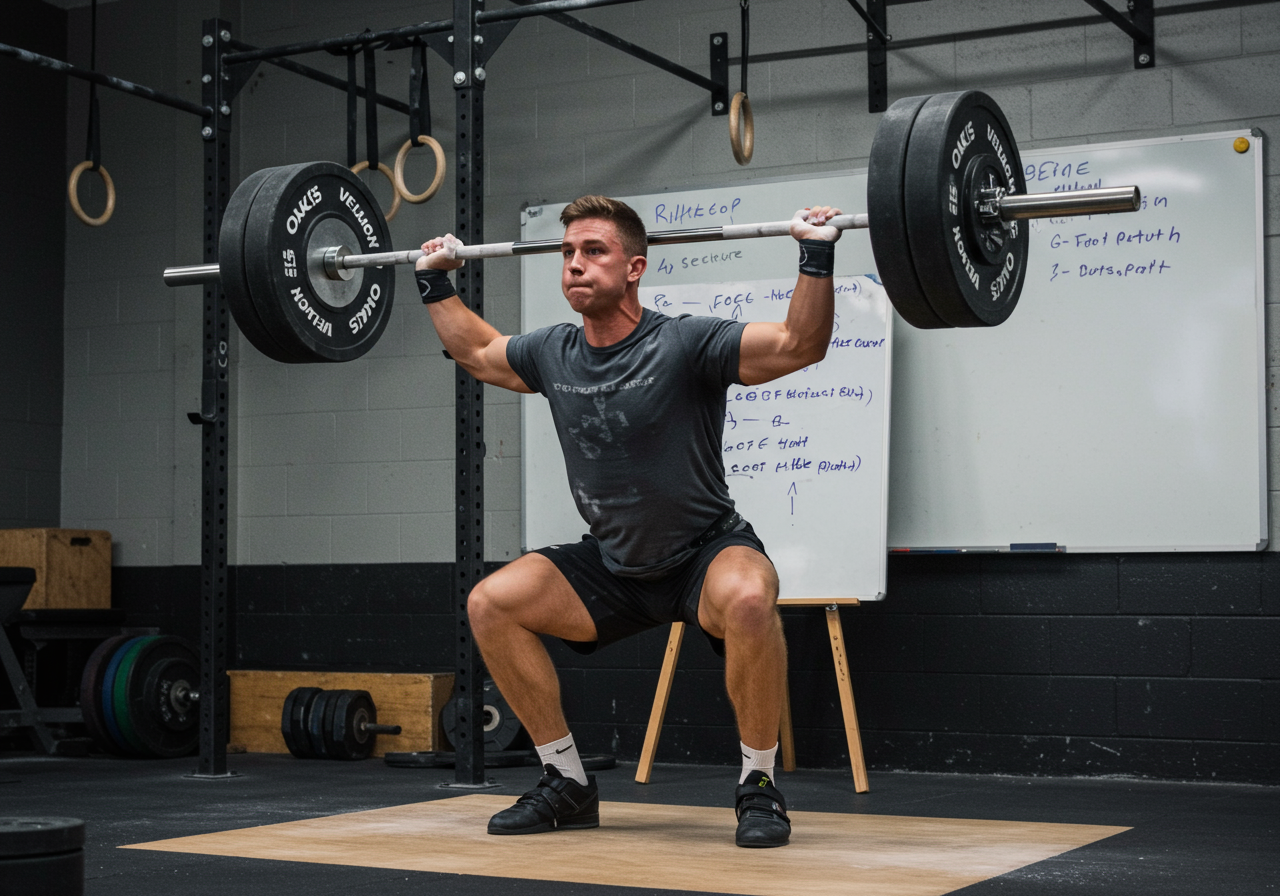
Overhead squat or snatch balance 3–4×2–4 (light) to groove overhead stability if snatching.
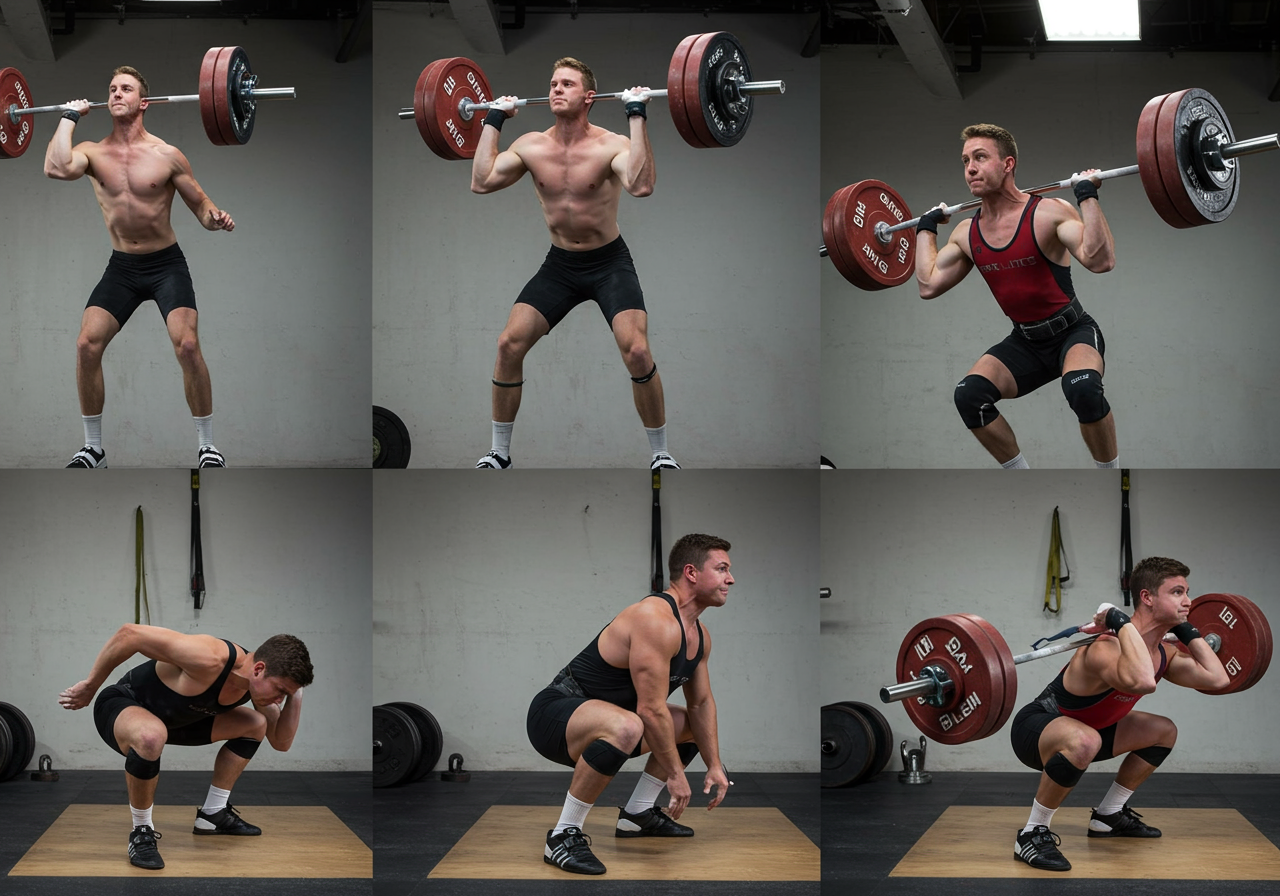
Start: knuckles down, lats tight, full foot. Bar over midfoot.
Drive: push the floor, keep the bar close, finish tall with straight arms, then fast elbows.
Receive: meet the bar; don’t dive. Front rack high, torso tall.
Session example (60–75 minutes):
Warm-up (10 min, HR Zone 1–2)
Power clean 6×2 @ RPE 6–7
Front squat 4×4 @ RPE 7
Row variation 3×8–12 + core 3×30–45s
Cooldown: breathing, calf/quad soft tissue, light band work
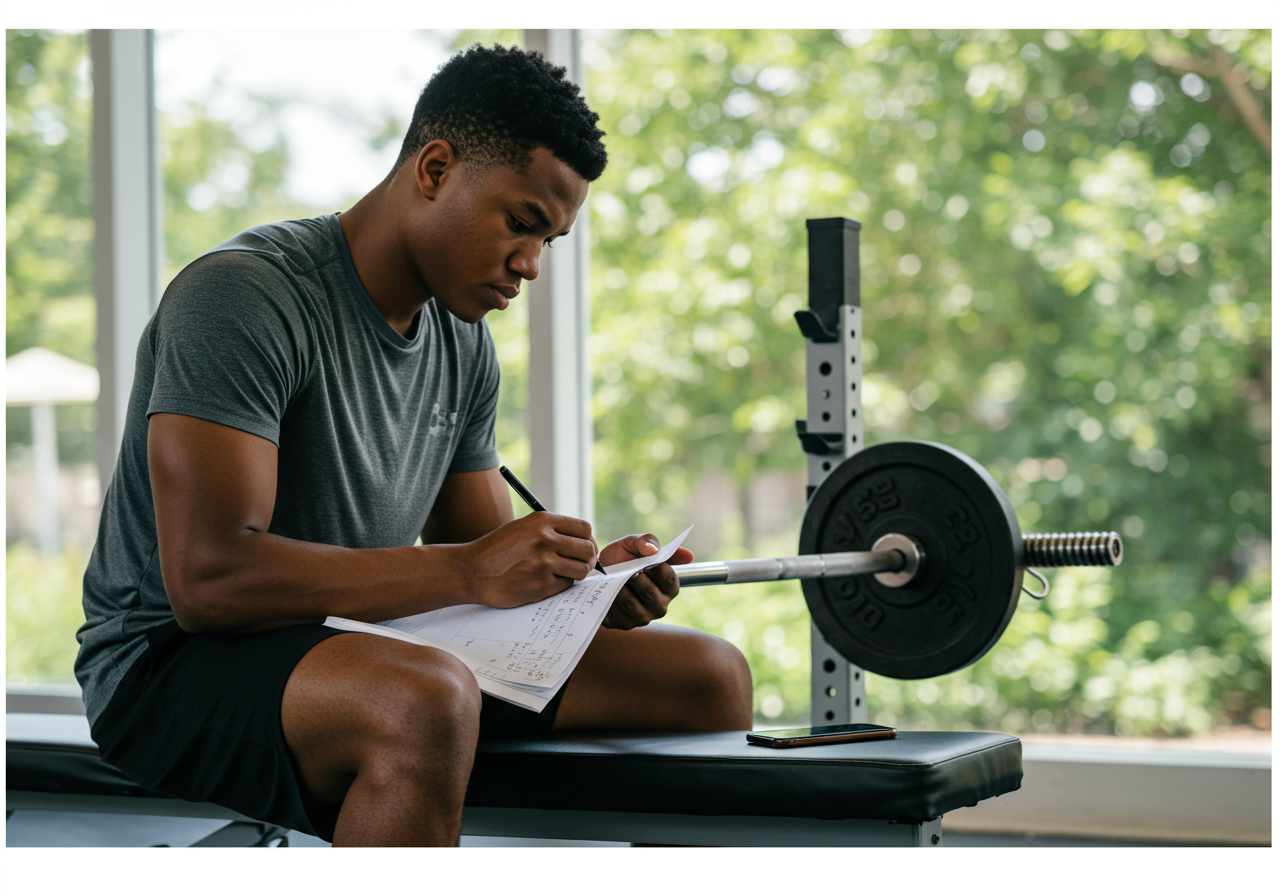
Tracking: record sets/reps/RPE and a few videos from the side and 45°. Apps like OnForm or Kinovea help check bar path. If available, a simple velocity device or timing your rep speed can double‑check intent.
Ten-Week Integration Path for Existing Strength Programs
Below is a simple 10–12 week path that slots into a typical 3–4 day strength split. Keep power work early in the session. Use RPE or comfortable bar speed over fixed percentages if unsure of 1RM.
Caption: Weekly plan showing when to add pull derivatives, power variations, and volume.
Weeks 1–2: 2x/week skill (PVC/empty bar), +1 day clean pulls 4x4 @ RPE 6; keep main squat/deadlift as usual.

Weeks 3–4: 1 day power clean 6x2 @ RPE 6–7; 1 day clean pulls 4x3; front squat 3x5 moderate; accessories light.

Weeks 5–6: Add hang power clean or high pull 5x3; front squat 4x4; overhead mobility 2x/week; deload volume by ~20% if joints feel beat.

Weeks 7–8: Power clean 7x2 slightly heavier; optional power snatch technique 5x2 light; main deadlift day reduced volume to protect recovery.

Weeks 9–10: Complexes (clean pull + hang power clean) (2+1) x 5; front squat 5x3; add single-leg work 3x8; keep reps crisp.

Weeks 11–12: Choose focus: test a clean double at comfortable speed, or stick with volume; briefly deload in final week if bar speed slows.

Long-term: Rotate 3–4 week blocks: pulls → power cleans → complexes. Keep one heavy strength day and one lighter speed day.
Beginner tips: master the front rack with finger stretch drills and thoracic openers. Intermediates: add paused turnovers and tall cleans. Advanced: add full clean/snatch only if mobility and positions are solid—quality beats load.
Client snapshots: A novice accountant learned the power clean using PVC for two weeks; by week six, her front squat felt more solid and her knee discomfort during stairs faded. An intermediate rugby player used pulls and hang variations and reported more snap in contact drills; his coach noted sharper first steps.
Manage Frequency, Intensity, and Address Common Training Issues
Frequency: start with 2 short technique exposures plus 1 power session per week. Intensity: aim for fast reps at RPE 6–7; stop sets when speed dips. Keep squats and pulls, but trim deadlift volume on your heaviest Olympic-lift week.
Safety first: learn the hook grip gradually, use flat lifting shoes or weightlifting shoes, and build the front rack with wrist/lat/tri mobility. Pain on catch? Reduce height, return to pulls, strengthen front squat and core, and reintroduce power variations later.
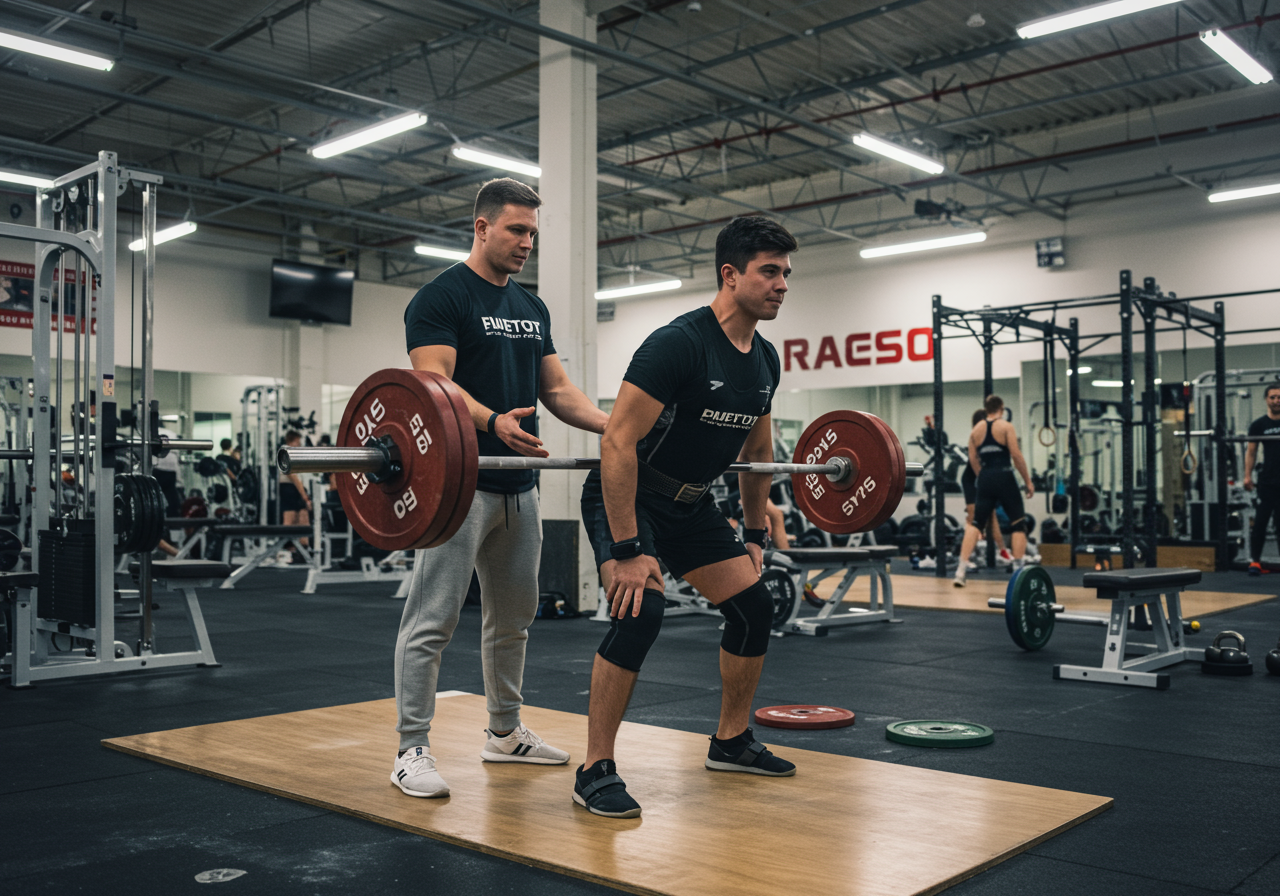
Plateaus and overuse: if elbows or knees complain, deload 20–30% volume, switch to high pulls for a week, and increase soft-tissue care. Motivation dips: film a clean single you’re proud of, set a low-stress PR like the smoothest double, or try a fun complex. If form stalls, book a session with a qualified coach.
Recovery and nutrition: aim for 1.6–2.2 g/kg protein daily, and place carbs (a banana or small bowl of oats) before training. Hydrate and add 3–5 g creatine monohydrate if appropriate. Sleep 7–9 hours. I log food in MyFitnessPal and watch HRV or morning readiness on Garmin/Whoop to spot red flags.
Monitoring: track sets/reps/RPE, bar speed intent, and video angles. For conditioning days, keep most work in Zone 2 so legs are fresh for power. If you enjoy data, note average set duration—shorter, snappier sets usually indicate better power output.
Next steps: once your power clean double feels automatic and front rack is comfortable, experiment with hang power snatches or push jerks.
Medical Disclaimer: The information provided on this website is for informational and educational purposes only and is not intended as personal medical or health advice. The content, including text, graphics, and images, is not a substitute for professional medical advice, diagnosis, or treatment. Always seek the advice of your physician or other qualified healthcare provider…
Medical Disclaimer: The information provided on this website is for informational and educational purposes only and is not intended as personal medical or health advice. The content, including text, graphics, and images, is not a substitute for professional medical advice, diagnosis, or treatment. Always seek the advice of your physician or other qualified healthcare provider…
Medical Disclaimer: The information provided on this website is for informational and educational purposes only and is not intended as personal medical or health advice. The content, including text, graphics, and images, is not a substitute for professional medical advice, diagnosis, or treatment. Always seek the advice of your physician or other qualified healthcare provider…
Medical Disclaimer: The information provided on this website is for informational and educational purposes only and is not intended as personal medical or health advice. The content, including text, graphics, and images, is not a substitute for professional medical advice, diagnosis, or treatment. Always seek the advice of your physician or other qualified healthcare provider…
Medical Disclaimer: The information provided on this website is for informational and educational purposes only and is not intended as personal medical or health advice. The content, including text, graphics, and images, is not a substitute for professional medical advice, diagnosis, or treatment. Always seek the advice of your physician or other qualified healthcare provider…
Medical Disclaimer: The information provided on this website is for informational and educational purposes only and is not intended as personal medical or health advice. The content, including text, graphics, and images, is not a substitute for professional medical advice, diagnosis, or treatment. Always seek the advice of your physician or other qualified healthcare provider…