Medical Disclaimer: The information provided on this website is for informational and educational purposes only and is not intended as personal medical or health advice. The content, including text, graphics, and images, is not a substitute for professional medical advice, diagnosis, or treatment. Always seek the advice of your physician or other qualified healthcare provider with any questions you may have regarding a medical condition or before starting any new exercise, nutrition, or supplement program. Never disregard professional medical advice or delay in seeking it because of something you have read on this blog. Reliance on any information provided by this site is solely at your own risk.
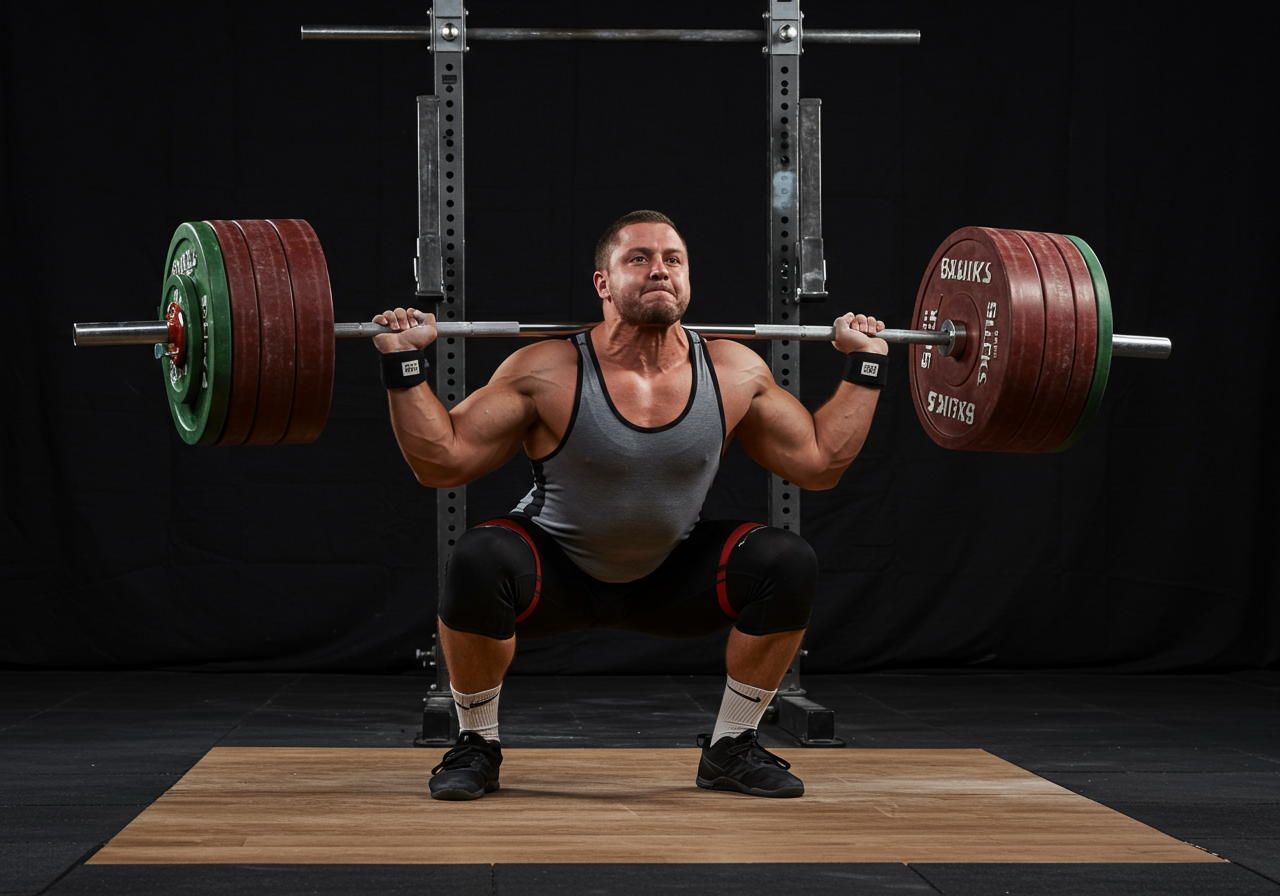
Tempo and time under tension are the levers that drive muscle growth when you program them with intent. For most lifters, 2–4s eccentrics, 1s concentrics, and brief pauses within 8–15 reps optimize tension and joint comfort.
In the next minutes, you’ll learn a complete system to plan tempos, select rep ranges, track progress, and combine strength work with mobility and cardio so you grow muscle without wrecking recovery.
Why Slower Eccentrics Build More Muscle Safely
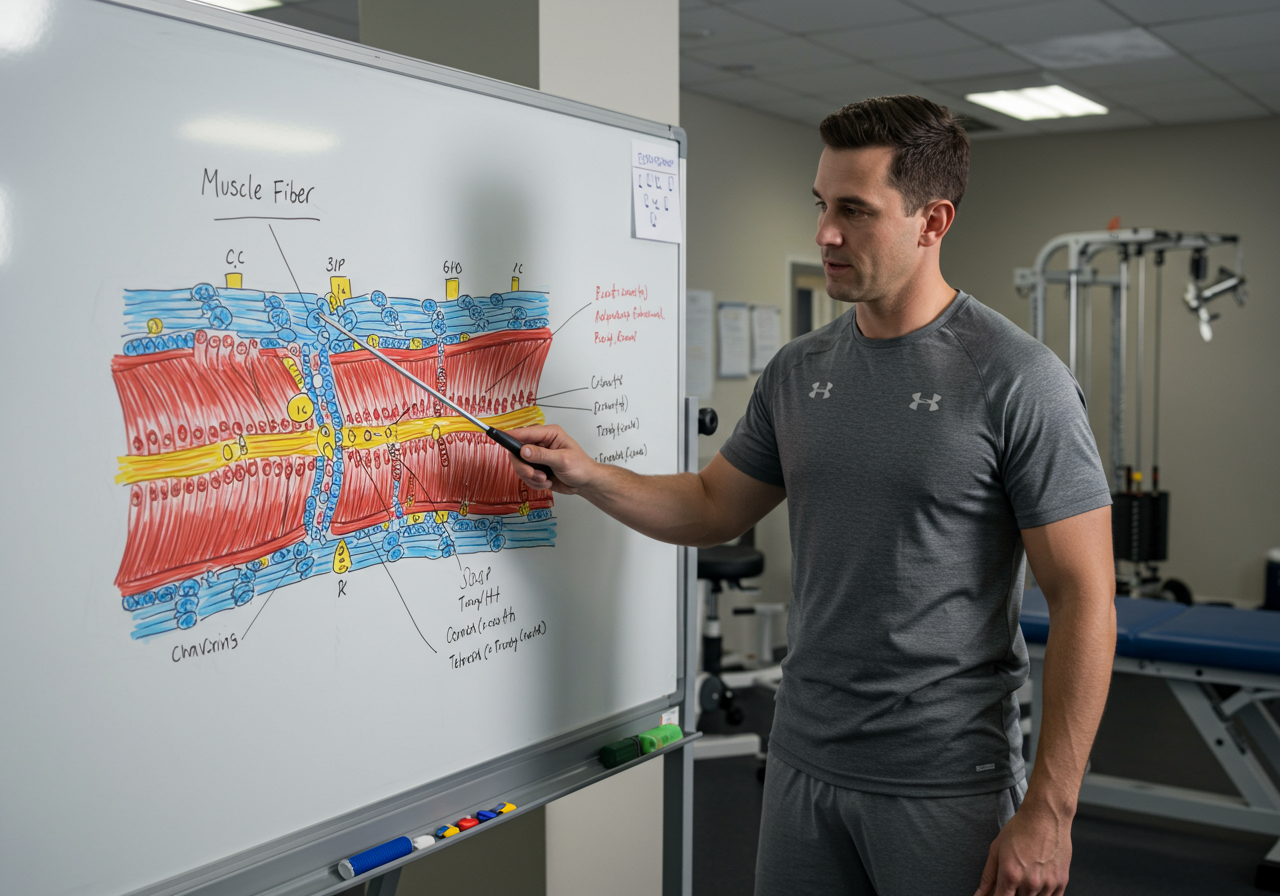
Muscle grows when fibers experience enough mechanical tension for long enough, then get fuel and rest to rebuild. Eccentrics (the lowering phase) can load fibers more efficiently than concentrics, and pauses increase recruitment at weak ranges. Constant-tension sets extend the working time, raising metabolic stress.
In peer‑reviewed research, controlled eccentrics often produce similar or greater hypertrophy than fast reps at the same volume, especially when total work time per set lands around 30–60 seconds. In practice studies, lifters who standardize tempo track progress more reliably because the stimulus is consistent.
My logbook note: when I slowed hack squat lowers to 3–4s for 8–10 reps, quad growth improved while knee irritation declined. Two clients echoed this—Maya reported a stronger quad pump and no elbow ache on presses after we added 1–2s pauses; Derrick broke a 6‑month press plateau by controlling eccentrics and trimming junk volume.
Trade‑offs exist: slower reps reduce absolute load and can prolong fatigue. That’s useful for muscle, but you still need some heavier, faster work for strength and athleticism. We’ll blend both.
Four-Digit Tempo Code and Tension Timing
Step 1 — Learn the 4‑digit tempo code. Example: 3‑1‑1‑0 = 3s down (eccentric), 1s pause, 1s up (concentric), 0s at the top. For pulls, first digit is the lower phase toward gravity.
Step 2 — Choose your goal zone. Hypertrophy sets work well with 30–60 seconds of tension. Practical combo: 2–4s down, 0–1s pause, 1–2s up, minimal top pause.
Step 3 — Pick reps and match tempo. 8–12 reps with 3‑0‑1‑0 gives ~32–48s of tension. 12–15 reps with 2‑1‑2‑0 gives ~60s. Keep 2–3 minutes rest for compounds, 60–90 seconds for accessories.
Step 4 — Use precise cues. Think “smooth down, soft pause, drive up, no bounce.” Keep the bar path consistent. Breathe: gentle brace on the way down, exhale as you push up.
Step 5 — Log the stimulus. Record load, reps, tempo, and RIR (reps in reserve). Apps I like: Strong, Hevy, or a simple Google Sheet. Note pain (0–10), and rate sets at RPE 7–9 for working sets.
Step 6 — Sample session (45–60 min). – Warm‑up: 5 min Zone 1–2 bike + dynamic hips/shoulders. – Back squat: 3×6–8 @ 3‑1‑1‑0, RIR 2, rest 2–3 min. – Bench press: 3×8–10 @ 3‑0‑1‑0, RIR 1–2. – Chest‑supported row: 3×10–12 @ 2‑1‑2‑1, constant tension. – Lateral raise: 2×12–15 @ 2‑1‑2‑0 + 1 back‑off drop set. – Optional finisher: Leg extension 1×12 @ 2‑1‑2‑1 with a 10‑second stretch at the end.
Step 7 — Conditioning & mobility. Add 20–30 min Zone 2 cardio 1–2×/week to aid recovery; I track with Garmin/Strava, keeping HR conversational. Post‑lift: 5 min of targeted mobility (hips, T‑spine).
Fuel & sleep. Aim protein 1.6–2.2 g/kg/day, carbs to support training (3–6 g/kg on hard days), fats 0.6–1.0 g/kg. Maintain a slight surplus (+200–300 kcal) for growth. Sleep 7–9 hours; creatine monohydrate 3–5 g/day is a helpful baseline supplement. I log intake in MyFitnessPal weekly, not obsessively daily.
Coach note: If a lift feels sketchy, keep the eccentric and pause, but cut load and range to pain‑free motion. Rebuild gradually.
Eight-Week Progression from Beginner to Advanced
Use this 8–12 week arc to layer skills without stalling. Start where you are.
Caption: Plain‑text table shows a week‑by‑week tempo plan.
Week 1–2: Technique base — 2‑0‑2‑0, RIR 3, 2–3 sets/ lift, focus on control

Week 3–4: Eccentric focus — 3‑0‑1‑0, RIR 2, add 1 set on compounds

Week 5–6: Pauses — 3‑1‑1‑0, RIR 1–2, add 1–2s pauses at weakest range

Week 7: Deload — cut sets by 40–50%, keep 2‑0‑2‑0

Week 8–9: Intensify — 4‑0‑1‑0 on last set or add top‑range partials

Week 10–12: Mixed tempos — compounds 3‑0‑1‑0; accessories 2‑1‑2‑0; 1 heavy top set fast concentric
Beginner track. Train 3 days/week full‑body. Two compounds per session (3×6–8 @ RPE 7), two accessories (2×10–15). Keep rests longer than you think. Add 1 Zone 2 ride or brisk walk (20–30 min).
Intermediate track. Upper/lower split 4 days/week. Top set + back‑offs on compounds: e.g., 1×6 @ RPE 8 with fast-but-controlled up phase, then 2×8 @ 3‑0‑1‑0. Accessories 3×10–15 constant tension. Add 1–2 cardio sessions (Zone 2 and a short interval day) and 10‑minute mobility flows post‑lift.
Advanced track. Push–pull–legs or upper/lower with specialization. Rotate stimuli: Week A uses longer eccentrics; Week B adds pauses; Week C uses constant tension metabolite work. Keep one exposure to heavier power work (e.g., squat doubles @ RPE 7 with crisp concentric) to maintain strength.
Personal checkpoint. On my last 8‑week block, average hack squat set time rose from ~30s to ~48s while load increased modestly. I logged weekly PRs in reps at the same load and my joints felt better. Your mileage will vary, but consistent tempo makes progress easier to see.
References & Further Reading
The following peer-reviewed research and authoritative guidelines support the recommendations in this article:
Frequency. For muscle, 10–20 hard sets per muscle per week works well for many. Spread over 2–4 sessions. Keep 1–2 reps in reserve most of the time.
Common mistakes. – Rushing the eccentric. Use a silent metronome count. – Adding load but losing the tempo. If time‑under‑tension drops below 25–30s, you changed the stimulus. – Skipping pauses at sticking points. Short holds improve control and confidence. – Too much failure. Save it for the final set on 1–2 accessories.
Troubleshooting. – Plateau: keep the same weight but add 1s to the eccentric for 2 weeks; or add a 1s pause; or increase total weekly sets by 2. – Sore joints: shorten range to pain‑free, use 3‑1‑2‑0 tempo with lighter loads, and add isometric holds mid‑range. If pain persists, consult a clinician. – Motivation dips: reduce decisions. Pre‑write tempos in your log, train at the same time, and use a timer app (I like Seconds).
Recovery monitoring. Track morning readiness (HRV/resting HR via Garmin/Whoop/Fitbit), sleep hours, and a simple soreness score. If two of three trend down for 3+ days, pull back volume or lengthen rests.
Nutrition reminders. Hit daily protein, keep a small calorie surplus, salt meals, and hydrate. Caffeine can help performance; avoid late if it harms sleep. Creatine 3–5 g/day is low‑risk for healthy adults.
Client snapshot. “I stopped chasing weight and started chasing control. After six weeks, my elbows stopped barking and my chest finally grew.” — Maya, novice lifter.
Next steps. Save this plan, copy the tempos into your log, and test one lift today with a 3‑1‑1‑0 tempo.
Medical Disclaimer: The information provided on this website is for informational and educational purposes only and is not intended as personal medical or health advice. The content, including text, graphics, and images, is not a substitute for professional medical advice, diagnosis, or treatment. Always seek the advice of your physician or other qualified healthcare provider…
Medical Disclaimer: The information provided on this website is for informational and educational purposes only and is not intended as personal medical or health advice. The content, including text, graphics, and images, is not a substitute for professional medical advice, diagnosis, or treatment. Always seek the advice of your physician or other qualified healthcare provider…
Medical Disclaimer: The information provided on this website is for informational and educational purposes only and is not intended as personal medical or health advice. The content, including text, graphics, and images, is not a substitute for professional medical advice, diagnosis, or treatment. Always seek the advice of your physician or other qualified healthcare provider…
Medical Disclaimer: The information provided on this website is for informational and educational purposes only and is not intended as personal medical or health advice. The content, including text, graphics, and images, is not a substitute for professional medical advice, diagnosis, or treatment. Always seek the advice of your physician or other qualified healthcare provider…
Medical Disclaimer: The information provided on this website is for informational and educational purposes only and is not intended as personal medical or health advice. The content, including text, graphics, and images, is not a substitute for professional medical advice, diagnosis, or treatment. Always seek the advice of your physician or other qualified healthcare provider…
Medical Disclaimer: The information provided on this website is for informational and educational purposes only and is not intended as personal medical or health advice. The content, including text, graphics, and images, is not a substitute for professional medical advice, diagnosis, or treatment. Always seek the advice of your physician or other qualified healthcare provider…