Medical Disclaimer: The information provided on this website is for informational and educational purposes only and is not intended as personal medical or health advice. The content, including text, graphics, and images, is not a substitute for professional medical advice, diagnosis, or treatment. Always seek the advice of your physician or other qualified healthcare provider with any questions you may have regarding a medical condition or before starting any new exercise, nutrition, or supplement program. Never disregard professional medical advice or delay in seeking it because of something you have read on this blog. Reliance on any information provided by this site is solely at your own risk.
Speed and power workouts for strength athletes unlock heavier lifts without grinding. To train for explosive strength, combine short sprints, plyometrics, and fast submaximal lifts twice weekly.
In this guide, you’ll get a simple system that links jumps, sprints, and barbell speed work to your main lifts. You’ll learn session structure, weekly progressions from beginner to advanced, and how to validate results without guesswork.
Explosiveness is the bridge between strong and dominant. Fast work improves rate of force development, neural drive, and tendon stiffness—qualities that help you move heavy loads sooner in the lift. In practice and in peer‑reviewed research, properly dosed sprints and plyometrics enhance jump height and bar speed, which often carry over to bigger totals.
What I see on the floor: when an athlete adds quality jumps and short accelerations, the bar leaves the rack faster, sticking points shorten, and technique cleans up under submaximal loads. After an 8‑week power block, my own power clean rose 2.5 kg, and average squat bar speed at ~60% 1RM improved noticeably. A client, Ana (national-level powerlifter), added 7.5 kg to her deadlift after 10 weeks while keeping RPEs lower during the pull. That’s not a controlled study, but it aligns with field reports.
Testimonial: “The short sprints and jump pairings made heavy squats feel poppier. Warm‑ups were quicker, and my knees felt better than during volume blocks.” — Ana F.
We tracked sessions with Garmin for heart rate, MyFitnessPal for protein and carbs around training, and a basic velocity app for bar speed when available. Even without devices, consistent RPE targets and simple tests (10 m sprint, standing vertical) confirm progress.
How to Structure Speed and Power Sessions
Session length: 45–60 minutes. Run these on fresh days or before submax strength work.
Plyometric block (10–15 min) – Choose 1–2 drills: countermovement jump, broad jump, hurdle hop, or low box jump. – 3–5 sets of 2–3 reps; long rests (60–120 s). Land softly, ribs down, knees track over toes. – Keep contact quality high; stop if jumps slow or landings get noisy.
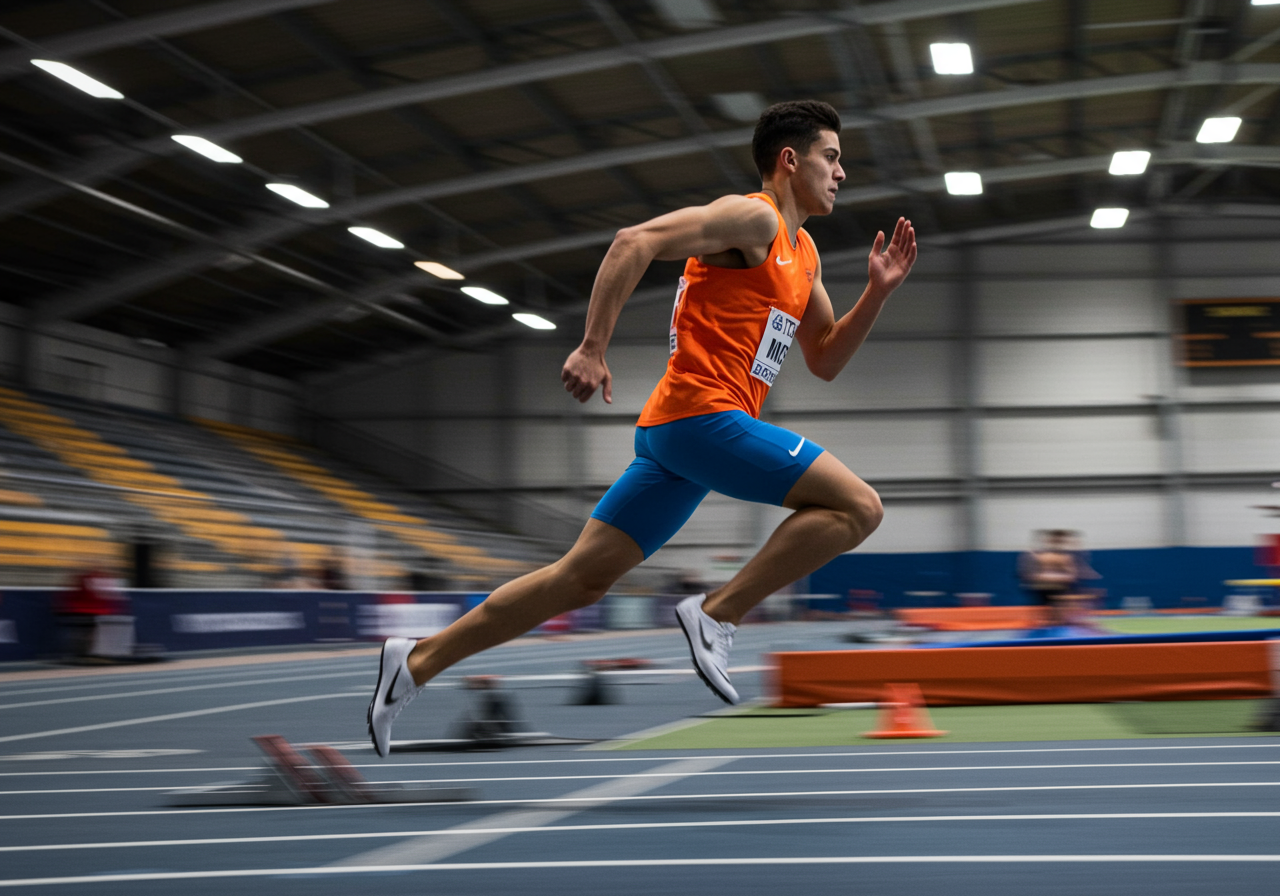
Acceleration or sprint options (10–15 min) – Hill sprints or 10–30 m flat accelerations: 4–8 reps, full recovery (~60–120 s). – Bike/row erg alternative: 6–10 seconds all‑out, 60–90 seconds easy, 6–8 reps. – Cue: forward shin angle, punch the ground, stay tall after first 10 m. Aim 85–95% max HR peak, but only if recovered between reps.
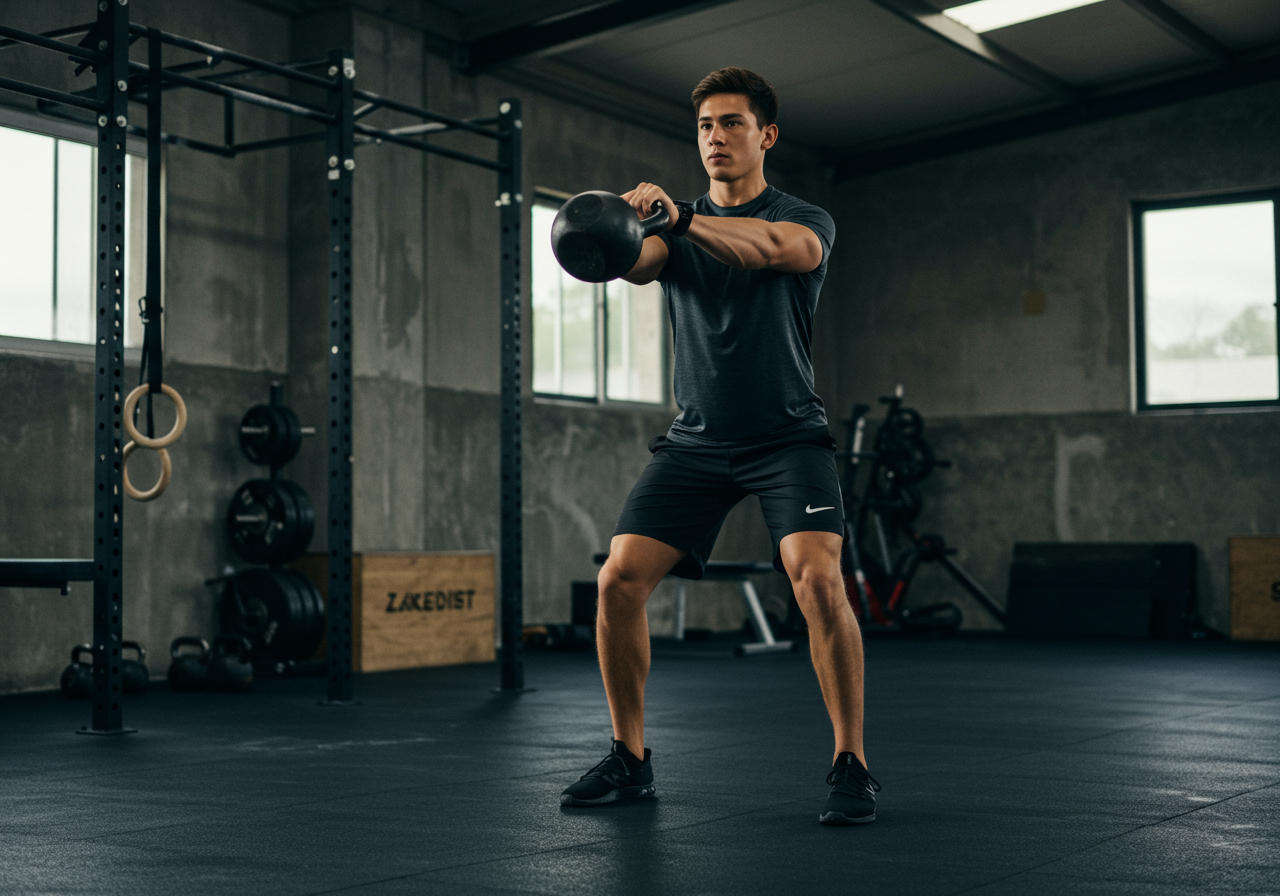
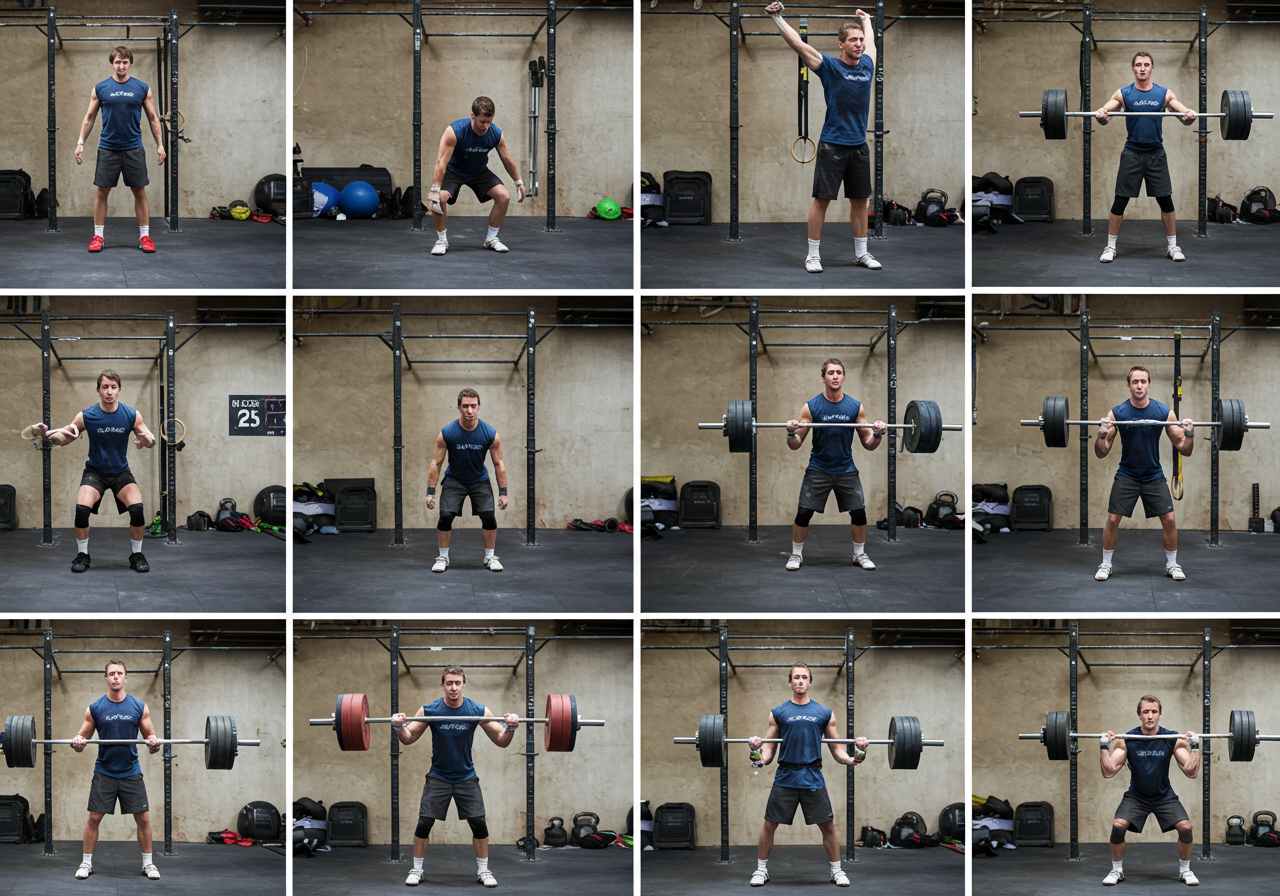
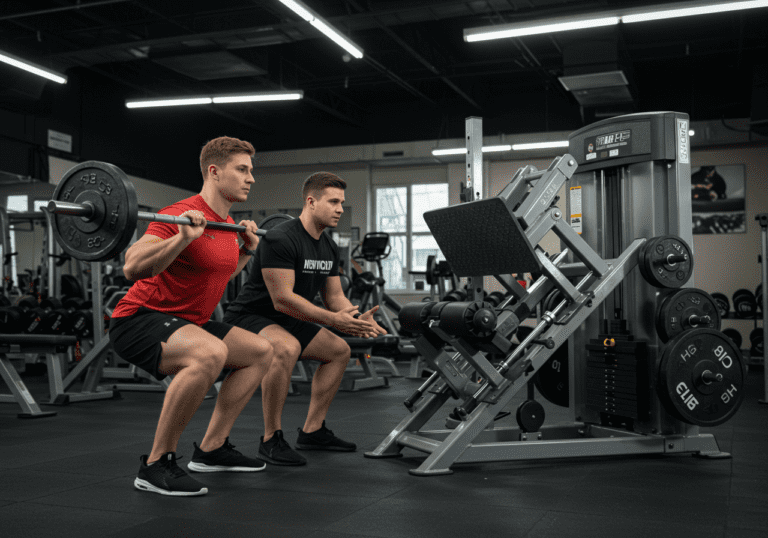
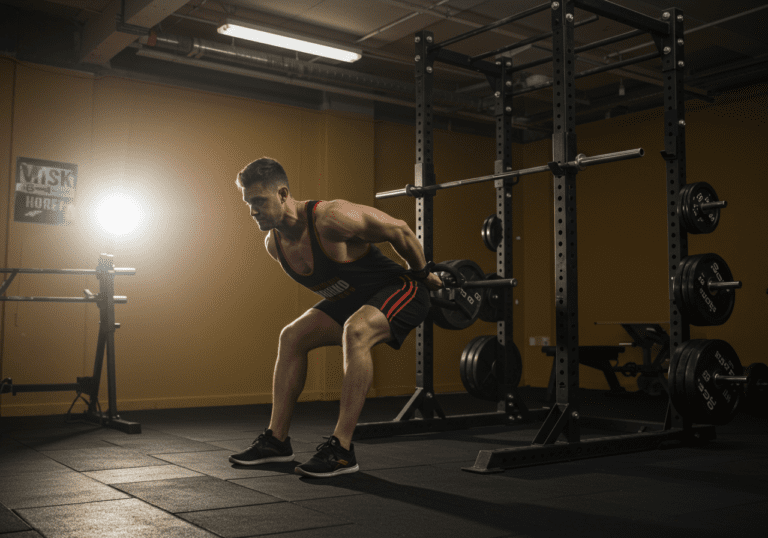
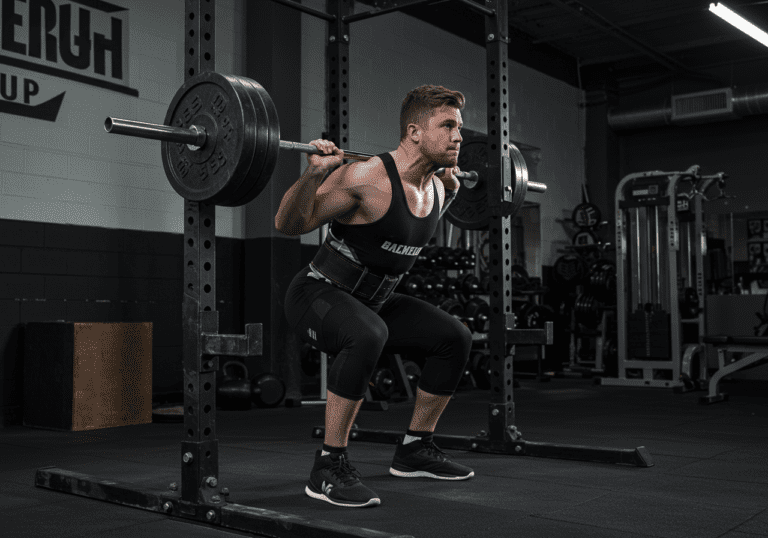
Barbell speed work (12–18 min) – Choose one: jump squat (20–30% 1RM), trap‑bar jump (20–40%), speed squat/bench/deadlift (40–65% 1RM), or Olympic‑lift derivatives (hang high pull, power clean technique work). – 5–8 sets of 2–3 reps, RPE 6–7. Every rep should look and feel snappy. – With velocity tracking, target roughly 0.6–0.9 m/s for squats, 0.8–1.0 m/s for bench. Without devices, stop a set when rep speed drops.
Real session example (my log): 50 minutes. Jumps: 4×3 countermovement. Sprints: 6×20 m, 75–90 s rest, peak HR 166 (Garmin). Speed squat: 6×3 @ 55% 1RM, RPE 6; last set dropped due to bar speed. Finished with 5 minutes zone‑2 bike and calf/hip flossing.
Beginner to Advanced Progressions
Use two speed‑power sessions per week, 48–72 hours apart. Keep main strength work on separate or later sessions. Deload every 4th or 5th week as needed.
8‑Week map (two sessions per week) — plain‑text table
Beginner track – Surfaces: grass/hill; pick low‑impact jumps (box step‑down jumps). – Keep sprints to 10–20 m, 4–6 reps. – Use lighter loads (40–50%) and stop sets early at the first speed drop.
Intermediate track – Add hurdle hops or broad jumps; 15–30 m sprints. – Rotate barbell derivatives (trap‑bar jumps, speed squat/bench). – Contrast once per week.
Advanced track – Layer short fly‑ins (10 m build + 10–20 m sprint). – Alternate heavy technique pulls (e.g., hang high pull @ 60–70%) with jump squats @ 20–30% in different sessions. – Use velocity targets to micro‑adjust loads session‑to‑session.
Validation checkpoints – Before and after block (allow 48–72 h recovery): standing vertical jump, 10 m sprint time, and average bar speed with a fixed load (e.g., 60% squat for 3 reps). – Optional: power clean technique set video for bar speed feel. Expectation: crisper movement and improved times/heights; big PRs are possible but not guaranteed.
Programming Tips and Safety
Frequency: 1–2 dedicated sessions weekly. Keep reps low, rests long, and intent high. Place them away from your heaviest lower‑body days or run them before submax strength.
Safety: Sprint on safe surfaces (turf/track/grass), build volume gradually, and prioritize soft, quiet landings. If you feel Achilles or hamstring tightness, cut volume and switch to hill sprints or bike sprints for a week.
Recovery & nutrition: Aim for 7–9 hours of sleep. Protein 1.6–2.2 g/kg/day and carbs 3–5 g/kg on speed days (MyFitnessPal helps). Creatine 3–5 g daily supports power; caffeine (2–3 mg/kg) pre‑session can help if tolerated. Hydrate and add electrolytes in heat.
Monitoring: Use RPE and simple tests. Weekly: 3 test jumps after warm‑up; stop if lower than usual. Track 10 m sprint time monthly. If you have HRV via Garmin/WHOOP, dial back when HRV tanks or resting HR climbs.
Troubleshooting – Plateaus: Reduce contacts by 20–30% for one week, then re‑build; switch jump drill or sprint distance. – Overreaching: Cut sprint count in half, skip contrast work, add an easy zone‑2 day. – Motivation dip: Keep the session under 40 minutes, chase a single quality metric (best jump). – Niggles: Swap flat sprints for hills/bike, pick box jumps, and lower barbell loads.
Client note: “Two short, focused sessions fit my heavy bench and squat days. The deload week kept my knees fresh, and I still hit a meet PR.” — Marco P.
Next steps: Download the session template, film one set weekly, and log metrics. If you want my spreadsheet with auto‑adjusted velocity targets.
Medical Disclaimer: The information provided on this website is for informational and educational purposes only and is not intended as personal medical or health advice. The content, including text, graphics, and images, is not a substitute for professional medical advice, diagnosis, or treatment. Always seek the advice of your physician or other qualified healthcare provider…
Medical Disclaimer: The information provided on this website is for informational and educational purposes only and is not intended as personal medical or health advice. The content, including text, graphics, and images, is not a substitute for professional medical advice, diagnosis, or treatment. Always seek the advice of your physician or other qualified healthcare provider…
Medical Disclaimer: The information provided on this website is for informational and educational purposes only and is not intended as personal medical or health advice. The content, including text, graphics, and images, is not a substitute for professional medical advice, diagnosis, or treatment. Always seek the advice of your physician or other qualified healthcare provider…
Medical Disclaimer: The information provided on this website is for informational and educational purposes only and is not intended as personal medical or health advice. The content, including text, graphics, and images, is not a substitute for professional medical advice, diagnosis, or treatment. Always seek the advice of your physician or other qualified healthcare provider…
Medical Disclaimer: The information provided on this website is for informational and educational purposes only and is not intended as personal medical or health advice. The content, including text, graphics, and images, is not a substitute for professional medical advice, diagnosis, or treatment. Always seek the advice of your physician or other qualified healthcare provider…
Medical Disclaimer: The information provided on this website is for informational and educational purposes only and is not intended as personal medical or health advice. The content, including text, graphics, and images, is not a substitute for professional medical advice, diagnosis, or treatment. Always seek the advice of your physician or other qualified healthcare provider…

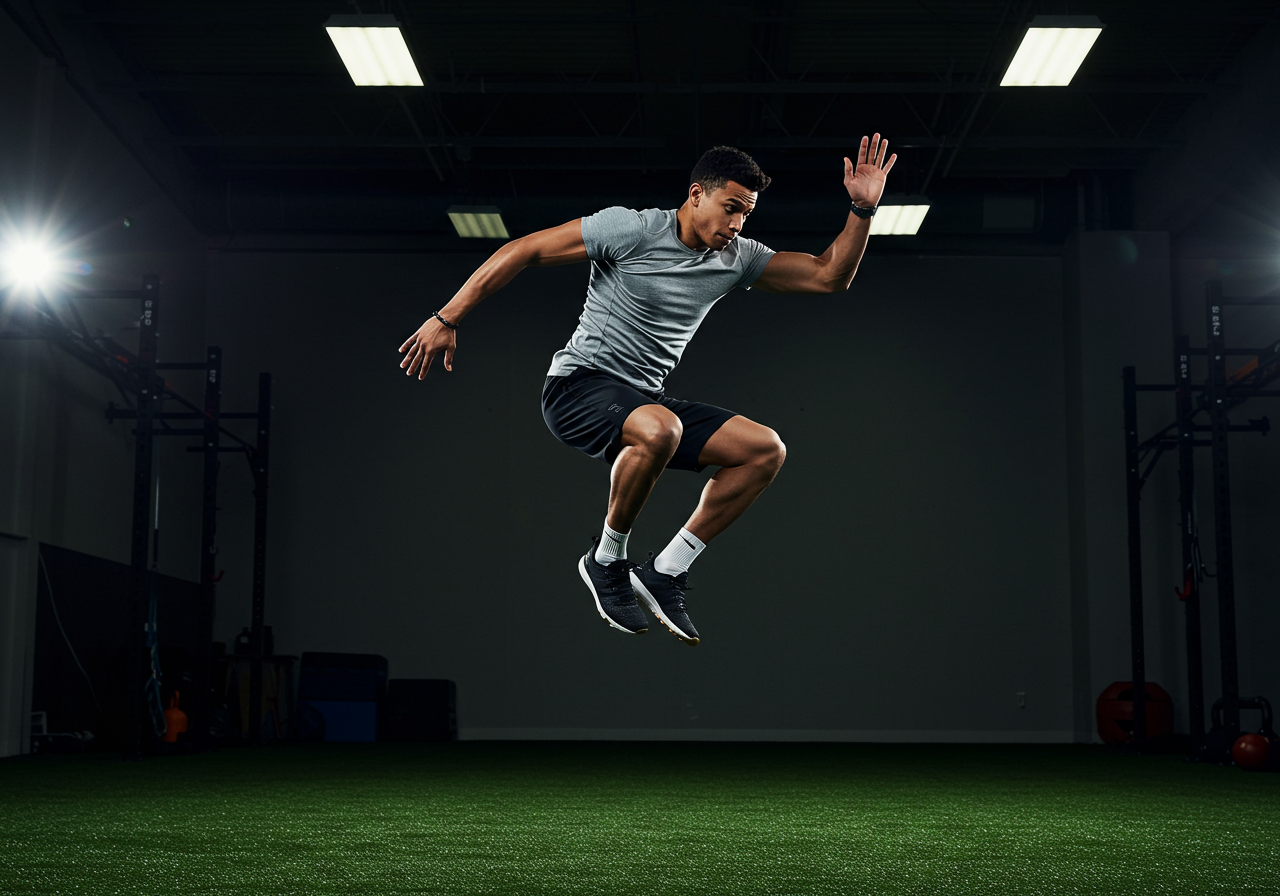 Speed and power workouts for strength athletes unlock heavier lifts without grinding. To train for explosive strength, combine short sprints, plyometrics, and fast submaximal lifts twice weekly.