Medical Disclaimer: The information provided on this website is for informational and educational purposes only and is not intended as personal medical or health advice. The content, including text, graphics, and images, is not a substitute for professional medical advice, diagnosis, or treatment. Always seek the advice of your physician or other qualified healthcare provider with any questions you may have regarding a medical condition or before starting any new exercise, nutrition, or supplement program. Never disregard professional medical advice or delay in seeking it because of something you have read on this blog. Reliance on any information provided by this site is solely at your own risk.
Build Balanced Legs with Single-Leg Training Progressions
Single-leg strength exercises fix wobbly knees, even out leg size, and translate to real-world power. This guide shows you the exact routines, weekly progressions, and recovery rules I use with new lifters and busy clients.
Train them 2–3 days weekly, progress load and range, and expect steadier knees and bigger quads within 8–12 weeks.
Science-Backed Benefits for Stability and Muscle Growth
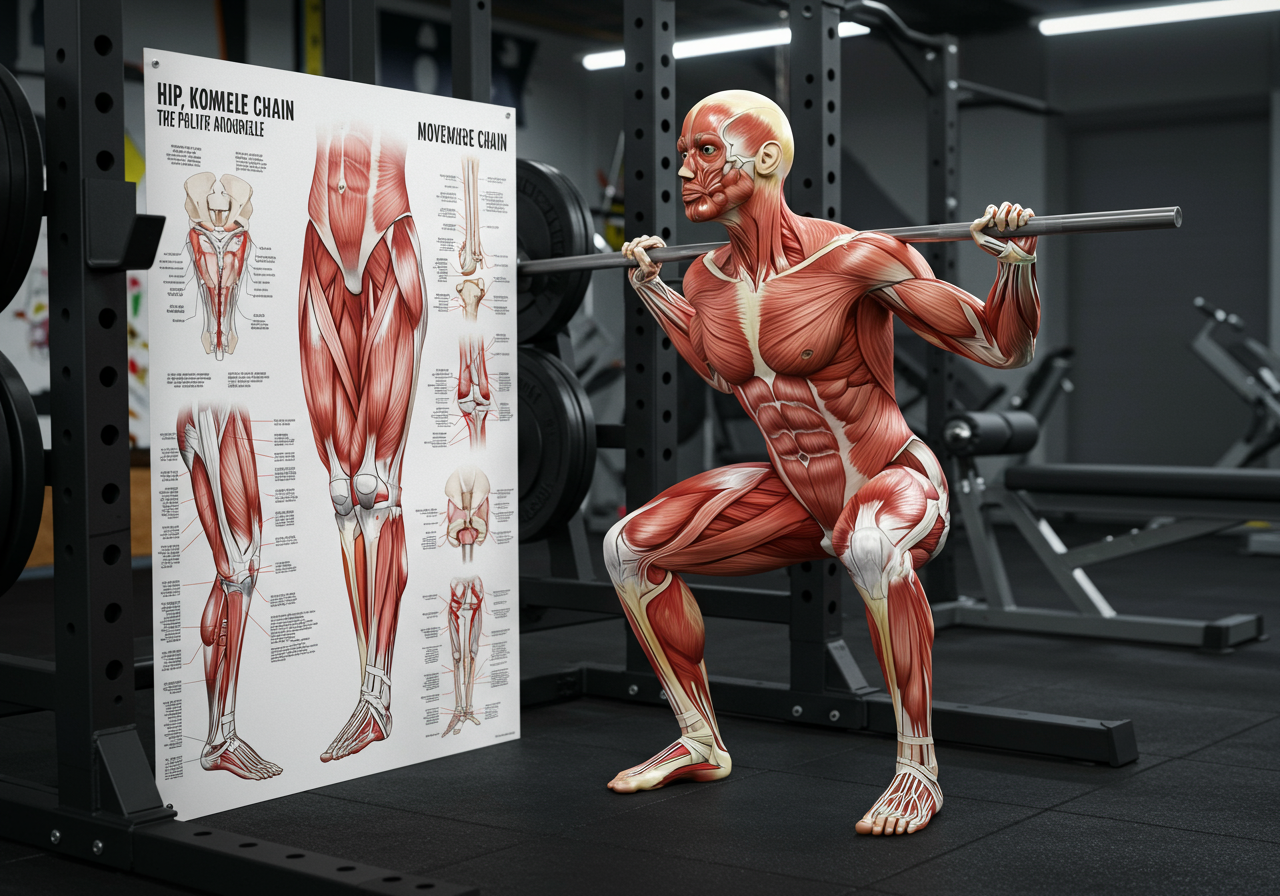
Unilateral work recruits the hip stabilizers (glute med/min), quads, hamstrings, and calves while demanding balance and pelvic control. Because each leg works alone, you can load the target muscles hard without heavy spine compression. In practice and in peer-reviewed research, hypertrophy is comparable to bilateral training when volume is matched, and joint control often improves faster.
Single-leg movements also leverage cross-education: training the stronger side can help maintain the weaker side during injury downtime. For desk-bound bodies, these drills groove better knee tracking and ankle mobility, which often cleans up squat depth and running stride.
Coach’s note: when I shifted one client’s lower-body day to 60% unilateral work for eight weeks, her back felt fresher and her split squat depth improved a full fist, with less knee cave on video. A typical comment I hear:
“Stairs stopped hurting by week 4, and my quads looked fuller in shorts.” — Maya, 42, desk job
Complete Exercise Setup and Execution Techniques
Warm-up — 5–8 minutes easy movement in HR Zone 1–2 (bike or brisk walk), then 2 rounds of: 10 walking lunges, 8 hip airplanes per side, 10 calf raises, 10 side-lying clamshells per side.
Movement checks: Film a bodyweight split squat from the front. Look for knee tracking over the middle toes, level hips, and quiet feet. Use a mirror only for setup; rely on video for honest feedback.
Primary lifts (pick 2–3):
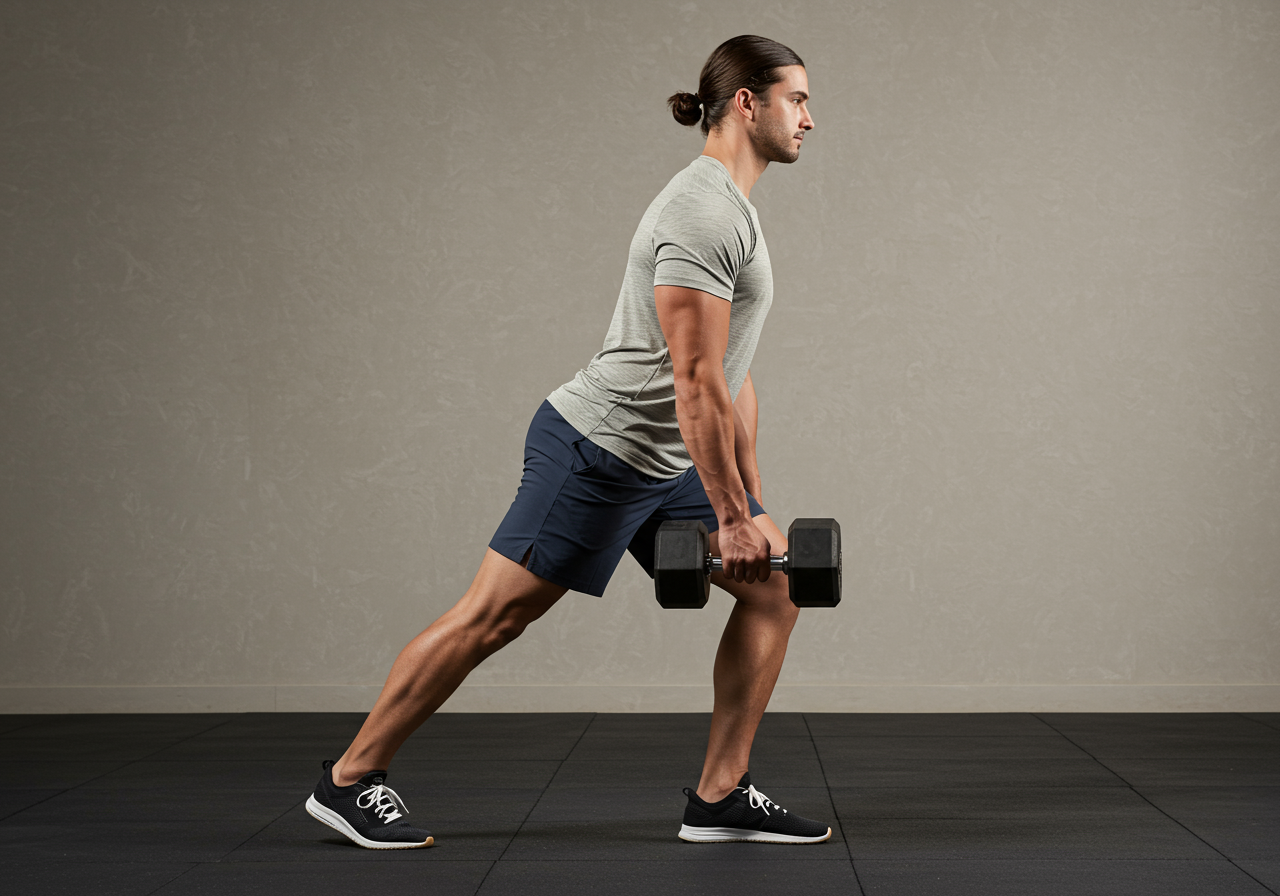
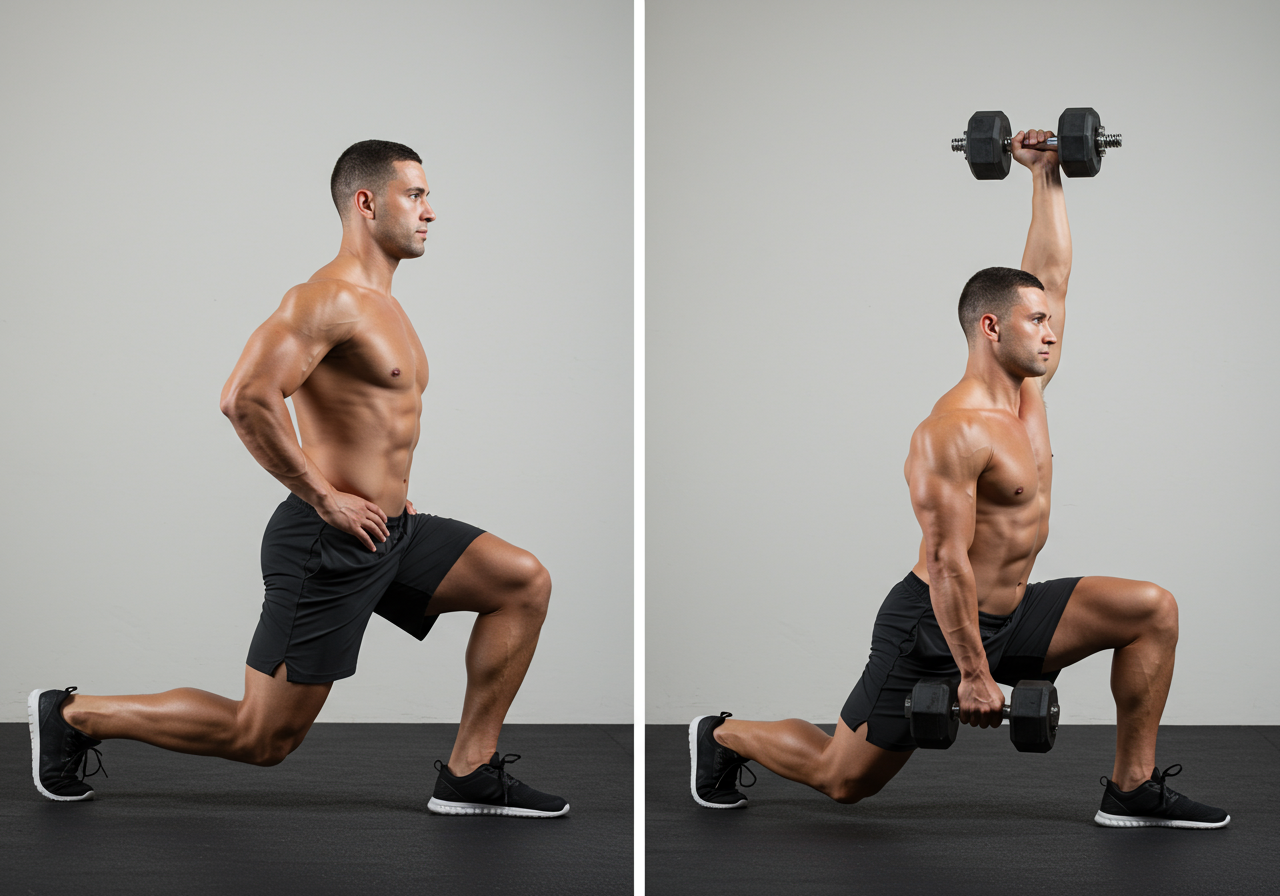
Bulgarian Split Squat — 3–4 sets of 6–10/side at RPE 7–9. Cue: tall chest, slight forward torso, knee travels toward 2nd–3rd toe, front heel heavy.
Step-Up (knee-height box) — 3–4 sets of 6–10/side at RPE 7–8. Cue: drive through the whole foot, avoid pushing off the trail leg, control the lowering.
Single-Leg RDL — 3–4 sets of 6–10/side at RPE 7–8. Cue: hips back, soft knee, square pelvis; think “reach the heel long” behind you.
Secondary lifts (pick 1–2):
Skater Squat or Assisted Pistol — 2–3 sets of 5–8/side, slow 3–1–1 tempo.
Rear-Foot Elevated Split Squat Iso-Hold — 2 sets of 20–40s/side for endurance and joint position.
Standing Calf Raise (single-leg) — 3 sets of 10–15 with 2s pause at the top.
Core (anti-rotation to resist drift): Pallof press or suitcase carry — 3 sets of 20–30s/side.
Cooldown: 3–5 minutes of easy cycling or walking and two gentle stretches you actually feel (hip flexor and calf), 30–45s each.
Tempo: Favor a 3–1–1 or 2–0–1 tempo on main lifts to build control. Rest: 90–150s between heavy sets; 45–75s on accessories. Load selection: start light, move crisp, and add weight only if your knee tracks consistently.
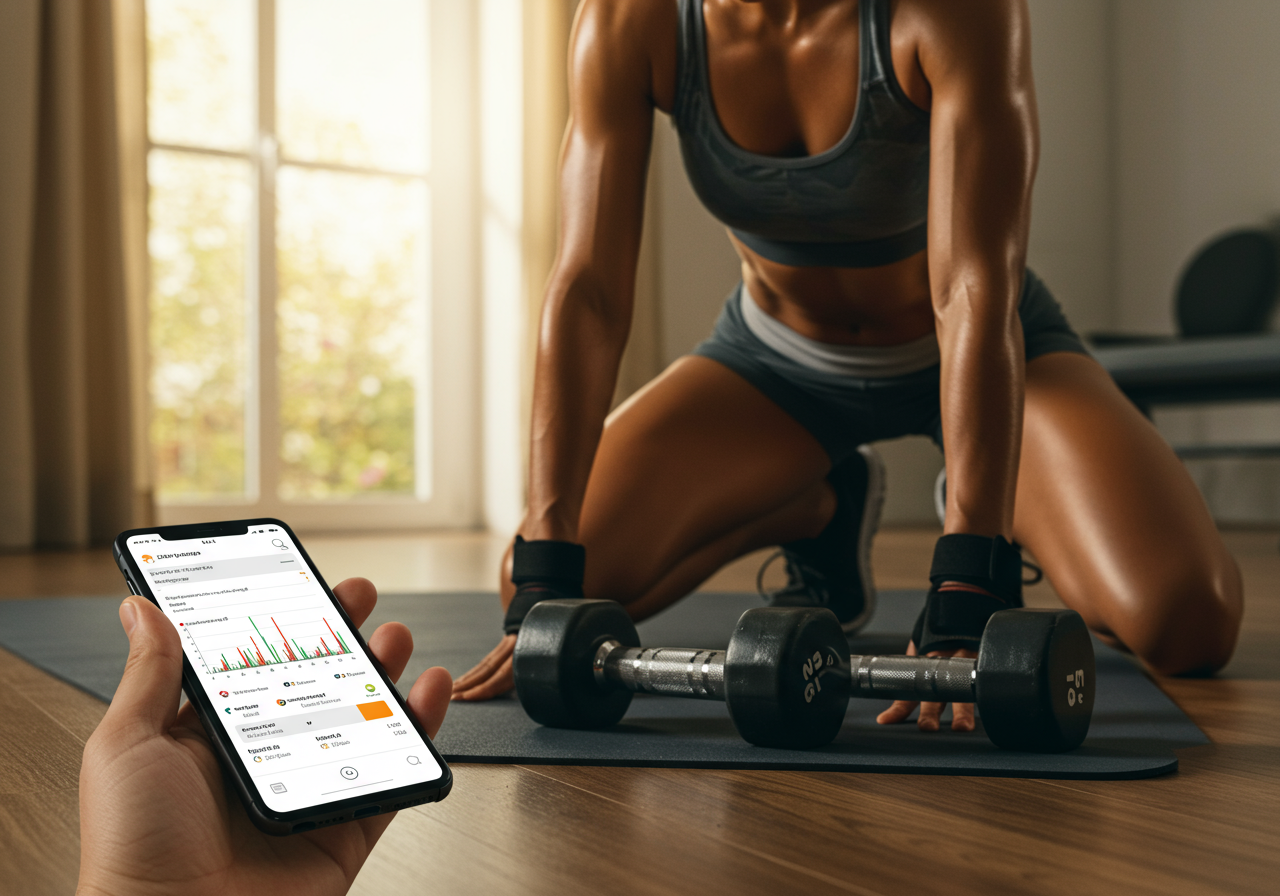
Tracking: Log sets, reps, RPE, and balance notes in Strong or Trainerize; sync steps and HR with Garmin or Fitbit; track protein in MyFitnessPal. I also add short notes like “knee drift L3°” or “box too high” so the next session starts smarter.
12-Week Roadmap from Bodyweight to Advanced Movements
Use this 12-week runway. Two lower-body sessions per week focused on single-leg patterns. Advance when you can hit all reps with steady knees and a smooth 2–3s eccentric at ≤RPE 8.
Table — 12-week progression roadmap: Weeks 1–2: Bodyweight split squat 3×8/side; low step-up 3×8/side; hinge drill (kickstand RDL) 3×10. RPE 6–7. Weeks 3–4: Goblet split squat 3×8; step-up (knee-height) 3×8; single-leg RDL (light DB) 3×8. Add tempo 3–1–1. RPE 7. Week 5: Add Bulgarian split squat 4×6–8; step-up 3×6–8 heavier; single-leg RDL 3×8. Core carry 3x20s. RPE 7–8. Week 6: Repeat week 5 adding 2.5–5% load if reps clean. Optional skater squat 2×6 technique. Week 7: Progress to RFESS 4×8; step-up 4×6; single-leg RDL 4×6–8. Add iso-hold 2x30s. RPE 8. Week 8: Deload: reduce volume by ~30–40%, keep technique sharp, RPE ≤6. Week 9: Rebuild: RFESS 4×6–8 heavier; high step-up 3×6; SL RDL 4×6. Add assisted pistol or skater squat 3×5. Week 10: Increase range or tempo (4s lowers) before load. Maintain knee tracking and balance. Week 11: Peak: RFESS 5×6 at RPE 8–9; SL RDL 4×6–8; step-up 3×6. Finish with suitcase carry 3x30s/side. Week 12: Test week: AMRAP set at target load leaving 1–2 reps in reserve; compare video form week 1 vs week 12.
Advancement criteria: two consecutive sessions at target reps with steady knee line (no valgus), pelvis level, and notes of RPE ≤8. If balance breaks down, hold load and improve tempo/control.
What I see in logs: beginners often add a kettlebell size on RFESS by week 6–9 and report smoother stairs. Intermediate lifters usually improve range first (deeper, slower lowers), then bump load; advanced trainees benefit from rotating tempos and box heights to keep progress moving.
References & Further Reading
The following peer-reviewed research and authoritative guidelines support the recommendations in this article:
Weekly Programming Structure and Common Form Fixes
Frequency: 2 focused sessions per week work well; a third lighter day can be mobility and balance. Pair with two upper-body days or a full-body split.
Intensity: Main sets at RPE 7–9; accessories at RPE 6–7. Film a top set weekly for each leg. Use Strava or Garmin to keep easy cardio in Zone 2 on off days (20–30 minutes).
Common mistakes: boxes too high on step-ups (causes hip hike); rushing reps; letting the back foot push off; holding the breath the whole set. Fixes: lower the box to mid-shin/knee height, slow the eccentric, light contact on the trail toe, and use a soft brace with a short exhale through sticking points.
If knees complain: shorten range, add a slight forward torso angle, and increase ankle mobility warm-up. Try split squats with heels elevated and a longer shin angle tolerance. If pain persists, regress to supported variations and consult a qualified clinician.
Plateaus and motivation: rotate a variable every 4 weeks (tempo, box height, handle position, or implement), set a small target (e.g., +2 reps total), and celebrate form wins. Deload every 6–8 weeks.
Nutrition and recovery: for size, aim protein 1.6–2.2 g/kg body weight, carbs 3–5 g/kg around leg days, and a mild 200–300 kcal surplus. Hydrate and consider creatine monohydrate 3–5 g daily. Sleep 7–9 hours; short walks after sessions speed recovery. Track intake with MyFitnessPal and watch morning readiness/HRV in Garmin or Fitbit.
Next steps: screenshot the progression table, load your first week into your logging app, and film rep 1 and rep 8 of your main set.
Medical Disclaimer: The information provided on this website is for informational and educational purposes only and is not intended as personal medical or health advice. The content, including text, graphics, and images, is not a substitute for professional medical advice, diagnosis, or treatment. Always seek the advice of your physician or other qualified healthcare provider…
Medical Disclaimer: The information provided on this website is for informational and educational purposes only and is not intended as personal medical or health advice. The content, including text, graphics, and images, is not a substitute for professional medical advice, diagnosis, or treatment. Always seek the advice of your physician or other qualified healthcare provider…
Medical Disclaimer: The information provided on this website is for informational and educational purposes only and is not intended as personal medical or health advice. The content, including text, graphics, and images, is not a substitute for professional medical advice, diagnosis, or treatment. Always seek the advice of your physician or other qualified healthcare provider…
Medical Disclaimer: The information provided on this website is for informational and educational purposes only and is not intended as personal medical or health advice. The content, including text, graphics, and images, is not a substitute for professional medical advice, diagnosis, or treatment. Always seek the advice of your physician or other qualified healthcare provider…
Medical Disclaimer: The information provided on this website is for informational and educational purposes only and is not intended as personal medical or health advice. The content, including text, graphics, and images, is not a substitute for professional medical advice, diagnosis, or treatment. Always seek the advice of your physician or other qualified healthcare provider…
Medical Disclaimer: The information provided on this website is for informational and educational purposes only and is not intended as personal medical or health advice. The content, including text, graphics, and images, is not a substitute for professional medical advice, diagnosis, or treatment. Always seek the advice of your physician or other qualified healthcare provider…