Medical Disclaimer: The information provided on this website is for informational and educational purposes only and is not intended as personal medical or health advice. The content, including text, graphics, and images, is not a substitute for professional medical advice, diagnosis, or treatment. Always seek the advice of your physician or other qualified healthcare provider with any questions you may have regarding a medical condition or before starting any new exercise, nutrition, or supplement program. Never disregard professional medical advice or delay in seeking it because of something you have read on this blog. Reliance on any information provided by this site is solely at your own risk.
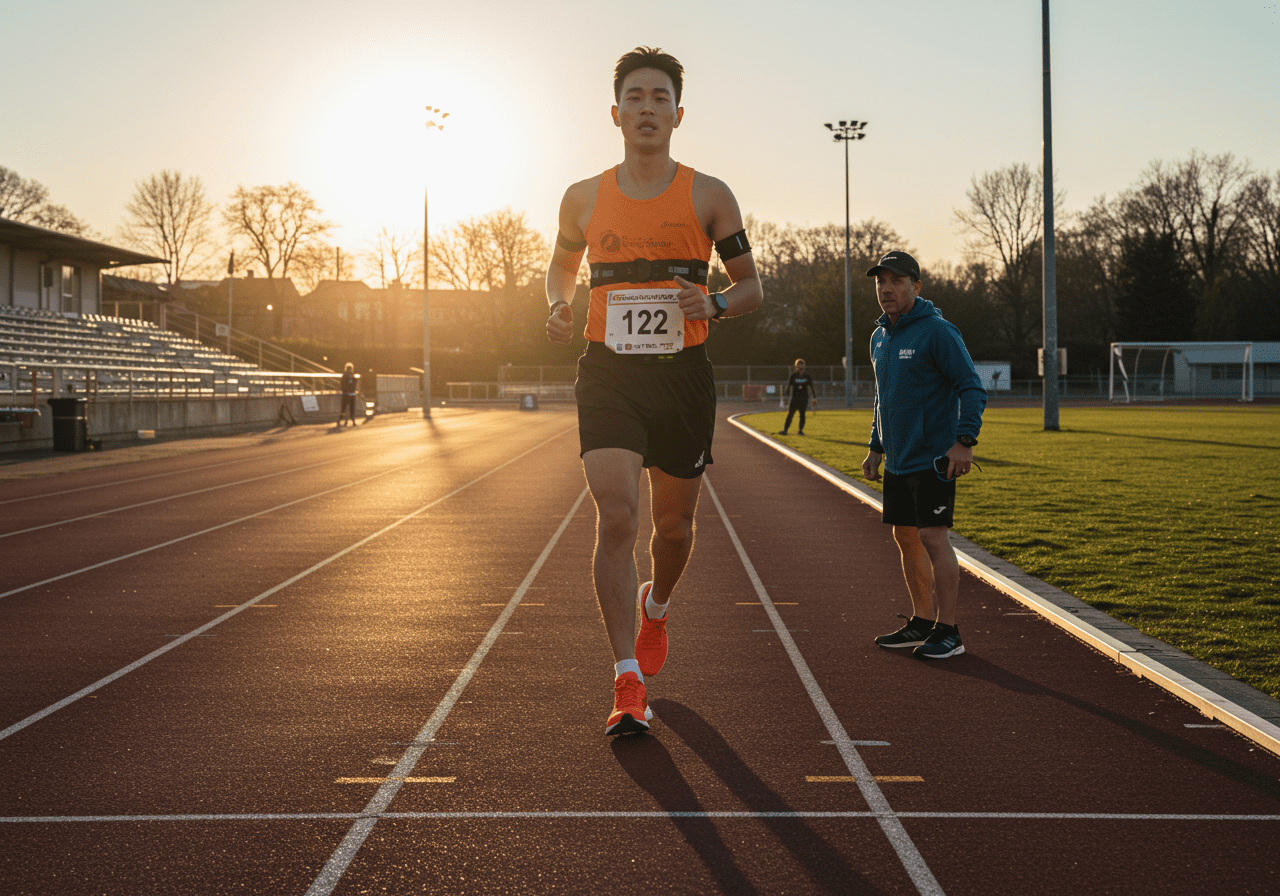
Gait Analysis Basics: simple fixes can immediately sharpen running efficiency and reduce common aches. You’ll learn what to film, what to change, and how to progress.
Direct answer: Improve efficiency by slightly raising cadence, standing tall, landing under your hips, and strengthening hips and ankles consistently.
I’ve coached dozens of new runners through this exact system. It blends practical video checks, simple drills, and gentle weekly progression you can track on any watch.
Cadence tweaks reduce impact and calm knee pain
Running economy is shaped by stride length, cadence, posture, and how well your hips and ankles control forces. Small changes can reduce braking and vertical bounce, helping you move forward with less wasted energy.
In peer‑reviewed research, modest cadence increases often reduce impact loading for some runners. Observationally, correcting overstriding and improving hip control tends to calm knee and shin irritation. I hedge these statements because responses vary—your body, training age, and shoes matter.
Client note: Jasmin, 42, used two tweaks—slightly faster steps and a taller trunk—to run her local 5K about a minute quicker, with fewer calf flare‑ups. That’s an individual case, but I’ve seen similar outcomes with beginners who pair form clean‑up with easy aerobic mileage.
Physiology quick-hit: stable hips reduce knee valgus, steady cadence trims horizontal braking, and a neutral trunk improves breathing mechanics. Together, they can make easy runs feel easier.
Adjust posture, cadence, and foot strike incrementally
Set up your baseline (10–15 minutes):
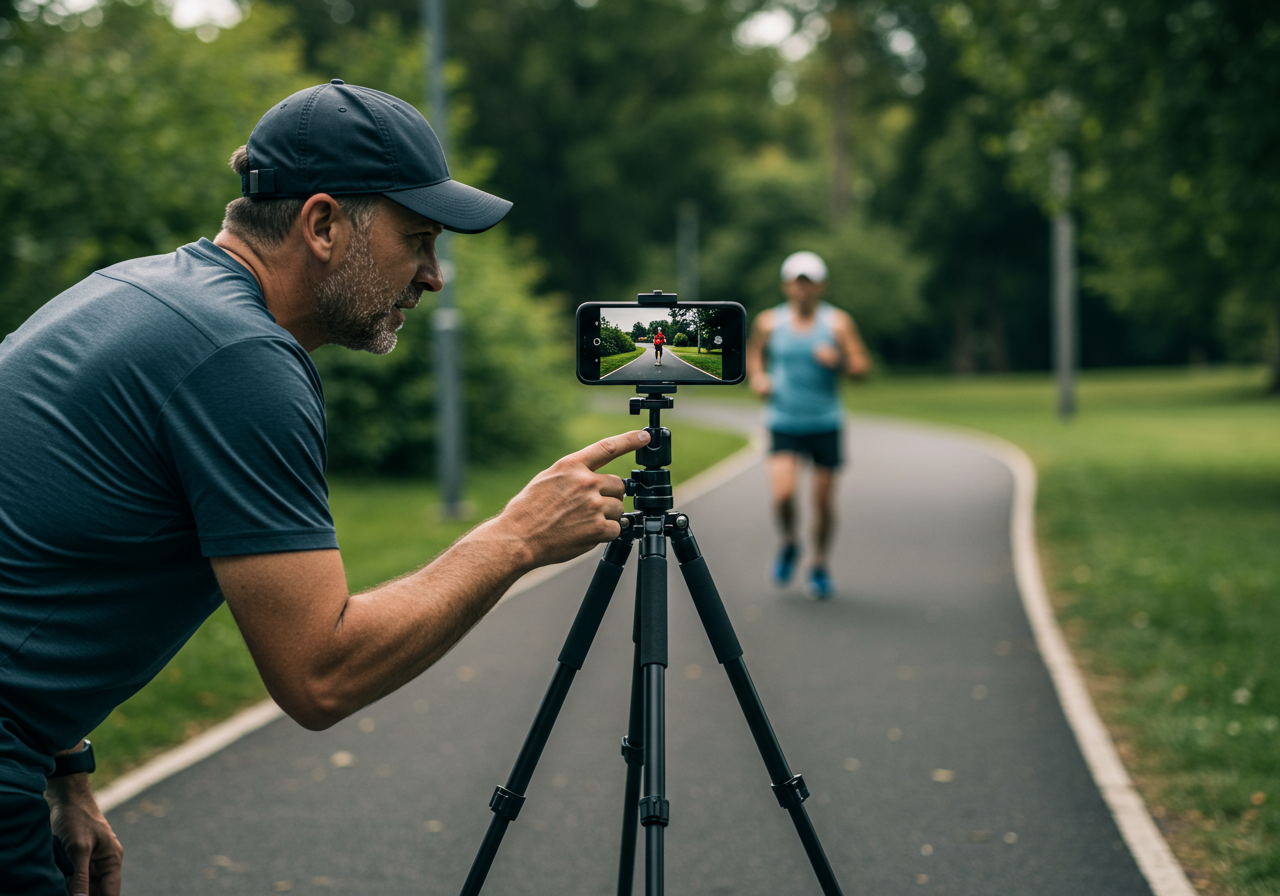
Film your stride at an easy pace: side view (5–8 m away) and rear view (centered). Use 60 fps slow‑mo if possible. A friend or a tripod works great.
Note three checkpoints: (a) Are your feet landing under the hips? (b) Is your torso tall, with ribs stacked over pelvis? (c) Do knees track over mid‑foot?
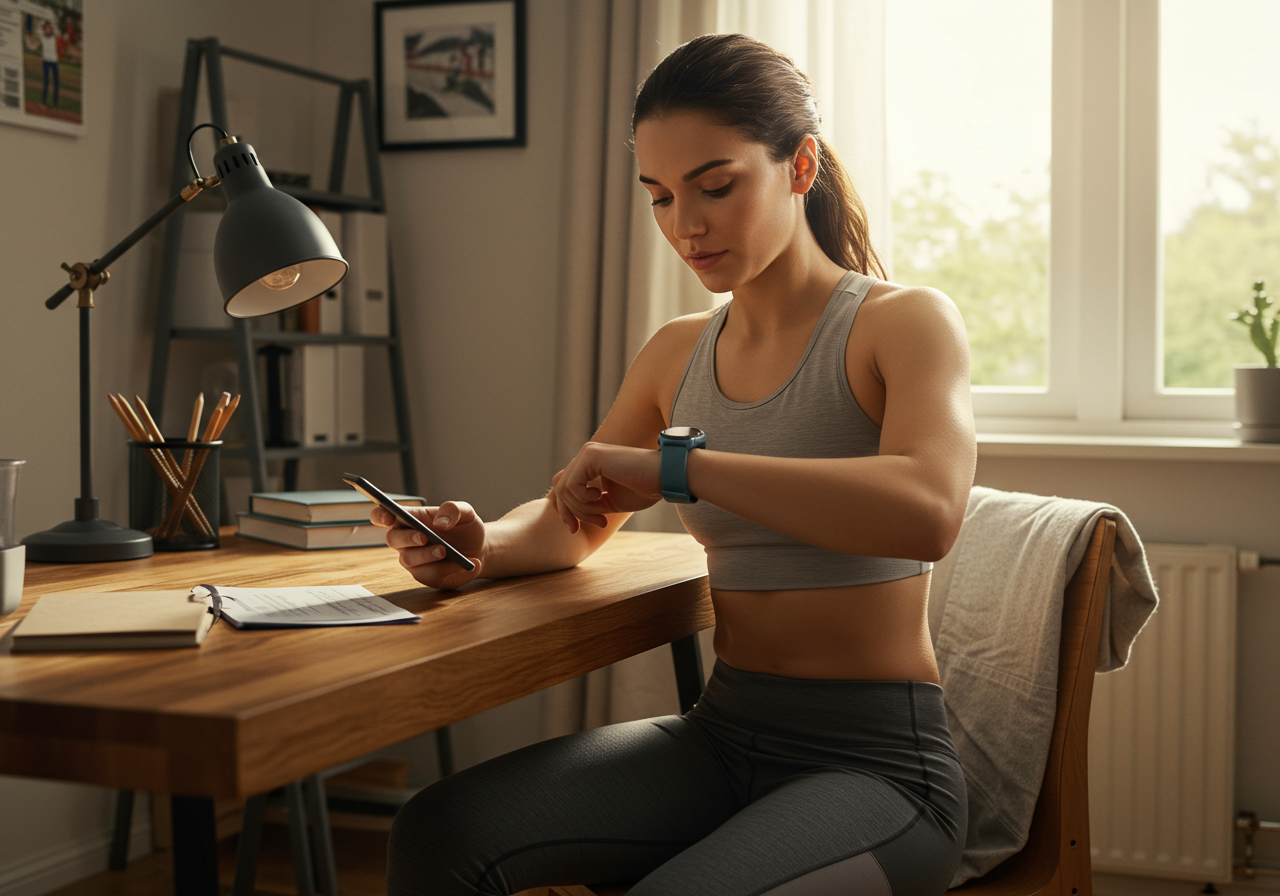
Track cadence: use your watch (Garmin, Coros, Apple) or a metronome app. Don’t chase a magic number; aim for smooth, light, and repeatable steps.
Quick fixes (applied one at a time):
Posture cue: Grow tall from the crown of your head. Think “lean from the ankles,” not from the waist.
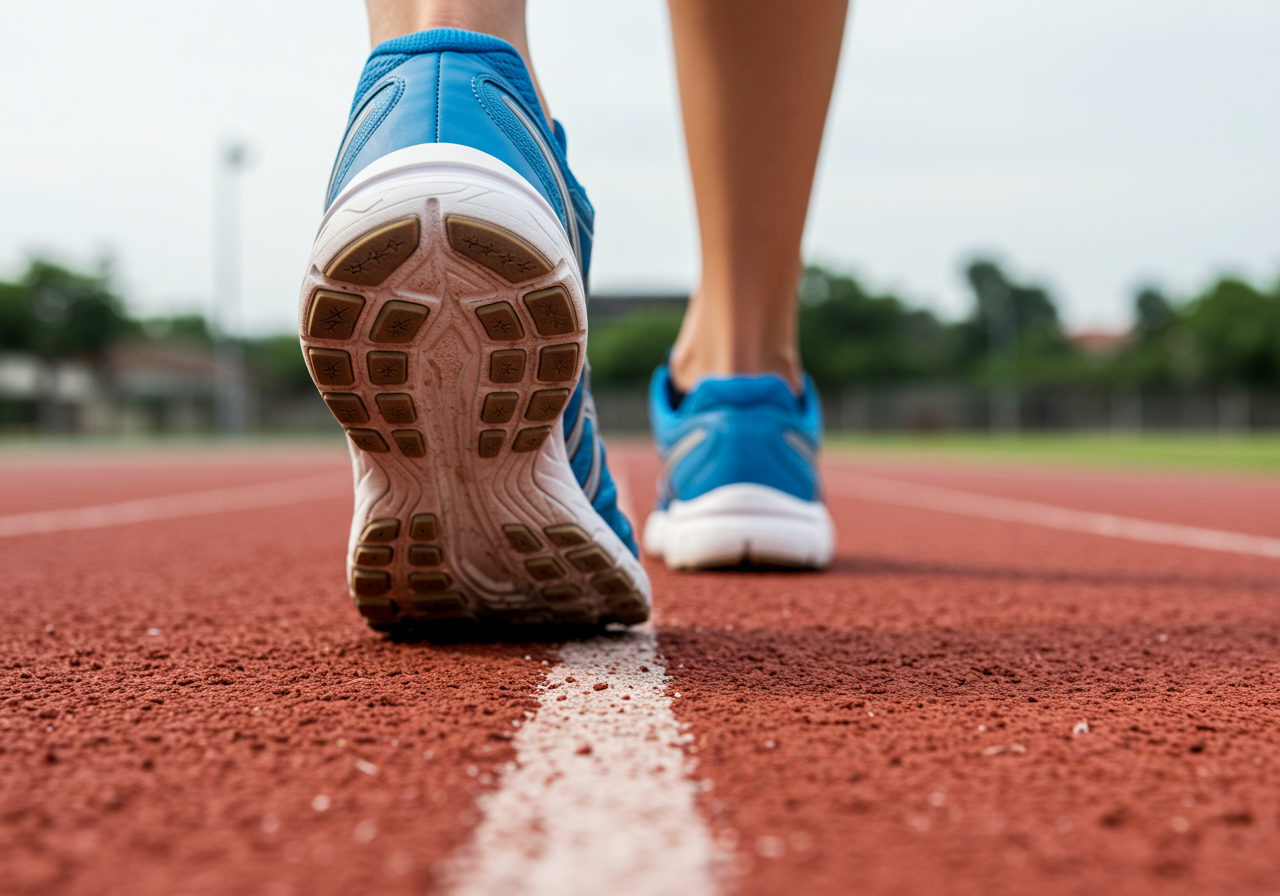
Footstrike cue: Land quietly under your center. Shorten the reach—let the ground come to you.
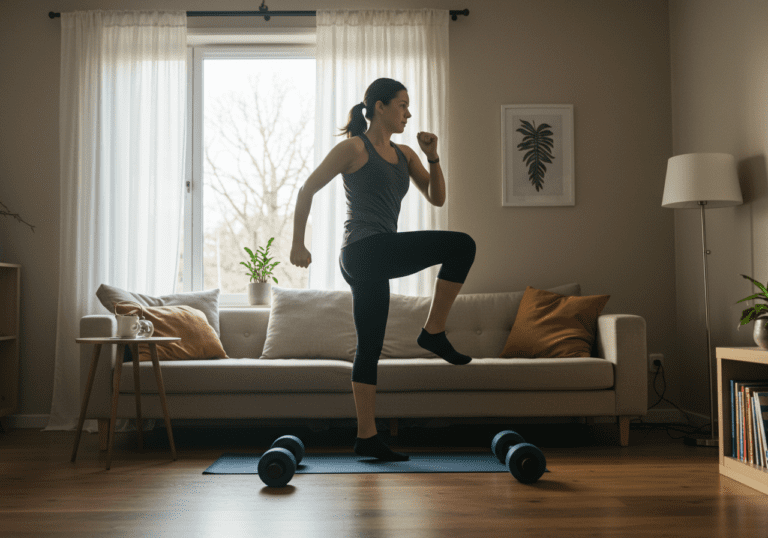
Cadence practice: Use 30–60 second bouts where you nudge steps slightly quicker, then return to normal. Repeat across an easy run.
Mini strength & mobility (6–10 minutes, 3–4x/week):
Single‑leg bridge x 6–10/side; Side plank x 20–40 s/side.
Step‑down slow x 6–8/side; Calf raises straight and bent knee x 8–12.
Ankle wall test (knee to wall): if stiff, add gentle ankle mobilizations and a short calf stretch after runs.
Technique run template (my go‑to for beginners):
Warm‑up — 5–10 minutes easy (HR Zone 1–2), plus 2–3 gentle mobility moves.
Drills — 2–3 x 20 m of A‑march or A‑skip, plus 2 x 20 m strides focused on quiet landings.
Main — 15–25 minutes easy with 6–8 cadence nudges (30–60 s slightly quicker steps, 90–120 s easy normal).
Cool‑down — 5–10 minutes very easy jog or walk; a couple of calf/hip flexor stretches.
What to log (Strava, Runalyze, or Garmin): cadence average, easy pace feel (RPE 3–4/10), vertical oscillation if available, and how calm your lower legs feel post‑run.
Coach note: On my own Zone 2 runs, I add four cadence reps in the middle. Heart rate stays steady; breathing feels smoother, and video consistently shows less overstride after these blocks.
Four-week plan scales drills and strength safely
Build form capacity gradually. Keep most running easy while layering brief technique doses. Retest with a short video every couple of weeks.
4‑week form progression plan — cadence nudges, drill volume, and strength minutes scale modestly.
Caption: Simple weekly structure to layer gait changes safely.

Week 1: 2 technique runs (15–20 min main), 1 easy run; drills 2x/week; strength 2x/week (~6–8 min); film Day 1.

Week 2: 2 technique runs (20–25 min main), 1–2 easy runs; drills 2–3x; strength 2–3x; retest cadence feel mid‑week.

Week 3: 2 technique runs (25–30 min main), 2 easy runs; drills 3x; strength 3x; film one stride check (side view).

Week 4: Cutback volume ~10–20%; keep cues; drills 2x; strength 2x; film rear view and compare to Week 1.
Level‑specific guidance:
Beginner: Use shorter technique blocks and fewer drills. Focus on one cue per run. Keep all running conversational.
Intermediate: Add a short steady segment (10–15 minutes) once weekly while holding form. Include single‑leg strength tempo work.
Advanced: Integrate form under light pace changes (e.g., fartlek). Consider sensors like Stryd for ground contact time trends, but prioritize how the stride feels.
Checkpoint: You’re progressing if post‑run legs feel more springy, cadence is steadier without conscious effort, and videos show the foot landing closer under the hips.
References & Further Reading
The following peer-reviewed research and authoritative guidelines support the recommendations in this article:
Frequency: Start with 3–4 runs/week. Keep at least two as easy aerobic. Insert technique focus into one or two of them.
Intensity: Most work in HR Zone 1–2 or RPE 3–4/10. Save faster efforts until the stride feels relaxed and repeatable.
Monitoring: Watch for swelling hotspots, rising resting HR, or heavy legs. If two or more persist, cut volume for a few days.
Nutrition & recovery: Aim for steady protein intake (around 1.6–2.2 g/kg/day per sports guidelines), carbs to match training days, and 7–9 hours of sleep. I log meals with MyFitnessPal and check sleep on Fitbit.
Common mistakes: Forcing a big cadence jump, leaning from the waist, or stacking multiple cues at once. Change one variable, observe, then decide.
Injury triage: New joint pain that worsens during the run? Stop, switch to walking, and reassess later. Persistent pain deserves a local sports PT visit.
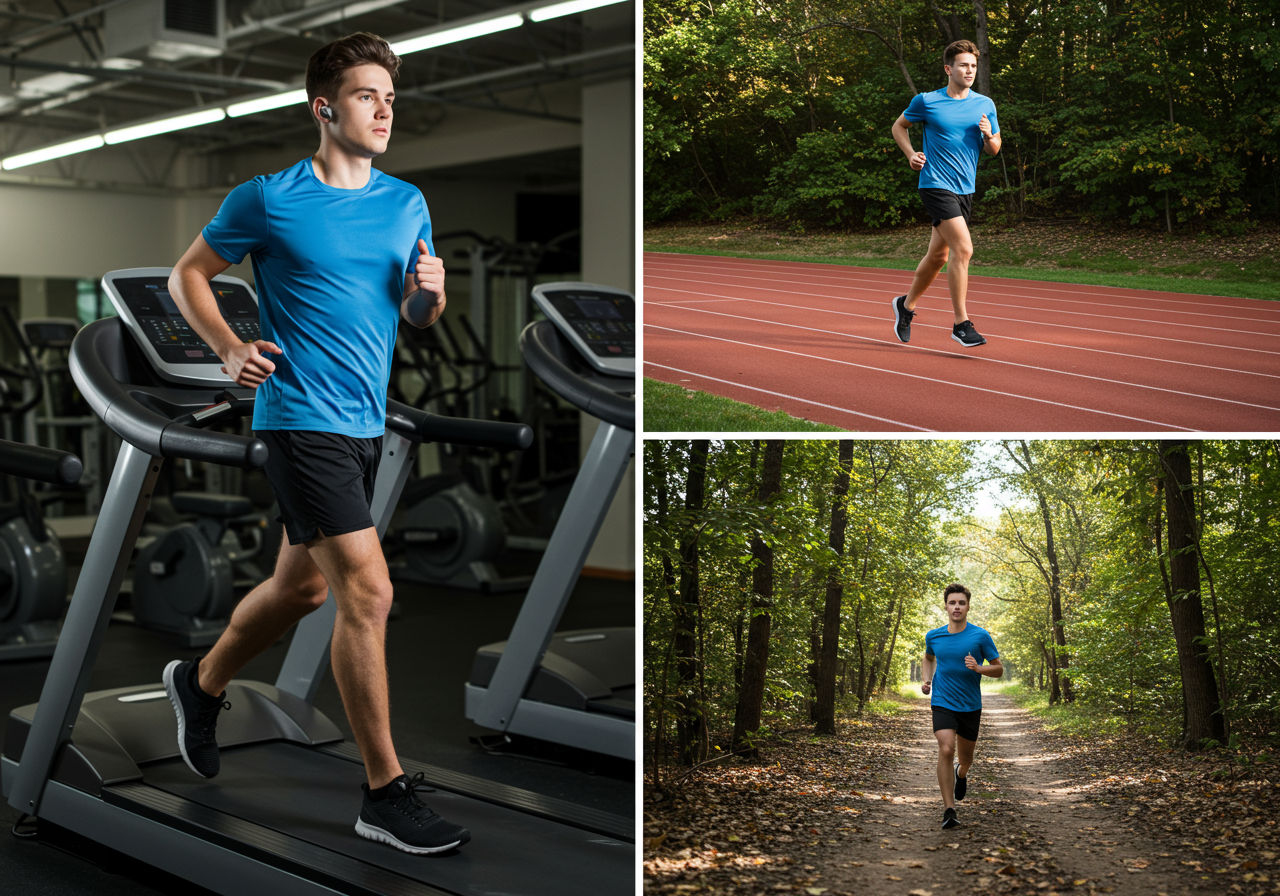
Plateaus & motivation: Rotate routes, add one short trail run, or invite a friend for drills. Small novelty often restores smooth rhythm.
Client snapshot: Marco logged two technique runs weekly for a month, tracked cadence in Garmin, and reported calmer shins and steadier breathing. His easy pace held with lower effort—exact numbers vary person to person, but his videos showed less overstride and cleaner knee tracking.
Next steps: Save this framework, film your first baseline today, and. Consistency beats perfection—keep the strides light and the cues simple.
Medical Disclaimer: The information provided on this website is for informational and educational purposes only and is not intended as personal medical or health advice. The content, including text, graphics, and images, is not a substitute for professional medical advice, diagnosis, or treatment. Always seek the advice of your physician or other qualified healthcare provider…
Medical Disclaimer: The information provided on this website is for informational and educational purposes only and is not intended as personal medical or health advice. The content, including text, graphics, and images, is not a substitute for professional medical advice, diagnosis, or treatment. Always seek the advice of your physician or other qualified healthcare provider…
Medical Disclaimer: The information provided on this website is for informational and educational purposes only and is not intended as personal medical or health advice. The content, including text, graphics, and images, is not a substitute for professional medical advice, diagnosis, or treatment. Always seek the advice of your physician or other qualified healthcare provider…
Medical Disclaimer: The information provided on this website is for informational and educational purposes only and is not intended as personal medical or health advice. The content, including text, graphics, and images, is not a substitute for professional medical advice, diagnosis, or treatment. Always seek the advice of your physician or other qualified healthcare provider…
Medical Disclaimer: The information provided on this website is for informational and educational purposes only and is not intended as personal medical or health advice. The content, including text, graphics, and images, is not a substitute for professional medical advice, diagnosis, or treatment. Always seek the advice of your physician or other qualified healthcare provider…
Medical Disclaimer: The information provided on this website is for informational and educational purposes only and is not intended as personal medical or health advice. The content, including text, graphics, and images, is not a substitute for professional medical advice, diagnosis, or treatment. Always seek the advice of your physician or other qualified healthcare provider…