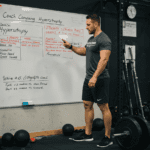
Shoulder Mobility Drills to Prevent Impingement and Pain matter because tight tissues and weak stabilizers make overhead movement cranky fast. This guide gives you a proven, beginner-friendly system.
Direct answer: Practice 8–12 minutes of targeted mobility daily and 2 strength sessions weekly to reduce shoulder impingement risk and pain.
You will learn why the drills work, how to do them, how to progress from beginner to advanced, and how to measure real results without guesswork.
Daily Drills to Stop Shoulder Impingement Pain
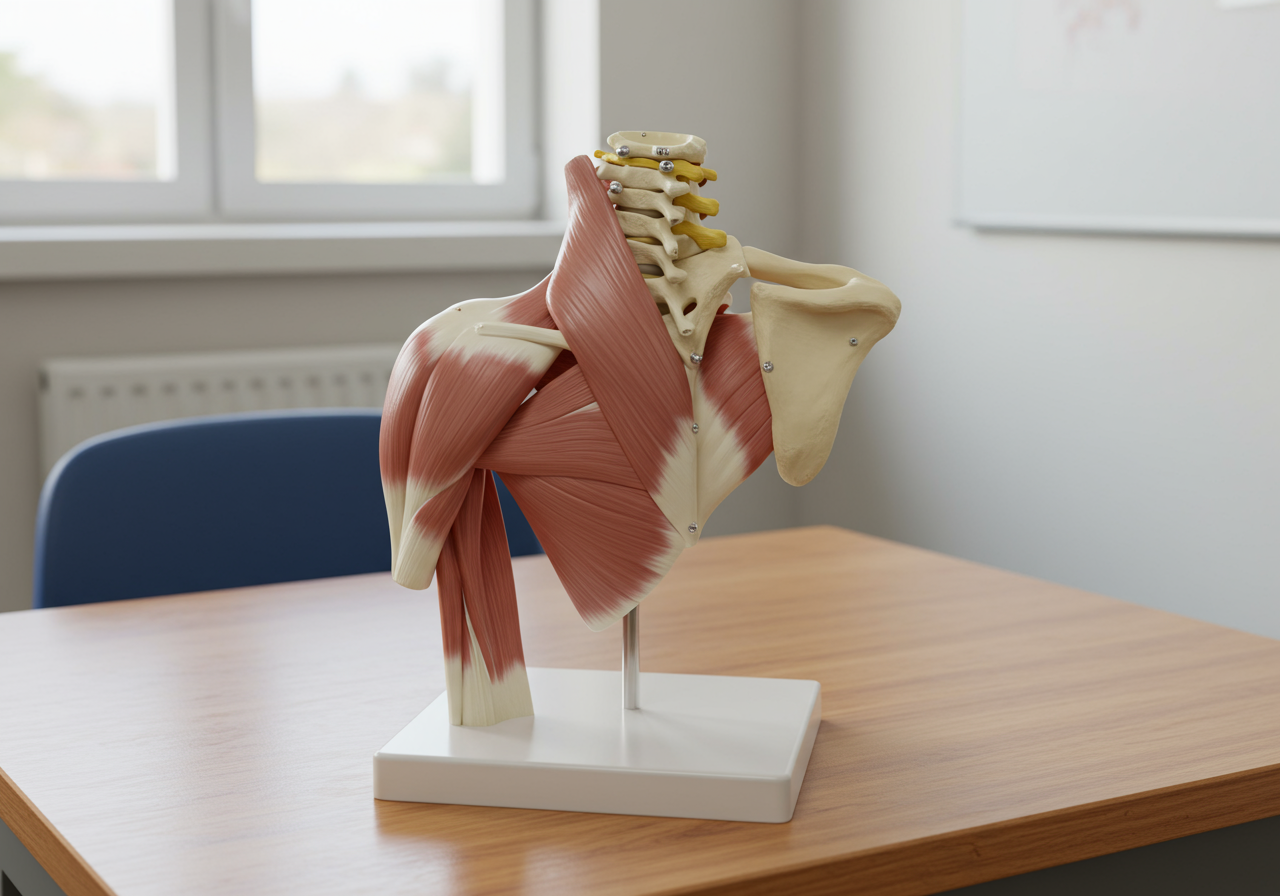
The shoulder depends on smooth coordination between your thoracic spine, scapula, and humeral head. When the shoulder blade does not upwardly rotate or posteriorly tilt, the rotator cuff gets crowded during elevation, which can feel like "pinching." Limited thoracic extension and weak scapular stabilizers amplify this.
In practice and in peer-reviewed literature, consistent mobility paired with light-to-moderate strengthening improves symptoms for many people. Mobility restores space via better scapulohumeral rhythm; isometrics and controlled external rotation drills calm sensitive tendons and build tolerance; hanging and thoracic work influence joint positioning. Expect changes in comfort before large strength gains.
My coaching notes: across dozens of desk-working clients, daily 8–12 minute routines plus two weekly strength sessions often reduce overhead discomfort within 4–8 weeks. A cautious expectation is improved reach and less night ache; performance lifts return later.
How Scapular Position Creates Rotator Cuff Space
Warm-up — 5 minutes: Easy cardio in Zone 1–2 (nasal breathing) to raise temperature. I like a light spin or brisk walk; my Garmin usually shows 50–60% max HR here.
Tissue prep — 2–4 minutes: Gentle thoracic extensions over a foam roller (3–5 spots, 3 breaths each). Then 1 minute of soft ball release on pec minor (front of shoulder) if tight.
Controlled mobility — 6–8 minutes:
Scapular CARs at the wall: 5 slow circles each way; keep ribs down.
Wall slides with lift-off: 2–3 sets of 6–8; reach up and slightly back without shrugging.
Thoracic rotation on all fours: 6–8 reps each side; exhale into end range.
Strength integration — 8–12 minutes (light burn, no pain):
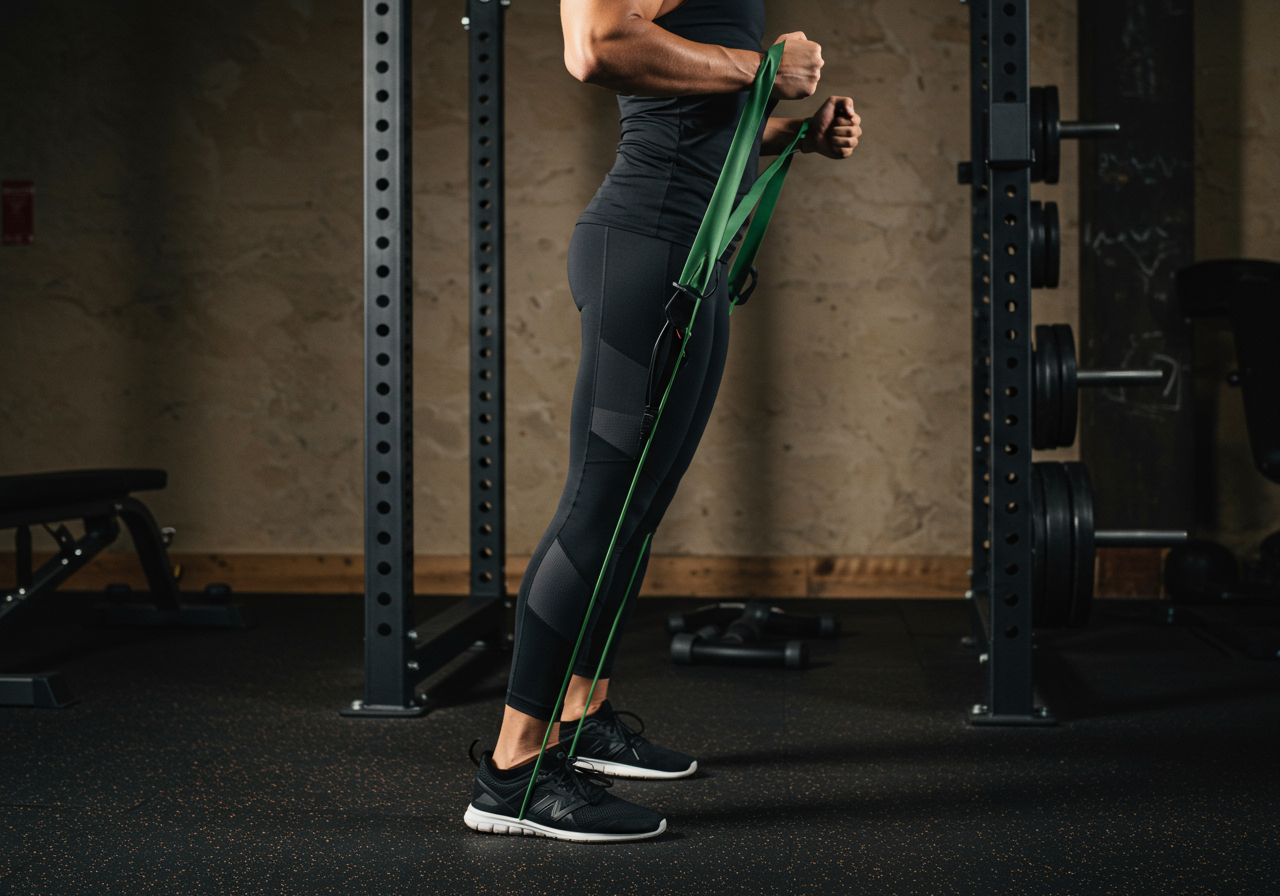
Band external rotation (elbow by side): 2–3 sets of 10–15 per side, tempo 2–1–2; progress band when you can do 15 clean.
Serratus wall slides with foam roller: 2 sets of 8–10; press roller into wall to feel reach under armpits.
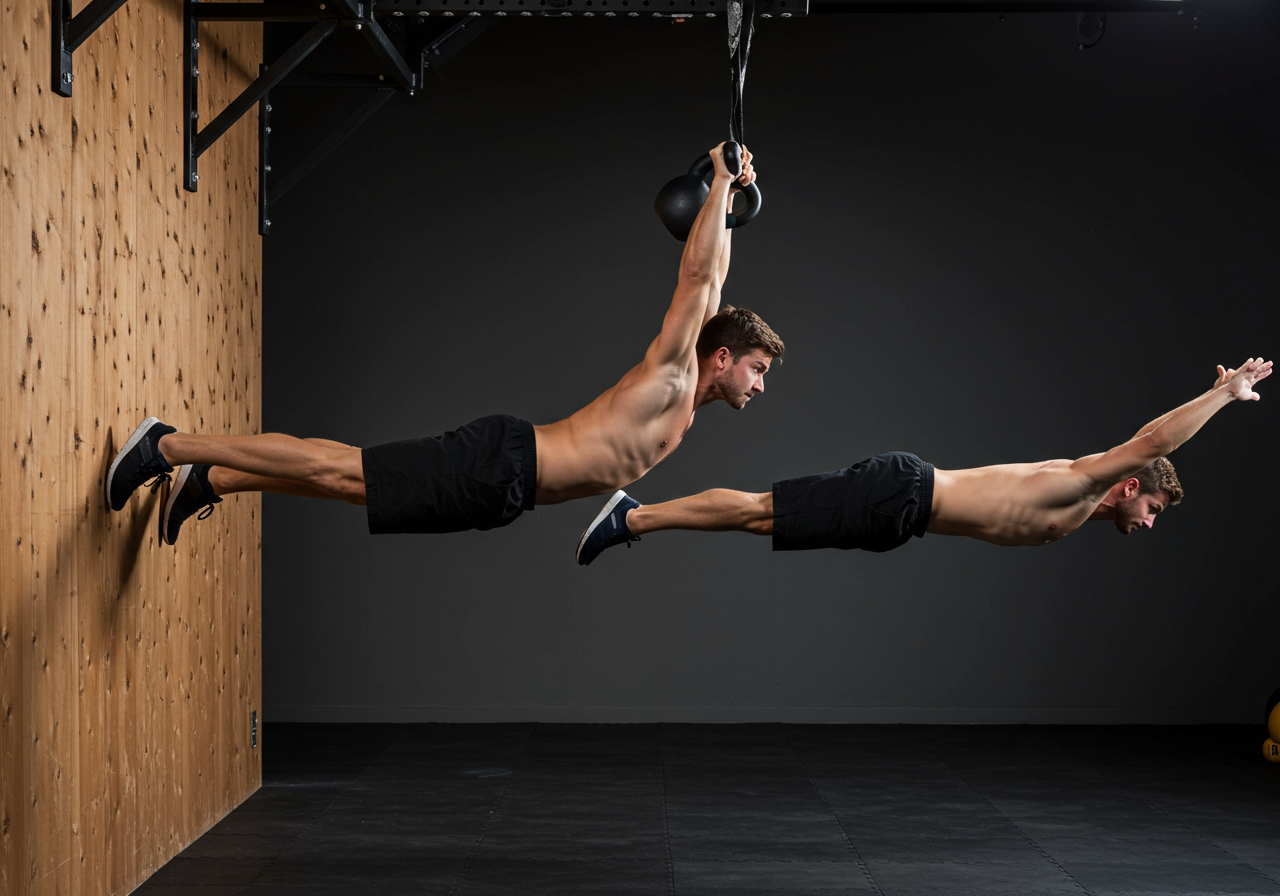
Scapular pull-ups or hangs: 2 sets of 15–30 second "active" hangs; focus on shoulder blades moving, not biceps.
Optional skill finisher — 3–5 minutes (advanced later): Kettlebell arm bar (light bell): 2 sets of 20–30 seconds per side; slow breathing, stable ribcage.
How I weave this into training: On push days, I open with thoracic work, wall slides, and band ER. On pull days, I add scapular pull-ups and serratus drills between rows. For runners and cyclists, this pairs well after Zone 2 cardio while the nervous system is relaxed.
Coaching tip: Rate pain on a 0–10 scale. Keep mobility in 0–2/10, strength in 0–3/10. If you feel sharp pinch above 90°, reduce range and elevate the line of pull (do ER with towel under elbow).
Client note: "By week five my overhead reach felt natural again, and I stopped waking up with shoulder ache." — J., remote client who logged sessions in Strava and used MyFitnessPal to hit protein targets.
Wall Slides and Thoracic Mobility Routine
Advance when you can complete the session with smooth control, no compensations, and next-day soreness ≤2/10. Deload every 4–6 weeks by cutting total reps ~30%.
Progression roadmap — move forward once all items in a row feel solid for 2 sessions in a row.
Level/Weeks | Mobility Focus | Strength Focus | Accessory | Frequency

Beginner (Weeks 1–2) | Wall slides, scap CARs, thoracic extensions | Band ER (light), serratus wall slides | Active hangs 2x15s | 5–6 days short, 2 strength days

Beginner+ (Weeks 3–4) | Add prone Y–T–W, rotation | Band ER 3x12–15, add 1–2s isos | Active hangs 2x20–30s | 5–6 days short, 2 strength days

Intermediate (Weeks 5–6) | Wall slides with lift-off | ER at 45° abduction 3x10–12 | Scap pull-ups 2x8–10 | 4–5 days short, 2–3 strength days

Intermediate+ (Weeks 7–8) | Closed-chain reaches (quadruped) | ER at 90° abduction 3x8–10 | Kettlebell arm bar 2x20–30s (light) | 4–5 days short, 3 strength days

Advanced (Weeks 9–12) | Overhead lift-offs on bench | Cable ER/IR 3x8–12, tempo 3–1–2 | Bottoms-up carry 3x20–30m | 3–4 days short, 3 strength days
Load guidance: Progress bands from yellow/light → red/medium → blue/heavy as reps top out. For hangs, add 5–10 seconds per week until 45 seconds feels easy, then use "active" hang plus small scap pulses. For carries, start with a kettlebell you can stabilize without wrist shaking for the full distance.
Cardio integration: Keep Zone 2 (easy effort) 2–3×/week for 20–40 minutes; it helps recovery and posture. I monitor with RPE 3–4 or 60–70% max HR.
Strength day pairing (example): On an upper session, pair 1 set of band ER between pressing sets. On lower days, use wall slides as warm-up to offset desk time.
4-Week Plan from Beginner to Intermediate
Frequency: 8–12 minutes of mobility most days; 2–3 strength-focused shoulder sessions per week. Intensity: smooth reps at RPE 5–7; avoid pushing through sharp pinches. Track ROM (video of wall slides), hang time, and band color used.
Common mistakes: Shrugging during reach (fix with soft ribs and exhale), flared elbows on ER (place towel under elbow), gripping too hard in hangs (let fingers relax), and rushing progress. If symptoms climb above 3/10 or linger >24 hours, reduce volume or range.
Plateaus: Add isometrics (10–20s holds in mid-range ER), change arm angles (0°, 45°, 90°), and introduce bottoms-up carries to challenge reflexive stability. Deload a week if progress stalls.
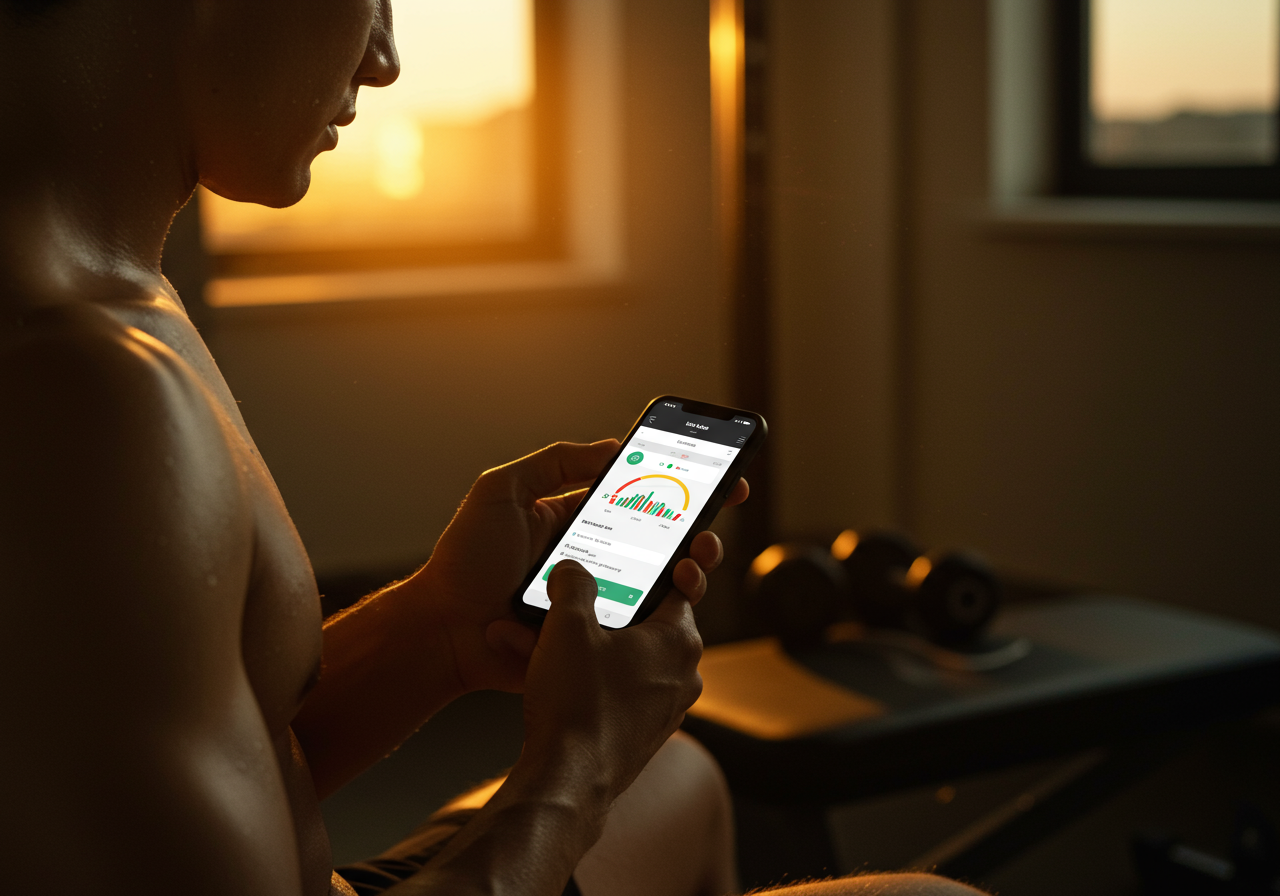
Motivation: Use a simple checklist in your notes app, or log on Garmin/Strava. I set a "Shoulders: 10 min" recurring task. Seeing streaks grow keeps me consistent.
Nutrition & recovery: Aim for 1.6–2.2 g/kg/day of protein. Many clients feel better with 2–3 servings of omega‑3 rich foods weekly; some use 1–2 g EPA+DHA daily (discuss with your clinician). A small collagen + vitamin C snack 30–60 minutes pre-session is popular in practice. Sleep 7–9 hours. Light daily walking speeds recovery.
Client snapshot: "Typing all day wrecked my shoulders. The 10‑minute routine slotted between meetings. By month two, overhead work didn't scare me." — M., product manager.
Next steps: Save this plan, film one rep of each drill for form checks, and retest reach monthly. If you want my printable checklist and video cues, subscribe and I'll send it.
5K to 10K is achievable with a simple, repeatable system that grows your aerobic base and resilience. To move from 5K to 10K, extend your long run 0.5–1 mile weekly and keep most mileage easy in Zone 2. In the next few minutes, you’ll get a coach-tested framework: weekly structure, milestone checkpoints, beginner-to-advanced progressions, fueling…
Balance Strength and Cardio with Smart Weekly Structure To combine strength lifts with endurance, start with a simple 3+2 weekly template that balances intensity and recovery. Do two strength days, two endurance days, and one mixed day while keeping easy volume high and hard efforts brief. In minutes, you will learn a clear weekly layout,…
Choose exercises that fit your body’s actual ranges Mobility assessments help you choose the right exercises, loads, and warm-ups so training fits your body instead of forcing it. Today you’ll learn simple tests and how to apply them. Direct answer: Mobility assessments reveal joint limits and control so you can adjust exercise selection, loading, and…
Anti-inflammatory foods can meaningfully reduce soreness and speed up recovery when paired with smart training, adequate protein, and sleep. In this guide, I merge a simple training week (strength, cardio, and mobility) with recovery nutrition that lowers unnecessary inflammation. You’ll get meal templates, grocery picks, supplement considerations, and a step-by-step plan to progress from beginner…
Blend Treadmill Control with Outdoor Running Specificity Treadmill vs Outdoor Running can be trained together with one plan. You will learn how to split sessions, match effort, and progress every week. Quick answer: blend 1–2 treadmill workouts for control and 2–3 outdoor runs for real‑world specificity to improve faster and safer. Precision Indoors, Real-World Resistance…
Quick bodyweight intervals burn fat at home Home Cardio Workouts Without Equipment can reduce body fat, improve conditioning, and fit into busy schedules. In this guide, you’ll learn practical routines, progressions, and how to track results. Direct answer: Do 20–30 minutes of mixed bodyweight intervals three to five days weekly at moderate to vigorous effort….