Medical Disclaimer: The information provided on this website is for informational and educational purposes only and is not intended as personal medical or health advice. The content, including text, graphics, and images, is not a substitute for professional medical advice, diagnosis, or treatment. Always seek the advice of your physician or other qualified healthcare provider with any questions you may have regarding a medical condition or before starting any new exercise, nutrition, or supplement program. Never disregard professional medical advice or delay in seeking it because of something you have read on this blog. Reliance on any information provided by this site is solely at your own risk.
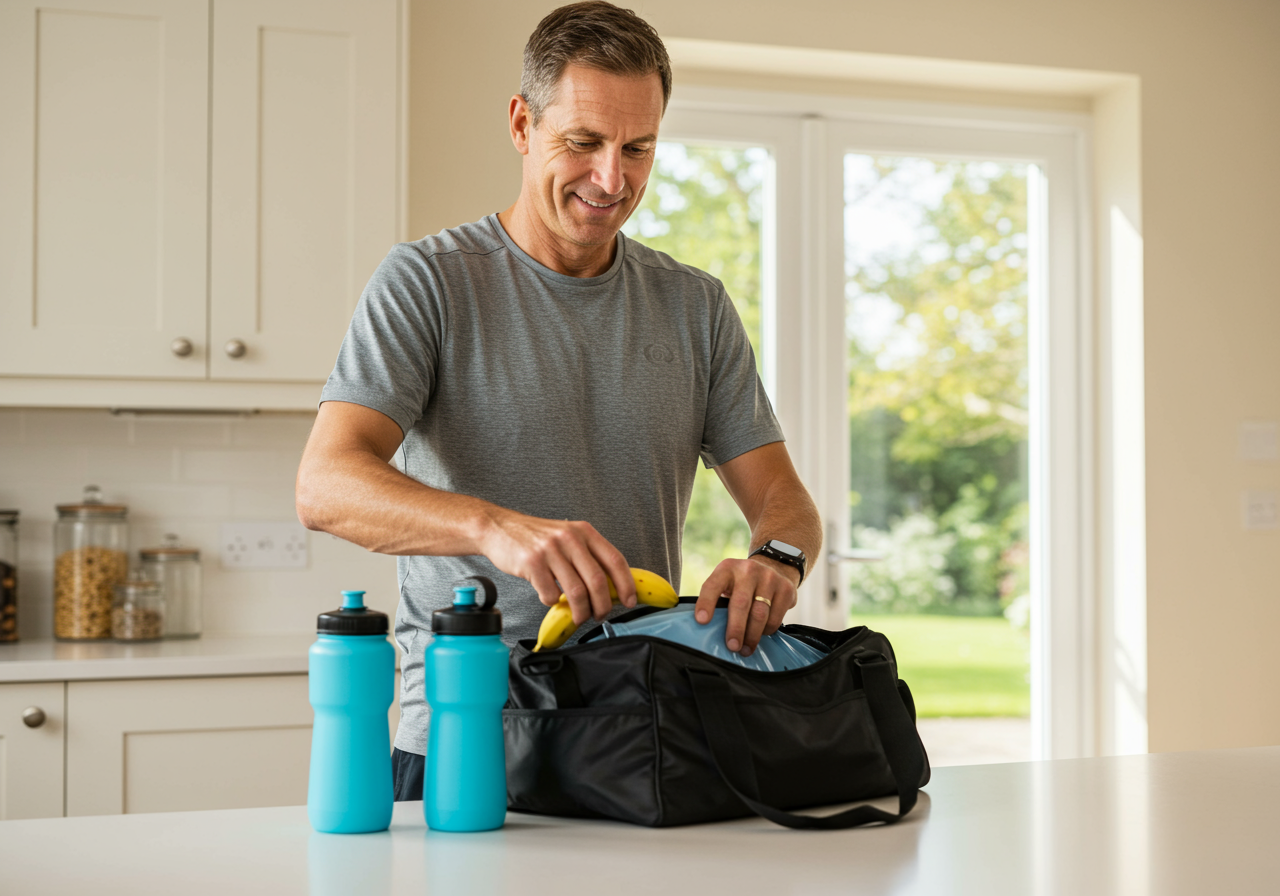
Pre-workout nutrition is the fastest way to boost energy and focus without changing your entire training plan. Eat easy-to-digest carbs, lean protein, water with sodium, and optionally caffeine 60–15 minutes before training.
In this guide, I’ll show you the exact timing, portion ideas, hydration targets, and advanced tweaks I use with clients—from first workouts to race-day readiness—plus how to track results without guesswork.
Glycogen and hydration science behind better workouts
Fueling the right way before training tops off liver and muscle glycogen for reliable power and keeps blood glucose steadier, so you can focus on technique instead of chasing energy. A small protein dose supports muscle repair, while hydration and sodium regulate fluid balance and reduce perceived effort.
In practice and in peer‑reviewed research, simple carbs before workouts tend to improve time to fatigue and session quality. Moderate caffeine can sharpen reaction time and perceived focus, but response varies—some athletes thrive on it; others feel jittery. Hydration status consistently influences performance, especially in heat.
Client snapshot: “Maria” started strength sessions after work. Adding a 30–40 g carb snack plus 15–20 g protein 45 minutes pre-lift reduced her mid-session energy dips. She reported steadier sets and fewer missed reps within two weeks, based on her training log and RPE notes.
Exact timing windows and portion formulas explained
Keep fat and fiber modest pre‑training to avoid GI distress.
What to drink
Hydration: about 5 mL/kg 2–3 hours pre; sip another 3–5 mL/kg 30–60 minutes pre if needed.
Sodium: a pinch of salt in water or 300–600 mg via an electrolyte tab if you sweat heavily or it’s hot.
Caffeine (optional)
Try ~1–3 mg/kg 30–60 minutes pre. Start low, especially if you’re caffeine‑sensitive or training late.
Tea/coffee or caffeine gum both work; keep total daily intake sensible.
By workout type
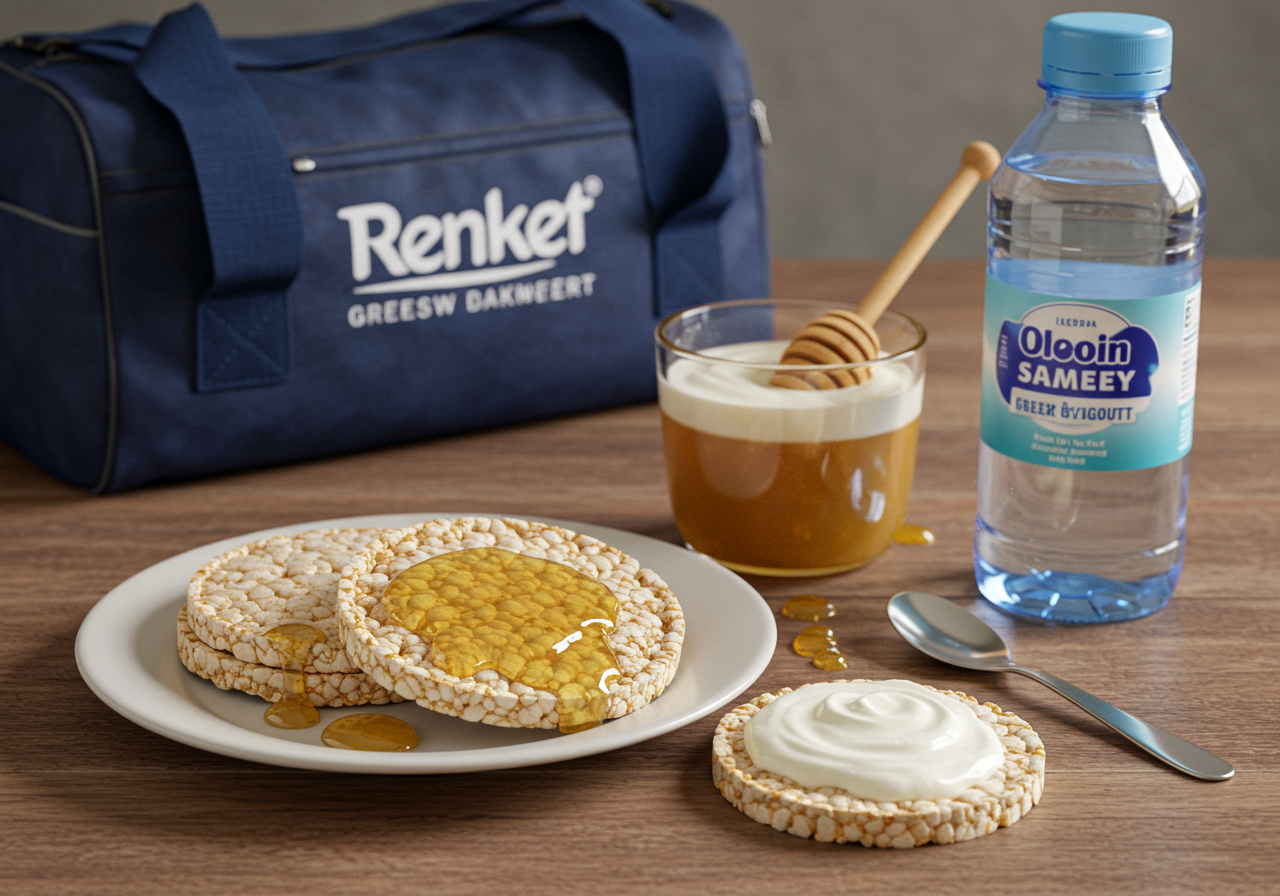
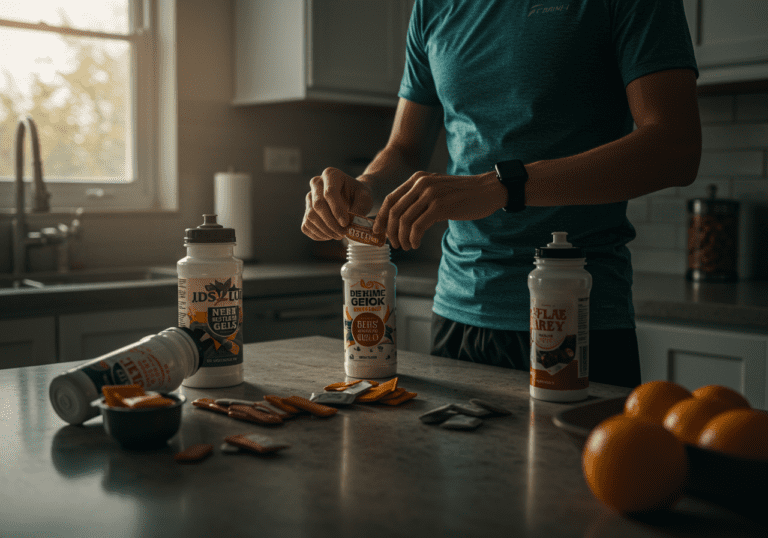
Strength (45–75 min): 30–60 g carbs + 15–25 g protein about 45–60 minutes pre. Example: Greek yogurt with honey and a small banana; water with a pinch of salt.
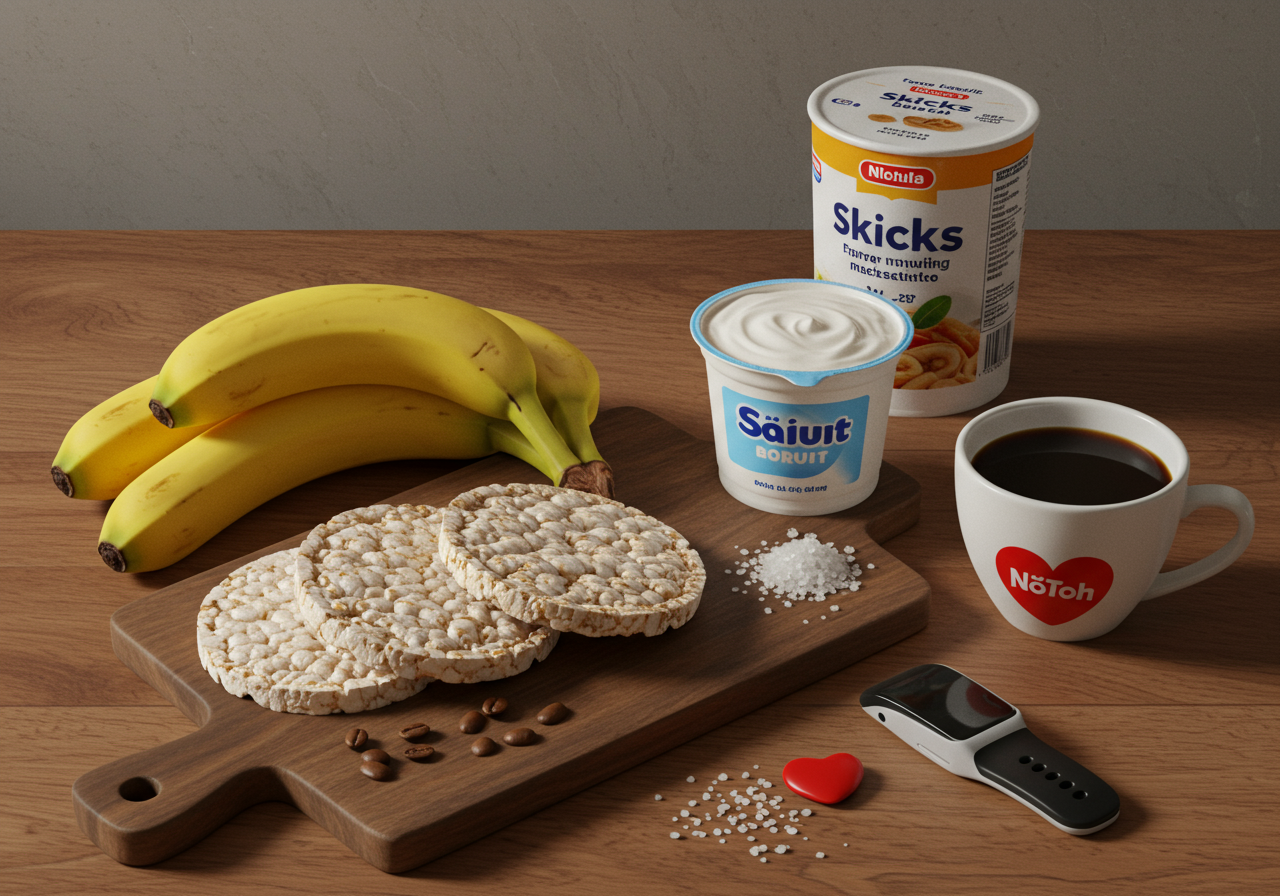
Endurance steady (45–90 min): 30–60 g carbs 30–60 minutes pre. Add protein only if you tolerate it well. Example: rice cake stack with jam; electrolyte water.
HIIT / intervals: Prefer quick carbs (20–30 g) 15–20 minutes pre; avoid heavy fats/fiber. Caffeine can help if you tolerate it.
Mobility / skill: Light snack or just fluids if short/easy.
Supplements (nice-to-have)
Creatine monohydrate: 3–5 g daily (timing flexible). Helps strength/power over weeks.
Beetroot/nitrates: 2–3 hours pre may aid endurance for some athletes; test in practice.
Beta‑alanine: daily dosing; tingles are normal but timing isn’t critical.
Real session example (my log)
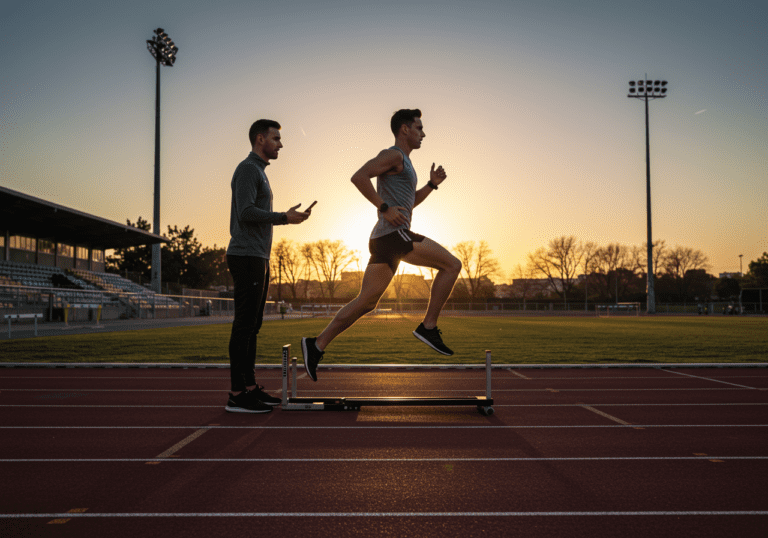
Tempo run (45 min, Zone 3 focus). Pre‑fuel: 1 rice cake + honey (22 g carbs) and 250 mL water with a pinch of salt, 20 minutes pre. Garmin showed steadier HR in mid‑Zone 3 and perceived effort felt smoother than my fasted attempts. This is my experience, not a universal effect.
Track and adjust
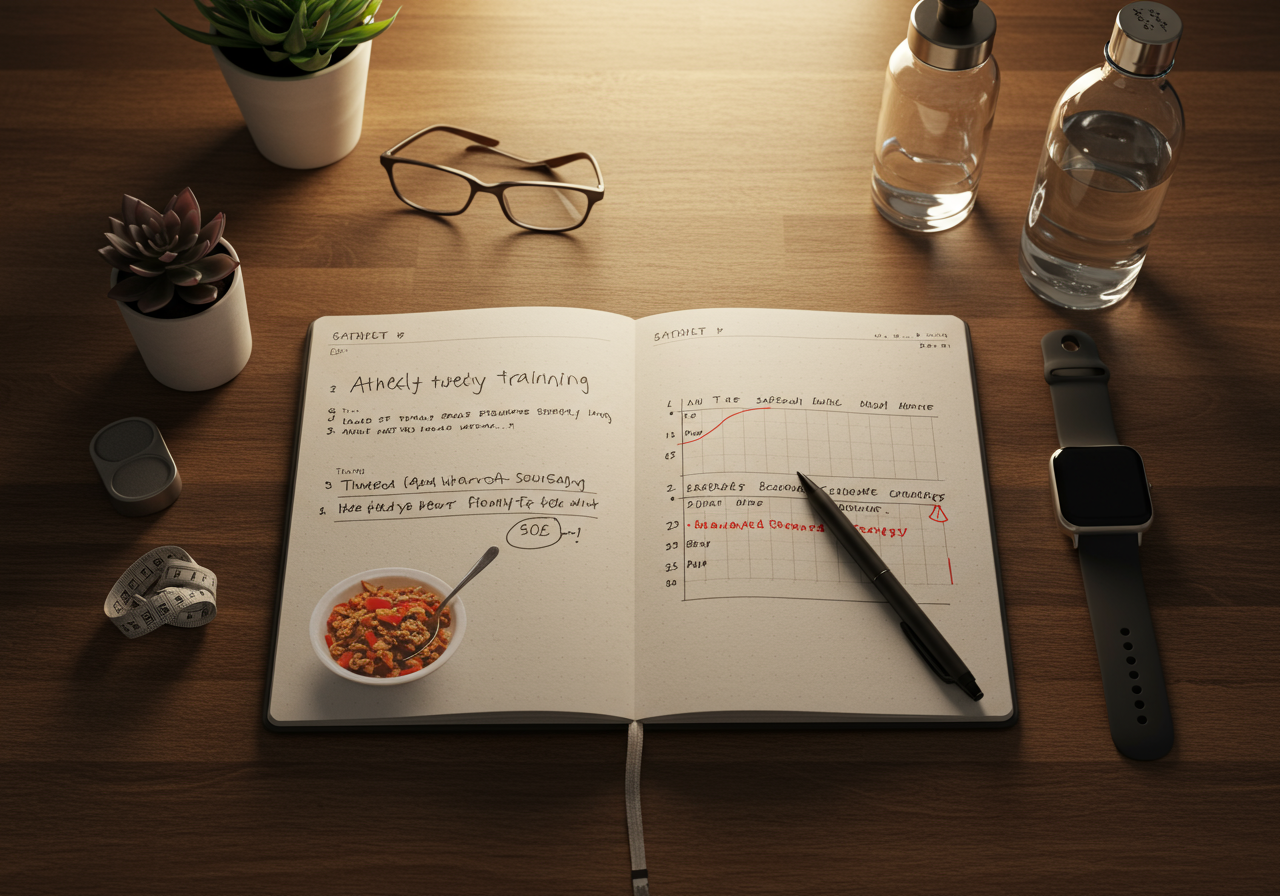
Log pre‑workout food, timing, and session RPE in Strava or Garmin notes.
Use MyFitnessPal to estimate carb/protein totals and find your comfort ranges.
Look for patterns: fewer energy dips, stable technique late in sets, and more consistent splits suggest you’ve nailed your pre‑fuel.
Four-week ramp from basics to race-day fueling
Caption: Four‑to‑eight‑week ramp to personalize pre‑workout fueling by timing, portion size, and caffeine tolerance.
Week 1 (Beginner): 20–30 g carbs 30–45 min pre; 10–15 g protein if tolerated; 300 mL water + pinch of salt; no caffeine. Note RPE/HR.

Week 2: 30–40 g carbs; 15–20 g protein; 400–500 mL fluids if training >45 min; test 1 mg/kg caffeine once this week (daytime only).

Week 3: Match fuel to session type (strength vs. cardio). Keep fats low pre. If needed, add 10 g carbs top‑up 10–15 min pre.

Week 4: Introduce heat plan: 500–700 mL fluids + 300–600 mg sodium pre if hot or long session. Assess GI response.

Week 5 (Intermediate): 0.5–1.0 g/kg carbs at 60–90 min pre on key days; 15–25 g protein. Caffeine 1–2 mg/kg on high‑focus sessions.

Week 6: Practice race/PR rehearsal: exact timing, fuel, and caffeine you plan to use. Log split consistency and RPE drift.

Week 7 (Advanced): Fine‑tune by workout: HIIT = fast carbs 15–20 min pre; tempo = 45–60 min pre; heavy lifts = carbs+protein 60 min pre.

Week 8: Taper week habits: slightly reduce fiber/fat in last 24 h pre‑event; maintain hydration and sodium; avoid untested foods.
Load and training tie‑in
Strength blocks: as sets/reps increase, nudge carbs up 10–20 g pre; protein steady at 15–25 g.
Endurance blocks: longer runs/rides respond to earlier fueling (60–90 min) and electrolyte planning.
Deload weeks: keep routine but reduce portions slightly to match volume.
Frequency tips, common mistakes, and troubleshooting guide
Frequency and intensity
Use a consistent pre‑fuel plan for your 2–4 most important sessions each week. Keep easy days light.
Monitor RPE and HR zones. If HR is unusually high at an easy pace, reassess sleep, hydration, and sodium.
Common mistakes
Too much fiber/fat pre‑workout: swap to low‑fiber carbs and lean protein.
Over‑caffeinating: start at 1 mg/kg; only increase if benefits outweigh jitters or sleep disruption.
Under‑salting in heat: consider 300–600 mg sodium pre for heavy sweaters.
Copying someone else’s exact plan: your gut tolerance and schedule are unique—test, log, refine.
Troubleshooting
Plateaus: add 10–20 g more carbs pre on key days or shift timing earlier. Ensure total daily calories and protein (about 1.6–2.2 g/kg) support goals.
Medical Disclaimer: The information provided on this website is for informational and educational purposes only and is not intended as personal medical or health advice. The content, including text, graphics, and images, is not a substitute for professional medical advice, diagnosis, or treatment. Always seek the advice of your physician or other qualified healthcare provider…
Medical Disclaimer: The information provided on this website is for informational and educational purposes only and is not intended as personal medical or health advice. The content, including text, graphics, and images, is not a substitute for professional medical advice, diagnosis, or treatment. Always seek the advice of your physician or other qualified healthcare provider…
Medical Disclaimer: The information provided on this website is for informational and educational purposes only and is not intended as personal medical or health advice. The content, including text, graphics, and images, is not a substitute for professional medical advice, diagnosis, or treatment. Always seek the advice of your physician or other qualified healthcare provider…
Medical Disclaimer: The information provided on this website is for informational and educational purposes only and is not intended as personal medical or health advice. The content, including text, graphics, and images, is not a substitute for professional medical advice, diagnosis, or treatment. Always seek the advice of your physician or other qualified healthcare provider…
Medical Disclaimer: The information provided on this website is for informational and educational purposes only and is not intended as personal medical or health advice. The content, including text, graphics, and images, is not a substitute for professional medical advice, diagnosis, or treatment. Always seek the advice of your physician or other qualified healthcare provider…
Medical Disclaimer: The information provided on this website is for informational and educational purposes only and is not intended as personal medical or health advice. The content, including text, graphics, and images, is not a substitute for professional medical advice, diagnosis, or treatment. Always seek the advice of your physician or other qualified healthcare provider…