Build Sustainable Speed with Weekly Threshold Sessions
Tempo runs are my most reliable tool for lifting sustained race pace without feeling wrecked. If you’re new to structured training, this guide shows you exactly how to build, progress, and measure tempos for safer, faster results.
Direct answer: Run 15–30 minutes at comfortably hard threshold once weekly, sandwiched by easy miles. You’ll learn warm-ups, pace cues, weekly progressions, and recovery nutrition that make the work stick.
Lactate Threshold Training Drives Race Pace Durability
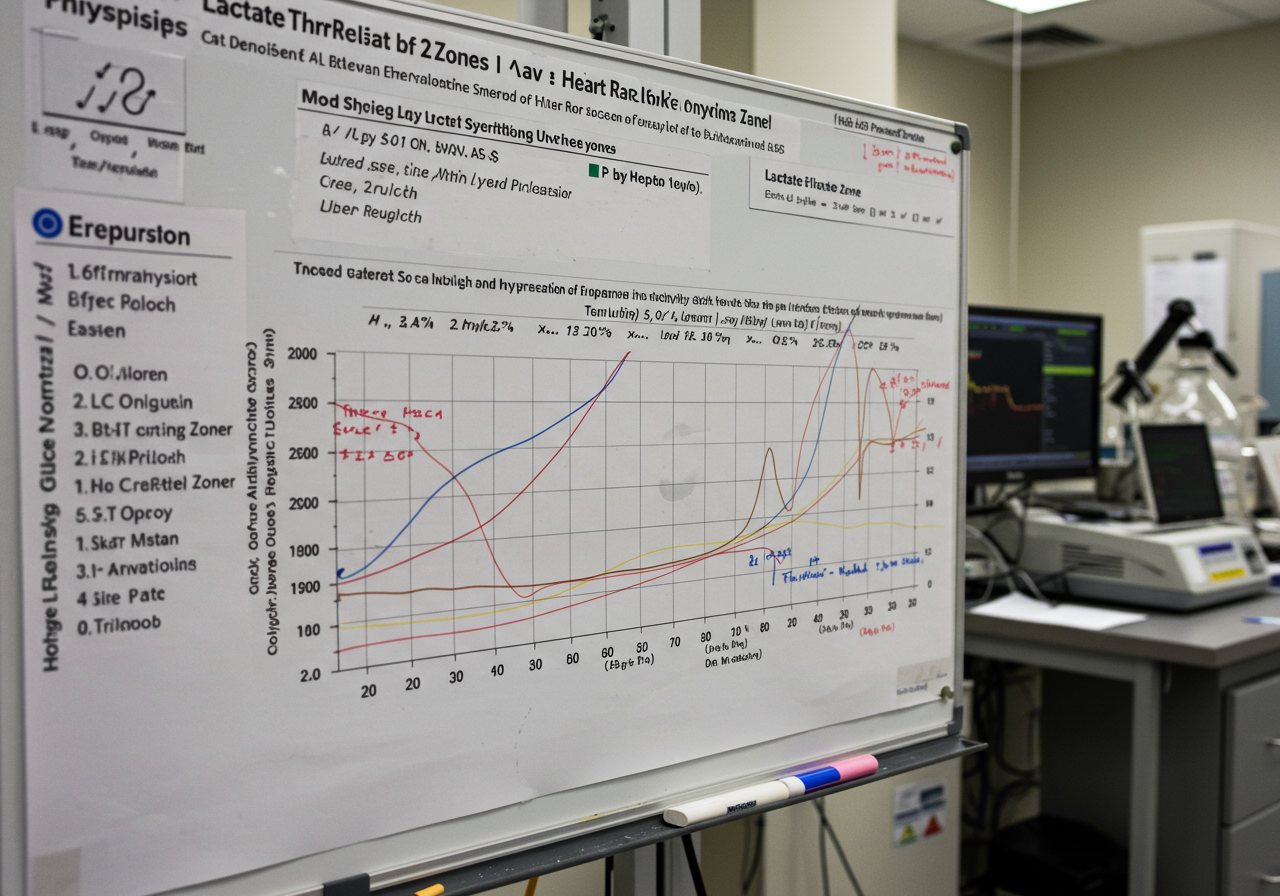
Tempo training targets your lactate threshold—roughly the fastest pace you can hold for about an hour. Work here strengthens the engine: better mitochondrial function, improved lactate shuttling, and steadier form at speed. In practice, that means you slow down less in the second half of races.
Heart-rate cues typically land near 83–90% of max HR (RPE 7–8/10), or the pace where short sentences are possible but uncomfortable. A peer‑reviewed body of research links threshold work to improved endurance performance; field results often show better pace durability within 6–10 weeks, though exact gains vary.
My experience: last season I progressed from 2×12 minutes to 1×28 minutes continuous at threshold. HR drift fell from 7% to ~3% on a flat loop, and long-run pace felt easier. Client feedback echoes this. After week 6, one beginner wrote, “I can hold 10K effort without panic now, and my watch shows steadier heart rate.”
Compared with VO₂ intervals, tempos are easier to recover from and build sustainable speed. Compared with easy miles, they provide a sharper stimulus for race-pace stability, with less injury risk than constant all‑out work—when dosed correctly.
Master Tempo Execution with Talk Test Guidelines
Follow these steps to execute an effective tempo session, even as a beginner.
Find your threshold pace.
Talk test: You can say short phrases, but not hold a conversation.
Heart rate: Aim for ~83–90% of HRmax. If you know your lactate-threshold HR from a 30‑min test, target near that.
Field test: Run 20–30 minutes steady. The average pace you can just sustain is near threshold. Adjust slower in heat, on hills, or when sleep is low.
Warm-up (10–15 minutes). Easy jog, then 3–4 strides of 15 seconds fast with 45 seconds easy. Add light mobility for calves/hips if you’re stiff.
Run the main set. Start simple: 2×10 minutes at threshold with 2 minutes easy jog between. Focus on relaxed shoulders, tall posture, and even breathing.
Choose a variation when ready.
Continuous tempo: One block of 20–30 minutes.
Cruise intervals: 3–6 × 6–10 minutes at threshold with short easy floats (60–120 seconds).
Progression run: Start slightly slower than threshold, finish at threshold in the last third.
Float intervals: Alternate threshold with steady-but-easy floats; keep the floats truly easy.
Cool down (10–15 minutes). Easy jog, then 2–5 minutes of gentle mobility. I like calf raises and hip openers post-run.
Tech setup. Program the workout in your Garmin or Coros (Workout Builder makes the beeps do the pacing). Log RPE and splits in Strava. Track HR decoupling (pace vs. HR drift) if your app supports it.
Fueling and hydration. For morning sessions, a small carb snack (20–40 g) 30–90 minutes prior helps. Bring water for runs over 45 minutes; add electrolytes in heat. Afterward, aim for a protein‑rich meal (20–35 g) plus carbs within 60 minutes.
Coaching cue: If you speed up the first third and fade, you’re too hot. Ease in, then lock onto a rhythm you could hold for an hour—no gritting teeth yet.
Eight-Week Beginner to Advanced Training Progression
Build gradually. Keep one weekly tempo early on; advanced runners may handle two in some phases. Include a lighter (deload) week every 3–4 weeks.
Progression overview (tempo segment = main “comfortably hard” part):
BEGINNER (Weeks 1–8)

W1: 3×6 min @ T, 2 min easy jog

W2: 2×10 min @ T, 2 min easy

W3: 1×15–18 min @ T

W4: Deload — 2×8 min @ T, 2 min easy

W5: 1×20 min @ T

W6: 3×8 min @ T, 90s easy

W7: 1×22–24 min @ T

W8: Benchmark — 20–25 min steady; update paces by feel/HR


INTERMEDIATE (Weeks 1–8)

W1: 4×6 min @ T, 90s easy

W2: 2×12 min @ T, 2 min easy

W3: 1×25 min @ T

W4: Deload — 3×8 min @ T, 2 min easy

W5: 30 min progression (MP → T)

W6: 5×6 min @ T, 60s easy

W7: 1×30 min @ T

W8: Benchmark — 30 min steady; refine zones


ADVANCED (Weeks 1–8)

W1: 3×10 min @ T, 90s float

W2: 1×30 min @ T

W3: 4×8 min @ T, 60s float

W4: Deload — 20–24 min @ T

W5: 35 min continuous @ T

W6: 6×7 min @ T, 60s float

W7: 40 min progression (slightly sub‑MP → T)

W8: Benchmark — 30–40 min steady; adjust for upcoming race
Weekly structure ideas:
Three runs: Easy | Tempo | Easy + longer run (add 5–10 minutes to the long run most weeks).
Four to five runs: Two easy days, one tempo, one long run; optional short shakeout.
Strength training: 2 short sessions/week (30–40 minutes). Focus on calves, hamstrings, hips, and core: calf raises, RDLs/hip hinge, split squats, planks.
Update pacing with conditions. On hot/hilly days, use HR/RPE to cap effort. If life stress is high, cut the total tempo time by ~20% and keep the win.
Avoid Common Mistakes and Injury Warning Signs
Frequency: Start with one tempo per week. Advanced runners can alternate weeks with two quality sessions (e.g., tempo + short intervals), but avoid stacking hard days back‑to‑back.
Intensity guardrails: RPE 7–8/10; HR near 83–90% HRmax. If HR drifts >5–6% at the same pace, back off or shorten the rep. Use talk test if you don’t track HR.
Common mistakes:
Going too fast early. The first third should feel controlled.
Skipping warm‑up or cooldown. Your legs earn the consistency through routine.
Ignoring heat, hills, or poor sleep. Adjust pace based on effort.
Adding too much volume too quickly. Increase total tempo time by ~10–15% on build weeks.
Injury red flags: Sharp or worsening pain in shins, heel, or hamstring. Swap to easy cycling or brisk walking for 48–72 hours and seek a pro if it persists.
Recovery & nutrition: Sleep 7–9 hours. Daily protein 1.6–2.2 g/kg. On tempo days, add carbs (about one extra fist-sized serving pre or post). Hydrate; in heat, consider 300–600 mg sodium per hour if your run extends beyond 60 minutes.
Tracking I use: Garmin Workout Builder for pacing alerts; Strava to review splits, HR drift, and route consistency; MyFitnessPal for protein consistency. A two-sentence note after each session (RPE and what felt easy/hard) makes trends obvious.
Client note after eight weeks: “I didn’t get faster overnight, but my last miles don’t fall apart. I feel in control.” That’s the goal—economy, durability, and confidence.
Next steps: Save this plan, pick your level, and set your first benchmark run on your favorite flat loop. If you want my downloadable templates, subscribe and I’ll send the Garmin files.
Master lactate threshold testing and zone-based training systems Lactate threshold is the anchor metric you’ll use to pace, build endurance, and recover smarter. Here you’ll learn how to test it, interpret it, and train around it. Lactate threshold is the fastest steady pace you can hold for 30–60 minutes; train slightly below and just above…
Start Strong Cycling Workout Plan for Endurance and Power Gains: here’s a simple path to ride longer, push harder, and recover better. Direct answer: Do 3–5 rides weekly—2 base, 1 threshold, 1 power/sprints, plus optional skills; progress volume or intensity every week. In this guide you’ll learn the exact ride types, how to set zones…
Build Smart Sessions Without Burning Out or Injury Crossfit cardio WODs can supercharge your engine while protecting your joints when planned well. In this guide, you’ll learn how to build sessions, scale movements, use heart-rate zones, and progress without burnout. Do 2–3 short cardio WODs weekly, progress minutes or reps slowly, and cap intensity using…
Restore T-Spine Extension for Pain-Free Overhead Lifts Thoracic mobility is the hinge that unlocks safe, powerful overhead lifts. In minutes per day, you can restore extension and rotation and protect your shoulders. Quick answer: Combine breath-led drills, end-range loading, and clean scapular mechanics practiced daily for 8–12 minutes. You’ll learn how to assess your T‑spine,…
Clear Plan to Restart Stalled Lifts Fast How to break through a strength plateau starts with a clear plan that adjusts volume, recovery, and technique without guessing. You will learn a simple system that gets lifts moving again. Direct answer: Deload briefly, then raise weekly hard sets 10–20% while improving sleep and technique to restart…
Strength training for older adults builds confidence, mobility, and independence when progressed gradually and performed with good form. The safest plan uses simple exercises, pain-free ranges, and steady load increases. In the next few minutes you will learn a complete system: joint-friendly exercise choices, clear weekly progressions, safety cues, recovery habits, and how to confirm…