Build Athletic Range With Yoga-Based Mobility Training
Yoga-based mobility improves athletic performance by building usable range, end-range control, and calm breathing under pressure. Today you’ll learn how to plug it into strength, cardio, and sport practice without losing time or power.
Direct answer: Do 10–20 minutes of targeted flows before or after training, three to five days per week.
How Joint Capacity and Breathing Improve Performance
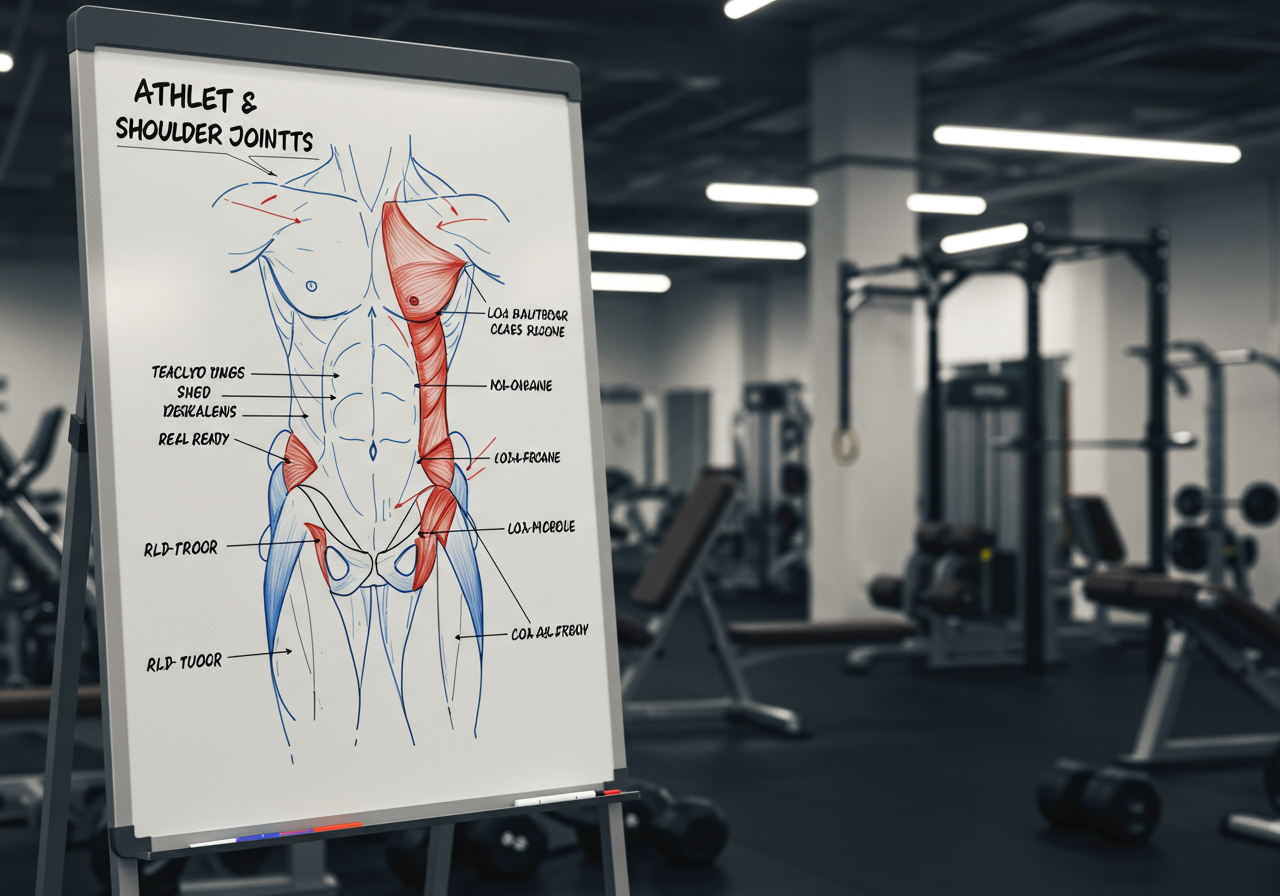
Mobility for sport is more than stretching. Useful range needs three pieces: joint capacity (capsule and connective tissue), neuromuscular control at end range, and coordinated breathing to manage tension. Yoga sequences can target all three.
Warm flows and isometrics leverage stretch tolerance and the stress-relaxation response. Paired with nasal or paced exhale breathing, they may improve vagal tone and downshift post-session arousal—helpful for recovery. In practice and in peer-reviewed work, athletes who combine mobility with strength and aerobic training often see better movement efficiency and fewer missed sessions due to tightness, although results vary by sport and consistency.
In my own training, adding 12–15 minutes of structured flows before lifts reduced my squat warm-up sets and made overhead positions feel stable. Two clients echoed this. “My hips finally open on tempo runs,” said Ana, a masters runner, after four weeks. A recreational lifter, Jay, noted fewer cranky shoulders on bench days and matched his prior 1RM at a lower RPE. These are n=1 outcomes, but they align with what I commonly observe.
Baseline Tests and Pre-Training Flow Protocols
1) Quick baseline (3–5 min): Record short clips on your phone.
Overhead reach test: back to wall, ribs down, arms overhead—note if elbows bend or ribs flare.
Knee-to-wall ankle test: measure finger width distance from wall at a smooth heel-down touch.
Seated thoracic rotation: arms across chest, rotate; note symmetry.
2) Breathing primer (2–3 min): 90/90 breathing on the floor, nasal inhale 4s, quiet long exhale 6–8s, pause 2s. Aim for relaxed neck and soft ribs. Keep RPE 2–3.
3) Pre‑training warm-flow (6–10 min):
Sun Salutation A x2–3 rounds with slow exhales.
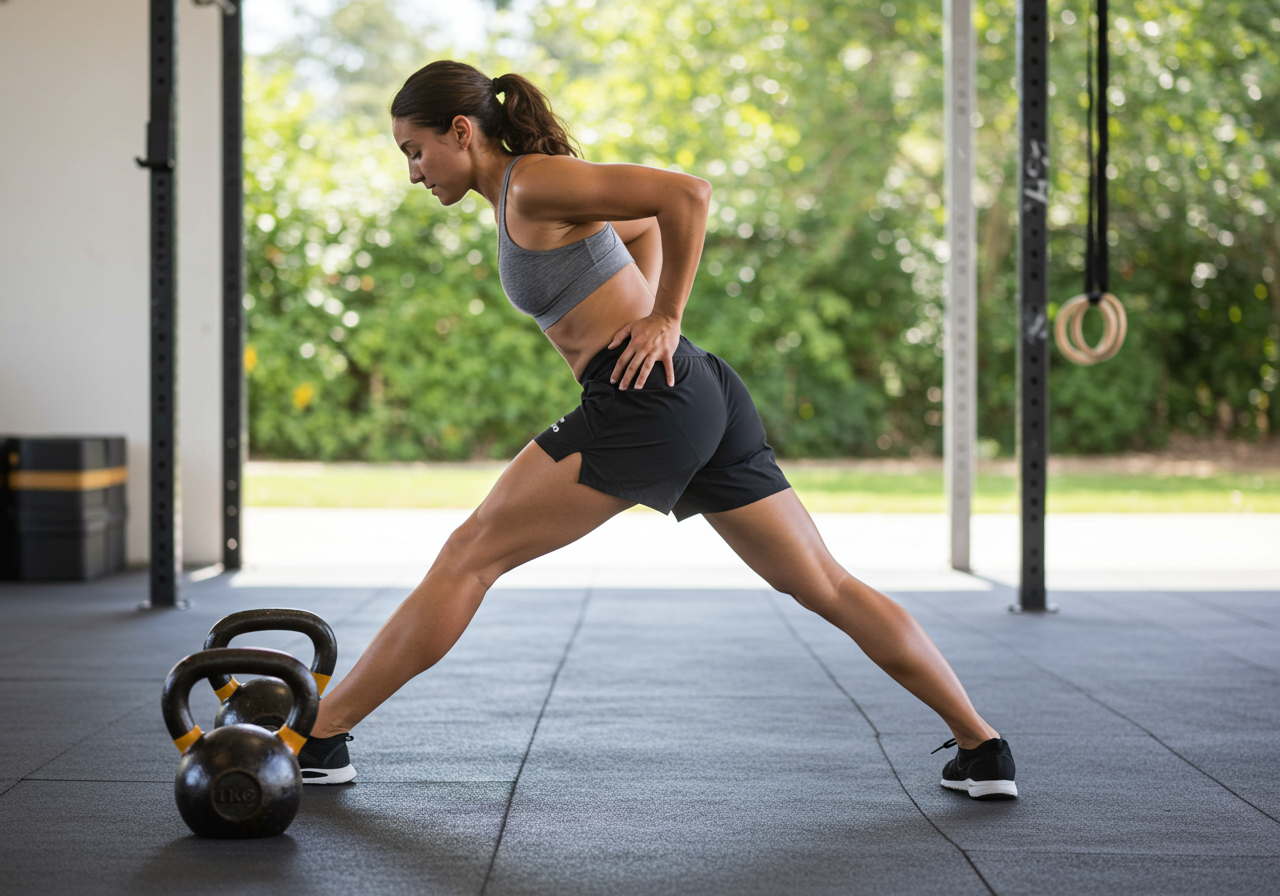
Runner’s lunge to hamstring floss, 5–6 slow reps each side; add light isometric squeeze at end range (3–5s).
90/90 hip switches to shinbox get-up, 6–8 reps.
Thoracic open book or thread-the-needle, 5 breaths each side.
Wrist prep: gentle circles and extension holds (especially for push/press days).
Couple the warm-flow with your lift: 1–2 sets of the first movement using a dowel or empty bar to groove the pattern (e.g., overhead squat PVC 2×5, or goblet squat 2×5 with light kettlebell).
4) Post‑training decompression (6–12 min): Box-breath or long exhales, then longer holds: pigeon or elevated pigeon (1–2×45–60s), calf wall stretch (2×30–45s), child’s pose with side reach (5 breaths each). Static holds go here, not before sprints or heavy efforts.
5) Active recovery day (20–30 min): Zone 2 cardio (RPE 3–4) plus a longer flow (15–20 min): slow Sun A/B, lizard with block, low lunge with side bend, Cossack squat with support, standing balance (airplane or warrior 3) for foot strength.
6) Tracking: Log mobility minutes and HR zones in Garmin or Fitbit. Save short before/after videos monthly. Track lifts in Strong or a spreadsheet (sets, reps, RPE). Nutrition in MyFitnessPal: protein target 1.6–2.2 g/kg, carbs periodized around hard sessions, fluids 30–40 ml/kg/day with electrolytes when sweating.
Example integrated session (strength day, ~60–70 min): 8‑min warm-flow → Back squat 4×5 @ RPE 7 + superset 90/90 to shinbox 6 reps → DB bench 3×8 @ RPE 7 + thoracic open book → Accessory core 6–8 min → 8‑min decompression. My HR typically stays low in warm-up (Zone 1–2), peaks during main sets (Zone 2–3), then settles quickly with long exhales.
Lesson learned: When I rushed the breath work, end-range felt shaky and my shoulders shrugged. Two extra minutes of quiet exhales fixed it.
Eight-Week Progression From Beginner to Advanced
Program overview — 8 weeks at 3–5 mobility days/wk, integrated with strength and cardio.
Weeks 1–2 (Beginner): 8–10 min warm-flow + 6–8 min decompression on lift days (2–3x); 15 min long-flow on one Zone 2 cardio day. Focus: slow tempo, form videos.

Weeks 3–4 (Beginner → Interm.): Add Controlled Articular Rotations (CARs) for hips/shoulders daily (2–3 mins). Introduce light loaded mobility: goblet cossack 3x5 easy, front-foot elevated split squat holds 2x20s.

Weeks 5–6 (Intermediate): Warm-flow stays 10–12 min; integrate end-range isometrics (3x10–15s) in lunge/hamstring. Add one short tempo run or bike (Zone 3, 12–20 min) followed by 12–15 min long-flow.

Weeks 7–8 (Advanced): Context-specific: overhead athletes add prone swimmers + loaded carries; runners add calf/foot isos (2x30s) and single-leg balances. Keep one deload-lite week if joints feel irritated: reduce holds by 30%.
Advancement cues: Increase complexity (e.g., from kneeling side bend to standing with load), not just time. Shift from passive range → active control → light load at end range. Keep RPE for mobility at 3–6; heavy grinding means back off.
Validation checkpoints (every 2–4 weeks): Retest knee-to-wall (aim for smoother motion, not a number), compare overhead video frames, note fewer warm-up sets required, and watch for steadier HR during the same pace on easy runs.
Frequency Guidelines and Common Mistakes to Avoid
Frequency: 3–5 mobility touches weekly works for most. Place short warm-flows before lifts or runs; save longer holds for after or on easy days.
Intensity: Mobility should feel challenging but calm. Breathe through your nose, jaw relaxed. If you can’t control the exhale, you’re too deep.
Common mistakes to avoid: Long static stretches before sprinting or max lifts; chasing front splits while ignoring ankles and wrists; holding your breath; skipping deloads; adding volume when tired instead of improving position.
Troubleshooting: Plateaus—rotate drills every 3–4 weeks and add light load at end range. Overtraining signs—shorten sessions to 6–8 minutes and emphasize breath-only work for a week. Irritated tissues—swap deep pigeon for elevated variations and cut holds by 50%.
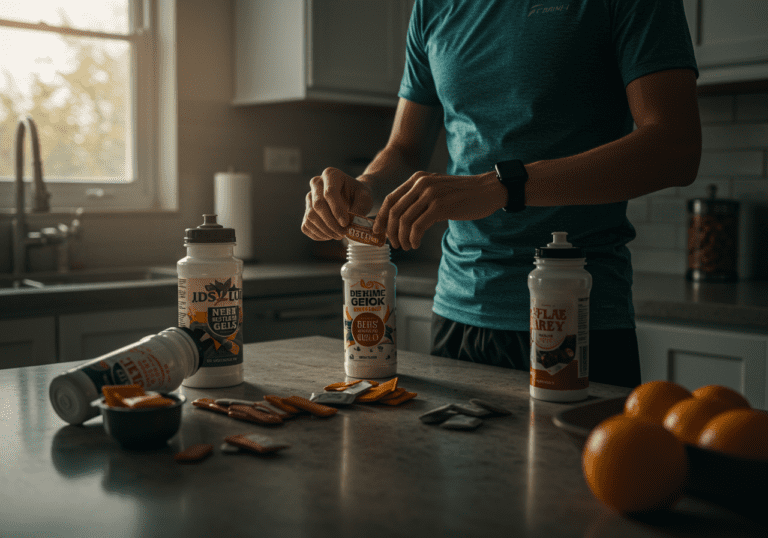
Recovery & fueling: Protein 1.6–2.2 g/kg daily; carbs around hard sessions (e.g., 1–1.5 g/kg in the 3–4 hours pre/post); magnesium or tart cherry can help sleep for some. Aim for 7–9 hours nightly. On sweaty days, add electrolytes to your water.
Real‑world outcomes: Client Jay improved front squat depth visibly on video and reported less shoulder ache on bench days while maintaining strength. Ana’s tempo runs felt smoother with fewer calf twinges after adding ankle work. My own 5K time ticked down slightly during a cycle when I kept long exhales post-run, though I can’t isolate mobility from overall training load.
Next steps: Pick two warm-flow drills and two decompress drills that feel best. Log them in your app today. If you want my full video library and templates, subscribe and I’ll send the progression guide.
Fast Start Deload weeks convert hard training into reliable progress by lowering fatigue while keeping your movement sharp. In this guide, you’ll learn when to schedule them, how much to cut, and simple templates that protect strength and joints. Plan deload weeks by reducing volume 30–50%, keeping technique sharp, and maintaining intensity around RPE 6–7…
Quick bodyweight intervals burn fat at home Home Cardio Workouts Without Equipment can reduce body fat, improve conditioning, and fit into busy schedules. In this guide, you’ll learn practical routines, progressions, and how to track results. Direct answer: Do 20–30 minutes of mixed bodyweight intervals three to five days weekly at moderate to vigorous effort….
5K to 10K is achievable with a simple, repeatable system that grows your aerobic base and resilience. To move from 5K to 10K, extend your long run 0.5–1 mile weekly and keep most mileage easy in Zone 2. In the next few minutes, you’ll get a coach-tested framework: weekly structure, milestone checkpoints, beginner-to-advanced progressions, fueling…
Hook & Quick Overview Shoulder Mobility Drills to Prevent Impingement and Pain matter because tight tissues and weak stabilizers make overhead movement cranky fast. This guide gives you a proven, beginner-friendly system. Direct answer: Practice 8–12 minutes of targeted mobility daily and 2 strength sessions weekly to reduce shoulder impingement risk and pain. You will…
Turn Random Rest Into a Repeatable Recovery System A recovery toolbox turns random rest into a repeatable system for better training results. It uses simple tools, short timers, and checklists to reduce fatigue, protect joints, and keep progress steady. In a few minutes, you will learn how to combine practical tools, reliable timers, and a…
Balance Strength and Cardio with Smart Weekly Structure To combine strength lifts with endurance, start with a simple 3+2 weekly template that balances intensity and recovery. Do two strength days, two endurance days, and one mixed day while keeping easy volume high and hard efforts brief. In minutes, you will learn a clear weekly layout,…