Blend Treadmill Control with Outdoor Running Specificity
Treadmill vs Outdoor Running can be trained together with one plan. You will learn how to split sessions, match effort, and progress every week.
Quick answer: blend 1–2 treadmill workouts for control and 2–3 outdoor runs for real‑world specificity to improve faster and safer.
Precision Indoors, Real-World Resistance and Terrain Outdoors
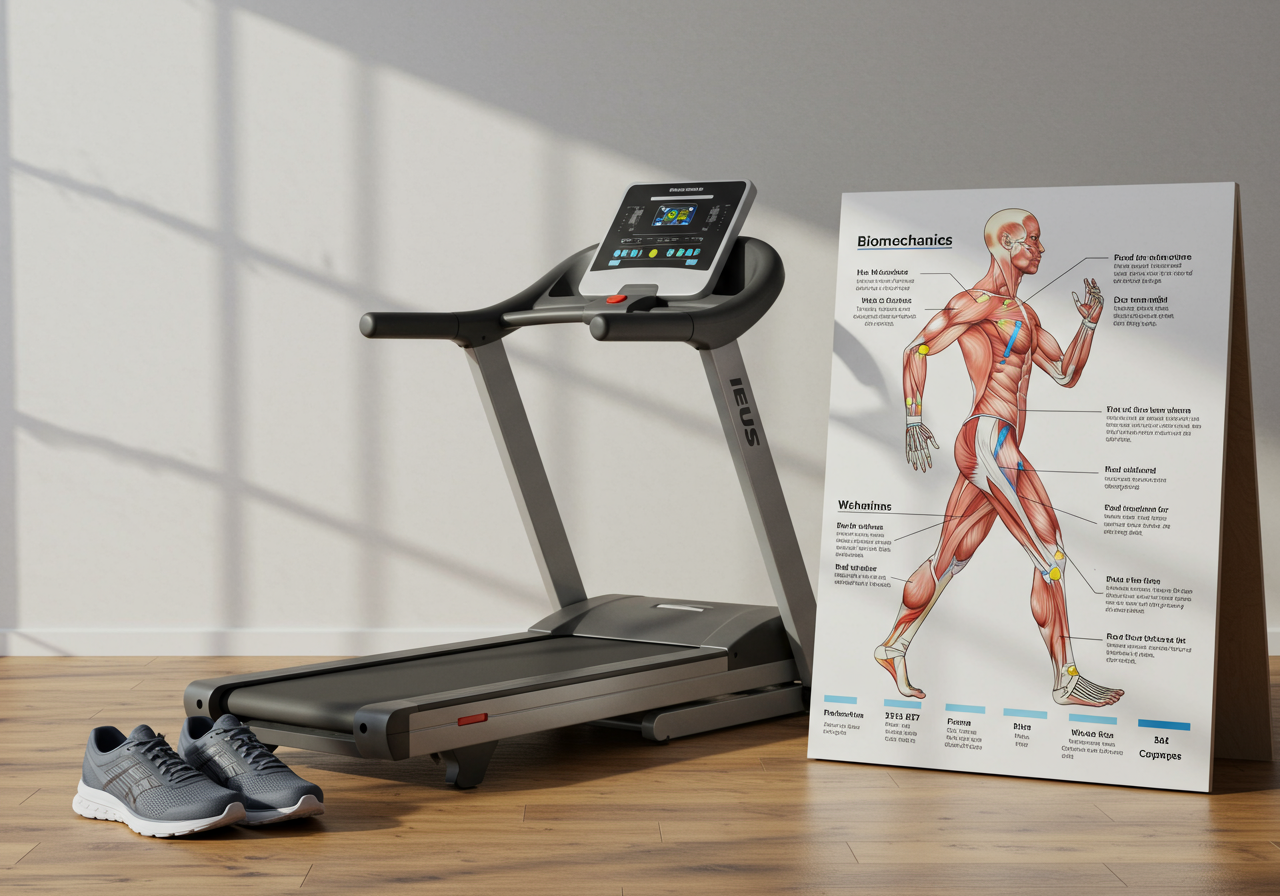
Treadmills offer precision: steady pacing, easy incline control, and predictable surfaces. Outdoor running provides true wind resistance, micro‑terrain changes, and sharper proprioception. Both stress the aerobic system, but they challenge mechanics and mental focus differently.
Many coaches use a slight treadmill incline (about 1%) to approximate outdoor energy cost. In peer‑reviewed work, controlled belt speed reduces pacing error; outdoors, small gusts and gradients raise variability but improve resilience. In practice, combining both often yields steadier technique and better pacing skills, though results vary by athlete and context.
From my coaching logs, beginners stick to the plan longer when they split environments: treadmills reduce weather excuses; outdoor miles build confidence for races. That adherence alone often drives progress.
Set Incline, Monitor Cadence, Anchor by Effort
Warm‑up — 8–10 minutes easy jog or brisk walk, plus 3×20 s build‑ups. Add ankle rocks, calf raises, and hip openers. Aim for RPE 3–4 or HR Zone 1–2.
Treadmill setup — Set 0.5–1.0% incline, use a fan to mimic airflow, and keep hands off the rails. Watch cadence (170–180/min as a guide) using a foot pod or your watch.
Outdoor technique — Run tall with a soft midfoot strike. Let pace float with terrain; anchor by effort (talk test) or HR zones. On uneven paths, shorten stride slightly.
Easy run template — 20–45 minutes in Zone 2 (conversational). Treadmill days: keep incline ≤1.5%. Outdoor days: pick flat routes early, vary terrain later.
Interval template — Treadmill is best for precision. Try 5×3 minutes at Zone 4 with 2 minutes jog recovery. Start conservatively; finish with 5–8 minutes easy.
Hill work — Outdoors: 6–10×30–60 s up a moderate hill (walk/jog down). Indoors: 4–6% grade for 45–75 s repeats. Focus on knee drive, relaxed hands.
Tempo/threshold — 15–30 minutes continuous at Zone 3–4. Choose treadmill on windy days to hold steady power; choose outdoors near race time for specificity.
Long run — Build weekly by 5–10 minutes to 50–80 minutes in Zone 2. If on a treadmill, vary incline 0–2% every 10 minutes to reduce monotony.
Fuel & recovery — For runs over 60 minutes, take 30–45 g carbs/hour with 300–600 mg sodium. Within 2 hours post‑run, 0.3 g/kg protein plus carbs. Sleep 7–9 hours.
Real week I’ve used during base: Tue treadmill intervals (5×3 min Z4), Thu outdoor tempo (20 min steady Z3–low Z4), Sat outdoor long run (70 min Z2), with short strength on Mon/Fri. My Garmin training effect stays near 3.0–3.5, and HRV remains stable—good signs of appropriate load.
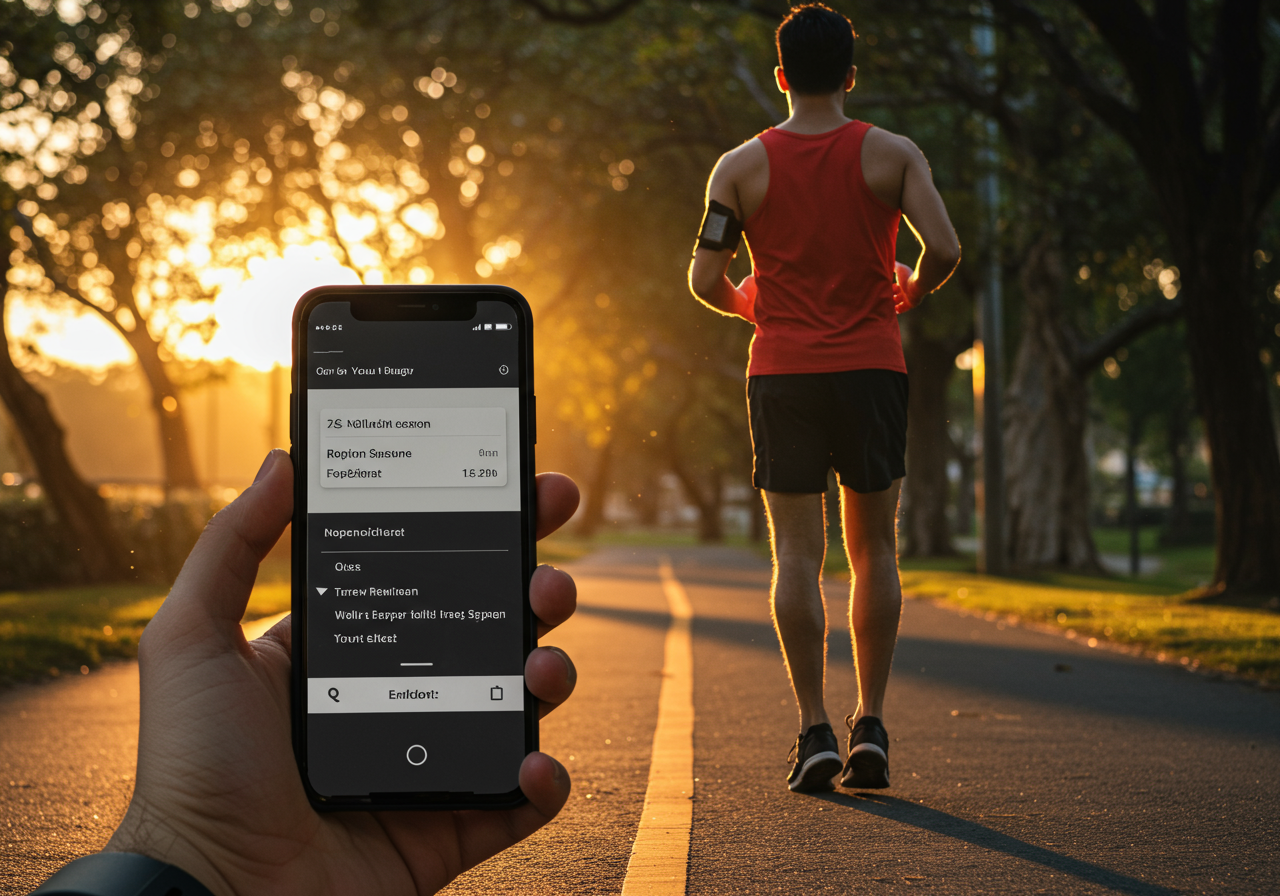
Tools I rely on: Strava for route history and segment comparisons, Garmin or Polar for HR zones, and MyFitnessPal to ensure I’m not under‑fueling on higher volume weeks.
Eight Weeks from Beginner Easy Runs to Advanced Intervals
Caption: 8‑week progression blending treadmill control with outdoor specificity. Adjust times by feel if you’re returning from injury.
Week 1 (Beginner): 3 runs — TM easy 20–25 min Z2 (1%); Outdoor walk‑jog 20 min; Mobility/strength 15 min.

Week 2: 3–4 runs — TM 4×2 min Z4 (2 min jog); Outdoor easy 25–30 min; Long 35 min Z2.

Week 3: 4 runs — TM 5×2 min Z4; Outdoor tempo 12–15 min Z3; Long 40–45 min Z2.

Week 4 (Deload): 3 runs — Cut volume ~20%; Keep 2–3 short strides; Maintain strength light.

Week 5 (Intermediate): 4 runs — TM 5×3 min Z4; Outdoor tempo 18–20 min; Long 50–55 min Z2; One easy 30 min.

Week 6: 4–5 runs — Hills: 8×45 s (outdoor or 5% TM); Easy 30–40 min; Long 55–60 min Z2; Optional recovery jog 20 min.

Week 7 (Advanced): 5 runs — TM 6×3 min Z4; Outdoor tempo 25–30 min; Easy 35–40 min; Long 60–70 min Z2 with last 10 min relaxed.

Week 8 (Validation): Choose one — Outdoor 5K time trial or TM 20‑min steady Z4; Compare pace/HR vs Week 3–5 sessions in Strava/Garmin.
How to scale:
Beginners: cap Z4 work at 10–12 total minutes; keep most miles in Z2.
Intermediates: extend tempos to 20–30 minutes; progress intervals by one rep every 1–2 weeks.
Advanced: add a second quality day some weeks (e.g., short hills plus tempo), and vary TM incline between 0–2% on long runs.
Troubleshooting:
Plateau: reduce volume 10–20% for one week, then resume with one added rest day or swap an interval day for hills.
Overreaching signs: rising morning HR, poor sleep, heavy legs. Cut intensity for 3–5 days and emphasize carbs and sleep.
Shin discomfort: shorten stride, increase cadence slightly, and strengthen calves/hips; prefer treadmill for a week to control surface.
Result checks: I look at pace at a steady HR (e.g., Zone 2) every two weeks. In practice, many novices see smoother pacing and modest 5K gains after 6–8 weeks, though progress varies.
Frequency: 3–5 runs weekly with at least one rest day. Intensity: keep ~70–80% in Zone 1–2, 10–20% in Zone 3–4, and the remainder for strides or hills. Rotate shoes and replace them before midsole fatigue sets in.
Common mistakes to avoid: turning every treadmill day into a race, zero incline all year, ignoring cadence, skipping strength, and under‑fueling. Outdoors, don’t chase pace into headwinds—anchor to effort.
Safety: use a fan and hydration on long treadmill sessions. Outside, choose visible routes and mind footing. If pain changes your stride, stop and switch to cycling or walking for the day.
Nutrition: on training days, a simple target is bodyweight (kg) × 6–8 g carbs for moderate volume, with protein at 1.6–2.2 g/kg across meals. Caffeine can help intervals; keep total intake reasonable and avoid late‑day use.
Client note: “The split plan kept me consistent during night shifts. Two treadmill workouts, two outdoor runs—I PR’d a parkrun by ~50 seconds after eight weeks,” says J., a nurse. Individual results vary, but consistency wins.
Monitor: log sessions in Strava, track HR zones and RPE, and compare similar workouts monthly. When you see effort drop for the same pace, you’re on track.
Next steps: keep this blend year‑round, swap in trail days for variety, and test a 5K or 10K each quarter. If you want my editable plan with HR zone calculators and strength videos, subscribe and I’ll send the toolkit.
Fast Start Deload weeks convert hard training into reliable progress by lowering fatigue while keeping your movement sharp. In this guide, you’ll learn when to schedule them, how much to cut, and simple templates that protect strength and joints. Plan deload weeks by reducing volume 30–50%, keeping technique sharp, and maintaining intensity around RPE 6–7…
5K to 10K is achievable with a simple, repeatable system that grows your aerobic base and resilience. To move from 5K to 10K, extend your long run 0.5–1 mile weekly and keep most mileage easy in Zone 2. In the next few minutes, you’ll get a coach-tested framework: weekly structure, milestone checkpoints, beginner-to-advanced progressions, fueling…
Weekly Training Plan With Built-In Gear Audits A gear audit built into your training prevents injuries and keeps progress steady. This guide gives you a complete weekly plan plus a safety and maintenance checklist. Direct answer: Train 3–4 days weekly; run a 2-minute gear audit before sessions; progress gradually; log sleep, nutrition, and performance. Equipment…
Balance Strength and Cardio with Smart Weekly Structure To combine strength lifts with endurance, start with a simple 3+2 weekly template that balances intensity and recovery. Do two strength days, two endurance days, and one mixed day while keeping easy volume high and hard efforts brief. In minutes, you will learn a clear weekly layout,…
Anti-inflammatory foods can meaningfully reduce soreness and speed up recovery when paired with smart training, adequate protein, and sleep. In this guide, I merge a simple training week (strength, cardio, and mobility) with recovery nutrition that lowers unnecessary inflammation. You’ll get meal templates, grocery picks, supplement considerations, and a step-by-step plan to progress from beginner…
Build Balanced Legs with Single-Leg Training Progressions Single-leg strength exercises fix wobbly knees, even out leg size, and translate to real-world power. This guide shows you the exact routines, weekly progressions, and recovery rules I use with new lifters and busy clients. Train them 2–3 days weekly, progress load and range, and expect steadier knees…