Medical Disclaimer: The information provided on this website is for informational and educational purposes only and is not intended as personal medical or health advice. The content, including text, graphics, and images, is not a substitute for professional medical advice, diagnosis, or treatment. Always seek the advice of your physician or other qualified healthcare provider with any questions you may have regarding a medical condition or before starting any new exercise, nutrition, or supplement program. Never disregard professional medical advice or delay in seeking it because of something you have read on this blog. Reliance on any information provided by this site is solely at your own risk.
Batch Two Proteins Weekly, Track Without Kitchen Chaos
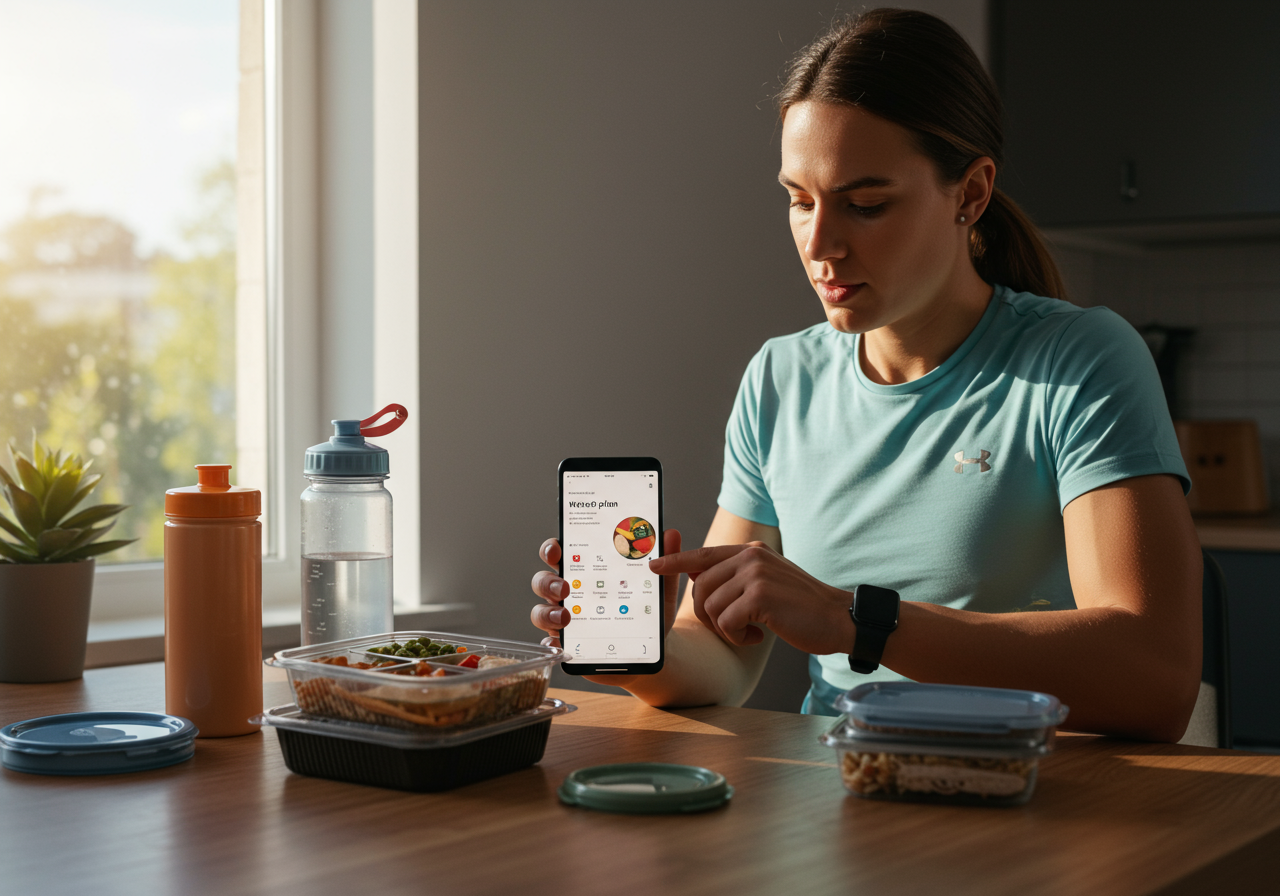
Meal prep habits make training nutrition predictable, even when life is busy. In this guide you’ll learn a tested system to plan, batch-cook, portion, and track without spending your entire Sunday in the kitchen.
Fast answer: batch two proteins, two carbs, and three veggies weekly; portion, label, and repeat on a fixed schedule.
I’ve coached shift workers, parents, and executives to use this approach. You’ll get beginner-to-advanced progressions, real tools I use, and ways to validate that your prep actually improves energy, body composition, and performance.
Good training collapses when meals are impulsive. Prepping reduces decision fatigue, steadies protein intake, and makes carbs available when your sessions demand them. Consistent nutrition supports recovery, mood, sleep, and adherence to your plan.
In practice and in peer-reviewed reports, people who plan and batch meals tend to hit protein targets more reliably, eat more produce, and control portions better. That can translate to steadier energy in Zone 2 cardio, better quality reps on strength days, and easier weight management. Results vary, but consistency almost always improves when food friction drops.
Real-world snapshot: during my half-marathon build, prepping two grain options and two proteins each week meant I hit pre-run carbs without scrambling. Long runs felt smoother, and I finished workouts with less GI stress.
Client M., a paramedic: “Three prepped lunches ended my vending-machine dinners. I wasn’t perfect, but my afternoon crashes faded and I finally had gas for evening lifts.”
Approach comparison:
Full-batch (cook full meals): Simple heat-and-eat; risk of menu boredom.
Meal kits/services: Lowest prep time; higher cost and less control of macros.
Ninety-Minute Workflow: Map Week, Set Targets, Prep
Use this 90-minute workflow I run for myself and busy clients.
Map your week (5–10 min). In your calendar, mark training days and the top two chaotic time blocks. Anchor prep to a stable time (e.g., Sunday 4:30 p.m., Wednesday 7:00 p.m.).
Set simple targets (10 min). Use an app like MyFitnessPal or Cronometer. General ranges: protein 1.6–2.2 g/kg body weight, fiber 25–35 g/day, carbs flex by training load. If you use Garmin/Strava, nudge carbs upward on long or intense days.
Choose a plate template. Half non-starchy veggies, a quarter lean protein, a quarter starch, plus a thumb of fats. This keeps portions consistent without constant weighing.
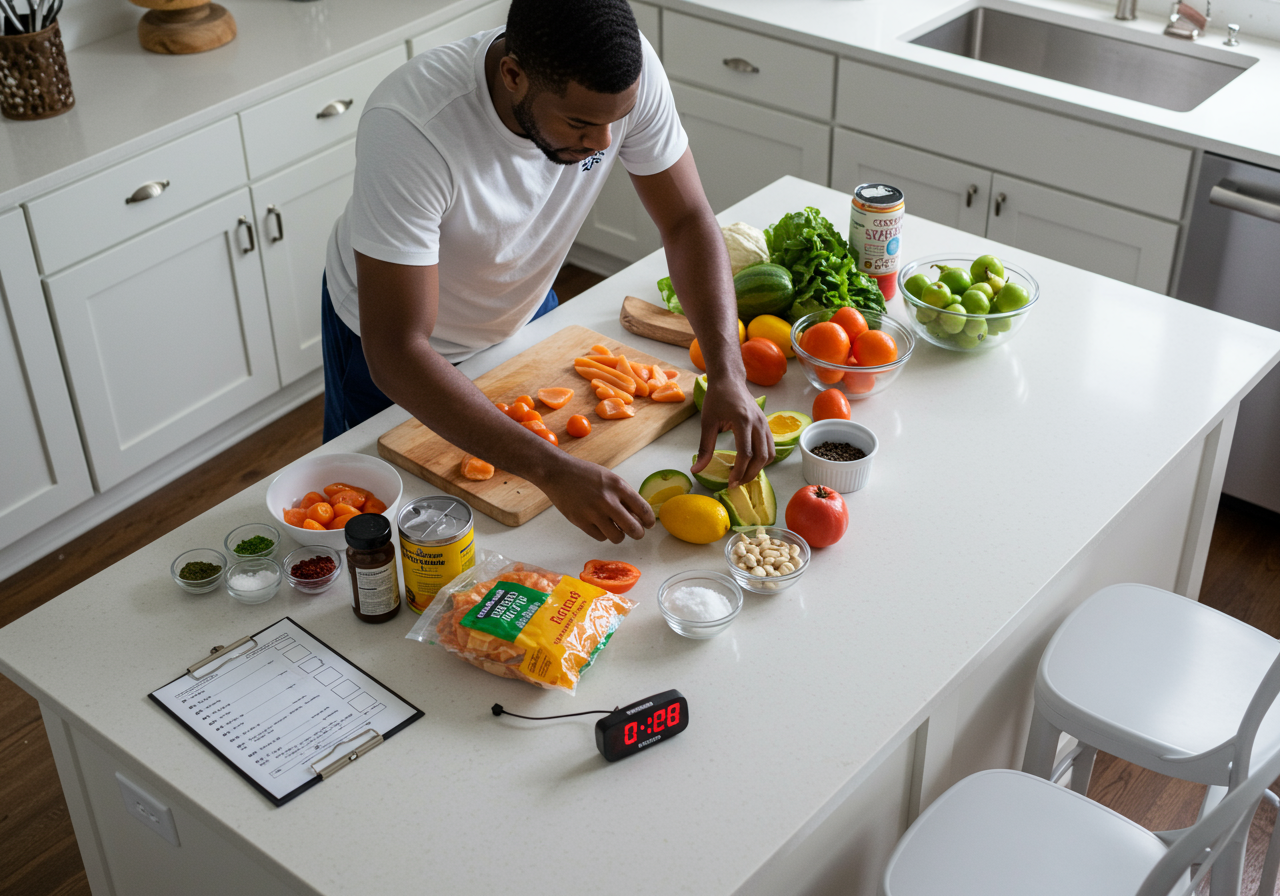
Batch-cook in circuits (45–60 min). Start ovens and pots first:
Sheet-pan veggies: toss with oil/salt; roast 20–25 min.
Proteins: chicken thighs in oven; tofu in air fryer or skillet.
Starches: rice cooker or instant pot for grains/potatoes.
Extras: boil eggs, mix a sauce, chop herbs.
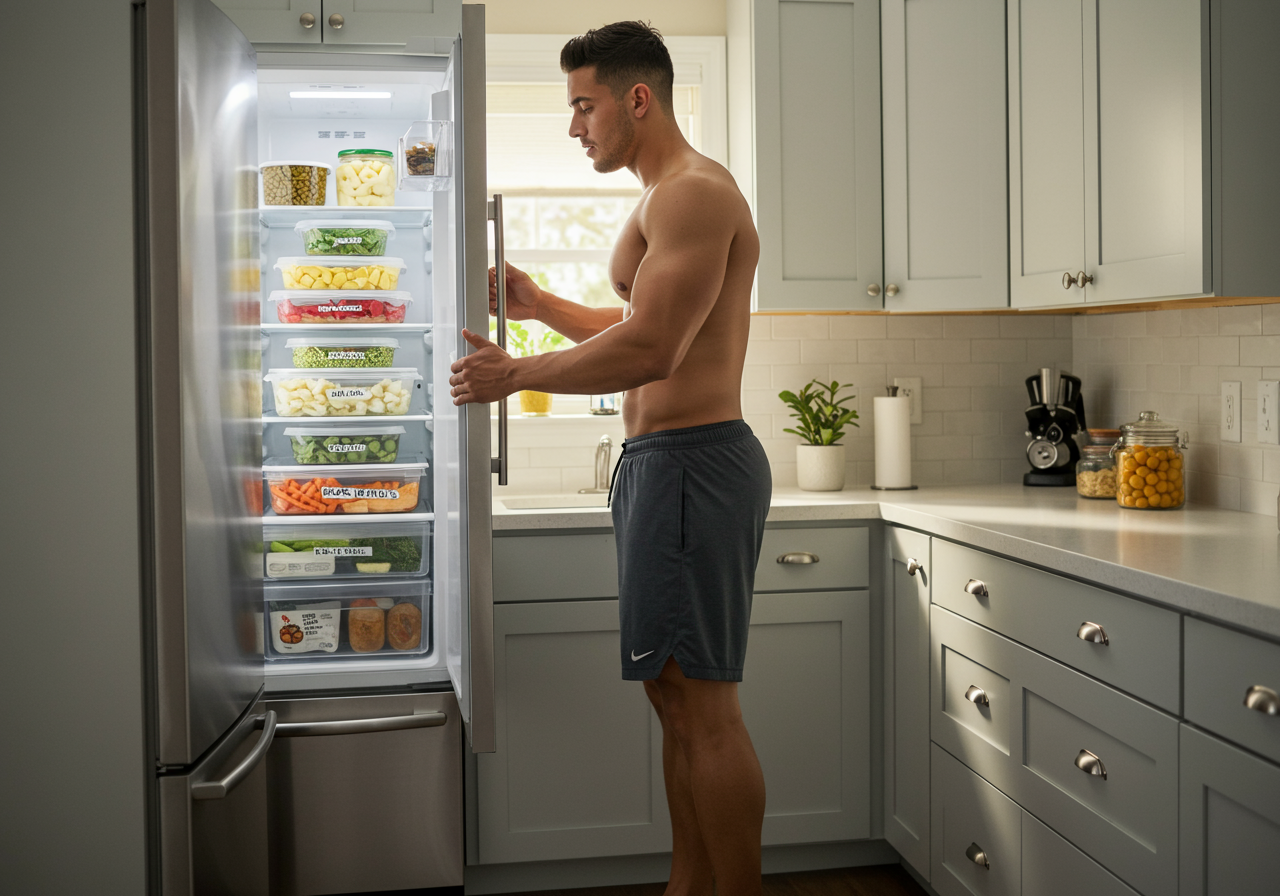
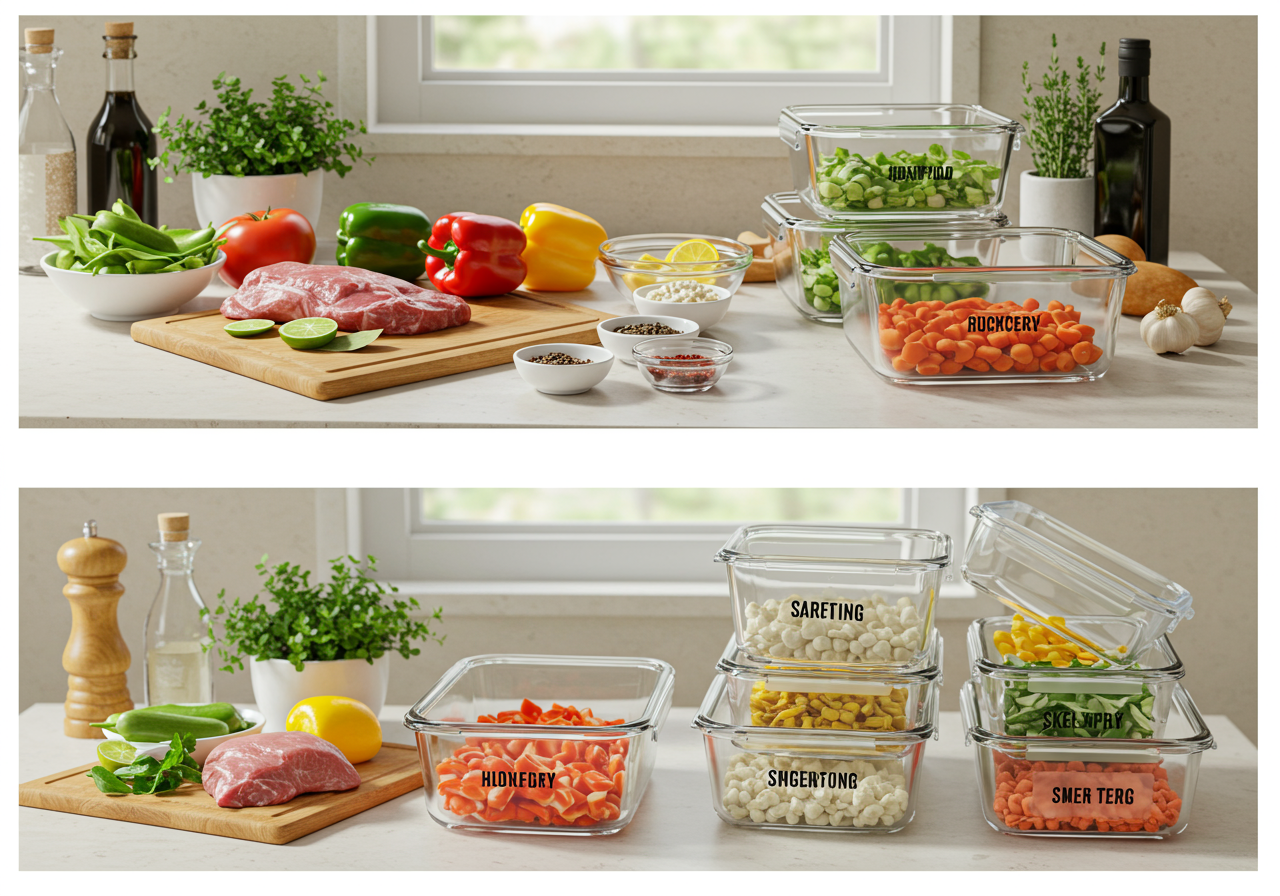
Portion and label (10–15 min). Use clear containers. Add blue tape labels: item, date, and intended meal (e.g., “lunch Tue”). Portion 25–40 g protein per meal where possible.
Store safely. Cool quickly, refrigerate within 2 hours, keep 3–4 days in the fridge, freeze extras up to ~3 months. Reheat to steaming hot.
Track and adjust (5 min). In Notion or a notes app, log: “prep done? Y/N,” adherence %, energy 1–5, and one tweak for next week. Automation helps—set recurring reminders.
Travel/back‑to‑back shifts plan. Shelf-stable options: tuna packets, microwavable rice cups, instant oatmeal, jerky, fruit, nut butter, protein powder. Pack a small spice mix to beat boredom.
Fueling example tied to training: before a Zone 3 tempo, I’ll grab 1 cup cooked rice with soy-sauce eggs (~30–50 g carbs). After strength days, I build a bowl with 30–40 g protein plus carbs to match appetite.
Start Small: Breakfast Only, Then Add Lunches Weekly
Start small, stack wins, then customize. Use this roadmap and track adherence rather than perfection.
Progression roadmap (weeks and focus)
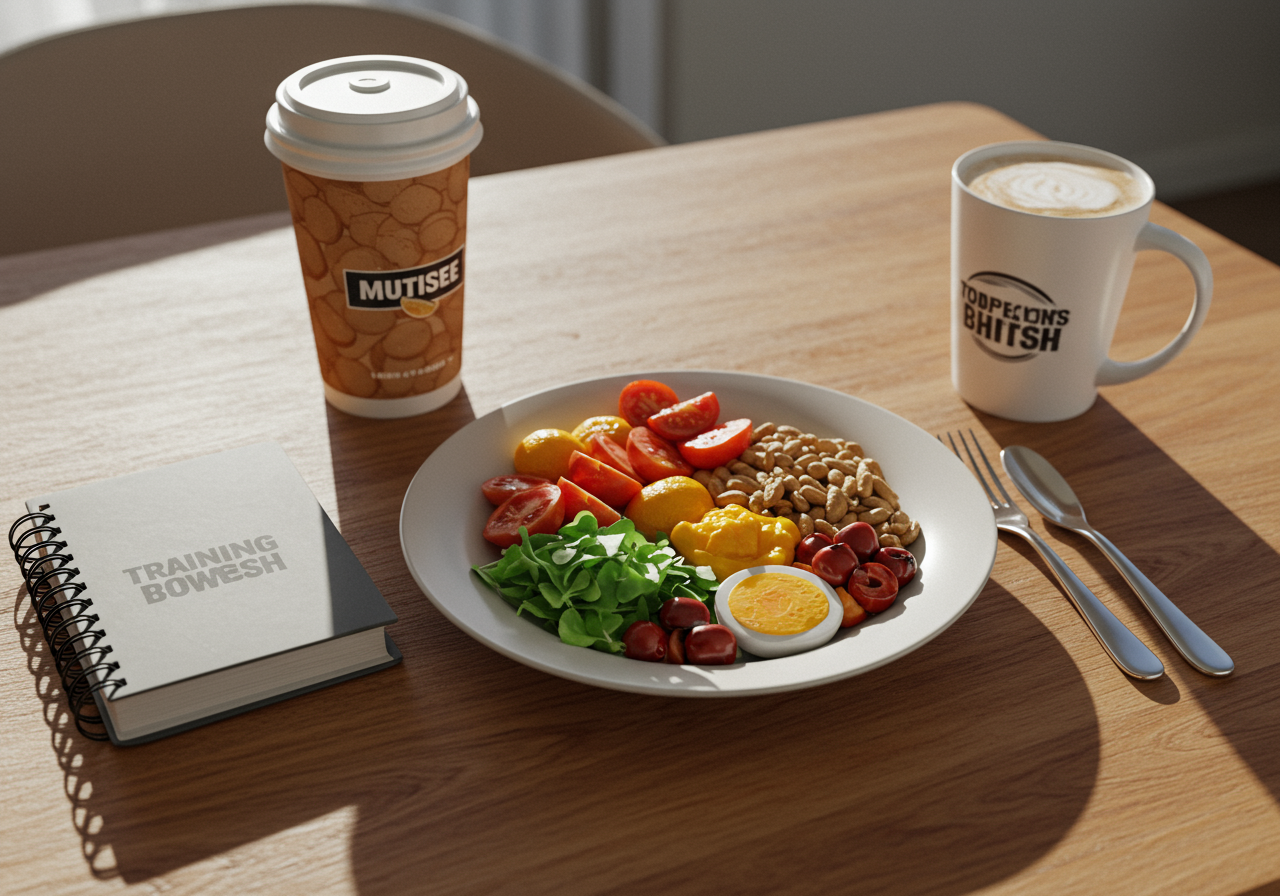
Week 1–2: Micro-prep. Batch breakfast and 2 snacks only; 30 minutes. Aim: hit protein at breakfast; log adherence.

Week 3–4: Add lunches. Two proteins + two carbs + three veggies. Pack 3 work lunches. Aim: pre/post-workout carbs on training days.

Week 5–6: Full workweek coverage. Lunches + 2 easy dinners. Split cook: Sun + Wed (45 min each). Rotate sauces/spices.

Week 7–8: Advanced modular. Adjust carbs for hard vs. easy days; freezer back-up meals; family/roommate batching system.

Beyond: Personalize. Vegetarian or gluten-free? Swap components. Travel weeks rely on shelf-stables and hotel microwaves.
Beginner markers: two successful prep sessions in a row; energy steadier during Zone 2 cardio. Intermediate markers: four weeks of 70%+ adherence and fewer takeout decisions. Advanced markers: flexible swaps without breaking the system and reliable fueling around key sessions.
Validation in practice: when clients nail component prep and pre/post-workout carbohydrate timing, their sessions feel smoother, and recovery ratings improve. In my coaching notes, adherence often rises into the 80%+ range after 4–6 weeks, though individual results vary.
Personal note: my squat sessions progressed steadily while body weight held stable once I consistently hit protein via prepped lunches. The correlation was clear in my training log.
References & Further Reading
The following peer-reviewed research and authoritative guidelines support the recommendations in this article:
Frequency: 1–2 prep blocks per week. Keep each under 90 minutes. Use a midweek top-up for produce.
Fuel training: Pre-workout: easy carbs 30–60 minutes before. Post-workout: prioritize 25–40 g protein with carbs. Hydrate; add electrolytes in heat.
Food safety: Cool quickly, refrigerate within 2 hours, use fridge meals in 3–4 days, freeze extras. Reheat until steaming. Separate raw meats, sanitize boards.
Troubleshooting plateaus: Boredom? Build a “flavor kit” (curry paste, chimichurri, chili crisp). Schedule slipping? Freeze two back-up meals weekly. Overly strict? Add a flexible meal to prevent rebound eating.
Overtraining or low energy: If sessions feel flat for 3+ days, review total calories and carbs. Add a snack or increase starch portions; deload training if needed.
Tools: MyFitnessPal or Cronometer (intake), Notion or Google Tasks (habits), Strava/Garmin (session notes), a cheap kitchen scale, blue painter’s tape for labels.
Progress tracking: Weekly: adherence %, energy (1–5), sleep hours, morning HR/HRV (Oura/Whoop/Garmin), waist or photos, and training notes (RPE). Look for trends, not perfection.
Medical Disclaimer: The information provided on this website is for informational and educational purposes only and is not intended as personal medical or health advice. The content, including text, graphics, and images, is not a substitute for professional medical advice, diagnosis, or treatment. Always seek the advice of your physician or other qualified healthcare provider…
Medical Disclaimer: The information provided on this website is for informational and educational purposes only and is not intended as personal medical or health advice. The content, including text, graphics, and images, is not a substitute for professional medical advice, diagnosis, or treatment. Always seek the advice of your physician or other qualified healthcare provider…
Medical Disclaimer: The information provided on this website is for informational and educational purposes only and is not intended as personal medical or health advice. The content, including text, graphics, and images, is not a substitute for professional medical advice, diagnosis, or treatment. Always seek the advice of your physician or other qualified healthcare provider…
Medical Disclaimer: The information provided on this website is for informational and educational purposes only and is not intended as personal medical or health advice. The content, including text, graphics, and images, is not a substitute for professional medical advice, diagnosis, or treatment. Always seek the advice of your physician or other qualified healthcare provider…
Medical Disclaimer: The information provided on this website is for informational and educational purposes only and is not intended as personal medical or health advice. The content, including text, graphics, and images, is not a substitute for professional medical advice, diagnosis, or treatment. Always seek the advice of your physician or other qualified healthcare provider…
Medical Disclaimer: The information provided on this website is for informational and educational purposes only and is not intended as personal medical or health advice. The content, including text, graphics, and images, is not a substitute for professional medical advice, diagnosis, or treatment. Always seek the advice of your physician or other qualified healthcare provider…