Turn Random Rest Into a Repeatable Recovery System
A recovery toolbox turns random rest into a repeatable system for better training results. It uses simple tools, short timers, and checklists to reduce fatigue, protect joints, and keep progress steady.
In a few minutes, you will learn how to combine practical tools, reliable timers, and a weekly checklist to boost strength sessions, cardio days, and mobility work without guesswork.
Why Structured Recovery Builds Adaptation and Steady Progress
Training creates stress; recovery creates adaptation. When you pair structured rest with your sessions, you shift the nervous system toward parasympathetic tone, refill glycogen, and allow tendons and connective tissue time to remodel. Even simple breathwork, light mobility, and sleep hygiene often lower perceived exertion in the next workout.
In practice and in peer‑reviewed studies, consistent sleep, protein intake, and low-intensity cooldowns are associated with better adherence and modest performance gains. Tools and timers help you do these behaviors regularly, not perfectly. I see this weekly with clients who track morning resting heart rate and session RPE: steadier metrics usually match steadier progress.
One client, Ana, told me, “Once we added a 6‑minute cooldown timer and a quick checklist, my knees felt calmer and I stopped skipping Thursday runs.” That pattern—fewer flare‑ups, fewer skipped days—shows up often when the system is simple and repeatable.
Stock Your Kit and Set Three Standard Timers
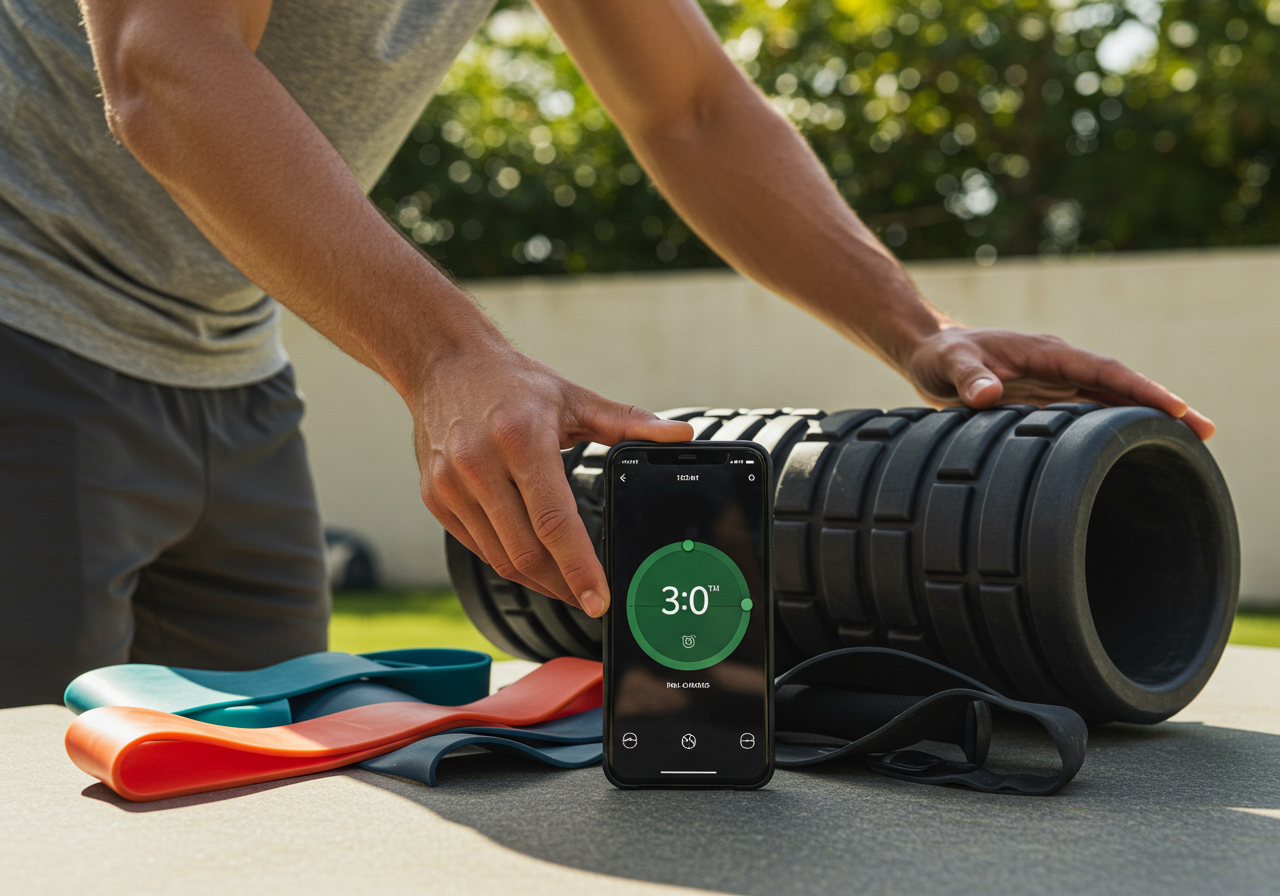
1) Stock the kit (low-cost first, optional later): foam roller, lacrosse ball, long resistance band, mini-band, yoga mat, water bottle, small notebook or notes app, kitchen timer or phone timer. Optional as budget allows: massage gun, hot/cold packs, sleep mask, nasal strips, compression sleeves.
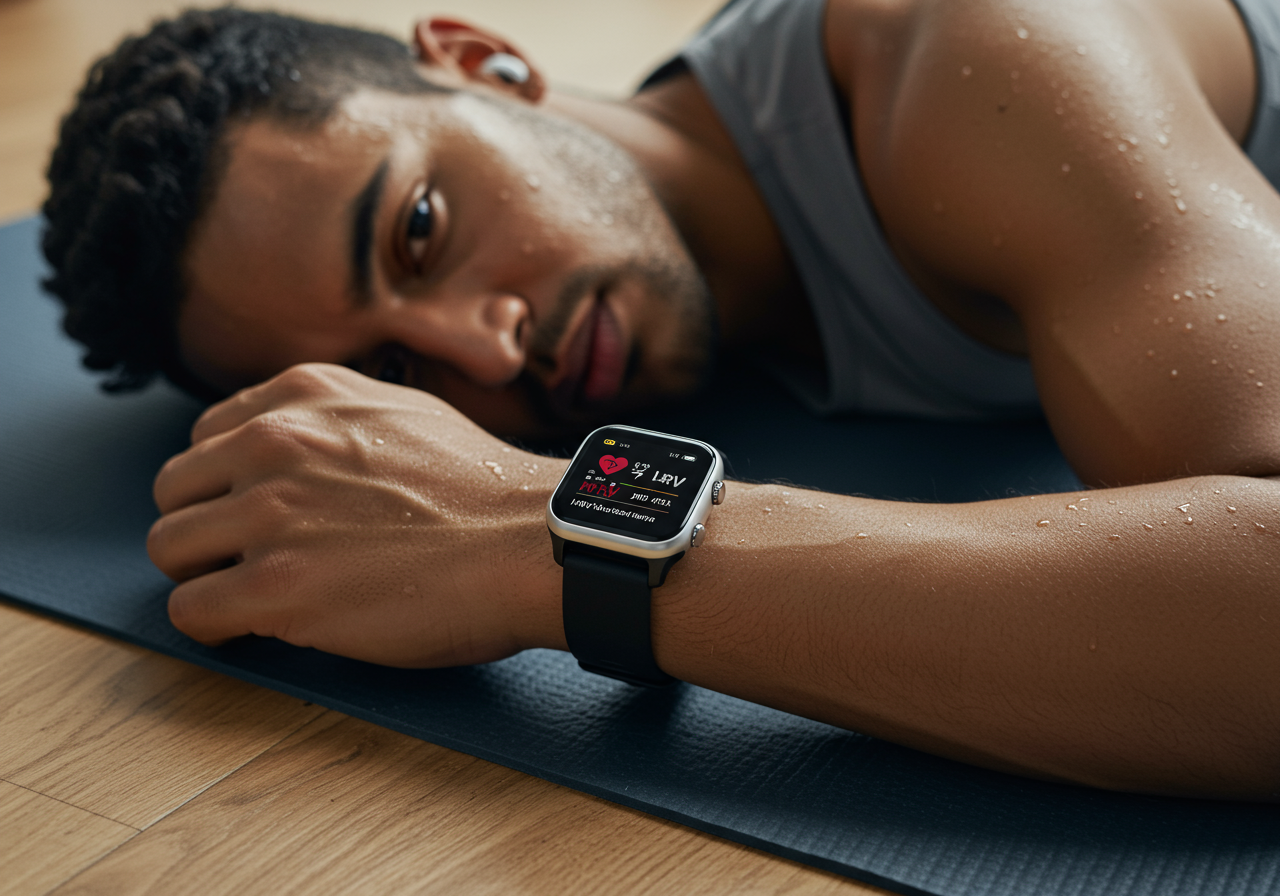
2) Add simple tech: Training log (Strong or Google Sheets), HR tracking (Garmin, Fitbit, or Apple Watch), cardio routes (Strava), food log when useful (MyFitnessPal), breath app (Breathwrk or Calm), HRV tracker if interested (HRV4Training). Keep notifications off during cooldowns.
3) Set three standard timers: 6 minutes for post-workout cooldown, 10 minutes for nightly wind-down, 90 seconds for breath reset during stressful work blocks. These are short on purpose; small repeats beat long intentions.
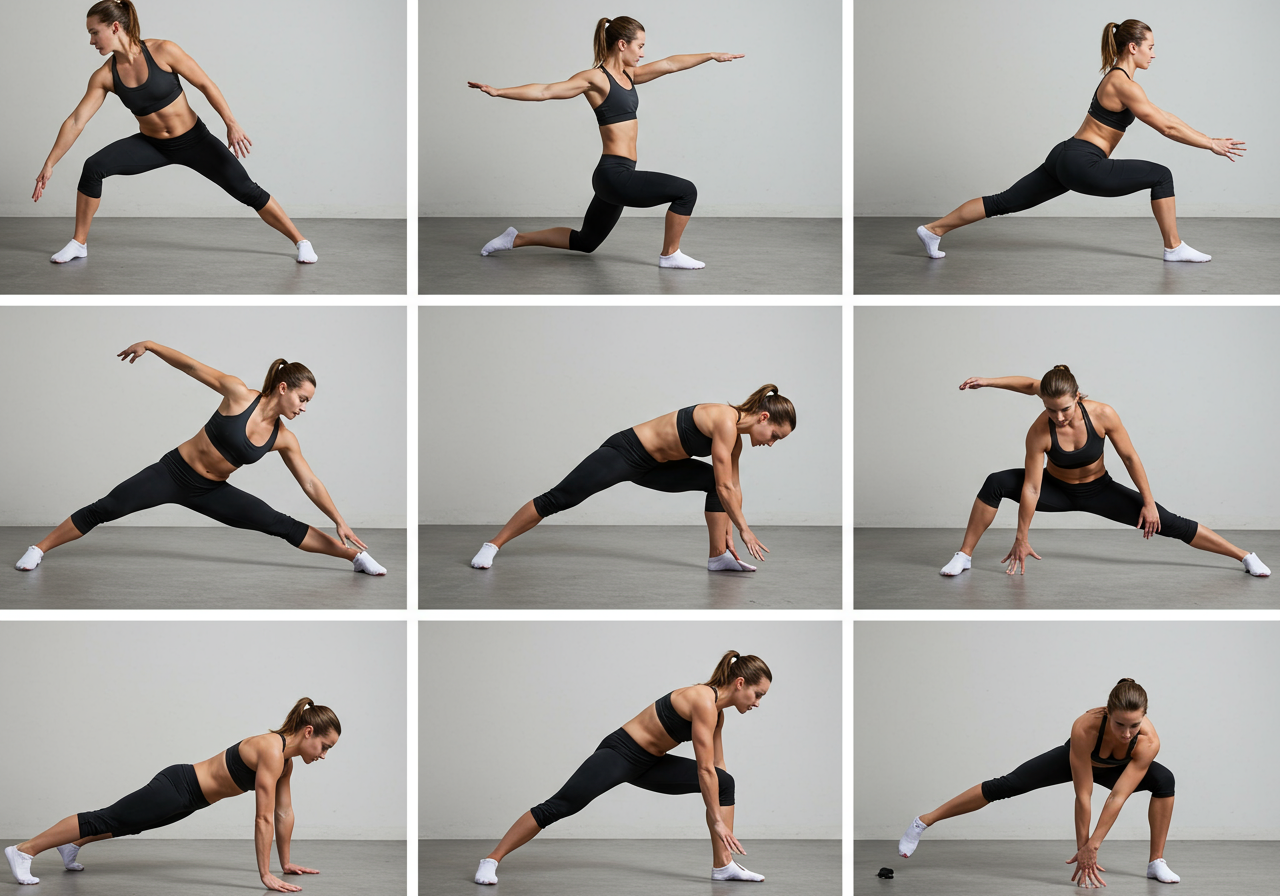
4) Post‑workout routine (after strength or cardio): 2 minutes easy breathing (in 4, out 6), 2 minutes gentle mobility (hips, T‑spine, ankles), 2 minutes light tissue work (roller or ball). Then hydrate and eat within your day’s plan (aim ~0.3 g/kg protein with a mixed meal if it fits your preferences).
5) Daily micro‑actions: Morning sunlight if available (2–10 minutes), a 90‑second breath reset between meetings, and a 5‑minute evening stretch or legs‑up variation. Keep it comfortable; recovery should feel restorative.
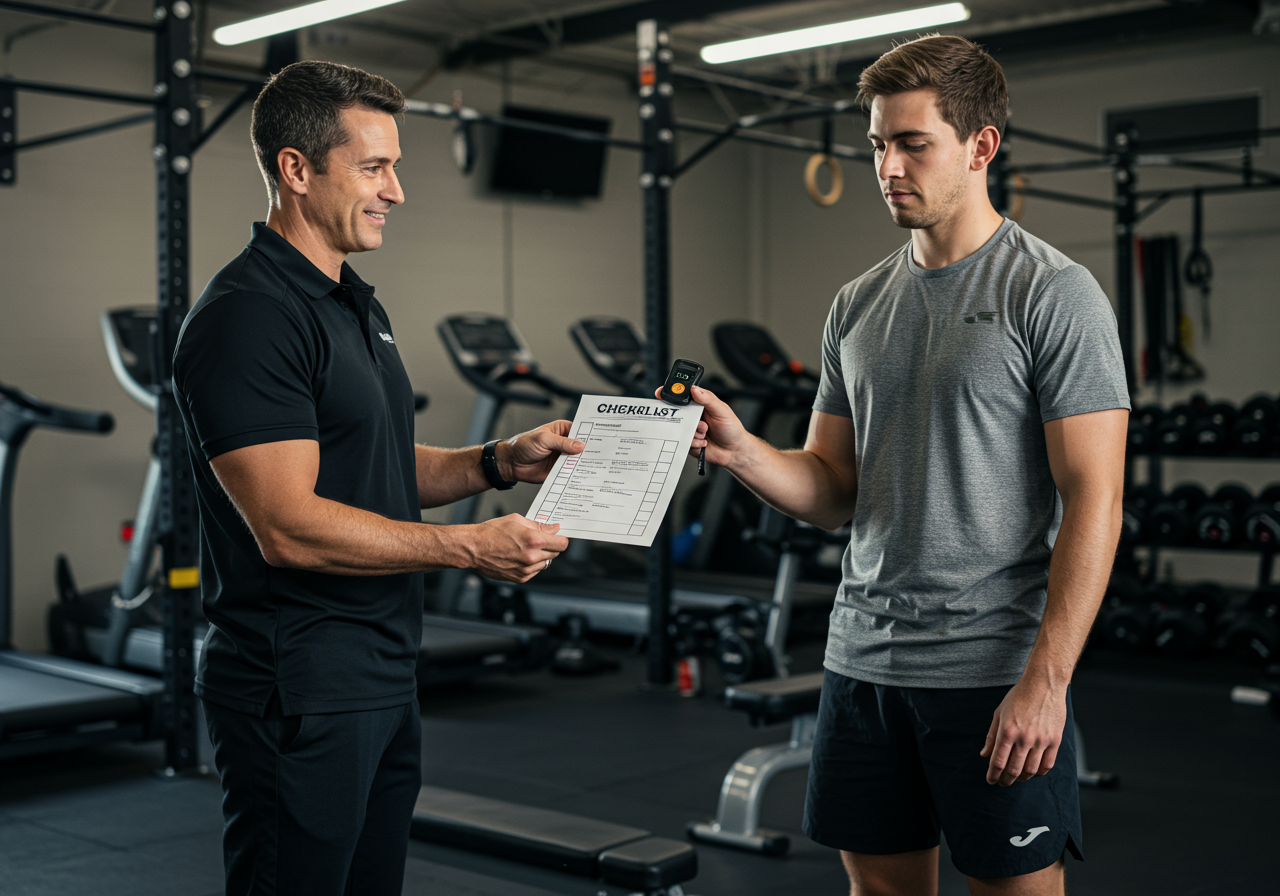
6) Weekly checklist (example):
Sleep: 7–9 hours on 5+ nights; consistent wake time.
Protein: 1.6–2.2 g/kg/day on training days (adjust for preferences and context).
Hydration: pale yellow urine, add electrolytes in heat.
Movement balance: at least 2 strength, 2 cardio, 1 mobility‑focused session.
Mon/Wed/Fri: cooldown timer used? Yes/No.
Sun: plan next week’s main sessions and meals.
Personal note: On my last tempo run block, I kept Zone 3 around ~150–158 bpm and held a 6‑minute cooldown every time. Soreness dropped, and intervals mid‑week felt smoother. That pattern isn’t a lab study, but it repeats for me and many clients.
Scale Recovery Practices Across an Eight-Week Training Block
Start simple and scale. Pair training volume with just‑enough recovery to keep you moving forward.
Caption: 8‑week rollout linking training volume to recovery practices.
Weeks 1–2: 2 strength (full body, RPE 6), 2 cardio (Z2 20–30 min), 1 mobility day; Recovery: 6‑min cooldown after each, 10‑min wind‑down nightly; Checklist: sleep + hydration.

Weeks 3–4: 2–3 strength (RPE 6–7), 2 cardio (add one short Z3 block), 1 mobility; Recovery: add 5–10 min band/roller to two sessions; Checklist: protein target 4+ days.

Weeks 5–6: 3 strength (one heavier, RPE 7–8), 2–3 cardio (one interval day), mobility micro‑flows after desk time; Recovery: contrast shower 2x/week (90s warm/30s cool if tolerated), breath reset 2x/day; Checklist: plan next week on Sunday.

Weeks 7–8: 3–4 strength (rotate heavy/moderate), 3 cardio (long Z2 + intervals), mobility daily 5–10 min; Recovery: add 20–30 min dedicated recovery session weekly (massage gun/roller + stretch), evaluate morning HR/HRV trend; Checklist: deload planned next.

Deload (1 week): reduce volume 30–50%, keep cooldowns, keep sleep and walking high; Recovery: extra mobility and outdoor time; Checklist: note soreness, motivation, and next block focus.
Level cues: Beginners chase consistency; intermediates refine intensity; advanced lifters periodize stress and recovery. Across all levels, use simple measures—session RPE, morning resting HR, and mood—to decide when to push or to keep it easy.
Match Frequency, Intensity, and Fuel to Your Sessions
Frequency: Most beginners do well with 4–5 total sessions weekly: 2 strength, 2 cardio, plus one mobility‑focused day. Keep one full rest day.
Intensity guardrails: Limit HIIT to 1–2 days per week. Strength top sets around RPE 7–8 most weeks. If morning resting HR rises ~5–10% for several days or motivation dips sharply, pull back volume.
Fuel and sleep: Protein 1.6–2.2 g/kg/day, carbs around training if using them, and 7–9 hours sleep. Creatine monohydrate (3–5 g/day) is widely supported; magnesium glycinate can help sleep for some. Caffeine is useful pre‑training; avoid late‑day if it harms sleep.
Troubleshooting: Plateaus: add a deload week or swap a hard session for Z2 cardio. Soreness that lingers: shorten sessions 10–20% and keep cooldowns. Motivation dips: lower the barrier—do a 15‑minute minimum and keep the streak alive. Niggles: substitute pain‑free patterns and seek a clinician if pain persists.
Progress tracking: Log sets, reps, RPE (Strong or Sheets), HR zones (Garmin/Strava), and weekly checklist compliance. Look for trends over 2–4 weeks, not single days.
Next steps: Download the printable checklist, set your three timers today, and run the 6‑minute cooldown after your very next workout. Keep it simple and repeatable.
Fast Start Deload weeks convert hard training into reliable progress by lowering fatigue while keeping your movement sharp. In this guide, you’ll learn when to schedule them, how much to cut, and simple templates that protect strength and joints. Plan deload weeks by reducing volume 30–50%, keeping technique sharp, and maintaining intensity around RPE 6–7…
Hook & Quick Overview Shoulder Mobility Drills to Prevent Impingement and Pain matter because tight tissues and weak stabilizers make overhead movement cranky fast. This guide gives you a proven, beginner-friendly system. Direct answer: Practice 8–12 minutes of targeted mobility daily and 2 strength sessions weekly to reduce shoulder impingement risk and pain. You will…
Build Balanced Legs with Single-Leg Training Progressions Single-leg strength exercises fix wobbly knees, even out leg size, and translate to real-world power. This guide shows you the exact routines, weekly progressions, and recovery rules I use with new lifters and busy clients. Train them 2–3 days weekly, progress load and range, and expect steadier knees…
Anti-inflammatory foods can meaningfully reduce soreness and speed up recovery when paired with smart training, adequate protein, and sleep. In this guide, I merge a simple training week (strength, cardio, and mobility) with recovery nutrition that lowers unnecessary inflammation. You’ll get meal templates, grocery picks, supplement considerations, and a step-by-step plan to progress from beginner…
5K to 10K is achievable with a simple, repeatable system that grows your aerobic base and resilience. To move from 5K to 10K, extend your long run 0.5–1 mile weekly and keep most mileage easy in Zone 2. In the next few minutes, you’ll get a coach-tested framework: weekly structure, milestone checkpoints, beginner-to-advanced progressions, fueling…
Align Food Choices with Your Training Goals Learning how to read nutrition labels can supercharge beginner training by aligning food choices with workouts and recovery. This guide gives you an easy system for training, fueling, and tracking. Quick answer: choose clear serving sizes, 15–30 g protein per meal, higher fiber, lower added sugar, and match…