Medical Disclaimer: The information provided on this website is for informational and educational purposes only and is not intended as personal medical or health advice. The content, including text, graphics, and images, is not a substitute for professional medical advice, diagnosis, or treatment. Always seek the advice of your physician or other qualified healthcare provider with any questions you may have regarding a medical condition or before starting any new exercise, nutrition, or supplement program. Never disregard professional medical advice or delay in seeking it because of something you have read on this blog. Reliance on any information provided by this site is solely at your own risk.
Three Ready-Made Templates for 20–30 Minute Sessions
Interval training templates let busy people build fitness in 20–30 minutes without guessing. In this guide, I’ll show you smart sessions, weekly progressions, and recovery tactics that actually fit a hectic schedule.
The fastest way to train when time is tight is to use short intervals with clear work:rest ratios at moderate-to-hard effort.
You’ll get three plug-and-play interval options, beginner-to-advanced progressions, tracking methods (Garmin, Strava, Fitbit), and my nutrition and recovery checklist used with clients and in my own training.
Research-Backed Intervals Deliver Fitness in Less Time
Intervals compress a lot of stimulus into little time. Alternating hard efforts with controlled recovery challenges your heart, lungs, and mitochondria while allowing partial reset so quality stays high. Compared with steady cardio, intervals can produce similar or better fitness gains with less total time, according to peer-reviewed research.
Practically, you improve both your top-end power and your ability to clear fatigue by repeating work bouts. In client programs, short intervals consistently boost work capacity and make everyday tasks (stairs, errands, kids’ sports) feel easier. Results vary, but in practice studies and my coaching notes, adherence improves when sessions stay under 30 minutes.
Client voice:
“As a shift nurse with two kids, these 25-minute templates were the only thing I could stick with. My energy improved and my jeans fit better.” — Ana, RN
Warm Up Right, Then Choose Your Template
Warm-up — 4–5 minutes easy movement (walk, cycle, jump rope). Keep breathing conversational (RPE 3–4 / Zone 1–2). Add 2 × 10-second strides or spin-ups to prime your legs.
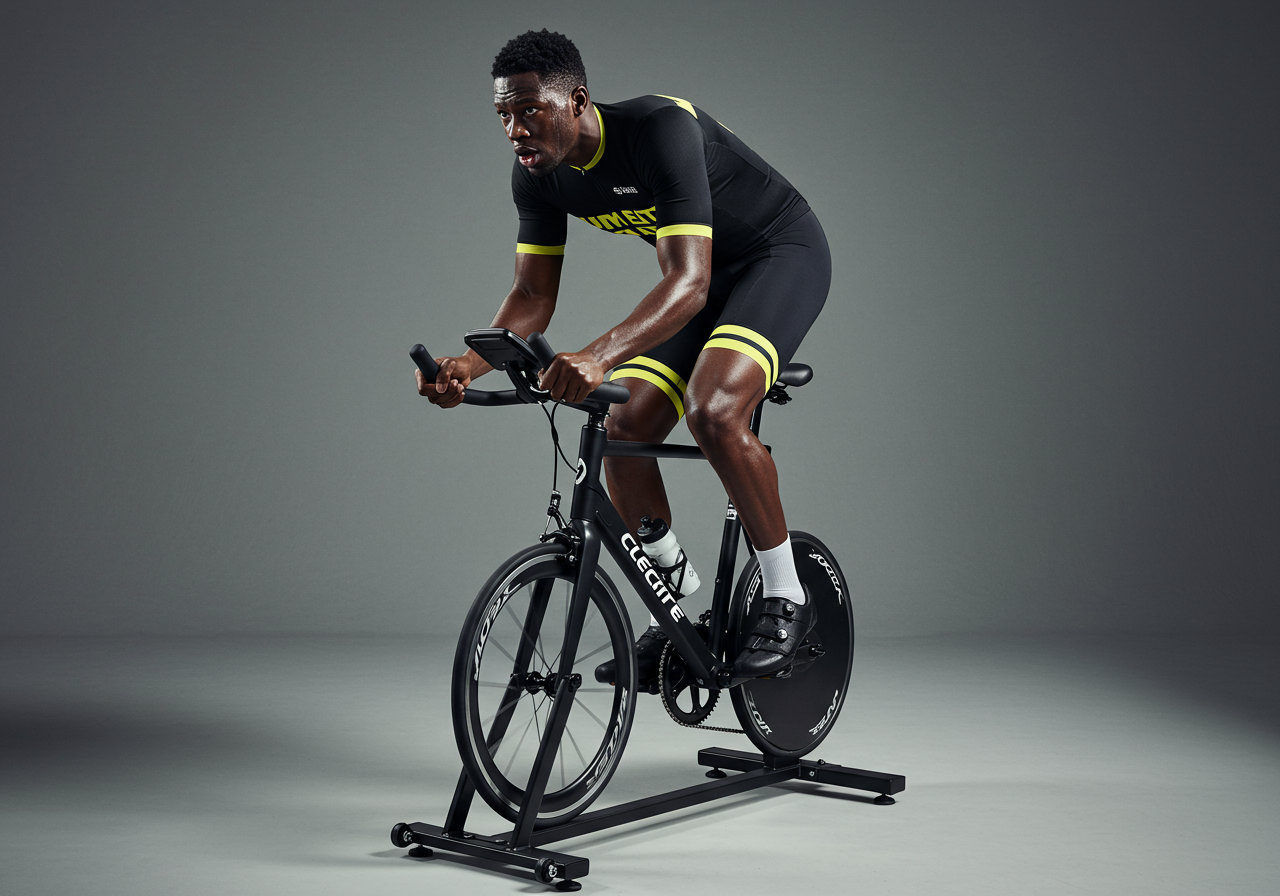
Template A: 30/60 Repeat (20–25 min) • Main set: 8–12 rounds of 30 seconds hard (RPE 8–9 / ~90% HRmax), 60 seconds easy (RPE 2–3). • Modality: treadmill incline, rower, bike, or stairs.
Template B: Pyramid (22–28 min) • Work: 30s, 45s, 60s, 45s, 30s (hard). Match each with equal or slightly longer easy recovery. Repeat the full pyramid 2–3 times.
Cool-down — 3–4 minutes gentle movement and a few long exhales through the nose.
At-a-glance session menu (choose one per day):
Template | Warm-up | Work/Rest | Rounds | Cool-down | Target Effort

A: 30/60 | 5 min   | 30s hard / 60s easy | 8–12 | 3–4 min | RPE 8–9 hard, 2–3 easy

B: Pyramid | 5 min | 30-45-60-45-30s (equal/longer rest) | 2–3 pyramids | 3–4 min | RPE 8 on work, 2–3 easy

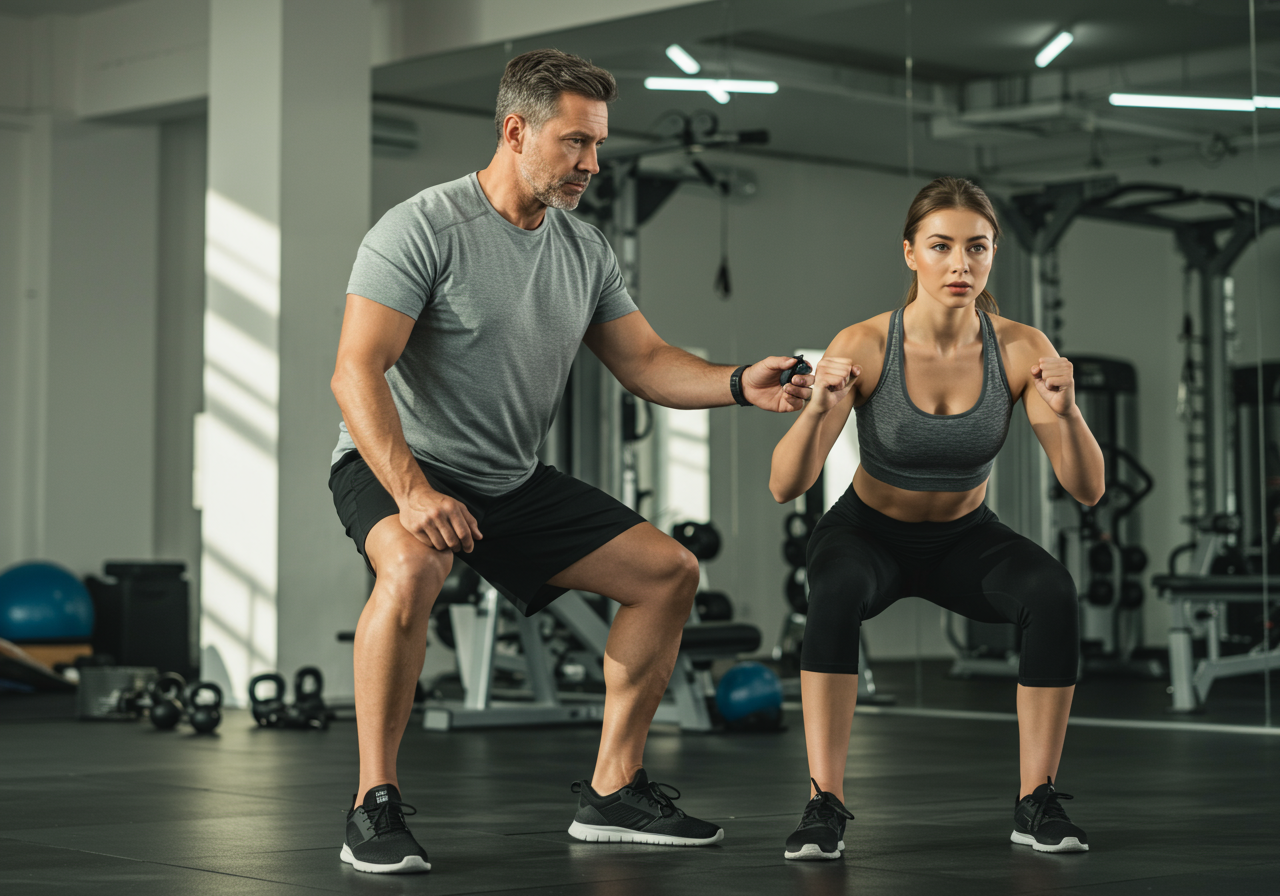
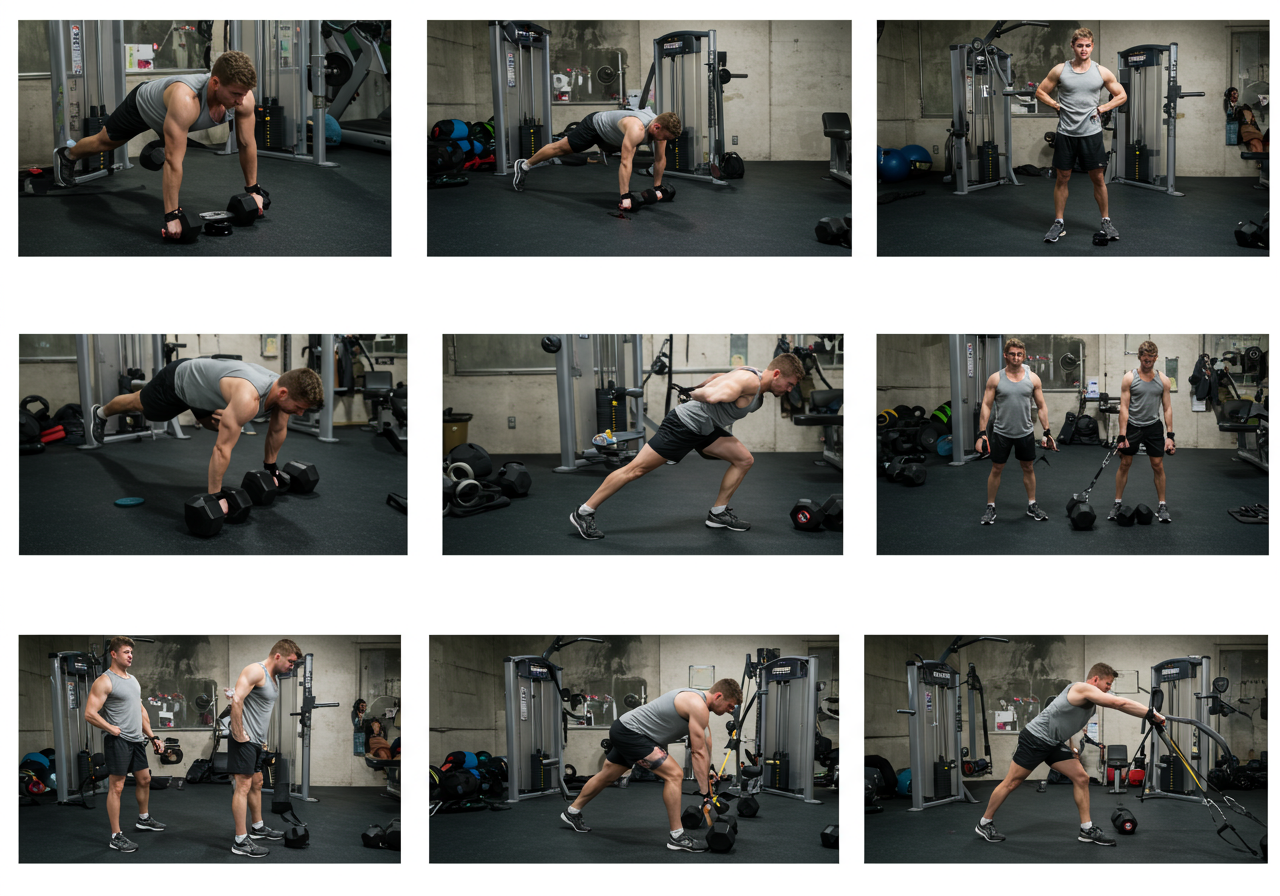
C: Strength | 4–5 min | 40s move / 20s rest + 60s walk | 4–6 | 3–4 min | RPE 7–8 on moves
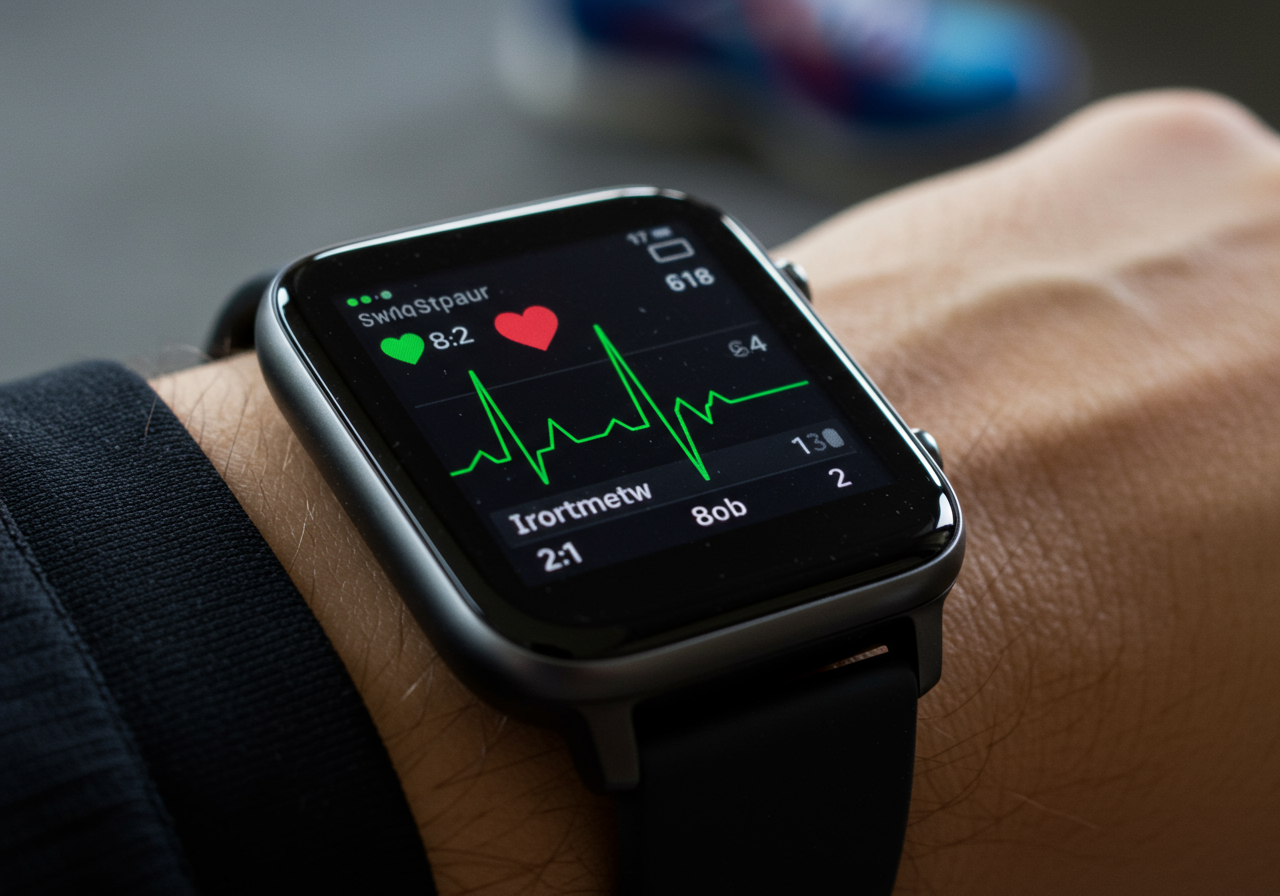
Tracking — Use a heart-rate monitor if available. I like a Garmin HR strap with a watch; Strava or Fitbit logs the session. If no tech, use RPE: hard = 8–9/10, easy = 2–3/10. My last 24-minute treadmill session (Template A) peaked near high Zone 4; breathing was controlled within 2 minutes of the cool-down.
Four-Week Plans from Beginner to Advanced Levels
Move up by changing only one lever at a time: add a round, trim a few seconds of recovery, or nudge speed/resistance. Keep most sessions 20–30 minutes.
Beginner (Weeks 1–4)
Week 1: 2 sessions — Template A×1, Template C×1. Cap at 8 rounds; stay nasal-breathing during easy segments.
Week 6: 3 sessions — Swap one A for hill/stairs to raise force safely.
Week 7: 3–4 sessions — Add one Zone 2 (25–35 minutes) for aerobic base.
Week 8: 2–3 sessions — Pull back volume 15–20%. Test a brisk 5-minute repeat to gauge pacing.
Advanced (Weeks 9–12)
Introduce 45/45s or 60/60s for 6–10 rounds, or 4–6 × 2-minute VO₂-style efforts with equal rest.
Alternate a power day (short, fast) with a capacity day (slightly longer work, steady quality).
If racing or playing a sport, keep one easy Zone 2 day to support recovery and volume tolerance.
What I’ve seen: clients who respect recovery weeks and nudge one variable at a time progress steadily and avoid plateaus. In my own training, small pace bumps (0.1–0.2 mph on the treadmill) beat big jumps.
References & Further Reading
The following peer-reviewed research and authoritative guidelines support the recommendations in this article:
Weekly rhythm: 2–3 interval days, 1–2 easy Zone 2 days, 1–2 full rest days. Keep at least 24 hours between hard sessions.
Technique first: Hard doesn’t mean sloppy. If form degrades, end the set. Quality over extra rounds.
Troubleshooting plateaus: Change modality (bike ↔ rower), switch to Template B for variety, or add one Zone 2 day for a month. Deload every 3–4 weeks.
Avoid overreaching: Morning heart rate notably higher and persistent fatigue? Cut one interval day and extend easy aerobic work for a week.
Injury guards: Use a slight incline walk instead of sprinting if your shins or Achilles complain. Strength-template days build resilience without pounding.
Nutrition: For fat loss, a small calorie deficit (roughly 250–400 kcal/day) works well with intervals. Aim protein 1.6–2.2 g/kg/day; anchor carbs around training (a banana or toast pre, yogurt or shake post). Hydrate and add electrolytes if you sweat heavily.
Recovery: 7–9 hours sleep, a 5–10 minute post-session walk, and light mobility help you bounce back. I log HRV and resting HR in Garmin; when both trend down, I reduce intensity.
Motivation hacks: Preload the workout on your watch, set a 25-minute calendar block, and keep one “easy win” template for rough days.
Quick proof of concept: a recent client used Templates A and C for eight weeks, 3×/week. She reported easier stair climbs and looser waistbands; her bike power on hard intervals climbed modestly. My own rows and treadmill repeats feel smoother with lower perceived effort at the same pace.
Next steps: pick Template A this week, set your timer, and log the session in Strava or Fitbit.
Medical Disclaimer: The information provided on this website is for informational and educational purposes only and is not intended as personal medical or health advice. The content, including text, graphics, and images, is not a substitute for professional medical advice, diagnosis, or treatment. Always seek the advice of your physician or other qualified healthcare provider…
Medical Disclaimer: The information provided on this website is for informational and educational purposes only and is not intended as personal medical or health advice. The content, including text, graphics, and images, is not a substitute for professional medical advice, diagnosis, or treatment. Always seek the advice of your physician or other qualified healthcare provider…
Medical Disclaimer: The information provided on this website is for informational and educational purposes only and is not intended as personal medical or health advice. The content, including text, graphics, and images, is not a substitute for professional medical advice, diagnosis, or treatment. Always seek the advice of your physician or other qualified healthcare provider…
Medical Disclaimer: The information provided on this website is for informational and educational purposes only and is not intended as personal medical or health advice. The content, including text, graphics, and images, is not a substitute for professional medical advice, diagnosis, or treatment. Always seek the advice of your physician or other qualified healthcare provider…
Medical Disclaimer: The information provided on this website is for informational and educational purposes only and is not intended as personal medical or health advice. The content, including text, graphics, and images, is not a substitute for professional medical advice, diagnosis, or treatment. Always seek the advice of your physician or other qualified healthcare provider…
Medical Disclaimer: The information provided on this website is for informational and educational purposes only and is not intended as personal medical or health advice. The content, including text, graphics, and images, is not a substitute for professional medical advice, diagnosis, or treatment. Always seek the advice of your physician or other qualified healthcare provider…