Deload weeks convert hard training into reliable progress by lowering fatigue while keeping your movement sharp. In this guide, you’ll learn when to schedule them, how much to cut, and simple templates that protect strength and joints.
Plan deload weeks by reducing volume 30–50%, keeping technique sharp, and maintaining intensity around RPE 6–7 for 5–7 days.
I’ve used these methods with new lifters and seasoned competitors. We’ll connect the plan to nutrition, sleep, and tracking so you know exactly what to do and why it works.
The Physiology Behind the Pause
Training creates two parallel effects: fitness increases and fatigue accumulates. If fatigue stays high, performance looks flat even when you’re getting stronger. A short, structured deload lets the nervous system, connective tissue, and glycogen stores rebound so strength can show up.
In practice and in peer‑reviewed studies, brief reductions in volume help restore bar speed, lower perceived exertion, and reduce overuse niggles. I’ve observed resting heart rate drop and HRV improve within 3–5 days when the deload is timed well. Claims vary by person, so consider these patterns directional, not absolute.
Client note: “Maya, 38, desk job,” struggled with elbow tendinopathy. We introduced a 6‑day deload, cut pressing volume by 40%, kept easy rows and mobility. Pain dropped from daily to occasional, and she hit a 5‑rep PR two weeks later. Anecdotal, but consistent with many cases.
My own log last month: after three heavy weeks, I deloaded six days. Squat top single moved from 365×1 @ RPE 9 pre‑deload to 345×1 @ RPE 7 on day six. Garmin morning HR fell from 58 to 53; Oura HRV trended up. That rebound mirrored past blocks.
Practical Steps You Can Apply Today
Confirm the need. Signs include: stalled bar speed, reps feeling heavier at the same load, nagging joint soreness, poorer sleep, elevated morning resting HR, or HRV suppressed for 2–3 days. If two or more appear, plan a deload.
Choose the deload type.
Volume deload (default): reduce total sets per lift by 30–50% while keeping intensity moderate (about 60–80% 1RM, RPE 6–7).
Intensity deload: keep sets similar but reduce load to 50–65% 1RM, focusing on speed and technique.
Frequency deload: keep a few key sessions, cancel accessories and extra days.
Apply the numbers.
Main lifts: cut sets 30–50%; avoid failure; stop each set with 3–4 reps in reserve.
Accessories: halve the sets or skip pain‑provoking moves.
Conditioning: keep easy aerobic work; reduce intervals or hills by ~30%.
Keep the movement quality high. Use controlled eccentrics, crisp bar paths, and repeatable setups. If you track velocity (e.g., Vitruve/OpenBarbell), aim for fast, even reps.
Fuel and sleep for recovery.
Protein 1.6–2.2 g/kg/day; keep calories at maintenance or a small surplus if you’re chasing strength.
Carbs around training to refill glycogen; hydrate and add sodium if you sweat heavily.
Sleep 7–9 hours; reduce late caffeine; brief daytime light exposure.
Track the response. Log RPE, bar speed (if available), morning HR/HRV (Oura, WHOOP, Garmin), and mood. In MyFitnessPal, keep protein consistent even if calories dip slightly.
Sample lower‑body deload session (60–70 min): Warm‑up — 5–8 min easy bike or brisk walk; hips/ankles flow. Back squat — 4×3 @ ~70% 1RM, RPE 6. Romanian deadlift — 3×6 light, full range. Split squat — 2×8 per side, bodyweight or light DBs. Core: side plank — 2×30–45s per side. Cardio finish — 10–15 min Zone 2 (you can nose‑breathe, conversational).
Mistakes I see: cutting weight too much (movement feels foreign next week), sneaking in extra sets, or skipping sleep because training felt “easy.” Keep the week boringly consistent. That’s the point.
Timing and Templates by Training Age
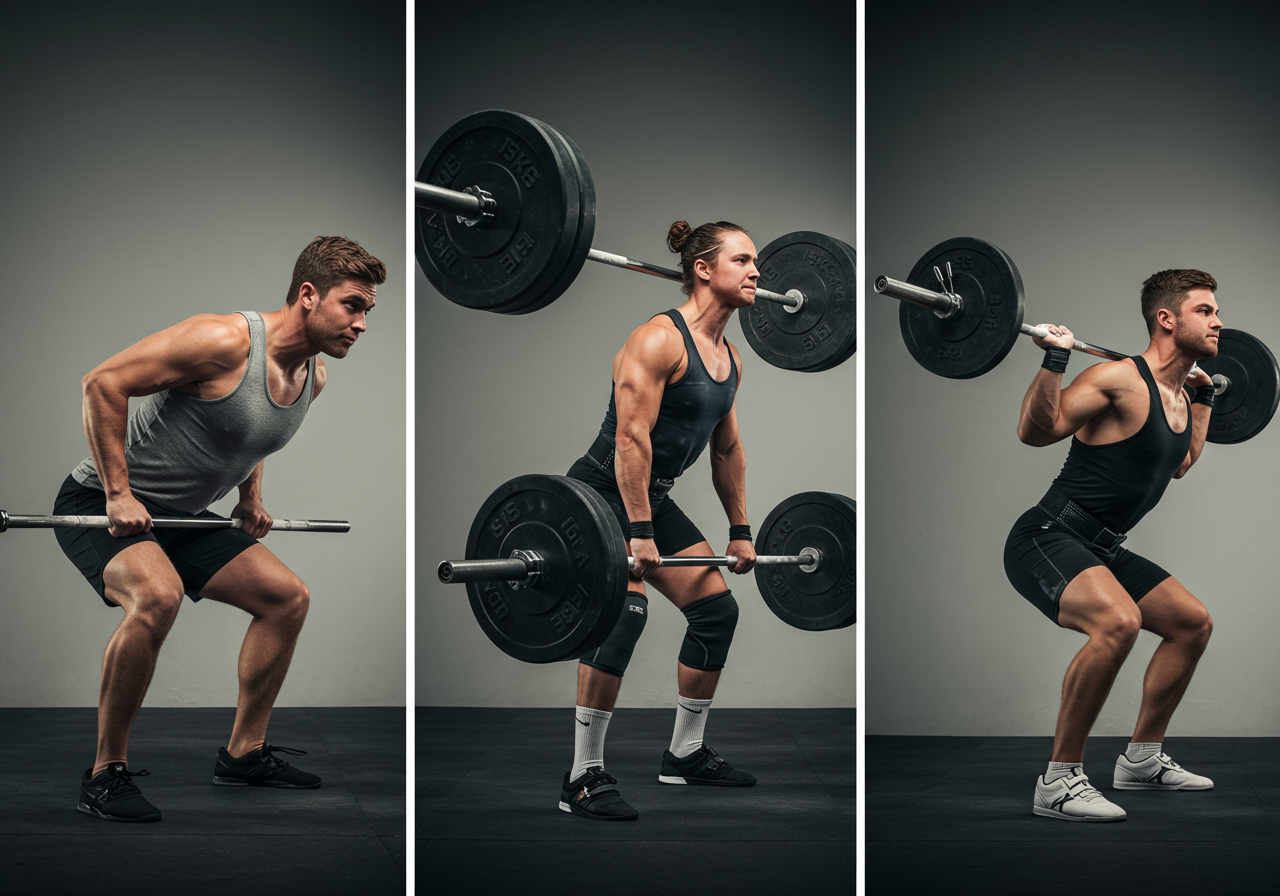
Caption: Example deload timing and adjustments by level. Beginner: every 4–6 weeks; reduce sets 40–50%; keep intensity RPE 6; maintain technique and easy cardio. Intermediate: every 5–8 weeks; reduce volume 30–40%; keep 70–80% 1RM for crisp singles/doubles @ RPE 6–7; halve accessories. Advanced: every 3–6 weeks or after peaking; reduce volume 50–60%; keep 80–85% 1RM singles @ RPE 6–7; preserve power with very low volume.
Four‑week block example (full‑body strength): Week 1 — Build: 3×5 main lifts @ RPE 7; accessories 2–3×10. Week 2 — Build+: Add 2.5–5 kg or 1 rep; accessories unchanged. Week 3 — Push: Top set @ RPE 8, back‑off volume; sprint or sled once. Week 4 — Deload: Cut sets by 40%; keep ~70% 1RM; remove sprints; Zone 2 only.
Blended goals: If you run or do CrossFit, deload one stressor at a time. Example: keep lifts moderate while trimming metcon volume, then alternate next block.
Readiness check to end the deload: Warm‑ups feel snappy, morning HR trends down, and you’re excited to train. If not, extend 2–3 days.
Make It Stick and Stay Safe
Frequency and duration: Most lifters deload every 4–8 weeks for 5–7 days. Advanced lifters may need shorter but more frequent resets.
Intensity guardrails: Keep most work at RPE 5–7. No grinders, no max tests. Focus on bar path and breathing.
Injury caution: If pain alters your movement, swap the lift or shorten the range. Use isometrics for sore tendons and keep blood flowing.
Motivation dips: Give yourself a mini‑goal: perfect bracing, consistent walkouts, or improving bar speed. Small wins keep engagement high.
Progress validation: Two weeks post‑deload, compare to pre‑deload benchmarks: same load at lower RPE, faster bar speed, or extra clean reps. If not improved, your deload might have been too short or too light.
Testimonial snapshot: “Luis, 51,” added a deload every sixth week. His shoulder ache faded, and three weeks later he pressed 5 kg more for triples—no pain. Individual results vary, but relief plus progress is common.
If you want a ready‑made calculator and log templates (Strava/Garmin compatible notes, plus MyFitnessPal macro targets), subscribe and I’ll send them. Your next block will feel like fresh legs and clear focus.
5K to 10K is achievable with a simple, repeatable system that grows your aerobic base and resilience. To move from 5K to 10K, extend your long run 0.5–1 mile weekly and keep most mileage easy in Zone 2. In the next few minutes, you’ll get a coach-tested framework: weekly structure, milestone checkpoints, beginner-to-advanced progressions, fueling…
Build Athletic Range With Yoga-Based Mobility Training Yoga-based mobility improves athletic performance by building usable range, end-range control, and calm breathing under pressure. Today you’ll learn how to plug it into strength, cardio, and sport practice without losing time or power. Direct answer: Do 10–20 minutes of targeted flows before or after training, three to…
Align Food Choices with Your Training Goals Learning how to read nutrition labels can supercharge beginner training by aligning food choices with workouts and recovery. This guide gives you an easy system for training, fueling, and tracking. Quick answer: choose clear serving sizes, 15–30 g protein per meal, higher fiber, lower added sugar, and match…
Quick bodyweight intervals burn fat at home Home Cardio Workouts Without Equipment can reduce body fat, improve conditioning, and fit into busy schedules. In this guide, you’ll learn practical routines, progressions, and how to track results. Direct answer: Do 20–30 minutes of mixed bodyweight intervals three to five days weekly at moderate to vigorous effort….
Weekly Training Plan With Built-In Gear Audits A gear audit built into your training prevents injuries and keeps progress steady. This guide gives you a complete weekly plan plus a safety and maintenance checklist. Direct answer: Train 3–4 days weekly; run a 2-minute gear audit before sessions; progress gradually; log sleep, nutrition, and performance. Equipment…
Hook & Quick Overview Shoulder Mobility Drills to Prevent Impingement and Pain matter because tight tissues and weak stabilizers make overhead movement cranky fast. This guide gives you a proven, beginner-friendly system. Direct answer: Practice 8–12 minutes of targeted mobility daily and 2 strength sessions weekly to reduce shoulder impingement risk and pain. You will…